Ma Ke, Li Qinyu, Zhang Yi, Wang Jiuyi, Jia Wei, Liu Jihong, Liu Bo, Li Qiang, Wang Qinzhang, Zeng Kai
Department of Urology, the First Affiliated Hospital of Shihezi University, Shihezi, Xinjiang, China.
Department of Oncology, Tongji Hospital, Tongji Medical College, Huazhong University of Science and Technology, Wuhan, Hubei, China.
Neoplasia. 2025 Aug;66:101186. doi: 10.1016/j.neo.2025.101186. Epub 2025 May 27.
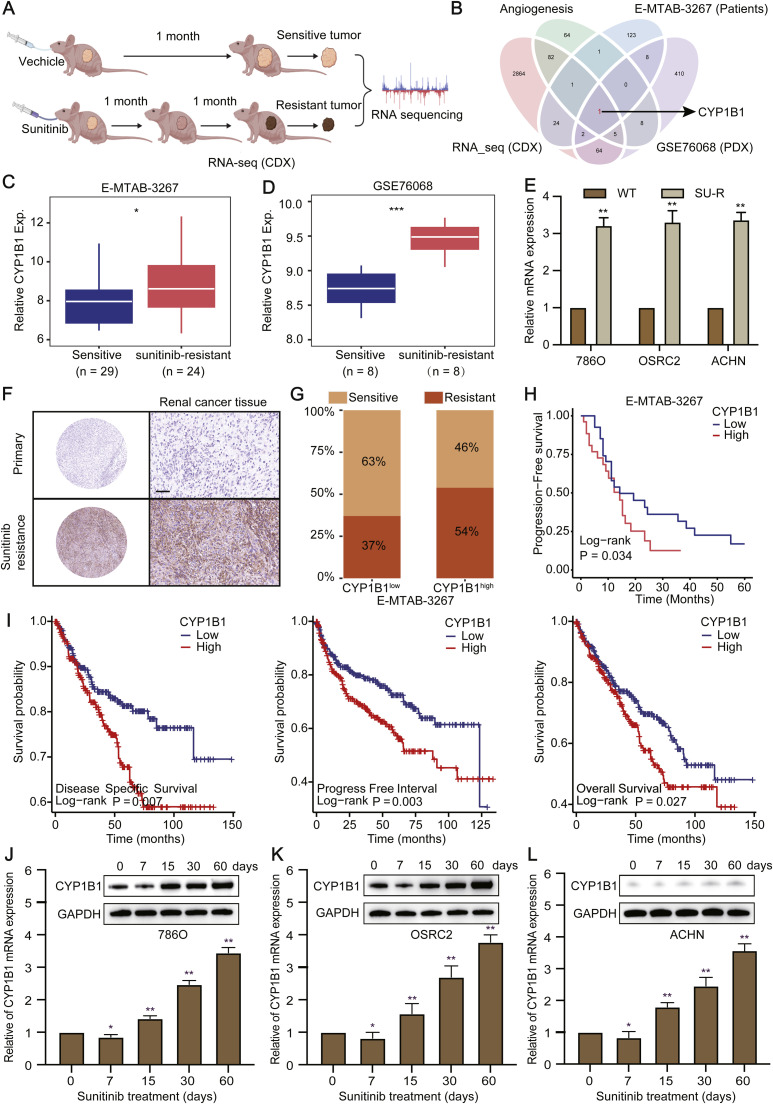
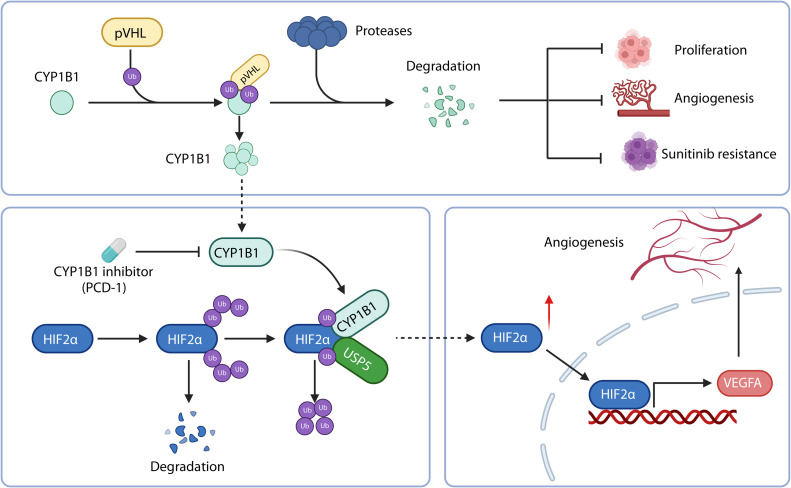
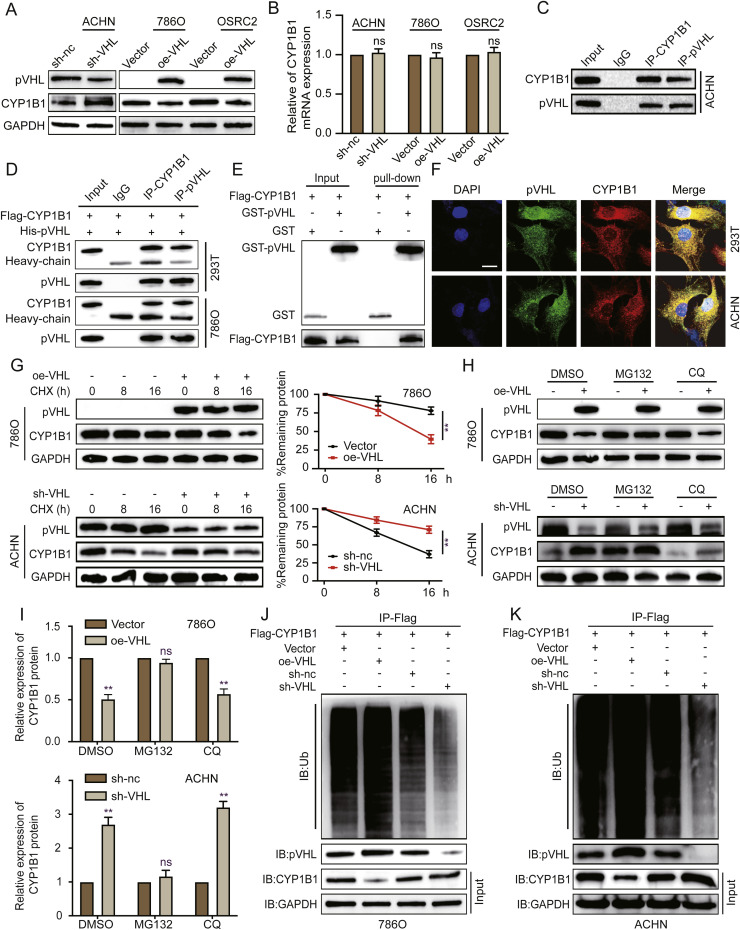
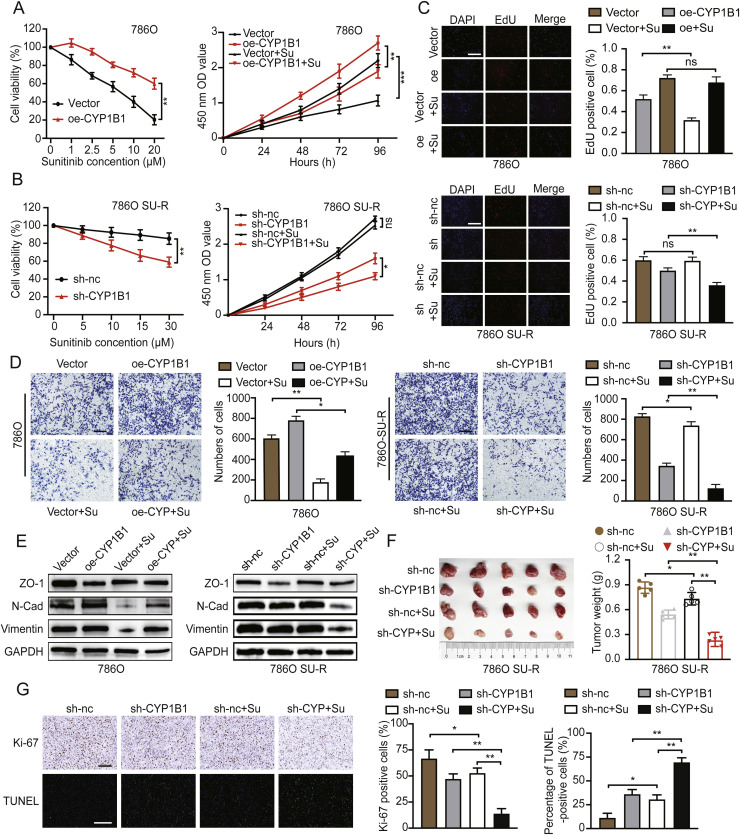
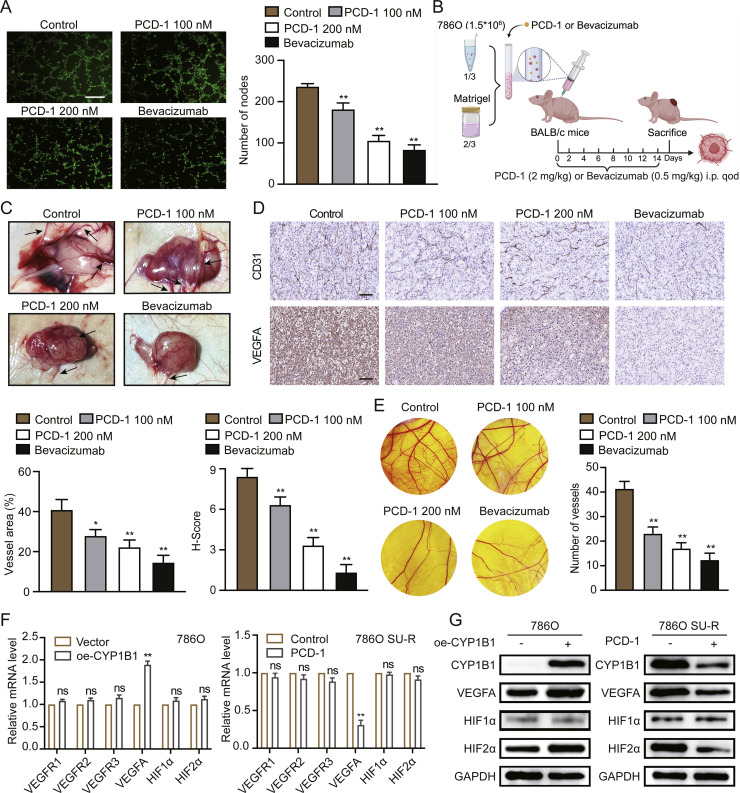
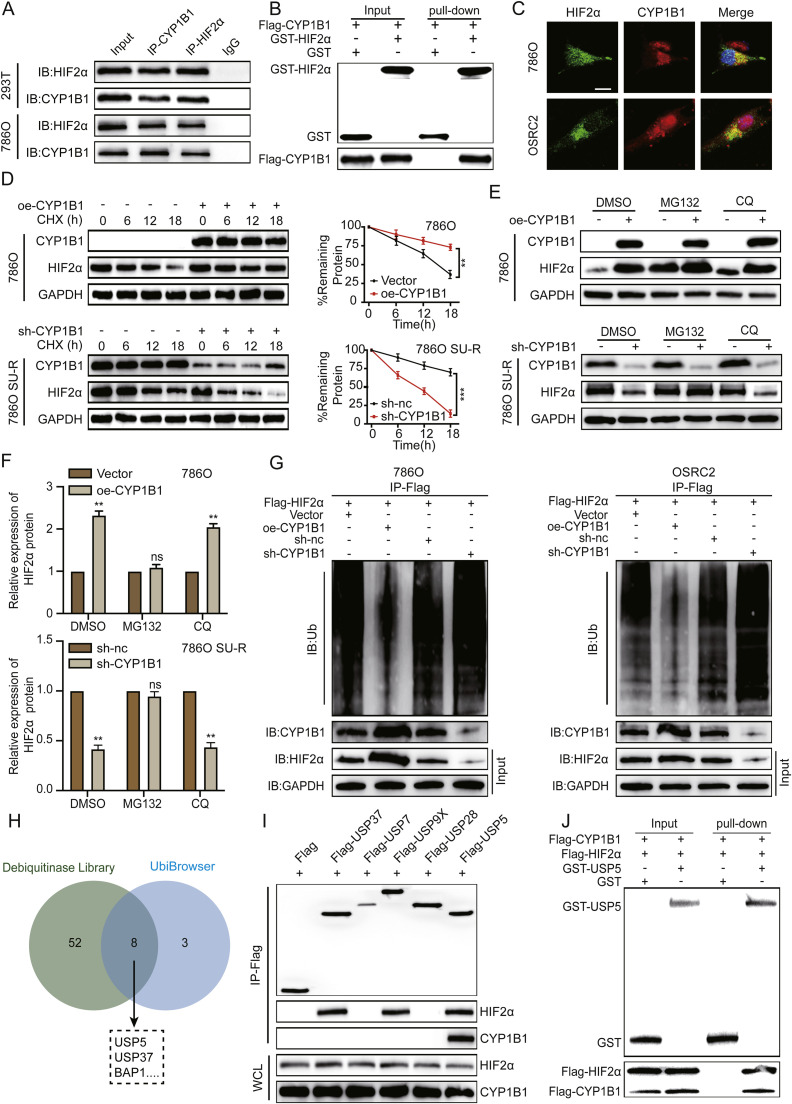
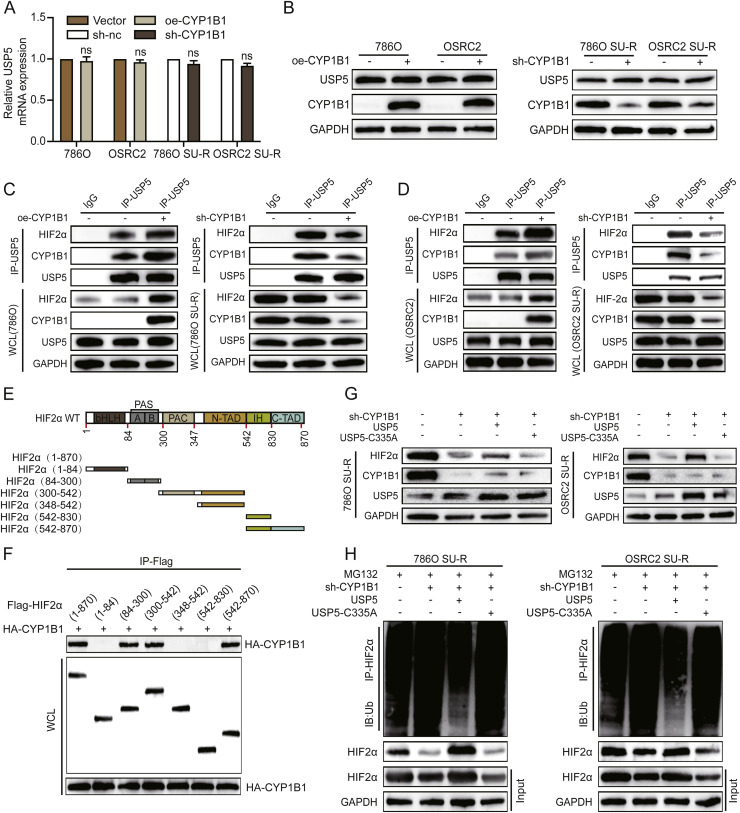
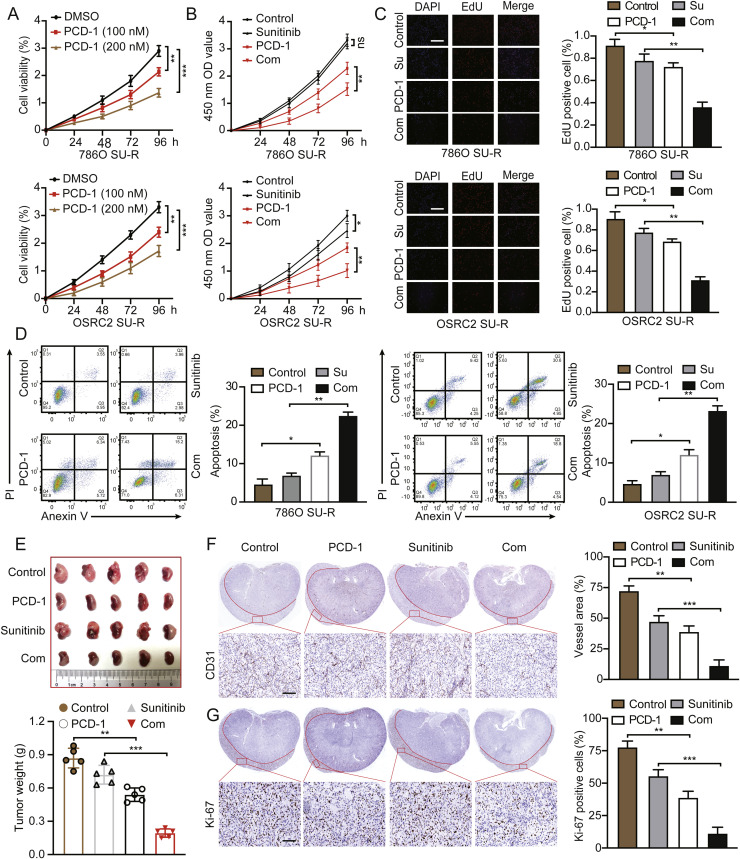
Clear cell renal cell carcinoma (ccRCC) is strongly aetiologically associated with von Hippel‒Lindau (VHL) tumour suppressor gene mutations, which result in constitutive activation of hypoxia-inducible factors and pathological angiogenesis. Although accumulating evidence indicates that antiangiogenic therapies targeting VEGF signalling can prolong the survival of ccRCC patients, the frequent development of therapeutic resistance to tyrosine kinase inhibitors such as sunitinib remains a critical clinical limitation. Through integrated multiomics analyses of sunitinib-resistant cell models, patient-derived xenografts, and clinical specimens, we systematically identified CYP1B1 as a central mediator of treatment resistance. Transcriptomic and genomic profiling revealed that CYP1B1 overexpression in resistant tumours functionally contributes to enhanced angiogenic potential and maintenance of the resistant phenotype. Mechanistic investigations demonstrated that CYP1B1 stabilizes hypoxia-inducible factor 2α (HIF2α) by facilitating USP5-mediated deubiquitination, thereby preventing proteasomal degradation. Notably, we identified VHL as a novel E3 ubiquitin ligase that regulates CYP1B1 turnover; notably, VHL deficiency in ccRCC promotes CYP1B1 protein accumulation by suppressing ubiquitination. These findings establish a feed-forward regulatory axis in which VHL loss-induced CYP1B1 stabilization promotes HIF2α signalling persistence, ultimately driving sunitinib resistance. Our study delineated the CYP1B1-USP5-HIF2α signalling cascade as a critical resistance mechanism and thus reveals a targetable vulnerability in treatment-refractory ccRCC.
透明细胞肾细胞癌(ccRCC)在病因上与冯希佩尔-林道(VHL)肿瘤抑制基因突变密切相关,这些突变导致缺氧诱导因子的组成性激活和病理性血管生成。尽管越来越多的证据表明,针对VEGF信号通路的抗血管生成疗法可以延长ccRCC患者的生存期,但对舒尼替尼等酪氨酸激酶抑制剂的治疗耐药性频繁出现仍然是一个关键的临床限制。通过对舒尼替尼耐药细胞模型、患者来源的异种移植物和临床标本进行综合多组学分析,我们系统地确定了CYP1B1是治疗耐药的核心介质。转录组学和基因组分析表明,耐药肿瘤中CYP1B1的过表达在功能上有助于增强血管生成潜力和维持耐药表型。机制研究表明,CYP1B1通过促进USP5介导的去泛素化来稳定缺氧诱导因子2α(HIF2α),从而防止蛋白酶体降解。值得注意的是,我们确定VHL是一种调节CYP1B1周转的新型E3泛素连接酶;值得注意的是,ccRCC中VHL的缺陷通过抑制泛素化促进CYP1B1蛋白积累。这些发现建立了一个前馈调节轴,其中VHL缺失诱导的CYP1B1稳定促进HIF2α信号持续存在,最终导致舒尼替尼耐药。我们的研究将CYP1B1-USP5-HIF2α信号级联描述为一种关键的耐药机制,从而揭示了难治性ccRCC中一个可靶向的弱点。