Roodgar-Saffari Javad, Zarrinpour Vajiheh, Forghanifard Mohammad Mahdi
Department of Biology, Damghan Branch, Islamic Azad University, Damghan, Iran.
Int J Mol Cell Med. 2024;13(4):436-447. doi: 10.22088/IJMCM.BUMS.13.4.436.
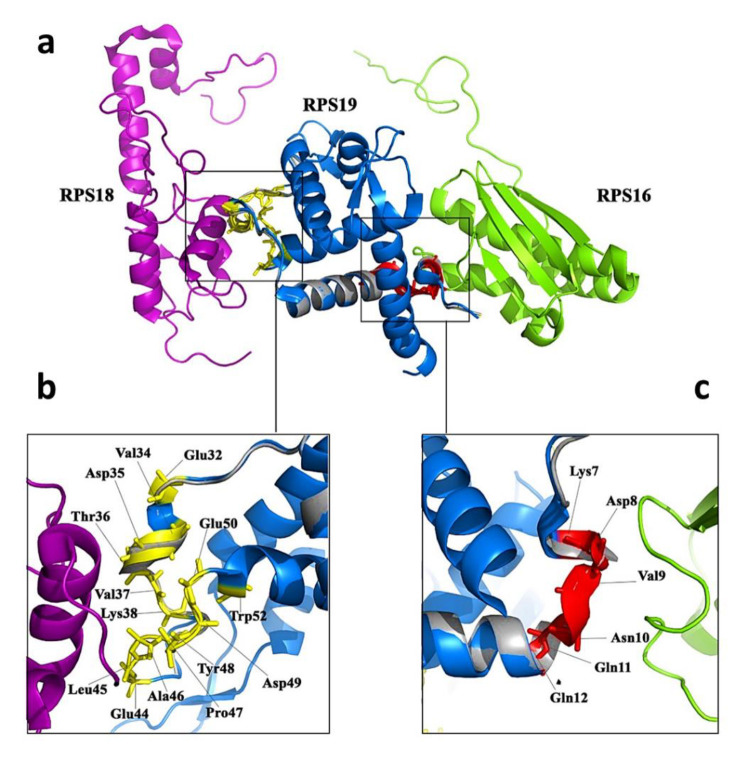
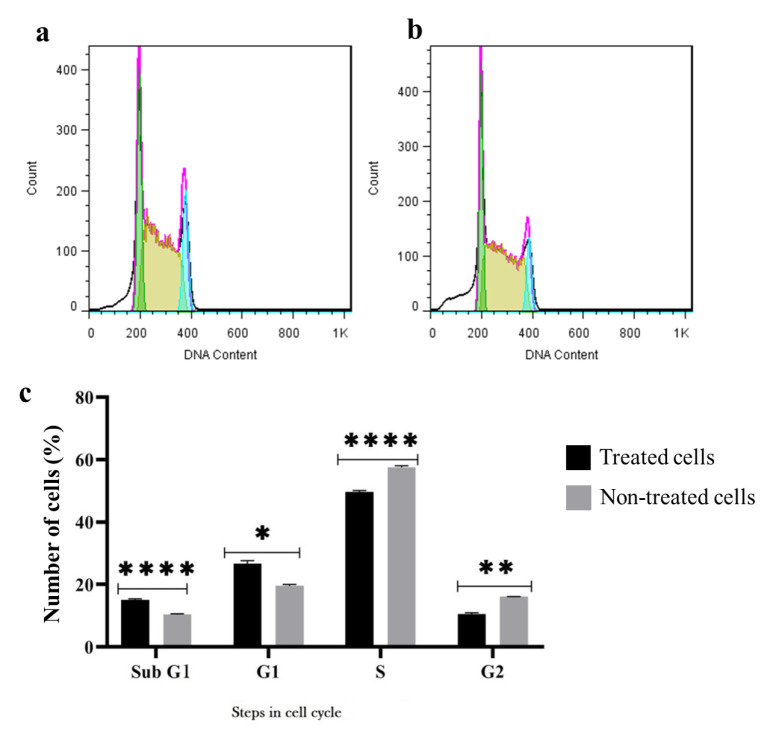
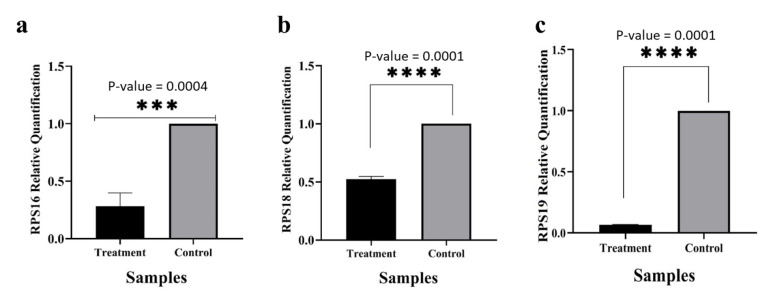
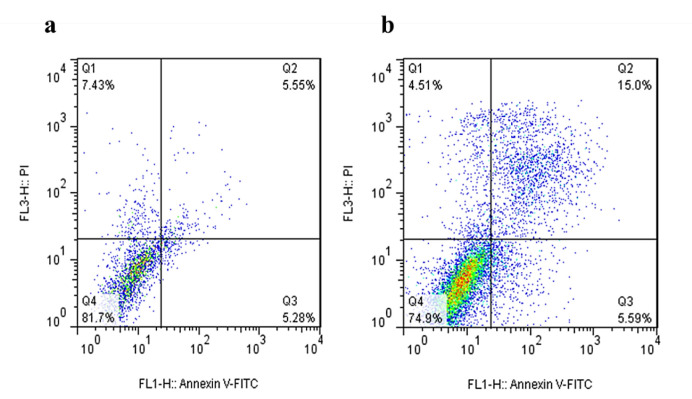
This research delves into the therapeutic implications of utilizing small interfering RNA (siRNA) to target the ribosomal protein S19 (RPS19) gene in chronic myeloid leukemia (CML) using the K562 cell line model. The primary objective was to investigate how gene silencing affects apoptosis promotion and cell cycle arrest. The study employed bioinformatics tools and databases to explore the interactions involving RPS19 and neighboring proteins. Subsequently, siRNA-mediated gene silencing was utilized to suppress RPS19 expression in K-562 cells, with assessments conducted on cell cycle progression and apoptosis through flow cytometry analysis. Furthermore, real-time PCR was employed to evaluate the expression levels of RPS19, along with the closely associated RPS16 and RPS18 genes. Silencing the RPS19 gene in siRNA-transfected K-562 cells led to an increase in apoptotic cells by over 20%, with a significant accumulation in the sub-G1 and G1 phases. Additionally, the knockdown of RPS19 resulted in a 75% decrease in RPS16 expression and a 50% decrease in RPS18 expression. These results demonstrate the therapeutic potential of targeting RPS19 in CML cells, suggesting a promising approach for precise treatment strategies in leukemia and potentially other types of cancer.
本研究利用K562细胞系模型,深入探讨了利用小干扰RNA(siRNA)靶向慢性髓性白血病(CML)中的核糖体蛋白S19(RPS19)基因的治疗意义。主要目的是研究基因沉默如何影响细胞凋亡促进和细胞周期阻滞。该研究使用生物信息学工具和数据库来探索涉及RPS19和邻近蛋白的相互作用。随后,利用siRNA介导的基因沉默来抑制K-562细胞中RPS19的表达,并通过流式细胞术分析对细胞周期进程和细胞凋亡进行评估。此外,采用实时PCR来评估RPS19以及密切相关的RPS16和RPS18基因的表达水平。在转染siRNA的K-562细胞中沉默RPS19基因导致凋亡细胞增加超过20%,在亚G1期和G1期有显著积累。此外,RPS19的敲低导致RPS16表达降低75%,RPS18表达降低50%。这些结果证明了靶向CML细胞中RPS19的治疗潜力,为白血病及可能的其他类型癌症的精准治疗策略提供了一种有前景的方法。