Wang Xuehui, Wei Hao, Hu Zhe, Jiang Jie, Dong Xinyan, Zhu Jinpiao, Chen Haiyan, Brose Nils, Lipstein Noa, Xu Tonghui, Connor Steven A, Ma Daqing, Xie Yicheng
Perioperative and Systems Medicine Laboratory, Department of Anesthesiology, Children's Hospital, Zhejiang University School of Medicine, National Clinical Research Center for Child Health, Hangzhou, 310052, Zhejiang Province, China.
Department of Biology, York University, 4700 Keele Street, Toronto, ON, M3J 1P3, Canada.
Theranostics. 2025 Jan 2;15(5):1842-1863. doi: 10.7150/thno.104282. eCollection 2025.
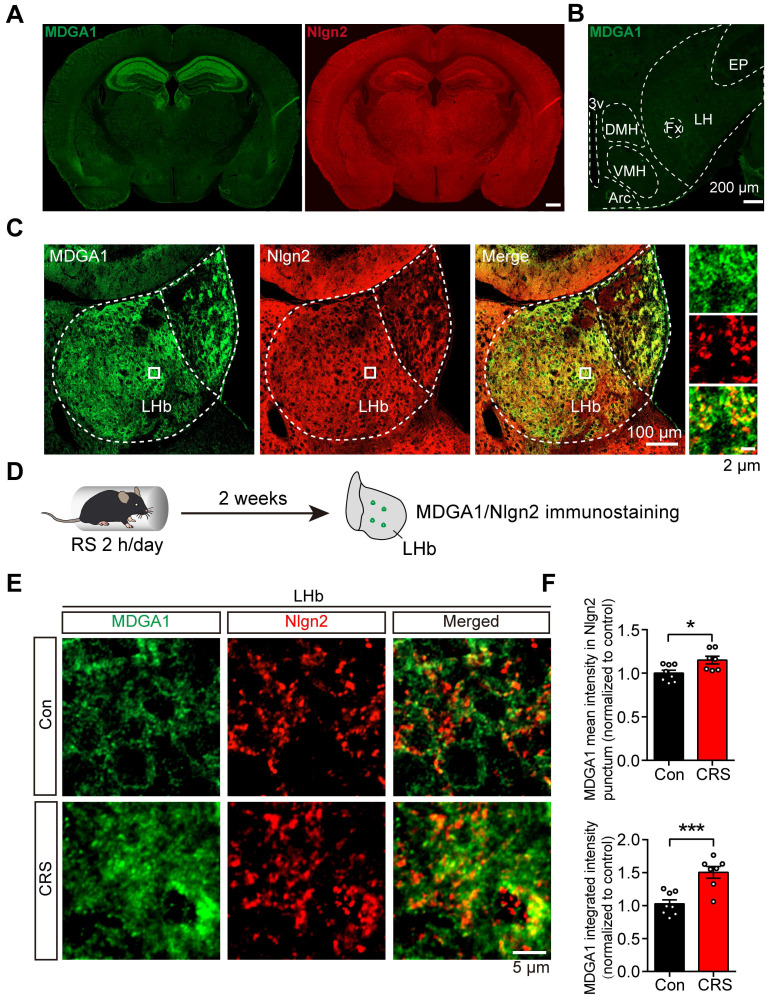
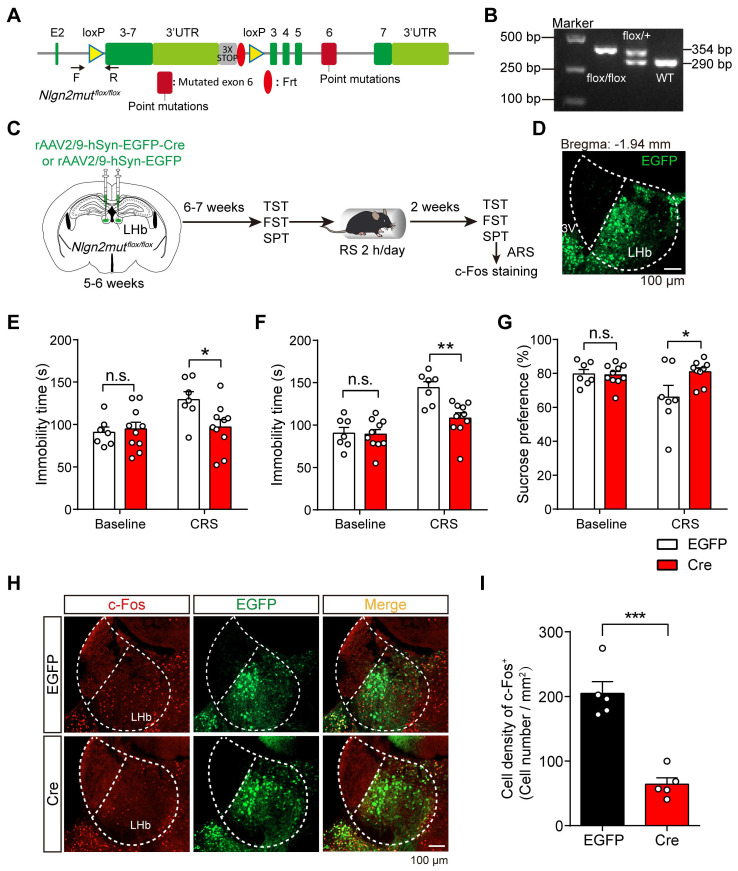
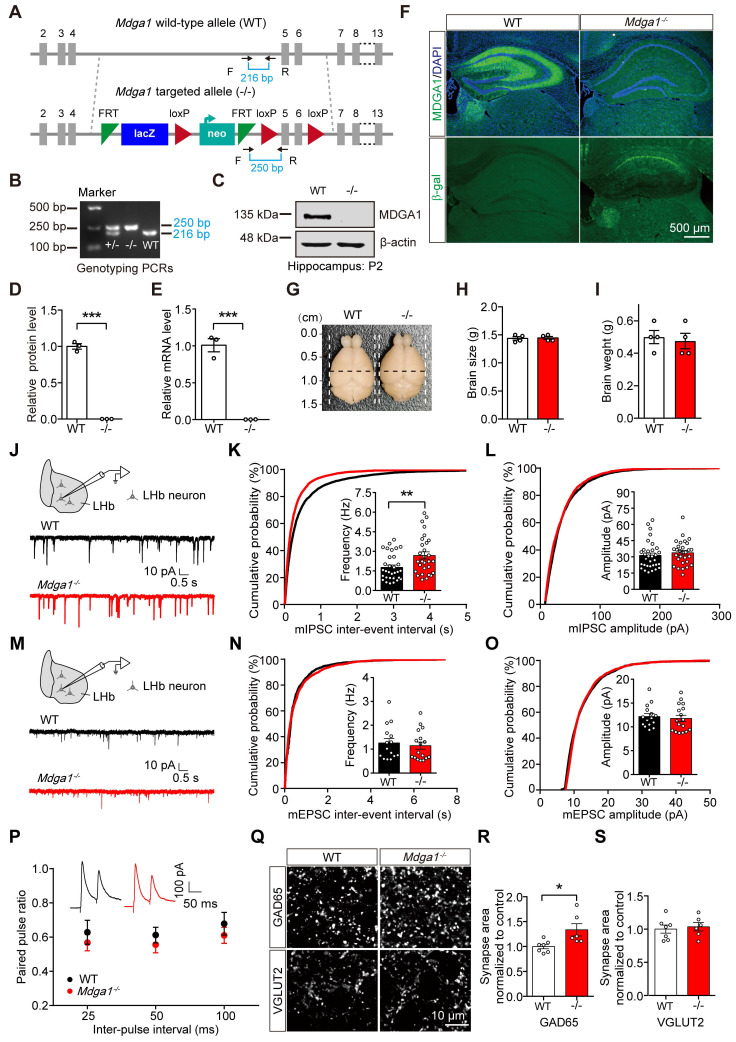
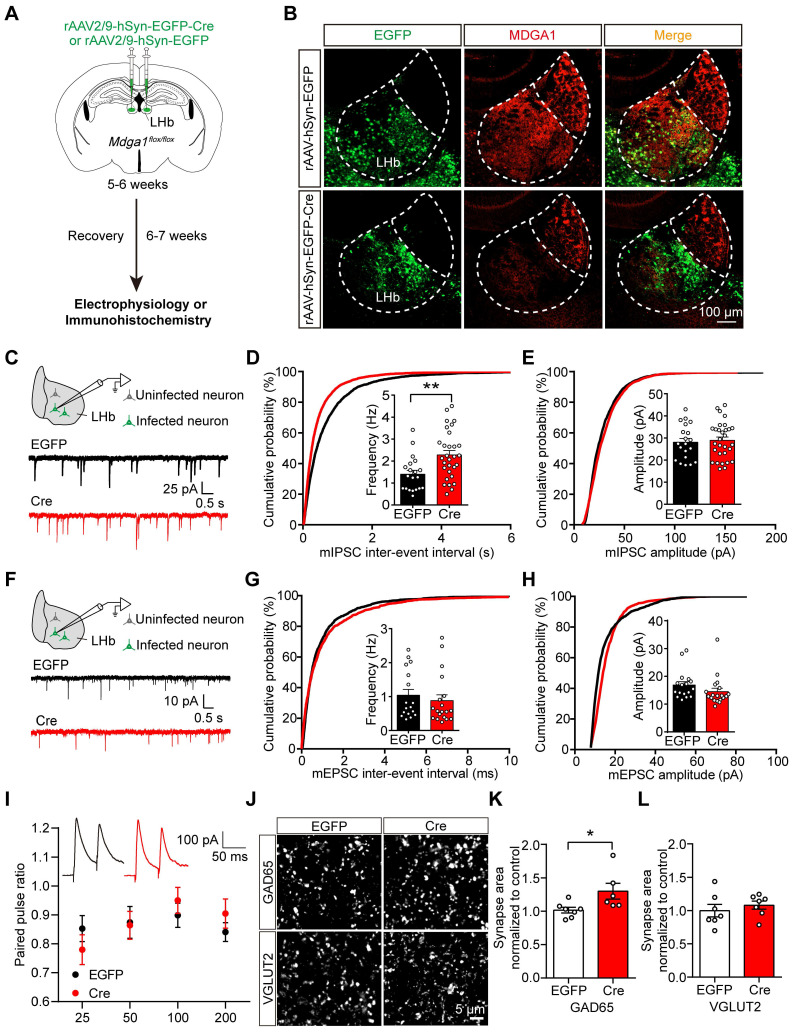
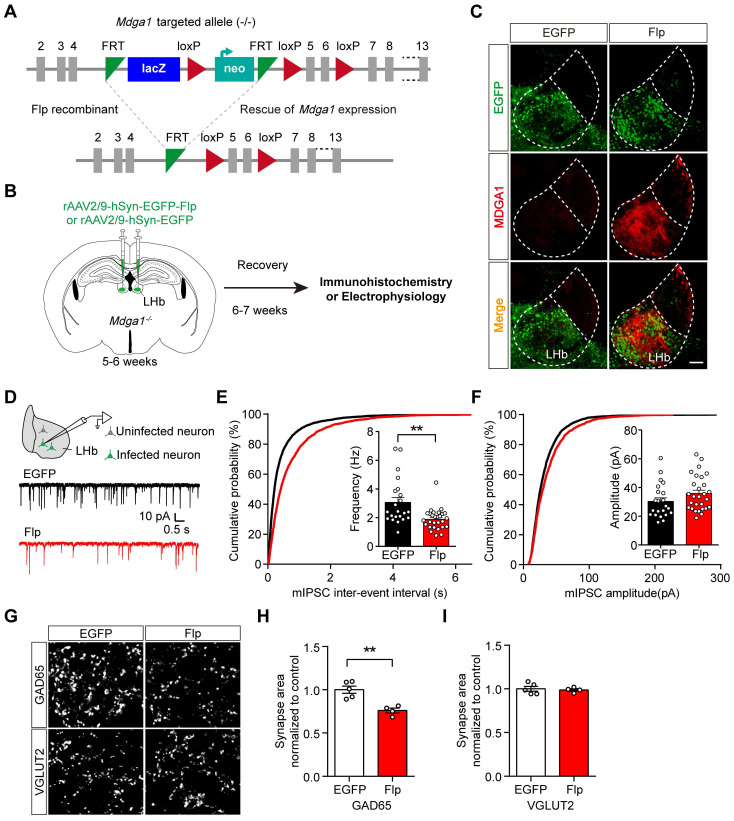
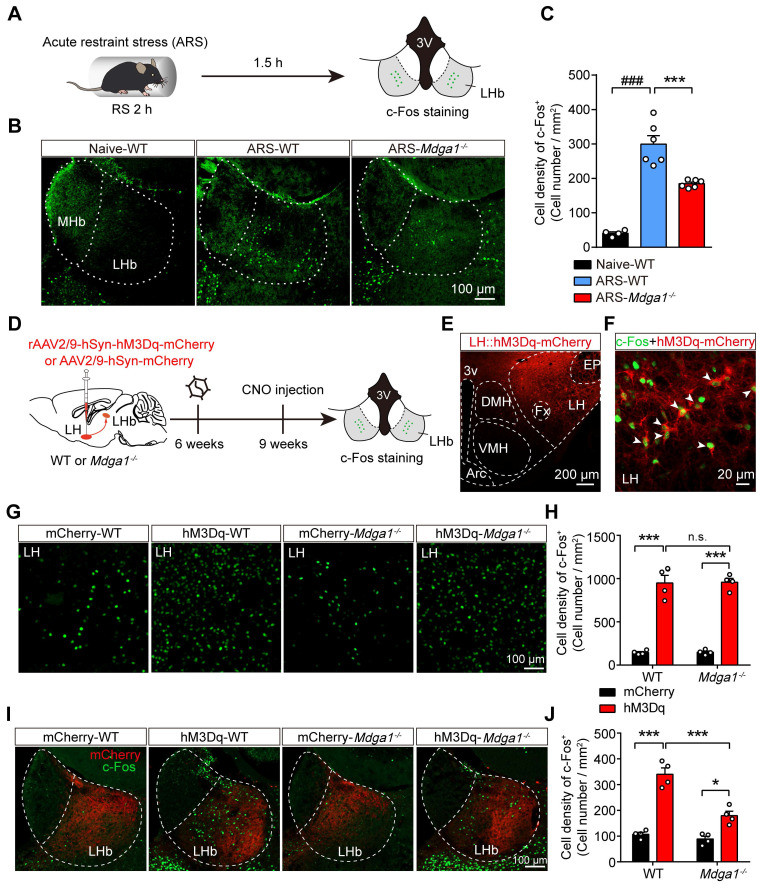
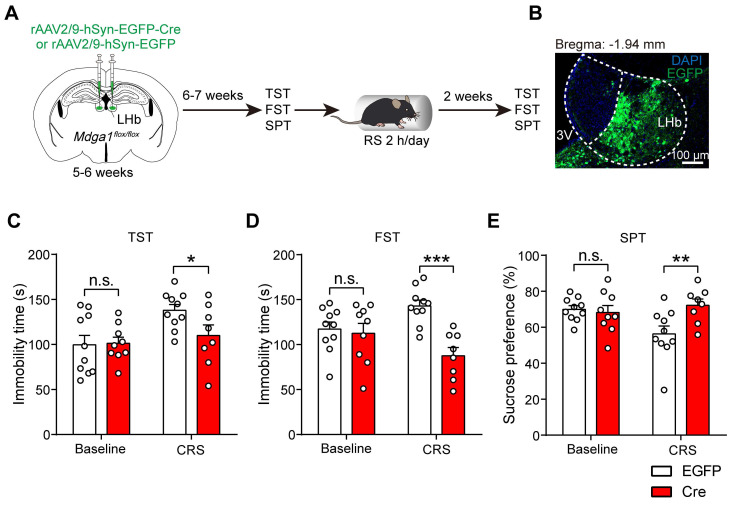
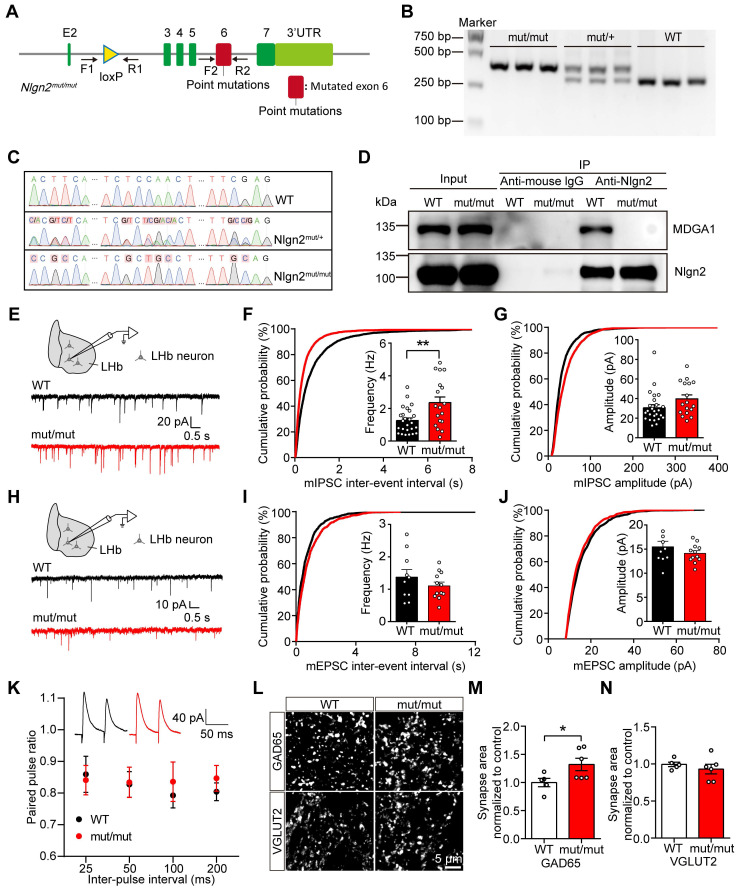
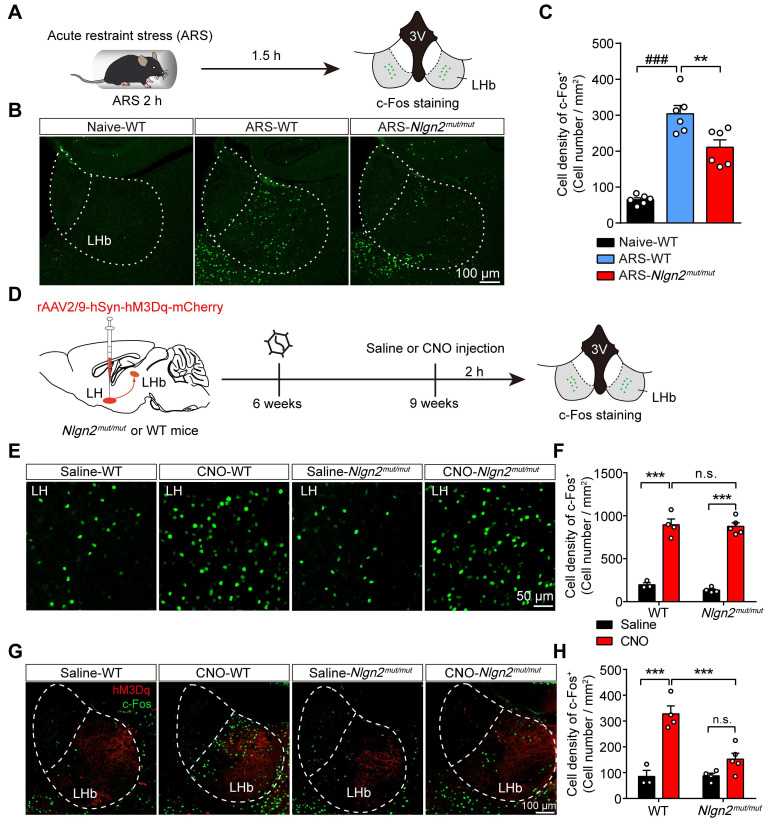
The hyperactivity of lateral habenula (LHb) has been implicated in the pathophysiology of depression, but the regulatory mechanisms of inhibitory synapses in this context remains unclear. MDGA1 and neuroligin2 (Nlgn2), both regulators of inhibitory synapses, selectively interact in the LHb. We aimed to investigate if their interaction contributes to chronic restrained stress (CRS)-induced depression by modulating inhibitory synapses. Transgenic mouse models were established to conditional knockout/recover of MDGA1 expression or knockin Nlgn2 variant incapable of binding MDGA1 in the LHb, using viral Cre-recombinase expression. Synaptic function and density were assessed through electrophysiology and immunostaining, respectively. An acute restrained stress (ARS) model and chemogenetic activation of the lateral hypothalamus (LH) were used to stimulate the LHb. Behavioral tests related to depression were conducted following CRS. MDGA1 and Nlgn2 selectively interacted in the LHb, which was elevated following CRS. Germline knockout of MDGA1 increased inhibitory transmission and GABAergic synapse density in the LHb, effects that were reversed by adult re-expression of MDGA1. Introduction of the Nlgn2 variant incapable of binding MDGA1 similarly enhanced inhibitory transmission and increased GABAergic synapse density in the LHb. Both germline MDGA1 deficiency and introduction of the Nlgn2 variant mitigated ARS- and LH activation-induced LHb neuron hyperactivation. MDGA1 deficiency in the LHb during adulthood increased inhibitory synaptic strength and conferred significant resistance to CRS-induced depressive behaviors, similar to the effects of introducing the Nlgn2 variant in the LHb. Our findings suggests that MDGA1-mediated suppression of Nlgn2 facilitates depression onset through limiting GABAergic synapse formation within the LHb. Targeting MDGA1/Nlgn2 complexes residing at GABAergic synapses within the lateral habenula may be viable for alleviating core behavioral symptoms of major depression.
外侧缰核(LHb)的功能亢进与抑郁症的病理生理学有关,但其在这一背景下抑制性突触的调节机制仍不清楚。MDGA1和神经连接蛋白2(Nlgn2)都是抑制性突触的调节因子,它们在LHb中选择性地相互作用。我们旨在研究它们的相互作用是否通过调节抑制性突触来促成慢性束缚应激(CRS)诱导的抑郁症。利用病毒Cre重组酶表达,建立转基因小鼠模型,以条件性敲除/恢复MDGA1的表达,或在LHb中敲入无法与MDGA1结合的Nlgn2变体。分别通过电生理学和免疫染色评估突触功能和密度。使用急性束缚应激(ARS)模型和下丘脑外侧区(LH)的化学遗传学激活来刺激LHb。在CRS后进行与抑郁症相关的行为测试。MDGA1和Nlgn2在LHb中选择性地相互作用,CRS后这种相互作用增强。MDGA1的种系敲除增加了LHb中的抑制性传递和GABA能突触密度,成年后重新表达MDGA1可逆转这些效应。引入无法与MDGA1结合的Nlgn2变体同样增强了LHb中的抑制性传递并增加了GABA能突触密度。MDGA1的种系缺陷和Nlgn2变体的引入均减轻了ARS和LH激活诱导的LHb神经元过度激活。成年期LHb中MDGA1的缺陷增加了抑制性突触强度,并赋予对CRS诱导的抑郁行为的显著抗性,类似于在LHb中引入Nlgn2变体的效果。我们的研究结果表明,MDGA1介导的对Nlgn2的抑制通过限制LHb内GABA能突触的形成促进抑郁症的发作。靶向位于外侧缰核内GABA能突触处的MDGA1/Nlgn2复合物可能对减轻重度抑郁症的核心行为症状可行。