Zhang Xiao, Yu Wei, Sun Yimeng, Ye Xinyu, He Yu, Huang Xin, Wang Fuhao, Lu Yi, Zhang Jian
School of Medicine, Southern University of Science and Technology, Shenzhen, Guangdong, China.
Joint Laboratory of Guangdong-Hong Kong Universities for Vascular Homeostasis and Diseases, School of Medicine, Southern University of Science and Technology, Shenzhen, Guangdong, China.
J Cell Mol Med. 2025 Feb;29(3):e70395. doi: 10.1111/jcmm.70395.
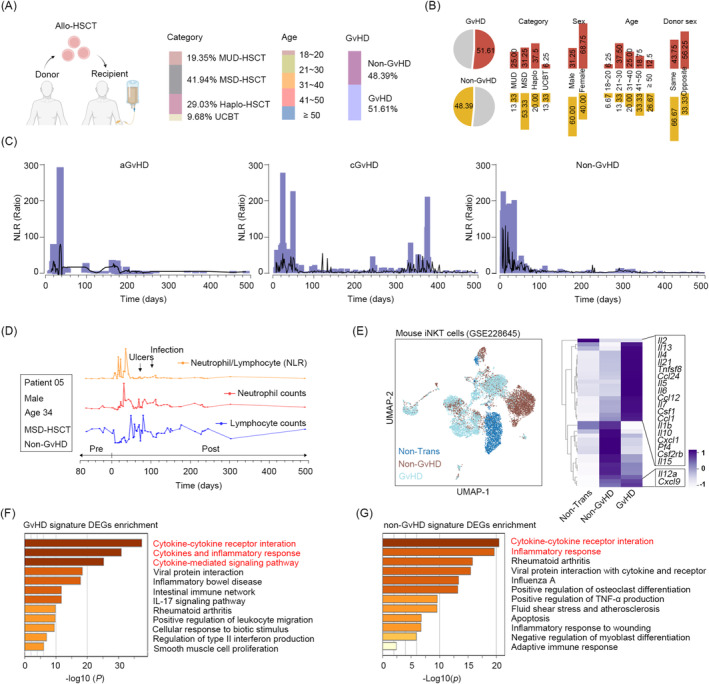
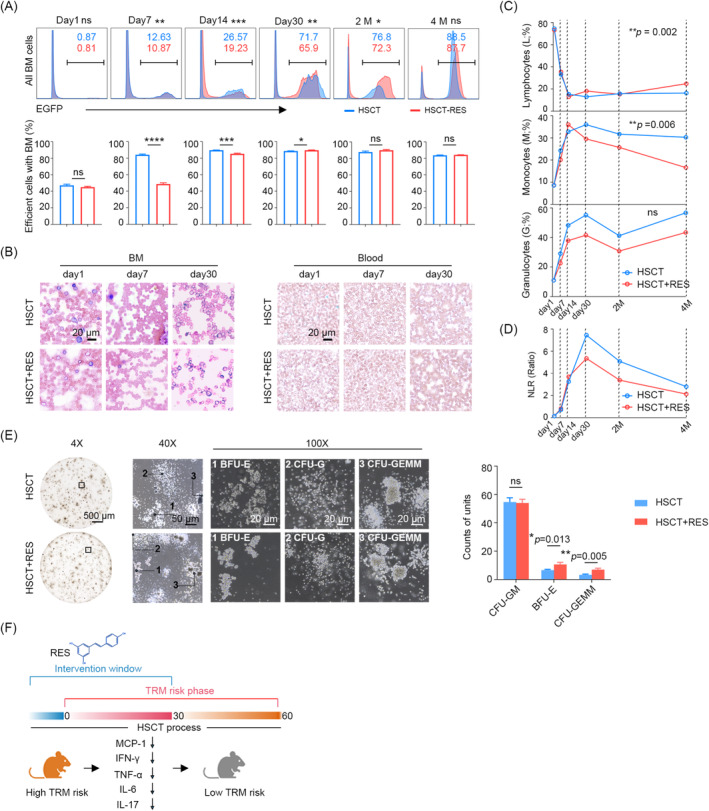
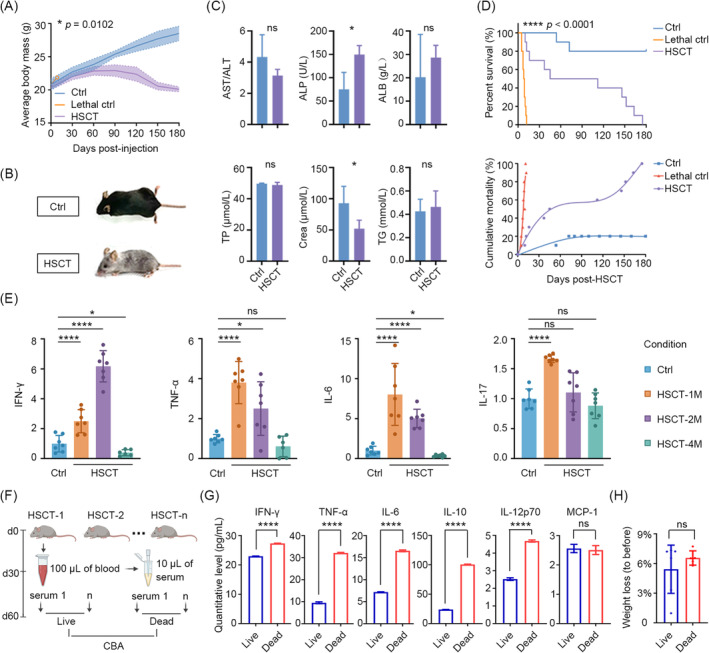
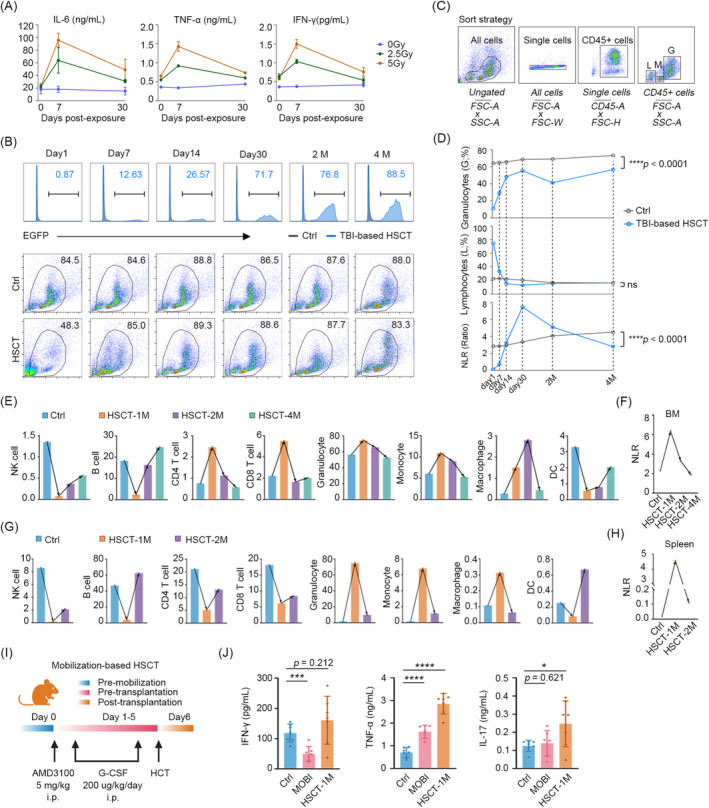
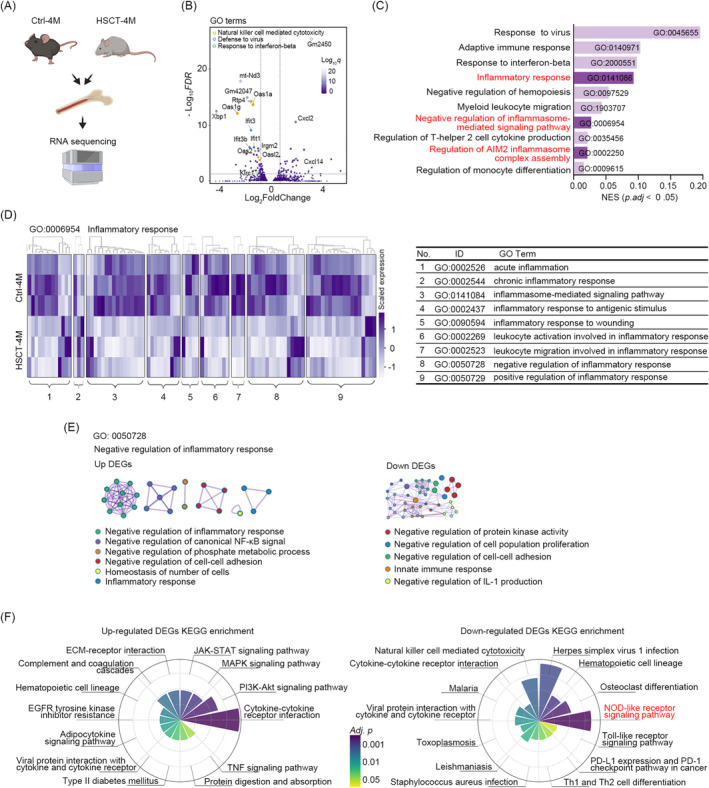
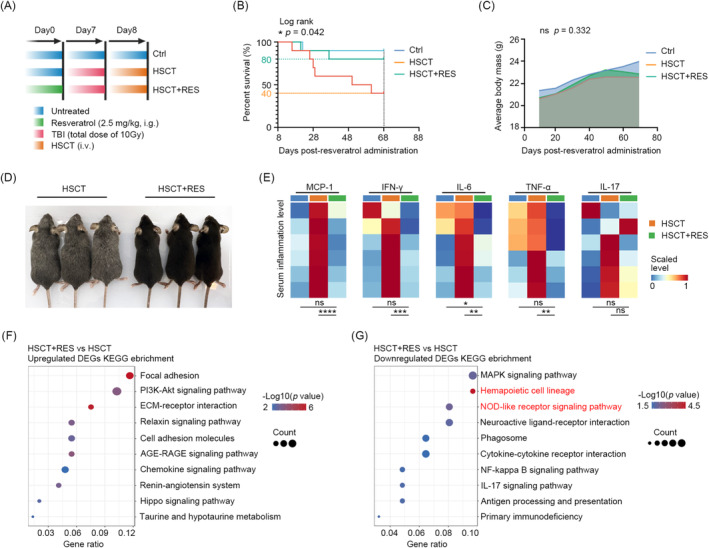
The occurrence of inflammation subsequent to haematopoietic stem cell transplantation is associated with an elevated risk of transplant-related mortality (TRM). However, the duration of inflammation and the potential efficacy of anti-inflammatory agents in reducing TRM remain uncertain. We performed a comprehensive investigation to examine the post-transplantation alterations of inflammatory mediators and to ascertain the correlation between inflammation level and TRM through the neutrophil-lymphocyte ratio, ELISAs and cytometric bead array. The findings revealed that the 30-day interval following transplantation is characterised by the most pronounced inflammatory response in both human and murine subjects, thereby elevating the risk of TRM. The inflammation is primarily caused by myeloid bias during haematopoietic reconstitution, which is a commonly overlooked aspect in clinical transplantation, additionally, a lesser extent of irradiation-induced injury. The administration of the anti-inflammatory agent resveratrol has the potential to reduce systemic inflammation and TRM by suppressing the NOD-like receptor signalling pathway and slowing down granulocyte implantation in HSCT mice. This approach did not impair the differentiation potential of haematopoietic stem cells. These findings demonstrate that the 30-day post-transplant period represents an opportunity to facilitate HSCT colonisation, mitigate transplant-related adverse effects, and potentially reap the benefits of anti-inflammatory treatments.
造血干细胞移植后炎症的发生与移植相关死亡率(TRM)升高有关。然而,炎症持续时间以及抗炎药物在降低TRM方面的潜在疗效仍不确定。我们进行了一项全面调查,以检查移植后炎症介质的变化,并通过中性粒细胞与淋巴细胞比率、酶联免疫吸附测定(ELISA)和细胞计数微球阵列确定炎症水平与TRM之间的相关性。研究结果显示,移植后的30天间隔期内,人类和小鼠受试者均表现出最明显的炎症反应,从而增加了TRM风险。炎症主要由造血重建过程中的髓系偏向引起,这是临床移植中一个常被忽视的方面,此外,还有程度较轻的辐射诱导损伤。给予抗炎药物白藜芦醇有可能通过抑制核苷酸结合寡聚化结构域样受体信号通路并减缓HSCT小鼠中的粒细胞植入来减轻全身炎症和TRM。这种方法不会损害造血干细胞的分化潜能。这些研究结果表明,移植后30天期间是促进HSCT定植、减轻移植相关不良反应并可能从抗炎治疗中获益的时机。