Yang Liuqing, Tang Hexiao, Wang Jin, Xu Dawei, Xuan Rui, Xie Songping, Xu Pengfei, Li Xinyi
Department of Anesthesiology, Zhongnan Hospital of Wuhan University, Wuhan, Hubei, 430071, China.
Hubei Provincial Engineering Research Center of Minimally Invasive Cardiovascular Surgery, Wuhan, China, 430071.
BMC Biol. 2025 Feb 4;23(1):32. doi: 10.1186/s12915-025-02126-w.
Lung ischemia-reperfusion (I/R) injury is a common clinical pathology associated with high mortality. The pathophysiology of lung I/R injury involves ferroptosis and elevated protein O-GlcNAcylation levels, while the effect of O-GlcNAcylation on lung I/R injury remains unclear. This research aimed to explore the effect of O-GlcNAcylation on reducing ferroptosis in pulmonary epithelial cells caused by I/R.
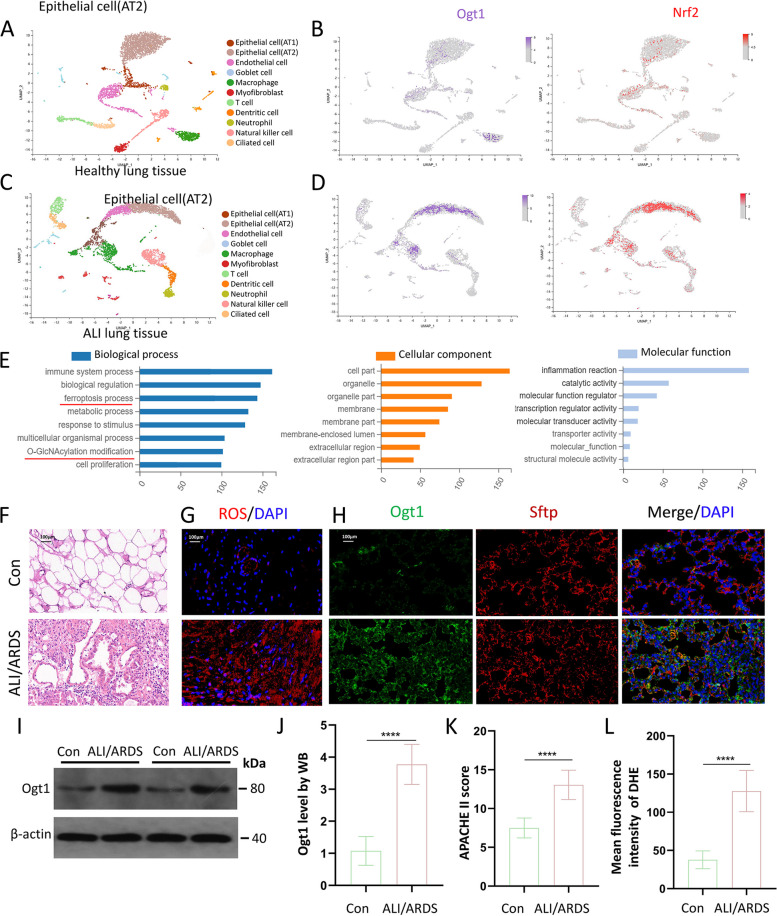
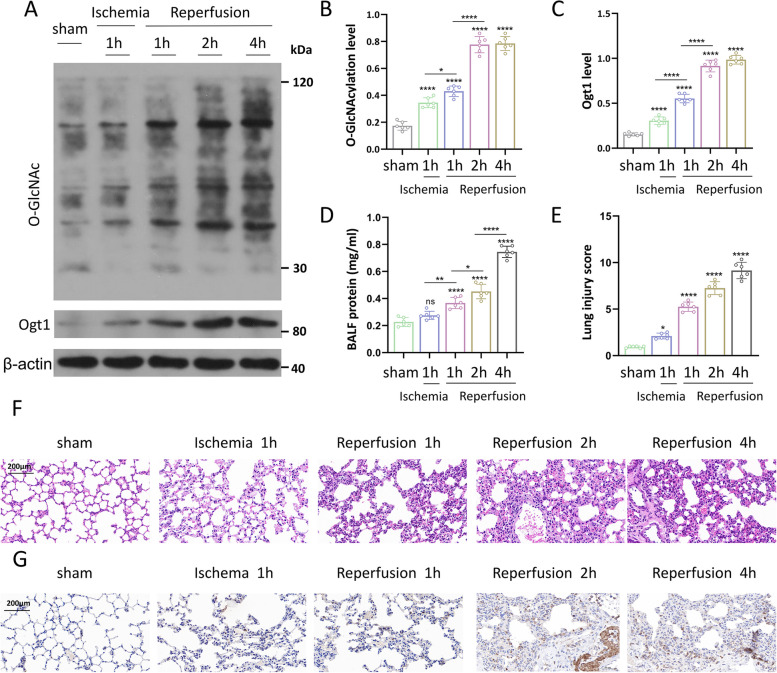
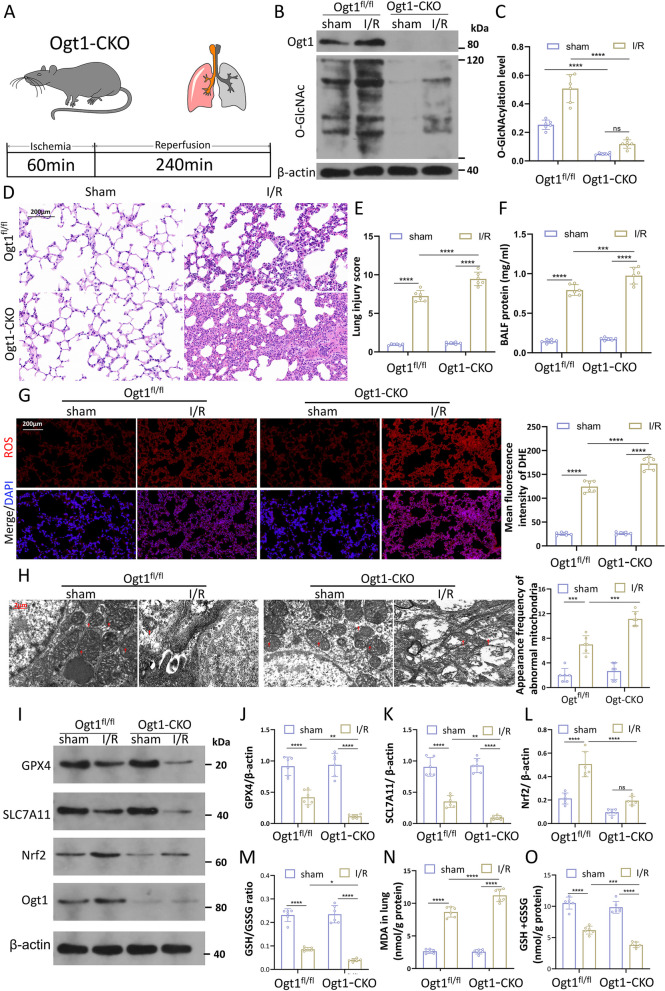
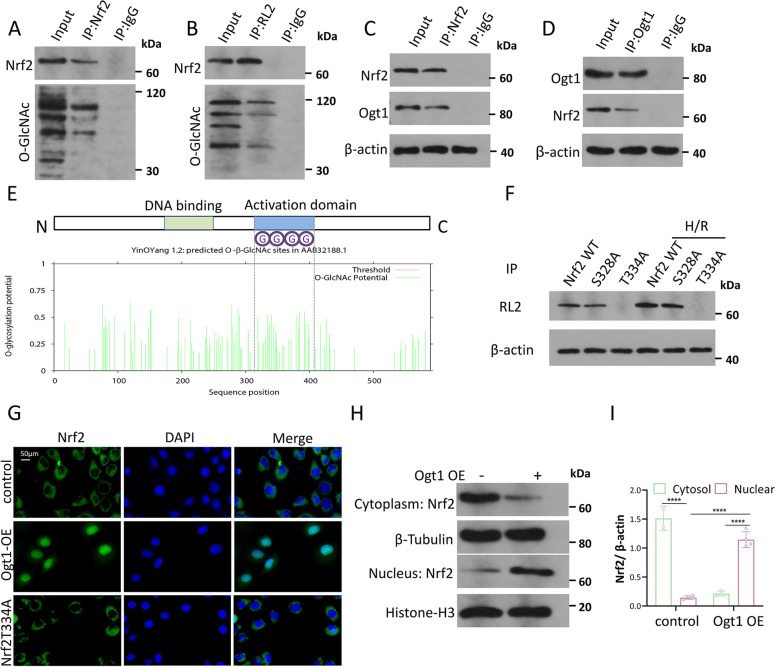
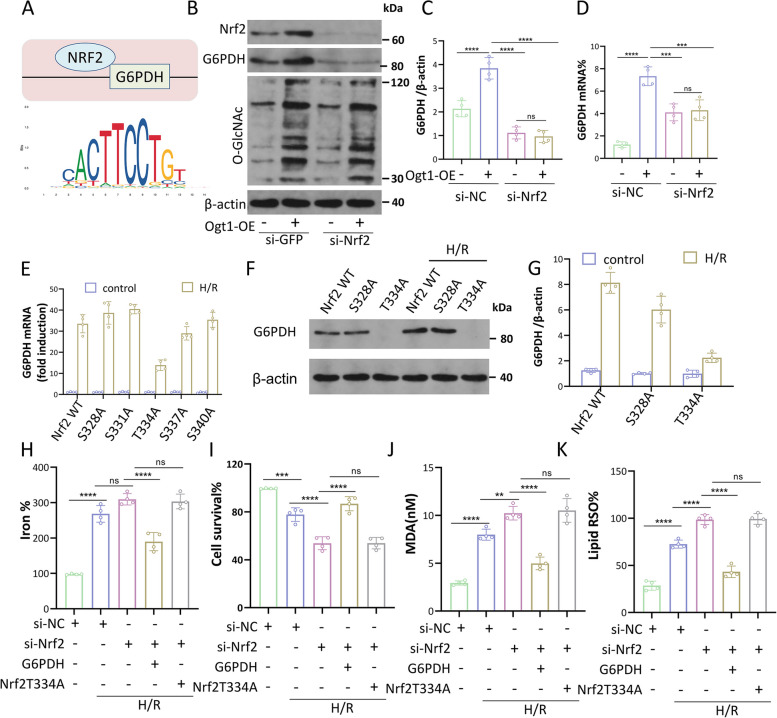
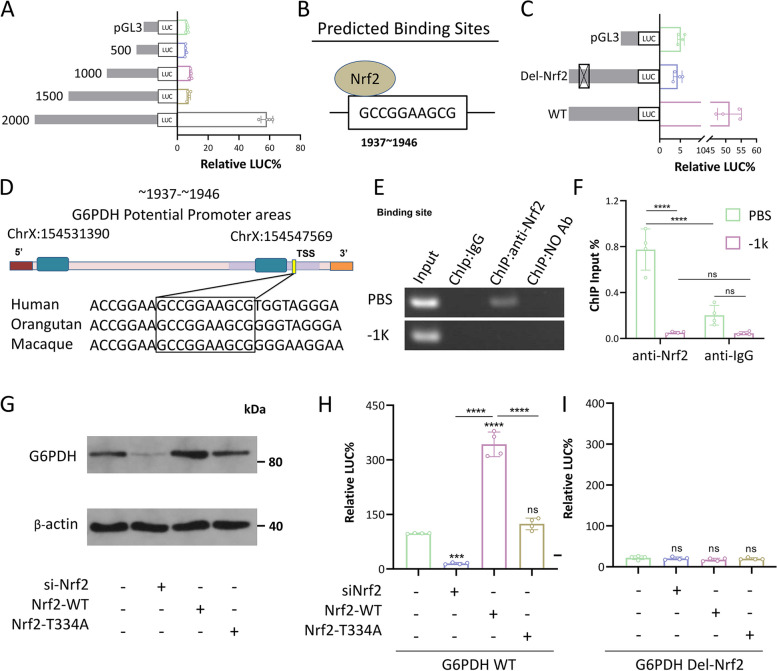
First, we identified O-GlcNAc transferase 1 (Ogt1) as a differentially expressed gene in lung epithelial cells of acute lung injury/acute respiratory distress syndrome (ALI/ARDS) patients, using single-cell sequencing, and Gene Ontology analysis (GO analysis) revealed the enrichment of the ferroptosis process. We found a time-dependent dynamic alteration in lung O-GlcNAcylation during I/R injury. Proteomics analysis identified the differentially expressed proteins enriched in ferroptosis and multiple redox-related pathways based on KEGG annotation. Thus, we generated Ogt1-conditional knockout mice and found that Ogt1 deficiency aggravated ferroptosis, as evidenced by lipid reactive oxygen species (lipid ROS), malondialdehyde (MDA), Fe, as well as alterations in critical protein expression glutathione peroxidase 4 (GPX4) and solute carrier family 7 member 11 (SLC7A11). Consistently, we found that elevated O-GlcNAcylation inhibited ferroptosis sensitivity in hypoxia/reoxygenation (H/R) injury-induced TC-1 cells via O-GlcNAcylated NF-E2-related factor-2 (Nrf2). Furthermore, both the chromatin immunoprecipitation (ChIP) assay and the dual-luciferase reporter assay indicated that Nrf2 could bind with translation start site (TSS) of glucose-6-phosphate dehydrogenase (G6PDH) and promote its transcriptional activity. As an important rate-limiting enzyme in the pentose phosphate pathway (PPP), elevated G6PDH provided a mass of nicotinamide adenine dinucleotide phosphate (NADPH) to improve the redox state of glutathione (GSH) and eventually led to ferroptosis resistance. Rescue experiments proved that Nrf2 knockdown or Nrf2-T334A (O-GlcNAcylation site) mutation abolished the protective effect of ferroptosis resistance.
In summary, we revealed that O-GlcNAcylation could protect against I/R lung injury by reducing ferroptosis sensitivity via the Nrf2/G6PDH pathway. Our work will provide a new basis for clinical therapeutic strategies for pulmonary ischemia-reperfusion-induced acute lung injury.
肺缺血再灌注(I/R)损伤是一种常见的临床病理现象,死亡率较高。肺I/R损伤的病理生理学涉及铁死亡和蛋白O-连接的N-乙酰葡糖胺(O-GlcNAc)化水平升高,而O-GlcNAc化对肺I/R损伤的影响尚不清楚。本研究旨在探讨O-GlcNAc化对减轻I/R所致肺上皮细胞铁死亡的作用。
首先,我们通过单细胞测序鉴定出O-连接的N-乙酰葡糖胺转移酶1(Ogt1)是急性肺损伤/急性呼吸窘迫综合征(ALI/ARDS)患者肺上皮细胞中的差异表达基因,基因本体分析(GO分析)显示铁死亡过程富集。我们发现I/R损伤期间肺O-GlcNAc化存在时间依赖性动态变化。蛋白质组学分析基于KEGG注释鉴定出在铁死亡和多个氧化还原相关途径中富集的差异表达蛋白。因此,我们构建了Ogt1条件性敲除小鼠,发现Ogt1缺陷加重了铁死亡,脂质活性氧(lipid ROS)、丙二醛(MDA)、铁以及关键蛋白谷胱甘肽过氧化物酶4(GPX4)和溶质载体家族7成员11(SLC7A11)表达的改变均证明了这一点。一致地,我们发现O-GlcNAc化水平升高通过O-GlcNAc化的核因子E2相关因子2(Nrf2)抑制缺氧/复氧(H/R)损伤诱导的TC-1细胞中的铁死亡敏感性。此外,染色质免疫沉淀(ChIP)试验和双荧光素酶报告试验均表明Nrf2可与葡萄糖-6-磷酸脱氢酶(G6PDH)的翻译起始位点(TSS)结合并促进其转录活性。作为磷酸戊糖途径(PPP)中的一种重要限速酶,G6PDH水平升高提供了大量烟酰胺腺嘌呤二核苷酸磷酸(NADPH)以改善谷胱甘肽(GSH)的氧化还原状态,最终导致铁死亡抗性。挽救实验证明,Nrf2敲低或Nrf2-T334A(O-GlcNAc化位点)突变消除了铁死亡抗性的保护作用。
总之,我们揭示了O-GlcNAc化可通过Nrf2/G6PDH途径降低铁死亡敏感性,从而保护肺免受I/R损伤。我们的工作将为肺缺血再灌注诱导的急性肺损伤的临床治疗策略提供新的依据。