Blanco Mendana Jorge, Donovan Margaret, O'Brien Lindsey Gengelbach, Auch Benjamin, Garbe John, Gohl Daryl M
University of Minnesota Genomics Center, Minneapolis, Minneapolis, United States.
Department of Genetics, Cell Biology, and Development, University of Minnesota, Minneapolis, United States.
Elife. 2025 Feb 5;12:RP88334. doi: 10.7554/eLife.88334.
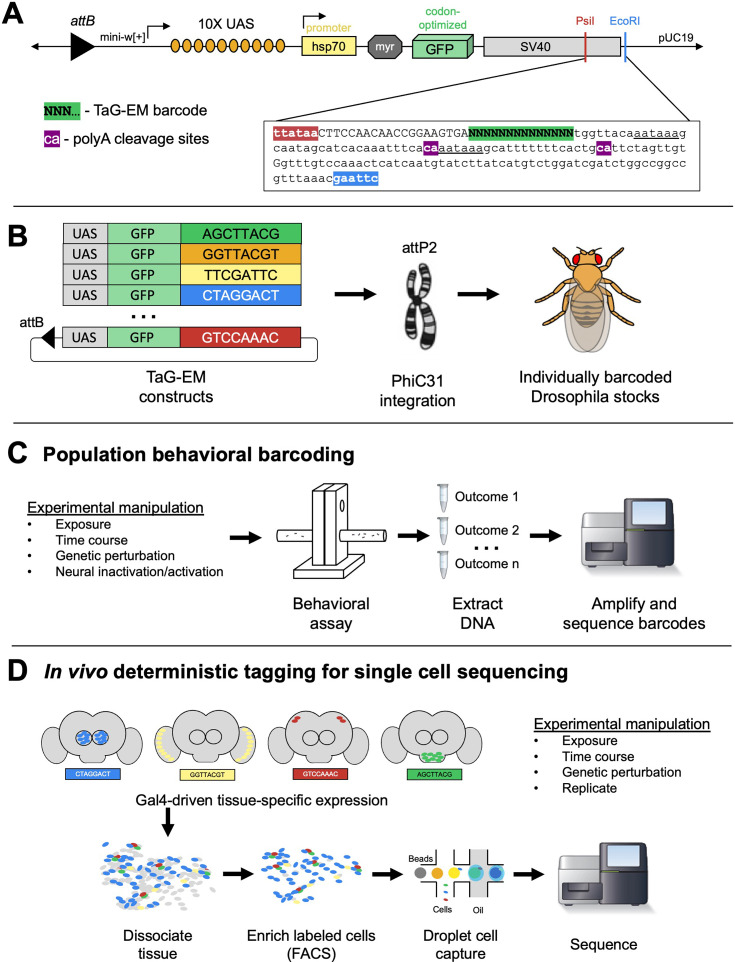
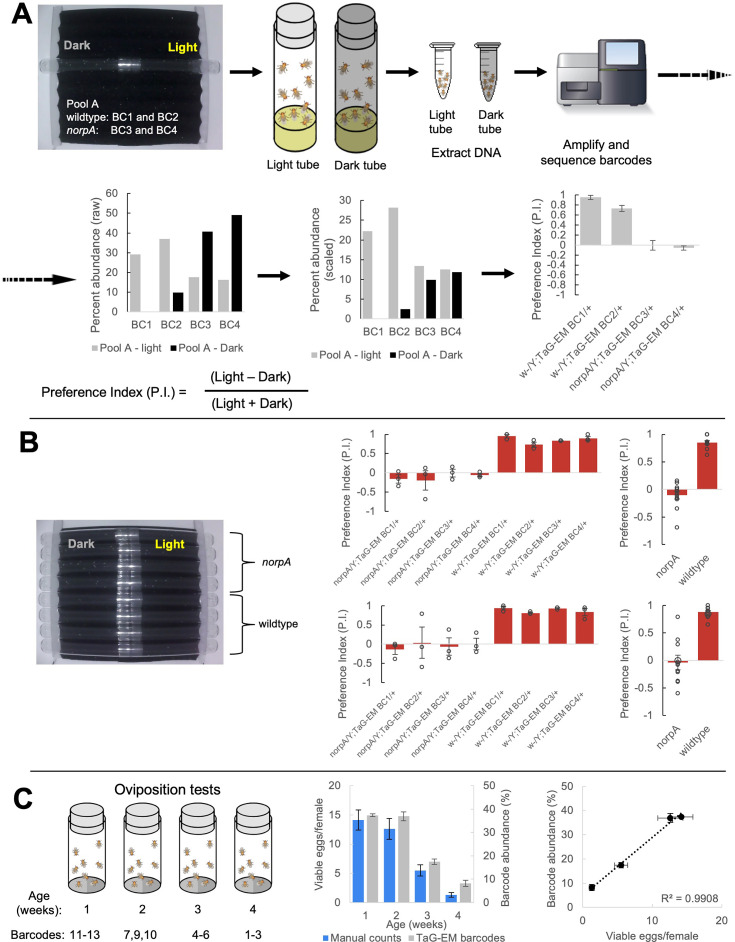
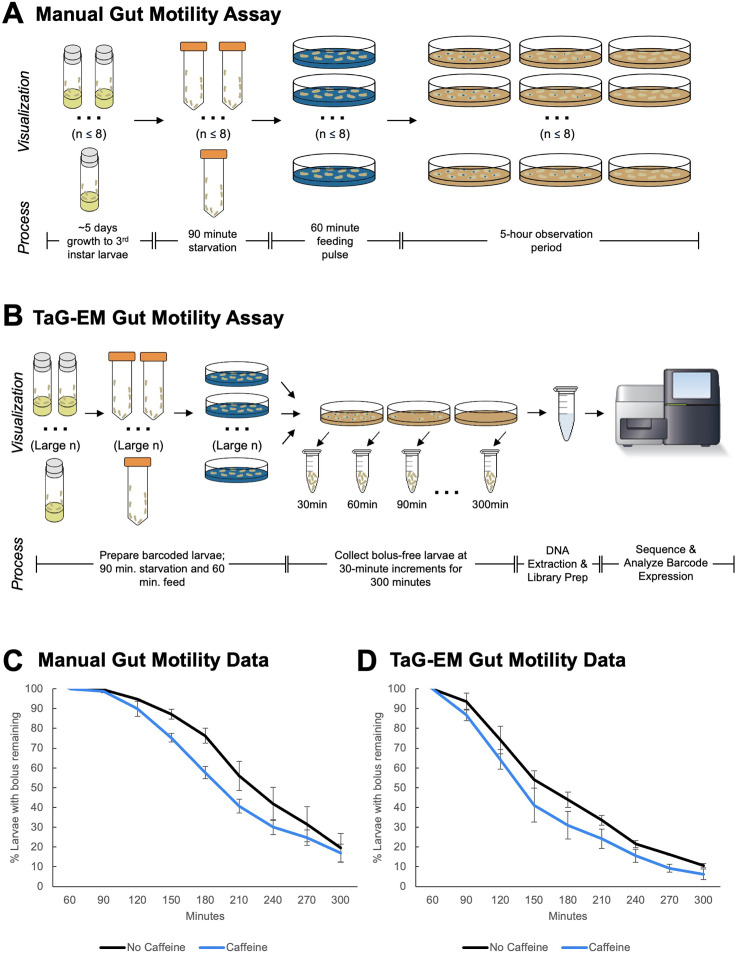
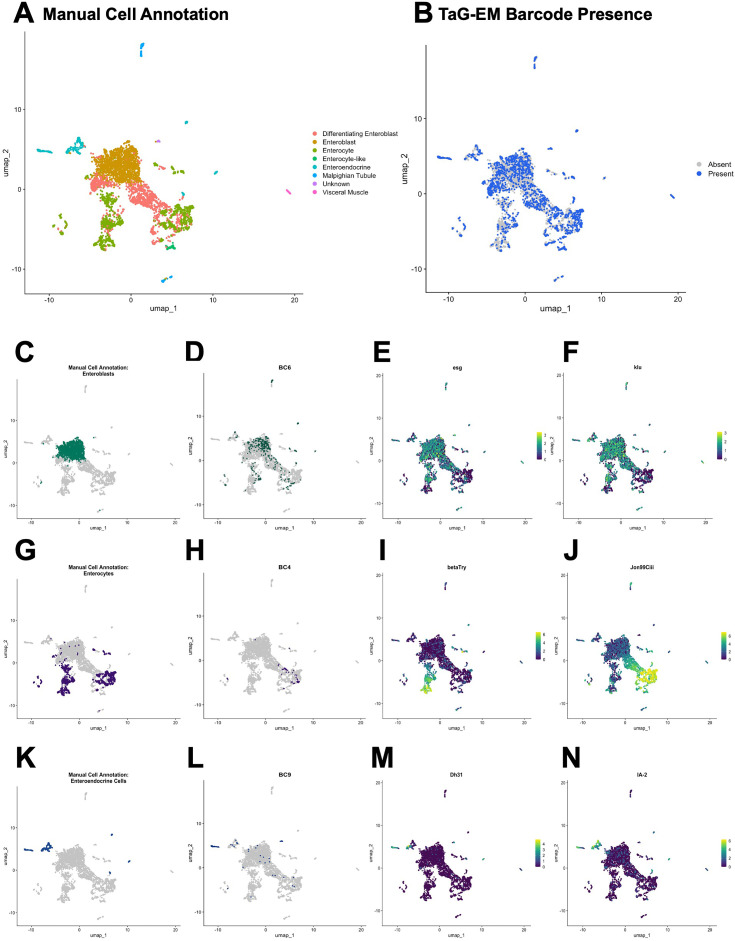
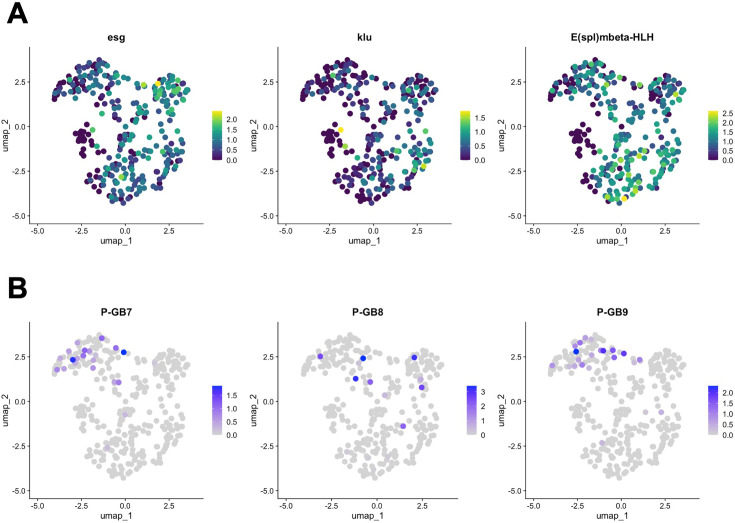
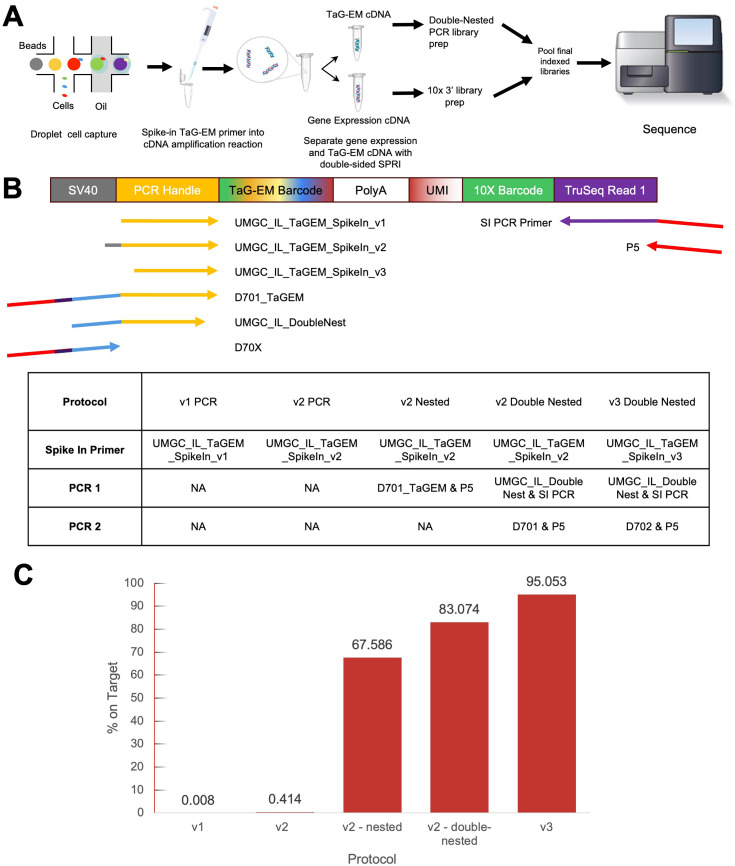
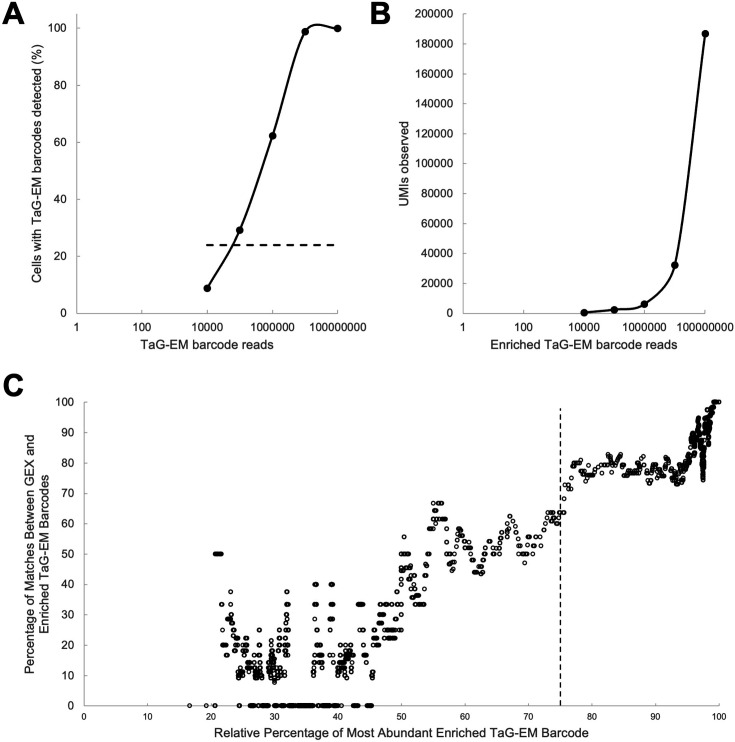
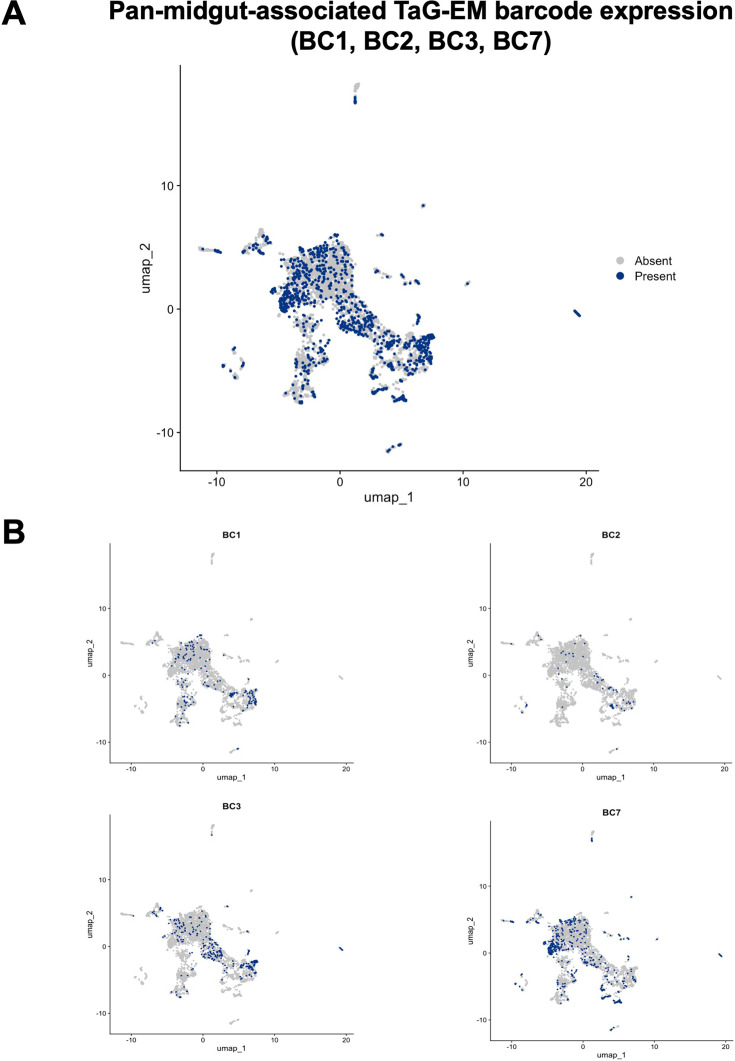
Advances in single-cell sequencing technologies have provided novel insights into the dynamics of gene expression and cellular heterogeneity within tissues and have enabled the construction of transcriptomic cell atlases. However, linking anatomical information to transcriptomic data and positively identifying the cell types that correspond to gene expression clusters in single-cell sequencing data sets remains a challenge. We describe a straightforward genetic barcoding approach that takes advantage of the powerful genetic tools in to allow in vivo tagging of defined cell populations. This method, called rgeted enetically-ncoded ultiplexing (TaG-EM), involves inserting a DNA barcode just upstream of the polyadenylation site in a Gal4-inducible construct so that the barcode sequence can be read out during single-cell sequencing, labeling a cell population of interest. By creating many such independently barcoded fly strains, TaG-EM enables positive identification of cell types in cell atlas projects, identification of multiplet droplets, and barcoding of experimental timepoints, conditions, and replicates. Furthermore, we demonstrate that TaG-EM barcodes can be read out using next-generation sequencing to facilitate population-scale behavioral measurements. Thus, TaG-EM has the potential to enable large-scale behavioral screens in addition to improving the ability to multiplex and reliably annotate single-cell transcriptomic experiments.
单细胞测序技术的进步为深入了解组织内基因表达动态和细胞异质性提供了新视角,并推动了转录组细胞图谱的构建。然而,将解剖学信息与转录组数据相联系,以及在单细胞测序数据集中准确识别与基因表达簇相对应的细胞类型,仍然是一项挑战。我们描述了一种简单的遗传条形码方法,该方法利用强大的遗传工具对特定细胞群体进行体内标记。这种方法称为靶向基因编码多重标记(TaG-EM),包括在Gal4诱导型构建体的多聚腺苷酸化位点上游插入一个DNA条形码,以便在单细胞测序过程中读出条形码序列,从而标记感兴趣的细胞群体。通过创建许多这样独立条形码标记的果蝇品系,TaG-EM能够在细胞图谱项目中准确识别细胞类型、识别多重液滴,并对实验时间点、条件和重复样本进行条形码标记。此外,我们证明可以使用下一代测序读出TaG-EM条形码,以促进群体规模的行为测量。因此,TaG-EM除了提高多重分析和可靠注释单细胞转录组实验的能力外,还具有实现大规模行为筛选的潜力。