Gasparoto Antonio Luiz Dal Bello, Graeff Samara Vilas-Bôas, de Souza Santiago Wellyngton Matheus, da Silva Danielle Gomes, Dos Santos Thaynara Azevedo, Paulino Leandro Martin, Fava Wellington Santos, Reis Fernanda Paes, Stutz Claudia, de Oliveira França Adriana, Guerrero Moureau Ana Tereza Gomes, Montalbano Camila Amato, Lemos Everton Ferreira, Gonçalves Crhistinne Cavalheiro Maymone, Júnior Carlos Alberto Bento, Dallacqua Rodrigo Pires, Croda Julio, Lorenz Aline Pedroso, Souza Cristina, Martins Taynara Nogueira, da Silva Kassia Roberta Nogueira, Ferreira Alda Maria Teixeira, Negri Adriana Carla Garcia, Paniago Anamaria Mello Miranda, Motta-Castro Ana Rita Coimbra, Venturini James, da Costa Marques Ana Paula, do Valle Leone de Oliveira Sandra Maria
Universidade Federal de Mato Grosso do sul, Campo Grande, MS, 79070-900, Brazil.
Fundação Oswaldo Cruz (Fiocruz) - Ceará and Programa de Pós-Graduação em Ciências Farmacêuticas, Faculdade de Ciências Farmacêuticas, Alimentos e Nutrição (FACFAN), Fundação Universidade Federal de Mato Grosso do Sul (UFMS), Eusébio, CE, 61773-270, Brazil.
Hum Resour Health. 2025 Feb 11;23(1):8. doi: 10.1186/s12960-024-00968-z.
Understanding the dynamics of SARS-CoV-2 viral infection and factors associated with in-hospital transmission rates among healthcare workers (HCW) is crucial for their protection. Brazil experienced high mortality rates due to COVID-19, and limited data are available on transmission of SARS-CoV-2 infection among HCW. This cohort study aimed to assess the dynamic of SARS-CoV-2 infections in HCW from two tertiary hospitals in central Brazil, one of them a Reference Hospital for COVID-19.
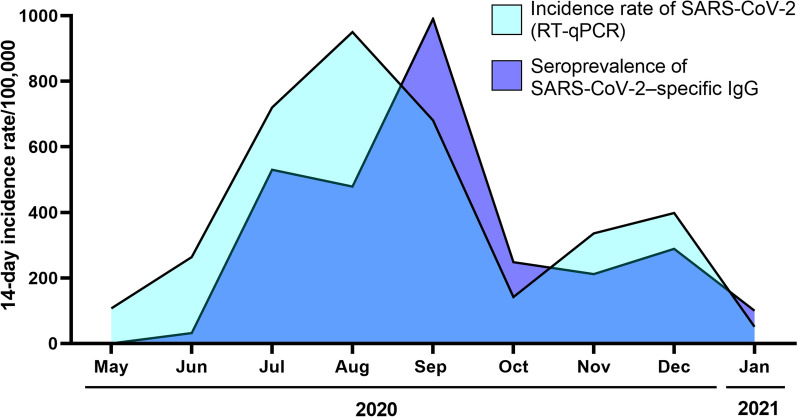
From May 2020 to January 2021, 554 HCW directly involved with COVID-19 care were followed through 12 biweekly visits. During these visits, blood, nasal, and oropharyngeal samples were collected, and participants underwent interviews. SARS-CoV-2 detection was carried out using RT-qPCR, while the assessment of seroprevalence was based on IgG detection. Additionally, 35 positive samples underwent viral whole-genome sequencing.
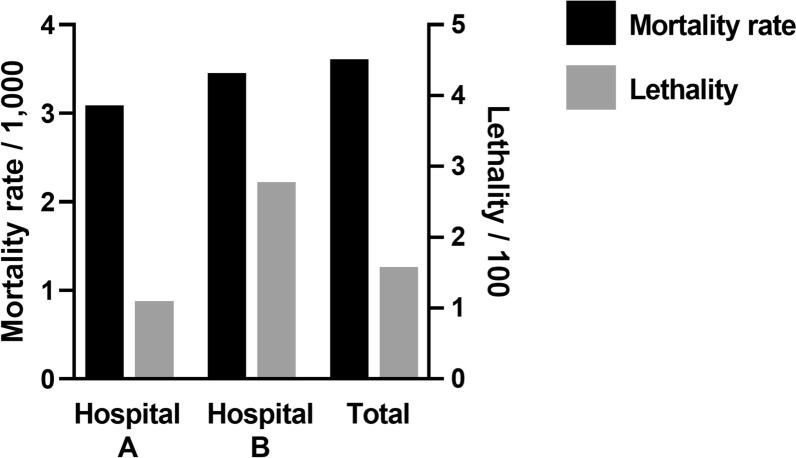
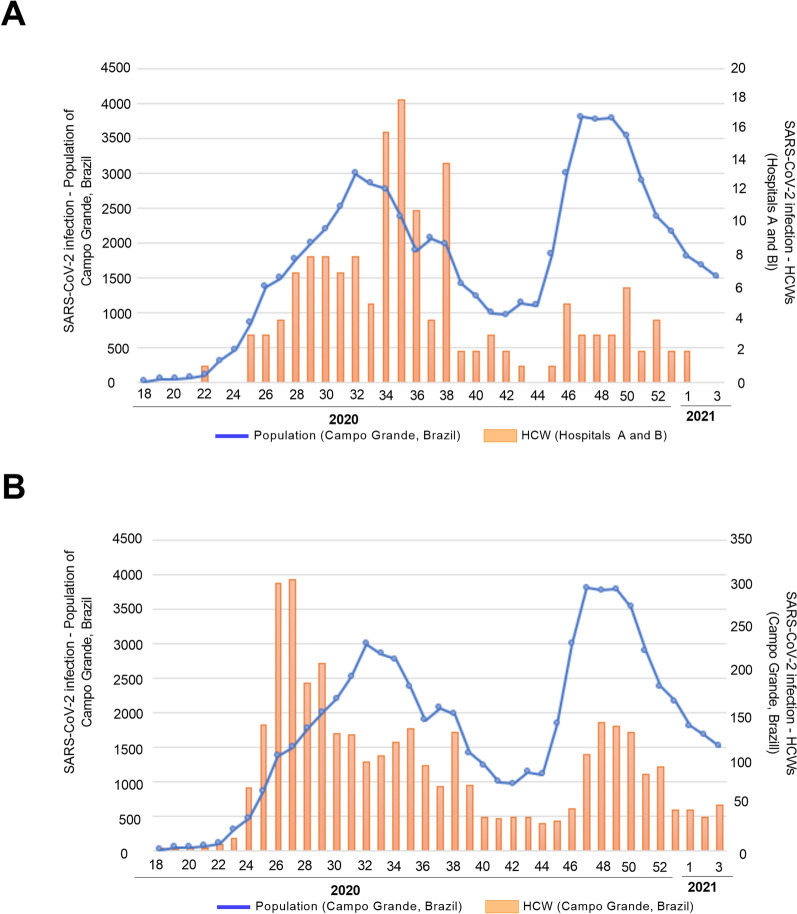
The infection prevalence, as per RT-qPCR, was 28.5% (24.9-32.4), reflecting an overall attack rate ranging from 0.5% to 9.5%, marked by two peaks in August and December 2020. Oligosymptomatic and asymptomatic infections accounted for 14% of prevalent infections. The seroprevalence rate stood at 25.8%. The hospitalization rate was 8.2%, with a fatality rate of 1.3%. Risk factors associated with a positive diagnosis of COVID-19 included being male, working at the referral hospital, having a graduate-education level, and using hydroxychloroquine and zinc for prevention or treatment. One reinfection was identified. Absenteeism was 56.6%. The infection dynamics mirrored the pattern observed in the general population.
One-third of the professionals in the followed cohort were infected. Being male, working in a COVID-19 referral center, having a low level of education, and using medications for preventive treatment represented risk factors. Healthcare workers at the COVID-19 referral hospital exhibited a higher incidence rate compared to those at the non-referral hospital, increasing the plausibility that some of the infections occur in the hospital environment.
了解严重急性呼吸综合征冠状病毒2(SARS-CoV-2)病毒感染的动态变化以及与医护人员(HCW)院内传播率相关的因素对于保护他们至关重要。巴西因2019冠状病毒病(COVID-19)导致了高死亡率,而关于SARS-CoV-2在医护人员中传播的数据有限。这项队列研究旨在评估巴西中部两家三级医院(其中一家是COVID-19参考医院)医护人员中SARS-CoV-2感染的动态变化。
从2020年5月至2021年1月,对554名直接参与COVID-19护理的医护人员进行了12次每两周一次的随访。在这些随访期间,采集血液、鼻腔和口咽样本,并对参与者进行访谈。使用逆转录定量聚合酶链反应(RT-qPCR)进行SARS-CoV-2检测,而血清阳性率评估基于免疫球蛋白G(IgG)检测。此外,对35份阳性样本进行了病毒全基因组测序。
根据RT-qPCR检测,感染患病率为28.5%(24.9 - 32.4),反映出总体感染率在0.5%至9.5%之间,在2020年8月和12月出现两个峰值。症状轻微和无症状感染占流行感染的14%。血清阳性率为25.8%。住院率为8.2%,死亡率为1.3%。与COVID-19阳性诊断相关的风险因素包括男性、在转诊医院工作、具有研究生学历以及使用羟氯喹和锌进行预防或治疗。发现了1例再次感染。缺勤率为56.6%。感染动态变化反映了在普通人群中观察到的模式。
在随访队列中,三分之一的专业人员被感染。男性、在COVID-19转诊中心工作、教育程度低以及使用预防性治疗药物是风险因素。与非转诊医院的医护人员相比,COVID-19转诊医院的医护人员发病率更高,这增加了一些感染发生在医院环境中的可能性。