Pandit Maharaj K
Residential College 4, National University of Singapore, 6, College Avenue East, Singapore-138614, Singapore.
NPJ Biodivers. 2025 Feb 12;4(1):4. doi: 10.1038/s44185-025-00075-9.
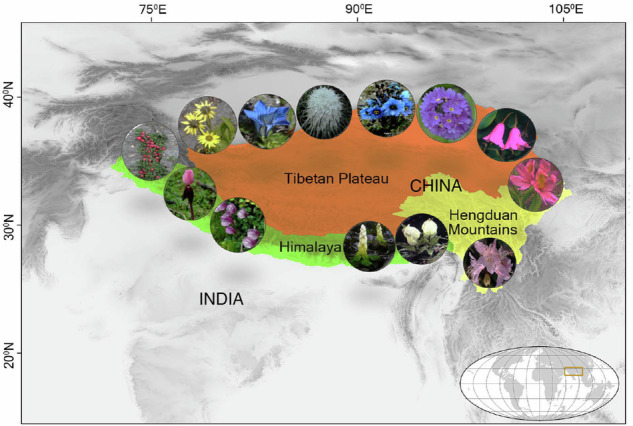
Mountains, which constitute the majority of global biodiversity hotspots, are most vulnerable to ecosystem collapse due to various natural and anthropogenic stressors. Notably, over 90% of geopolitical conflicts have unfolded in the regions with global biodiversity hotspots. The Himalaya, Tibet and Hengduan (HTH) mountains are apt examples where climate change meets geopolitical conflict and militarization. Here, I advance a fresh proposal and hope that the neighbouring nations could bring to bear the neutrality of transboundary conservation areas, as part of their diplomatic tools, to broker a lasting peace. The proposal advocates establishing a Greater Himalayan Peace Reserve (GHPR) for posterity and regional ecological and economic security. The proposed reserve embraces the HTH mountains embodying some of the most biodiverse regions of the earth. These mountains also play a central role in controlling regional climate, water security and agricultural productivity of South and Southeast Asia. The GHPR is envisaged to be a potential regional platform for conservation diplomacy, and a model foundational framework for global sustainability and peace.
山脉构成了全球大部分生物多样性热点地区,由于各种自然和人为压力源,它们最容易受到生态系统崩溃的影响。值得注意的是,超过90%的地缘政治冲突发生在全球生物多样性热点地区。喜马拉雅、西藏和横断山脉(HTH)就是气候变化与地缘政治冲突和军事化交织的典型例子。在此,我提出一项新建议,希望邻国能够利用跨界保护区的中立性,将其作为外交工具之一,促成持久和平。该建议主张为子孙后代以及地区生态和经济安全建立一个大喜马拉雅和平保护区(GHPR)。提议设立的保护区涵盖HTH山脉,这里是地球上生物多样性最丰富的一些地区。这些山脉在控制南亚和东南亚地区气候、水安全和农业生产力方面也发挥着核心作用。GHPR预计将成为保护外交的潜在区域平台,以及全球可持续发展与和平的典范基础框架。