
牙科修复体生产中使用的BioHPP和Biocetal性能参数比较 - 第二部分:物理化学和微生物学测试:一项体外研究
Comparison of the Performance Parameters of BioHPP and Biocetal Used in the Production of Prosthetic Restorations in Dentistry-Part II: Physicochemical and Microbiological Tests: An In Vitro Study.
作者信息
Kowalski Robert, Frąckiewicz Wojciech, Kwiatkowska Magdalena, Adamiak Marcin, Pruss Agata, Sobolewska Ewa
机构信息
Department of Dental Prosthetics, Faculty of Medicine and Dentistry, Pomeranian Medical University in Szczecin, Av. Powstańców Wlkp. 72, 70-111 Szczecin, Poland.
Ra-Dent Stomatologia Protetyka, Bolesława Krzywoustego Street 19/5, 70-252 Szczecin, Poland.
出版信息
Materials (Basel). 2025 Jan 23;18(3):519. doi: 10.3390/ma18030519.
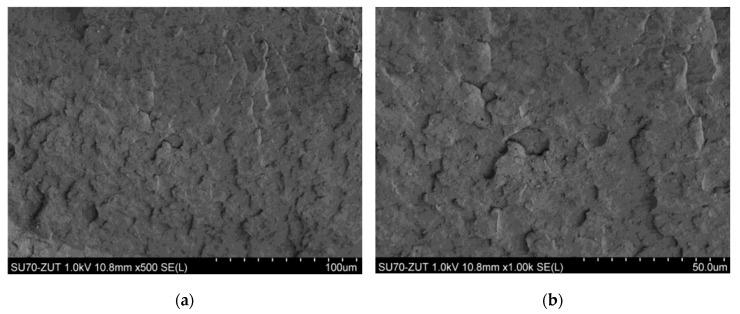
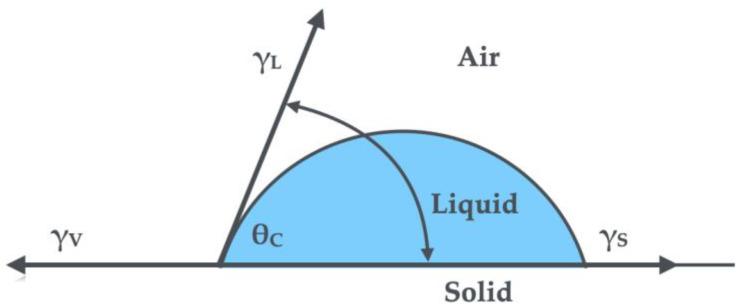
The natural aging process of the human organism leads to both physiological and pathological changes, including tooth loss. This requires dental prosthetic interventions aimed at restoring patients' quality of life. The use of such prostheses necessitates selection of sufficiently strong, aesthetic and biocompatible materials, which also offer ease of shaping. The market for materials used in prosthetic applications offers a wide array of options; however, selection of the most suitable material for specific clinical scenarios can be challenging for dental professionals. This paper continues the comprehensive investigation of the physiochemical and mechanical/functional properties of two commonly used prosthetic-Biocetal and BioHPP-offering a comparative analysis of their characteristics to provide valuable insights for dentists and prosthodontists. The study focuses on in vitro analyses of physiochemical parameters, including density, water sorption, contact angle, and surface roughness. The structure of the materials was examined via scanning electron microscopy. Additionally, microbiological studies were performed using strains of , , , and . Statistical analysis was performed using Shapiro-Wilk test, Q-Q plot analysis, Grubbs test, and Student's T-test ( < 0.05). The findings indicate that BioHPP demonstrates superior physiochemical and microbiological properties. However, Biocetal exhibit better surface characteristics. Despite its high performance, BioHPP presents certain drawbacks, which may influence dentists' material choice in specific clinical cases, particularly for certain prosthetic restorations.
人体机体的自然老化过程会导致生理和病理变化,包括牙齿脱落。这就需要进行牙齿修复干预,以恢复患者的生活质量。使用此类修复体需要选择足够坚固、美观且生物相容性好的材料,这些材料还应易于塑形。修复应用中使用的材料市场提供了广泛的选择;然而,为特定临床情况选择最合适的材料对牙科专业人员来说可能具有挑战性。本文继续对两种常用修复材料——Biocetal和BioHPP——的物理化学和机械/功能特性进行全面研究,对它们的特性进行比较分析,为牙医和修复专家提供有价值的见解。该研究侧重于对物理化学参数进行体外分析,包括密度、吸水率、接触角和表面粗糙度。通过扫描电子显微镜检查材料的结构。此外,使用 、 、 、 和 的菌株进行了微生物学研究。使用夏皮罗-威尔克检验、Q-Q图分析、格拉布斯检验和学生t检验( < 0.05)进行统计分析。研究结果表明,BioHPP表现出优异的物理化学和微生物学特性。然而,Biocetal具有更好的表面特性。尽管BioHPP性能优异,但它也存在某些缺点,这可能会影响牙医在特定临床病例中的材料选择,特别是对于某些修复体。


 Zotero 插件