Hossain Md Khalid, Sutanto Juliana, Handayani Putu Wuri, Haryanto Anasthasia Agnes, Bhowmik Joy, Frings-Hessami Viviane
Department of Human Centred Computing, Monash University, Melbourne, VIC, Australia.
Faculty of Computer Science, University of Indonesia, Depok, West Java, Indonesia.
BMC Health Serv Res. 2025 Feb 14;25(1):249. doi: 10.1186/s12913-025-12399-0.
The digitization of healthcare, through electronic medical records (EMRs), is recognized globally as a transformative initiative. Indonesia mandated all healthcare facilities to adopt EMRs by December 31, 2023. However, this transition is complicated by diverse technological, cultural, and infrastructural challenges, with little research addressing the recordkeeping culture's impact on EMR adoption. This study investigates the electronic recordkeeping culture in Indonesian hospitals following a government mandate to adopt Electronic Medical Records (EMRs). It aims to understand the readiness and challenges in implementing EMRs across hospitals on Java and Sulawesi islands, focusing on infrastructure, staff digital skills, and varied adoption approaches.
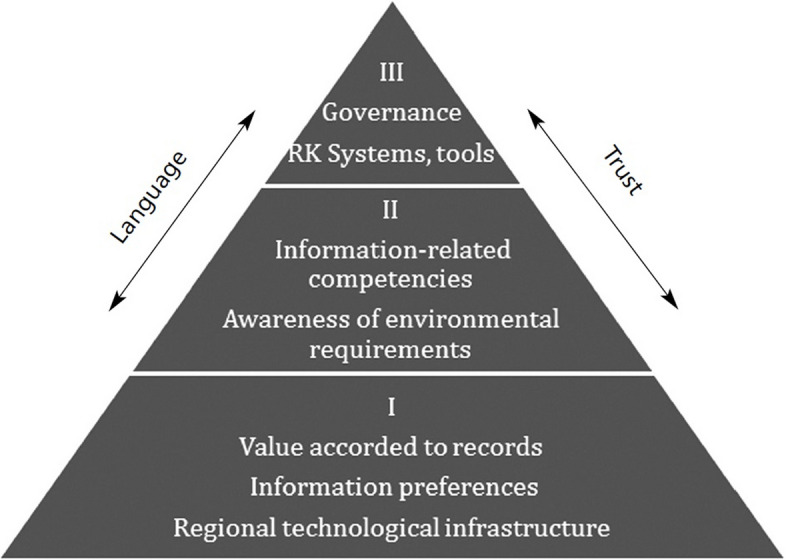
A qualitative case study approach was utilized, involving focus groups and semi-structured interviews with 150 staff from 12 hospitals. Conducted between November 2023 and June 2024, the study applied thematic analysis based on Oliver and Foscarini's (2020) recordkeeping culture framework to explore organizational readiness, technological infrastructure, and healthcare professionals' skills in managing electronic records.
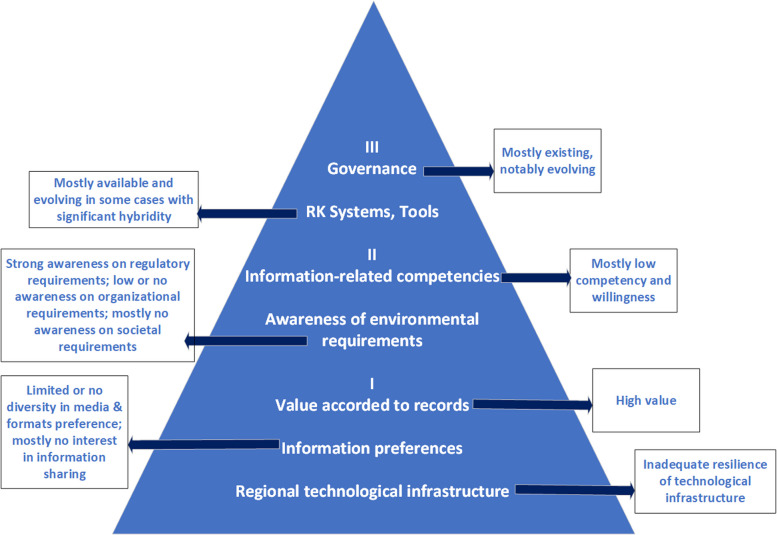
The findings reveal significant differences in EMR adoption between the islands. Hospitals on Java exhibited proactive engagement, supported by better technological infrastructure and staff training programs, while Sulawesi hospitals adopted EMRs primarily to meet regulatory requirements. Challenges included inconsistent internet connectivity, low digital literacy among staff, and ongoing reliance on paper records during the transition. Some Java hospitals have begun fostering a culture conducive to electronic recordkeeping by focusing on developing staff skills in EMR management.
The effectiveness of EMR adoption in Indonesia relies on addressing technological infrastructure issues and enhancing staff digital literacy. While progress has been made, particularly in more developed regions, a cohesive national strategy emphasizing technological support and targeted training is essential to fully realize the benefits of EMRs in improving healthcare and recordkeeping standards across Indonesia.
通过电子病历(EMR)实现医疗保健数字化在全球被视为一项变革性举措。印度尼西亚规定所有医疗保健机构到2023年12月31日都要采用电子病历。然而,这种转变因各种技术、文化和基础设施方面的挑战而变得复杂,很少有研究探讨记录保存文化对采用电子病历的影响。本研究调查了印度尼西亚医院在政府强制采用电子病历(EMR)后的电子记录保存文化。其目的是了解爪哇岛和苏拉威西岛各医院在实施电子病历时的准备情况和挑战,重点关注基础设施、员工数字技能以及不同的采用方式。
采用定性案例研究方法,对12家医院的150名员工进行焦点小组讨论和半结构化访谈。该研究于2023年11月至2024年6月进行,应用基于奥利弗和福斯卡里尼(2020年)记录保存文化框架的主题分析,以探索组织准备情况、技术基础设施以及医疗保健专业人员管理电子记录的技能。
研究结果显示各岛屿在采用电子病历方面存在显著差异。爪哇岛的医院表现出积极的参与态度,这得益于更好的技术基础设施和员工培训项目,而苏拉威西岛的医院采用电子病历主要是为了满足监管要求。挑战包括网络连接不稳定、员工数字素养较低以及在过渡期间仍持续依赖纸质记录。一些爪哇岛的医院已开始通过专注于培养员工在电子病历管理方面的技能来营造有利于电子记录保存的文化。
印度尼西亚采用电子病历的有效性依赖于解决技术基础设施问题并提高员工数字素养。虽然已经取得了进展,特别是在较发达地区,但强调技术支持和针对性培训的统一国家战略对于在印度尼西亚全面实现电子病历在改善医疗保健和记录保存标准方面的益处至关重要。