Huang Jiewu, Meng Ping, Liang Ye, Li Xiaolong, Zhou Shan, Li Jiemei, Wang Xiaoxu, Miao Jinhua, Shen Weiwei, Zhou Lili
Division of Nephrology, Nanfang Hospital, Southern Medical University, National Clinical Research Center for Kidney Disease, State Key Laboratory of Organ Failure Research, Guangdong Provincial Institute of Nephrology, Guangdong Provincial Key Laboratory of Renal Failure Research, Guangzhou, China.
Department of Central Laboratory, Huadu District People's Hospital of Guangzhou, Guangzhou, China.
Cell Death Dis. 2025 Feb 20;16(1):119. doi: 10.1038/s41419-025-07438-x.
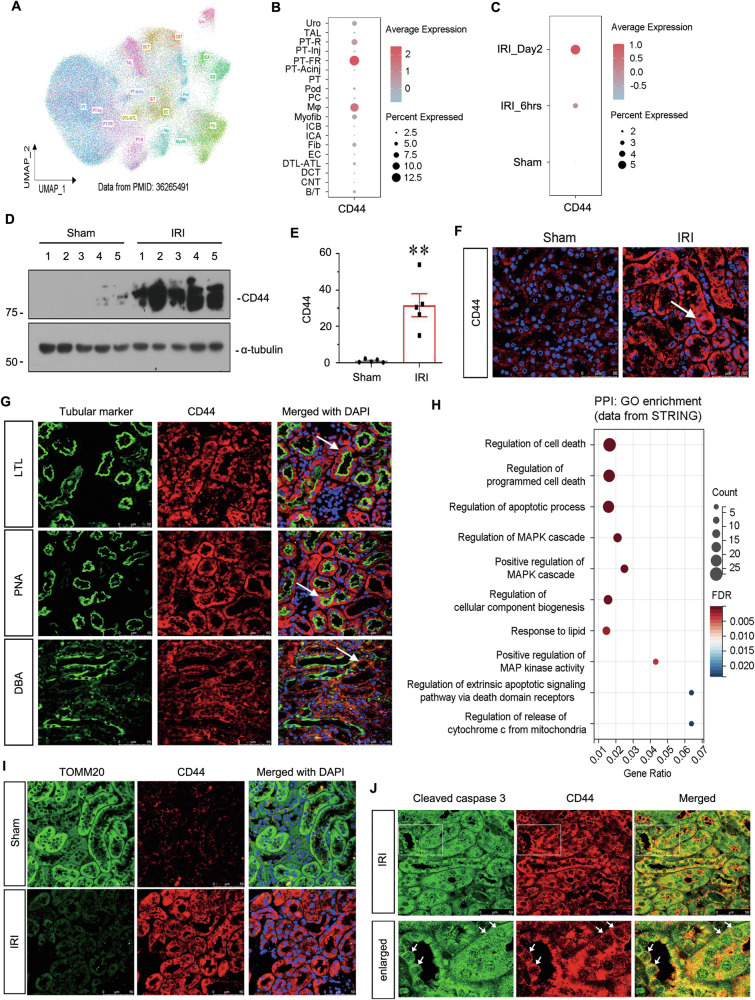
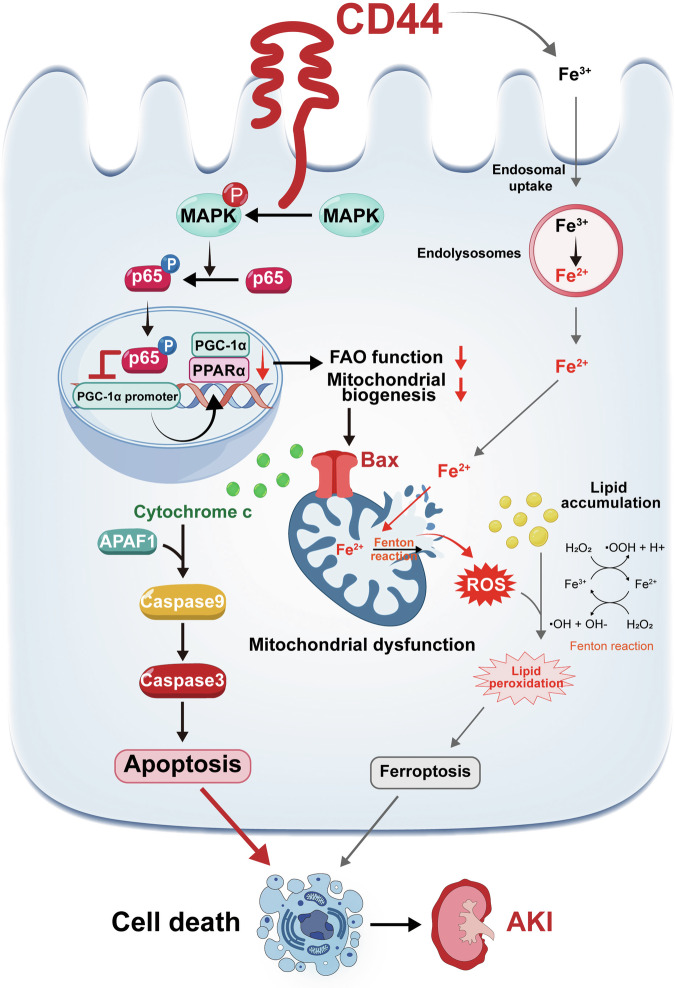
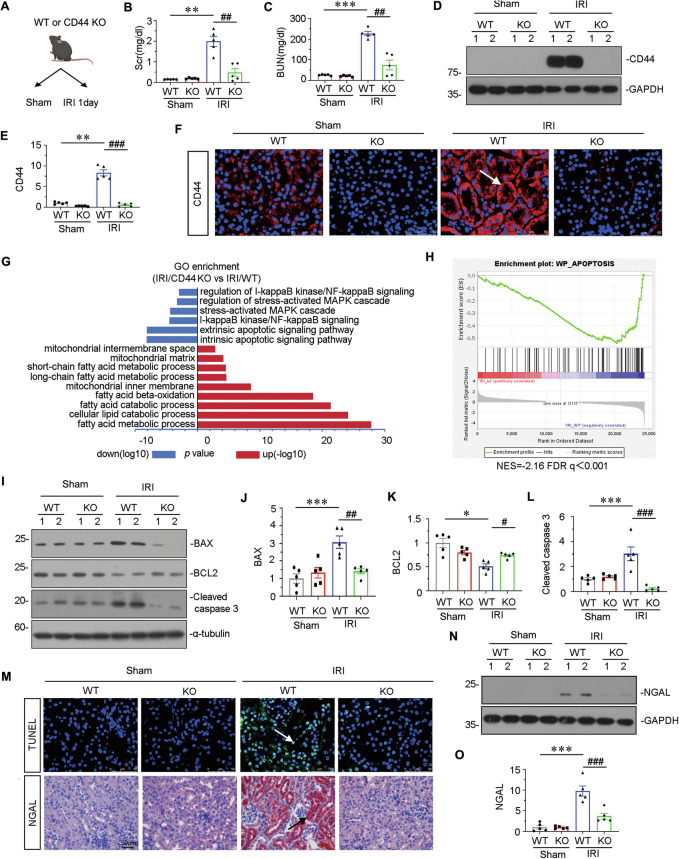
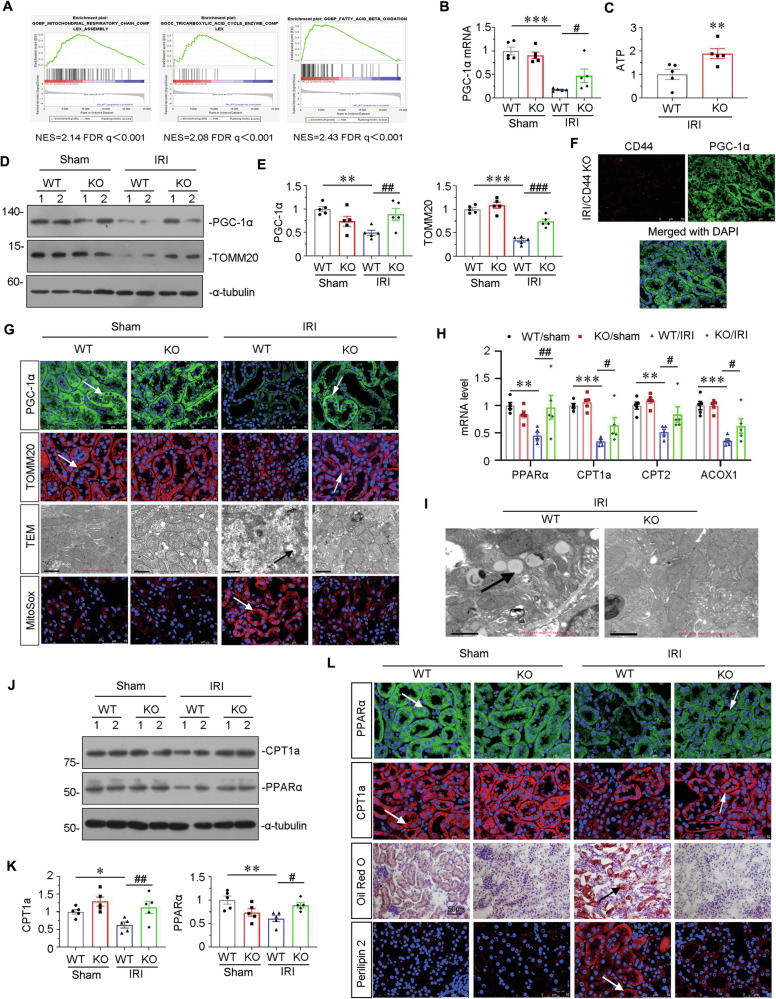
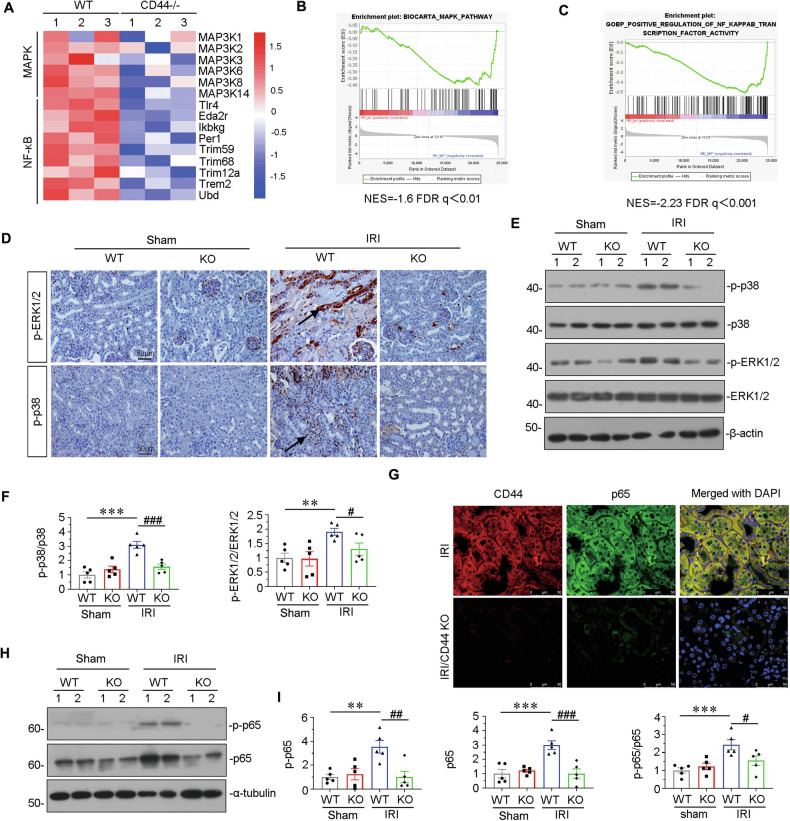
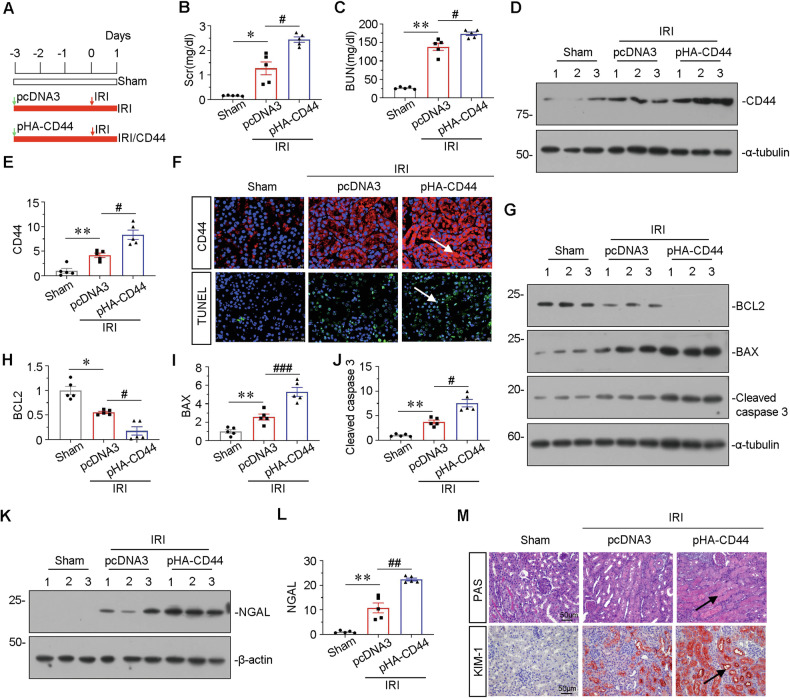
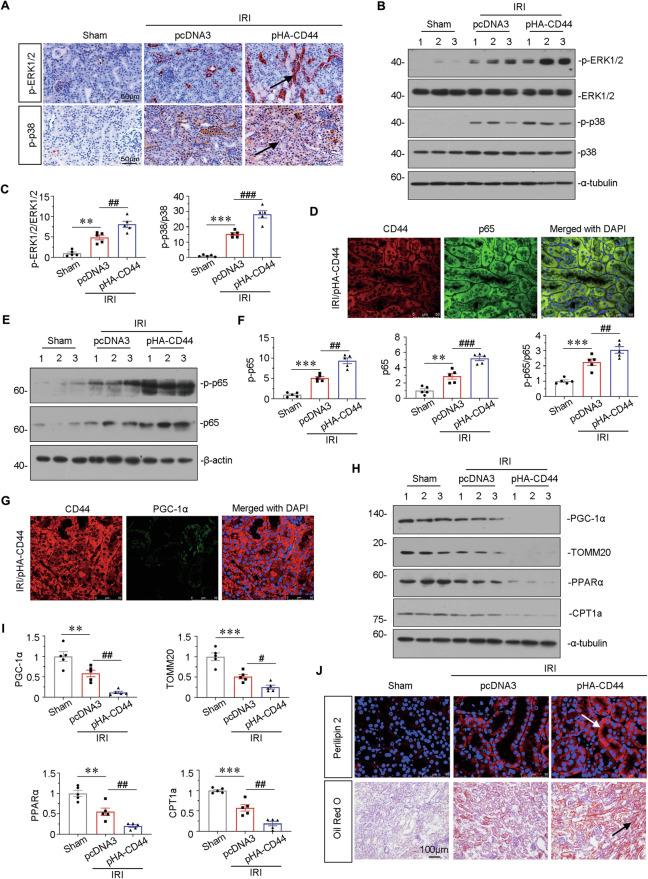
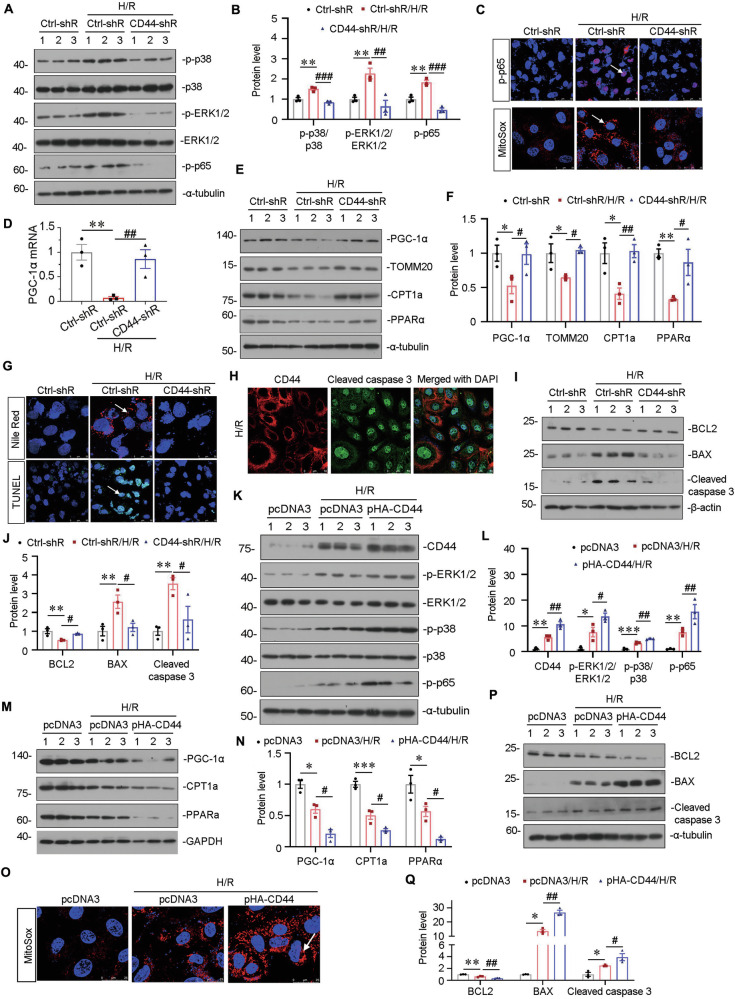
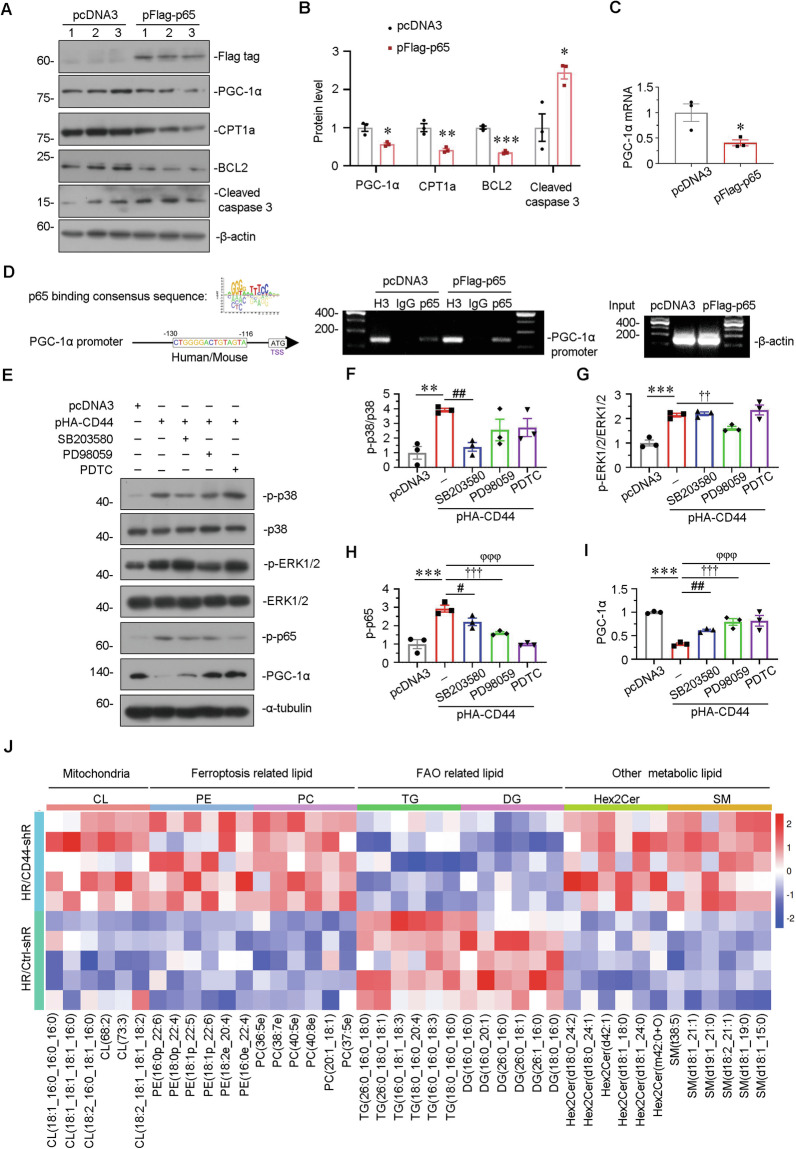
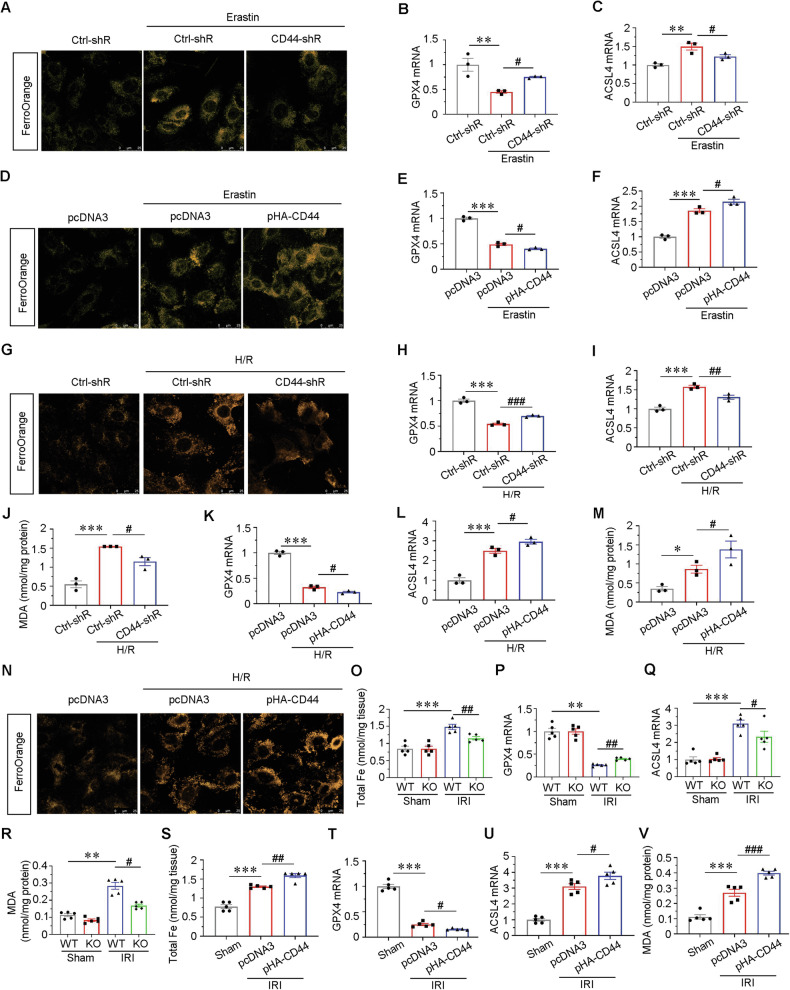
Acute kidney injury (AKI) is in rapid prevalence nowadays. Of note, the underlying mechanisms have not been clarified. Several reports showed a cluster of differentiation-44 (CD44), a cell-surface glycoprotein, might be involved in AKI. However, its role in AKI has not been clearly clarified. Herein, we found CD44 increased in renal tubules in AKI mice. Gene ablation of CD44 improved mitochondrial biogenesis and fatty acid oxidation (FAO) function, further protecting against tubular cell death and kidney injury. Conversely, ectopic CD44 impaired mitochondrial homeostasis and exacerbated tubular cell apoptosis to aggravate AKI progression. From transcriptome sequencing, we found that CD44 induces mitogen-activated protein kinase (MAPK) and NF-κB p65 signaling. Lipidomics also showed that CD44 interfered with multiple aspects of lipid metabolism. We deeply investigated NF-κB p65 inhibited the transcription of peroxisome proliferator-activated receptor gamma coactivator 1-alpha (PGC-1α), resulting in mitochondrial dysfunction and cell apoptosis. CD44 also facilitated iron intake to assist cell ferroptosis. Hence, our study provided a new mechanism for AKI, and demonstrated that targeted inhibition on CD44 could be a promising therapeutic strategy to resist AKI.
急性肾损伤(AKI)目前正迅速流行。值得注意的是,其潜在机制尚未阐明。一些报告显示,细胞表面糖蛋白分化簇44(CD44)可能与AKI有关。然而,其在AKI中的作用尚未明确。在此,我们发现AKI小鼠肾小管中的CD44增加。CD44基因敲除改善了线粒体生物发生和脂肪酸氧化(FAO)功能,进一步防止肾小管细胞死亡和肾损伤。相反,异位CD44破坏了线粒体稳态,加剧了肾小管细胞凋亡,从而加重了AKI的进展。通过转录组测序,我们发现CD44诱导丝裂原活化蛋白激酶(MAPK)和NF-κB p65信号传导。脂质组学还表明,CD44干扰了脂质代谢的多个方面。我们深入研究发现,NF-κB p65抑制过氧化物酶体增殖物激活受体γ共激活因子1-α(PGC-1α)的转录,导致线粒体功能障碍和细胞凋亡。CD44还促进铁摄入以协助细胞铁死亡。因此,我们的研究为AKI提供了一种新机制,并证明靶向抑制CD44可能是抵抗AKI的一种有前景的治疗策略。