Dixon Scott, Leak Logan, Wang Ziwei, Lee Weaverly Colleen, Johnson Brianna, Millner Alec, Ko Pin-Joe, Decosto Cassandra, Magtanong Leslie, Ritho Joan, Skouta Rachid, Atilla-Gokcumen Ekin, Myers Chad, Moffat Jason, Boone Charles, Bensinger Steven, Moding Everett, Joseph Alby, Chan Alyssa, Chitkara Shweta, Salinas Jenny, Nathanson David
Stanford University.
Stanford University School of Medicine.
Res Sq. 2025 Feb 11:rs.3.rs-4138879. doi: 10.21203/rs.3.rs-4138879/v1.
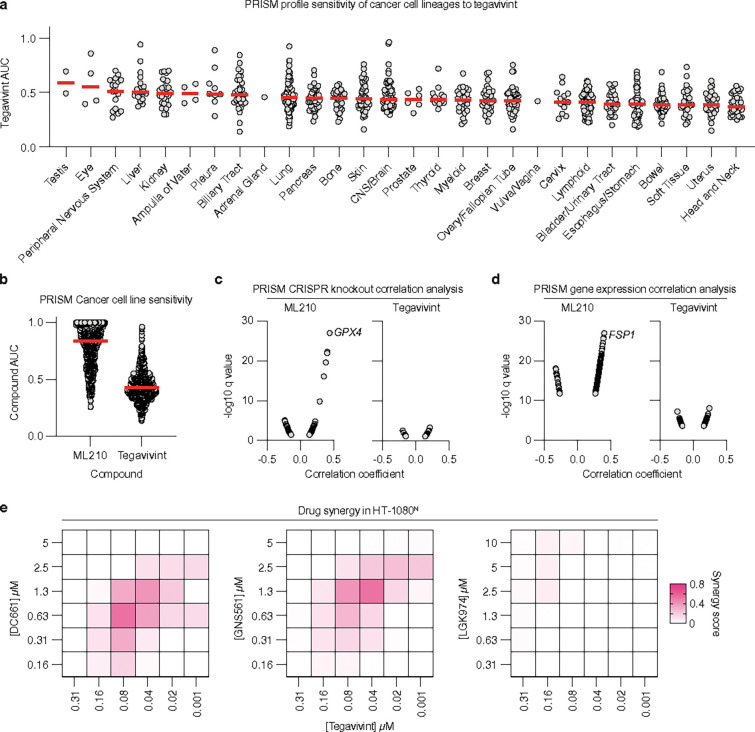
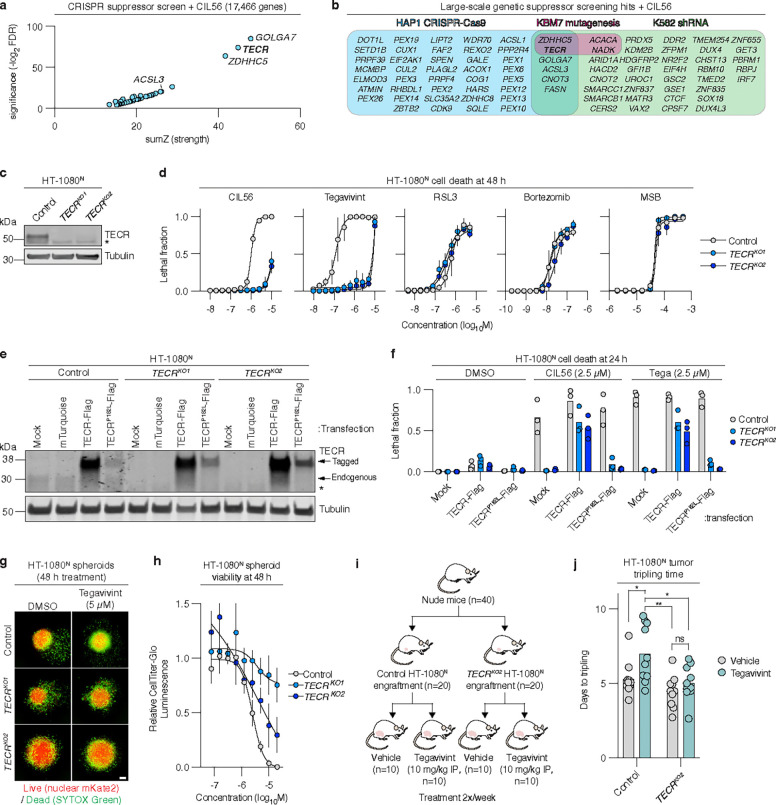
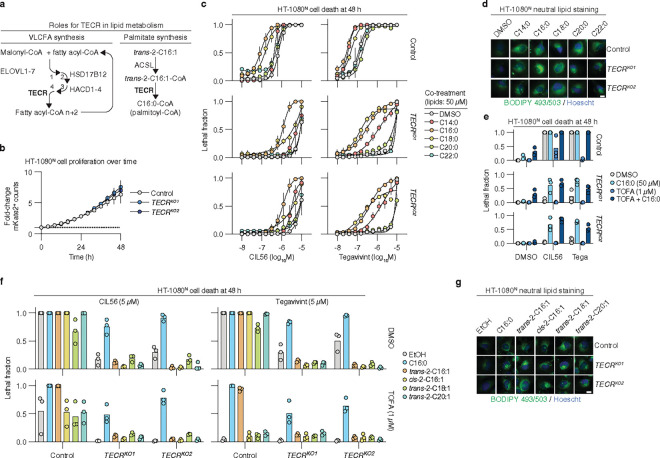
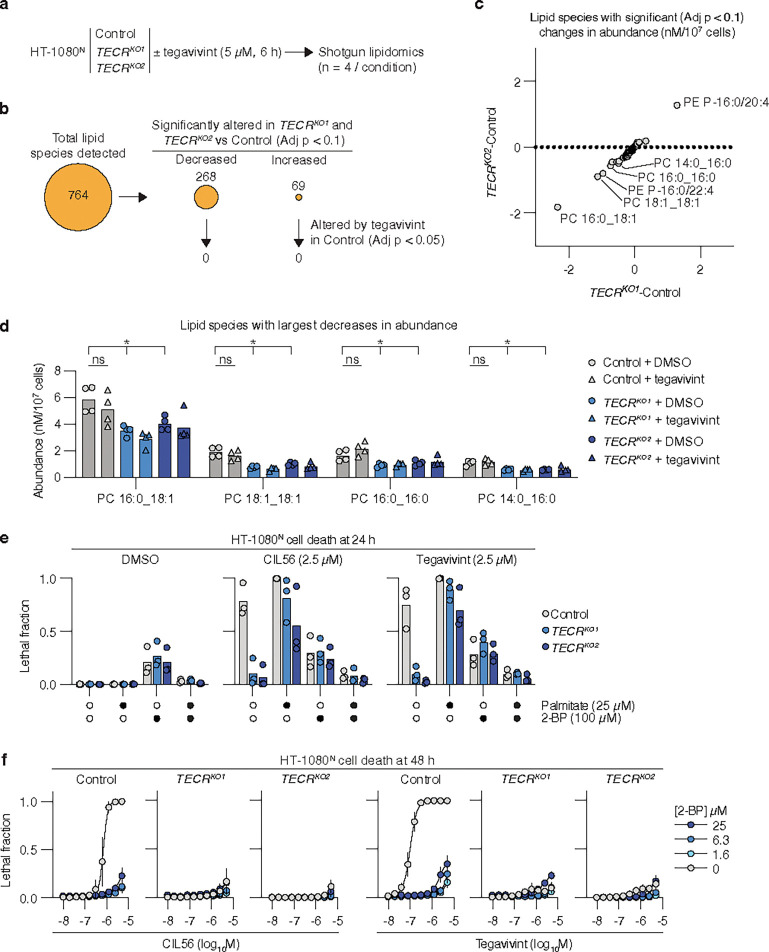
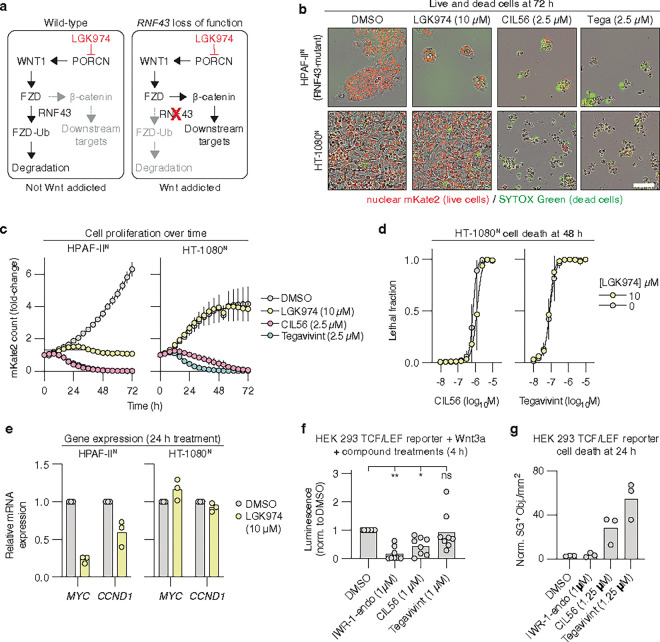
Small molecules that induce non-apoptotic cell death are of fundamental mechanistic interest and may be useful to treat certain cancers. Here, we report that tegavivint, a drug candidate undergoing human clinical trials, can activate a unique mechanism of non-apoptotic cell death in sarcomas and other cancer cells. This lethal mechanism is distinct from ferroptosis, necroptosis and pyroptosis and requires the lipid metabolic enzyme -2,3-enoyl-CoA reductase (TECR). TECR is canonically involved in the synthesis of very long chain fatty acids but appears to promote non-apoptotic cell death in response to CIL56 and tegavivint via the synthesis of the saturated long-chain fatty acid palmitate. These findings outline a lipid-dependent non-apoptotic cell death mechanism that can be induced by a drug candidate currently being tested in humans.
诱导非凋亡性细胞死亡的小分子具有重要的机制研究意义,可能对治疗某些癌症有用。在此,我们报告称,正在进行人体临床试验的候选药物替加维文特可激活肉瘤和其他癌细胞中一种独特的非凋亡性细胞死亡机制。这种致死机制不同于铁死亡、坏死性凋亡和炎性小体介导的细胞焦亡,并且需要脂质代谢酶2,3-烯酰辅酶A还原酶(TECR)。TECR通常参与超长链脂肪酸的合成,但似乎通过合成饱和长链脂肪酸棕榈酸酯来促进对CIL56和替加维文特的非凋亡性细胞死亡反应。这些发现勾勒出一种可被目前正在人体中进行测试的候选药物诱导的脂质依赖性非凋亡性细胞死亡机制。