Hasanzadeh Fahimeh, Jafari Seyede Zahra, Akbarzadeh Marzieh, Hosseini Fatemeh, Yazdanpanahi Zahra
Department of Midwifery, Student Research Center, School of Nursing and Midwifery, Shiraz University of Medical Sciences, Shiraz, Iran.
Maternal -fetal medicine research center, Department of Midwifery, School of Nursing and Midwifery, Shiraz University of Medical Sciences, Shiraz, Iran.
BMC Pregnancy Childbirth. 2025 Feb 28;25(1):220. doi: 10.1186/s12884-025-07329-1.
An unintended pregnancy can lead to an unfavorable relationship between the mother and infant and also include pregnancies that, although unintended, become wanted and may not have the same risks. This study aimed to investigate the effect of attachment training on maternal and fetal attachment in women with unintended pregnancy.
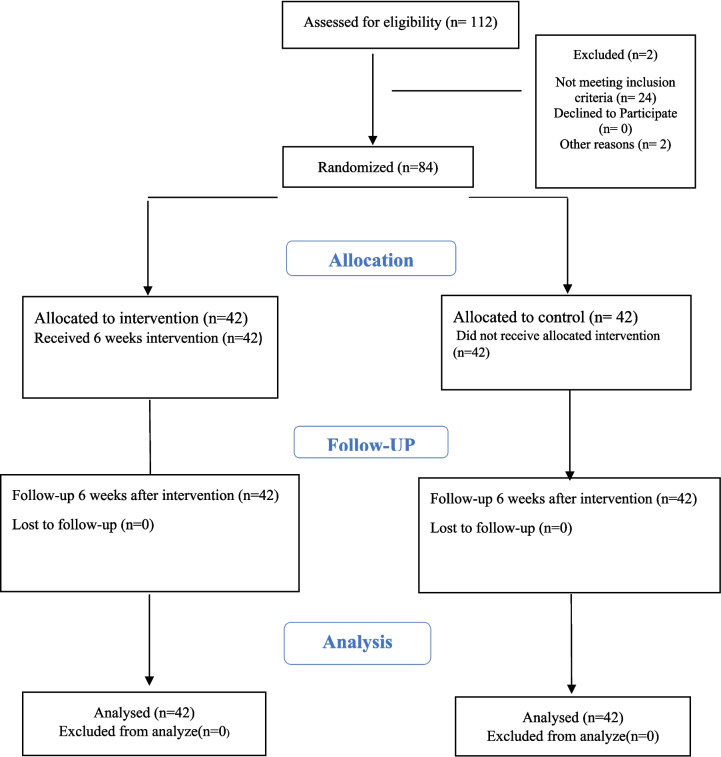
This clinical trial study was conducted in 2019 on 84 women (two groups of 42 subjects) with unintended pregnancies (at least 28 weeks in the third trimester of pregnancy) in selected clinics affiliated with Shiraz University of Medical Sciences. Cranley's Maternal-Fetal Attachment Scale (MFAS) was completed before and after the intervention in both groups; a demographic information questionnaire was filled out and written consent forms were signed before the intervention in both groups. Then, attachment training classes were conducted for 6 sessions of 90 min in the intervention group, while the control group received only routine pregnancy care. Chi-square, Fisher and independent t-test were used to analyze the data.
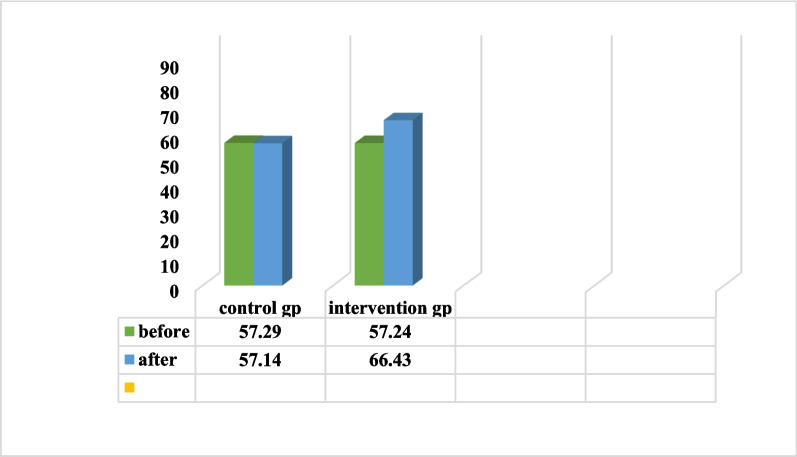
The mean scores of maternal-fetal attachment before attachment training in the experimental (57. 24 ± 5.03) and control groups (57.29 ± 6.96) were not significantly different (P = 0.86). Based on the results of independent t-test, the mean scores of maternal-fetal attachment after training in the intervention (66.43 ± 1.76) and control (57.14 ± 5.03) groups were significantly different (P = 0.0001).
The findings of this study showed the positive effect of education on the attachment behaviors of mothers with unintended pregnancies. Therefore, it is recommended that attachment skills training should be used in prenatal training programs.
Iran Randomized Clinical Trial Center registration IRCT20130710013940N5, Date of first trial registration: 2019.02.02.
意外怀孕可能导致母婴关系不佳,其中也包括一些起初意外但后来意愿转变且风险可能不同的怀孕情况。本研究旨在探讨依恋训练对意外怀孕女性母婴依恋的影响。
本临床试验于2019年在设拉子医科大学附属选定诊所对84名意外怀孕女性(两组,每组42名受试者)进行,这些女性处于妊娠晚期(至少孕28周)。两组在干预前后均完成克兰利母婴依恋量表(MFAS);两组在干预前均填写人口统计学信息问卷并签署书面知情同意书。然后,干预组进行了6节每节90分钟的依恋训练课程,而对照组仅接受常规孕期护理。采用卡方检验、费舍尔检验和独立t检验分析数据。
实验组(57.24±5.03)和对照组(57.29±6.96)在依恋训练前的母婴依恋平均得分无显著差异(P = 0.86)。基于独立t检验结果,干预组(66.43±1.76)和对照组(57.14±5.03)训练后的母婴依恋平均得分有显著差异(P = 0.0001)。
本研究结果显示了教育对意外怀孕母亲依恋行为的积极影响。因此,建议在产前培训项目中采用依恋技能训练。
伊朗随机临床试验中心注册号IRCT20130710013940N5,首次试验注册日期:2019.02.02。