Rannon Ella, Shaashua Sagi, Burstein David
The Shmunis School of Biomedicine and Cancer Research, George S. Wise Faculty of Life Sciences, Tel Aviv University, Tel Aviv, Israel.
Microbiome. 2025 Mar 7;13(1):67. doi: 10.1186/s40168-025-02055-4.
Antibiotics are essential for medical procedures, food security, and public health. However, ill-advised usage leads to increased pathogen resistance to antimicrobial substances, posing a threat of fatal infections and limiting the benefits of antibiotics. Therefore, early detection of antimicrobial resistance genes (ARGs), especially in pathogens, is crucial for human health. Most computational methods for ARG detection rely on homology to a predefined gene database and therefore are limited in their ability to discover novel genes.
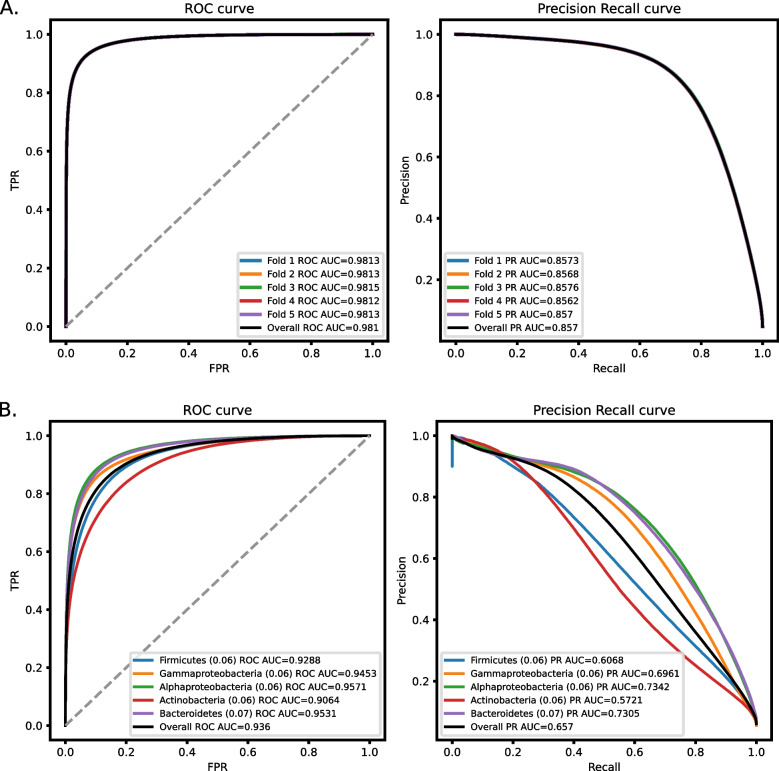
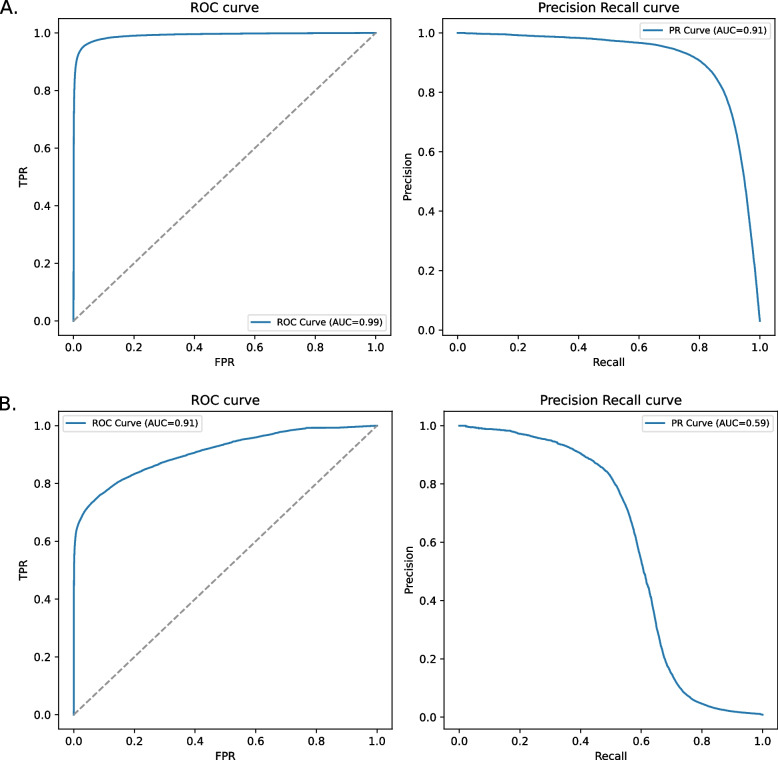
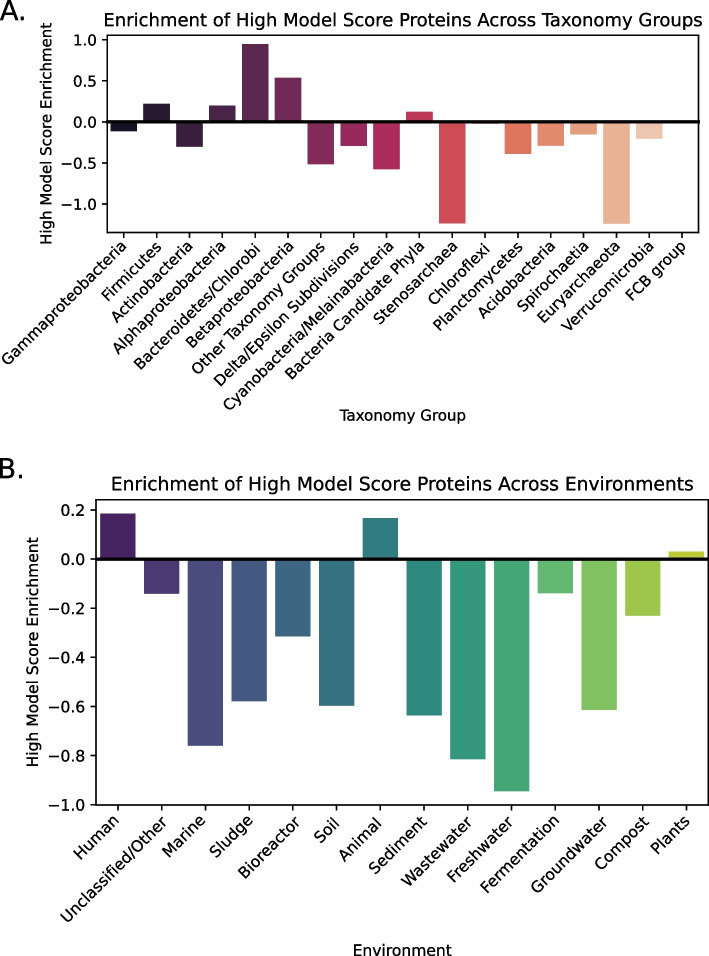
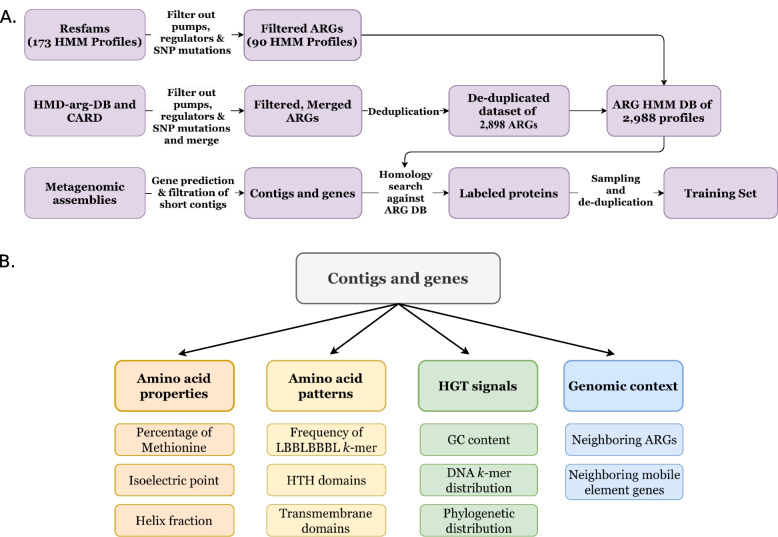
We introduce DRAMMA, a machine learning method for predicting new ARGs with no sequence similarity to known ARGs or any annotated gene. DRAMMA utilizes various features, including protein properties, genomic context, and evolutionary patterns. The model demonstrated robust predictive performance both in cross-validation and an external validation set annotated by an empirical ARG database. Analyses of the high-ranking model-generated candidates revealed a significant enrichment of candidates within the Bacteroidetes/Chlorobi and Betaproteobacteria taxonomic groups.
DRAMMA enables rapid ARG identification for global-scale genomic and metagenomic samples, thus holding promise for the discovery of novel ARGs that lack sequence similarity to any known resistance genes. Further, our model has the potential to facilitate early detection of specific ARGs, potentially influencing the selection of antibiotics administered to patients. Video Abstract.
抗生素对于医疗程序、食品安全和公共卫生至关重要。然而,不合理的使用会导致病原体对抗菌物质的耐药性增加,带来致命感染的威胁,并限制抗生素的益处。因此,早期检测抗菌耐药基因(ARGs),尤其是在病原体中的检测,对人类健康至关重要。大多数用于ARGs检测的计算方法依赖于与预定义基因数据库的同源性,因此在发现新基因方面能力有限。
我们引入了DRAMMA,这是一种机器学习方法,用于预测与已知ARGs或任何注释基因无序列相似性的新ARGs。DRAMMA利用各种特征,包括蛋白质特性、基因组背景和进化模式。该模型在交叉验证和由经验性ARG数据库注释的外部验证集中均表现出强大的预测性能。对排名靠前的模型生成的候选基因的分析表明,在拟杆菌门/绿菌门和β-变形菌纲分类组中,候选基因有显著富集。
DRAMMA能够对全球范围内的基因组和宏基因组样本进行快速的ARGs鉴定,因此有望发现与任何已知耐药基因无序列相似性的新型ARGs。此外,我们的模型有可能促进特定ARGs的早期检测,可能会影响给予患者的抗生素选择。视频摘要。