Masebo Naod Thomas, Benedetti Beatrice, Mountricha Maria, Lee Leonie, Padalino Barbara
Department of Agricultural and Food Sciences, University of Bologna, Viale Fanin 46, 40127 Bologna, Italy.
Equined, Geelong, VIC 3220, Australia.
Animals (Basel). 2025 Mar 5;15(5):751. doi: 10.3390/ani15050751.
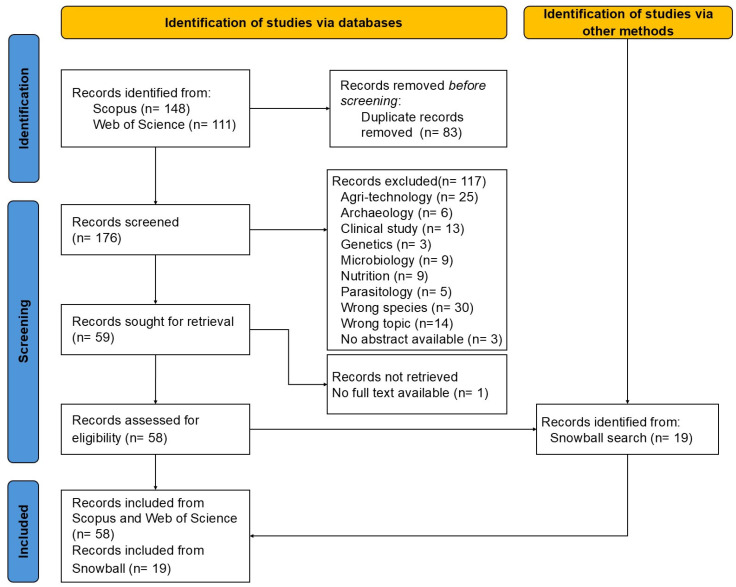
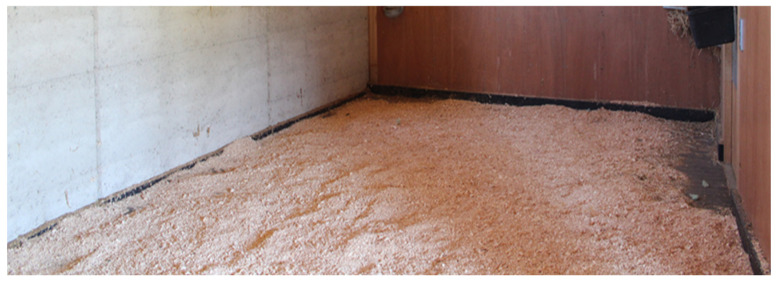
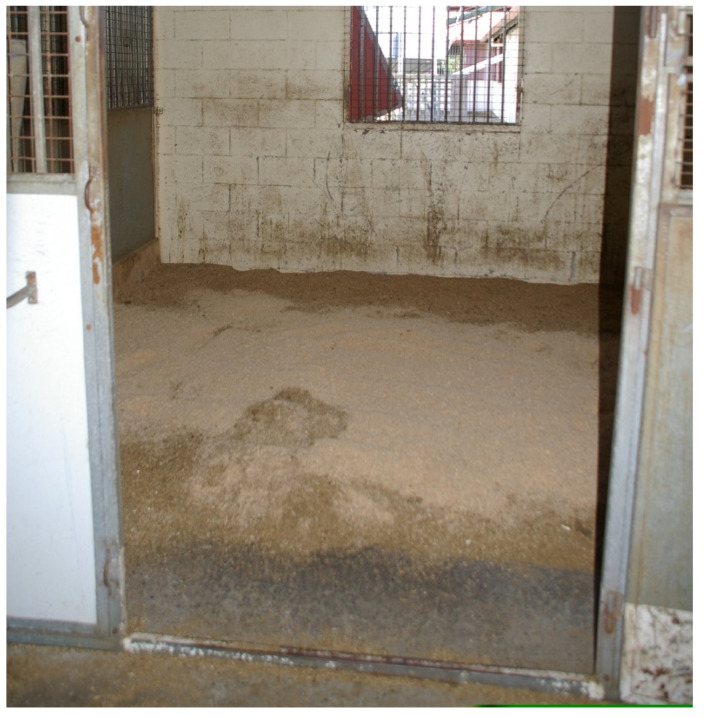
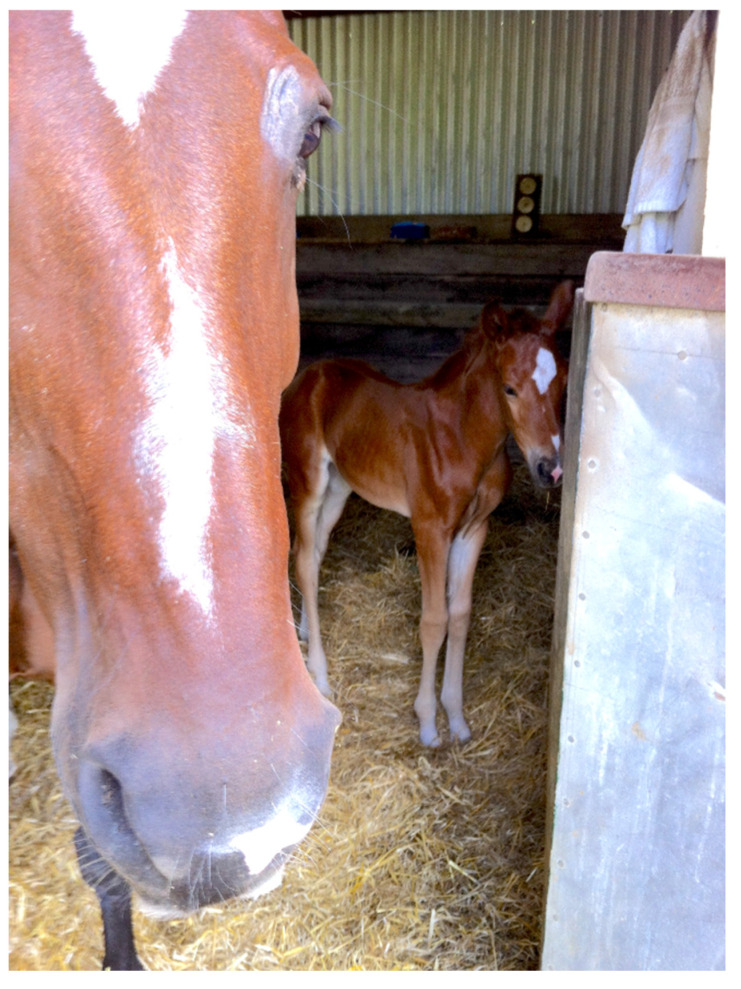
Bedding is an important component of equine accommodation management. Choosing the right bedding is important for stable management and its selection may include considerations such as the sourcing of the material, the capital investment and ongoing costs, delivery, storage, installation, ongoing labour and maintenance, removal and disposal. Furthermore, it is crucial that the consequences for the health and welfare of horses and humans and the impact on the environment should also be considered. This review aimed to outline the advantages and disadvantages of different horse bedding types, focusing on their effects on the well-being of horses, humans, and the environment. The Preferred Reporting Items for Systematic Reviews and Meta-Analyses (PRISMA) technique was used as the methodology for this review. The search was performed in Scopus and Web of Science bibliometric databases and a total of 176 records were screened reading the title and the abstract. After screening, 58 records were retained and another 19 records were identified using their reference lists (i.e., snowballing). Therefore, a total of 77 records were considered. Straw and wood shavings were the most commonly used and studied bedding materials, while research on alternative options remains limited. Straw is identified as horses' preferred option, while shavings appear to be the easiest to clean, making them the preferred choice for stable workers. The parameters to consider when choosing the bedding most fit for purpose are many and their attributes differ across the various bedding types. This review has compared all the bedding types within the research literature to determine the best overall option using the research-based evidence. Each bedding type offers unique benefits and drawbacks summarised in a user-friendly table. Stable managers must consider and evaluate them to suit their specific needs, including the health and welfare of each horse and the husbandry system involved. Our findings may, therefore, be useful in the decision-making process of equine industry members.
垫料是马匹饲养管理的重要组成部分。选择合适的垫料对马厩管理很重要,其选择可能需要考虑诸如材料来源、资本投资和持续成本、运输、储存、安装、持续人工和维护、清理和处置等因素。此外,至关重要的是,还应考虑对马匹和人类健康与福利的影响以及对环境的影响。本综述旨在概述不同类型马用垫料的优缺点,重点关注它们对马匹、人类和环境福祉的影响。本综述采用系统评价和Meta分析的首选报告项目(PRISMA)技术作为方法。在Scopus和科学网文献计量数据库中进行了检索,共筛选了176条记录的标题和摘要。筛选后,保留了58条记录,并通过其参考文献列表(即滚雪球法)又识别出19条记录。因此,总共考虑了77条记录。稻草和木屑是最常用和研究最多的垫料材料,而对替代选项的研究仍然有限。稻草被认为是马匹的首选,而木屑似乎最容易清理,使其成为马厩工作人员的首选。选择最适合用途的垫料时要考虑的参数很多,而且它们在各种垫料类型中的属性也不同。本综述在研究文献中比较了所有垫料类型,以利用基于研究的证据确定最佳总体选项。每种垫料类型都有独特的优点和缺点,总结在一个用户友好的表格中。马厩管理人员必须考虑并评估它们以满足其特定需求,包括每匹马的健康和福利以及所涉及的饲养系统。因此,我们的研究结果可能对马产业成员的决策过程有用。