Li Lingru, Li Tianxing, Liang Xue, Zhu Linghui, Fang Yini, Dong Ling, Zheng Yi, Xu Xiaoxue, Li Mingrui, Cai Tianqi, Zhao Fufangyu, Xin Meiling, Shao Mingyan, Guan Yuanyuan, Liu Meiyi, Li Fangli, Zhang Chenhong, Wang Qi, Sun Wenlong, Zheng Yanfei
National Institute of Traditional Chinese Medicine Constitution and Preventive Treatment of Diseases, Beijing University of Chinese Medicine, Beijing, China.
School of Life Sciences and Medicine, Shandong University of Technology, Zibo, Shandong, China.
Cell Discov. 2025 Mar 17;11(1):25. doi: 10.1038/s41421-025-00789-x.
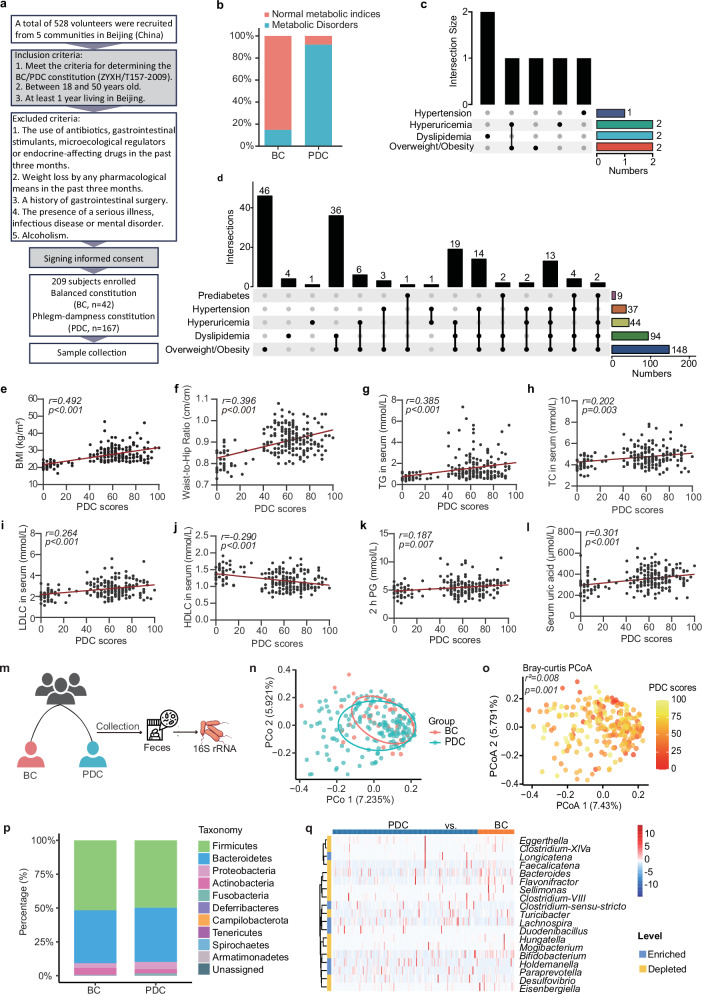
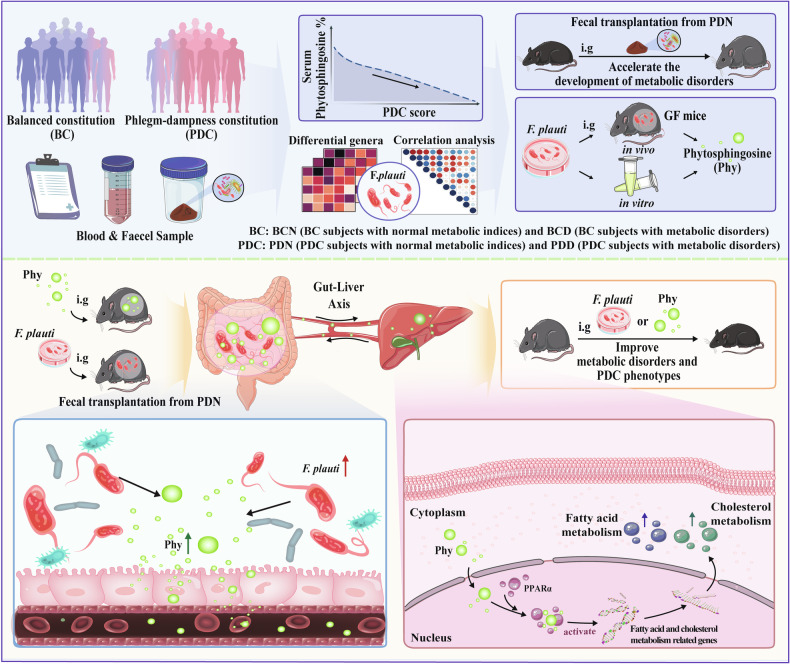
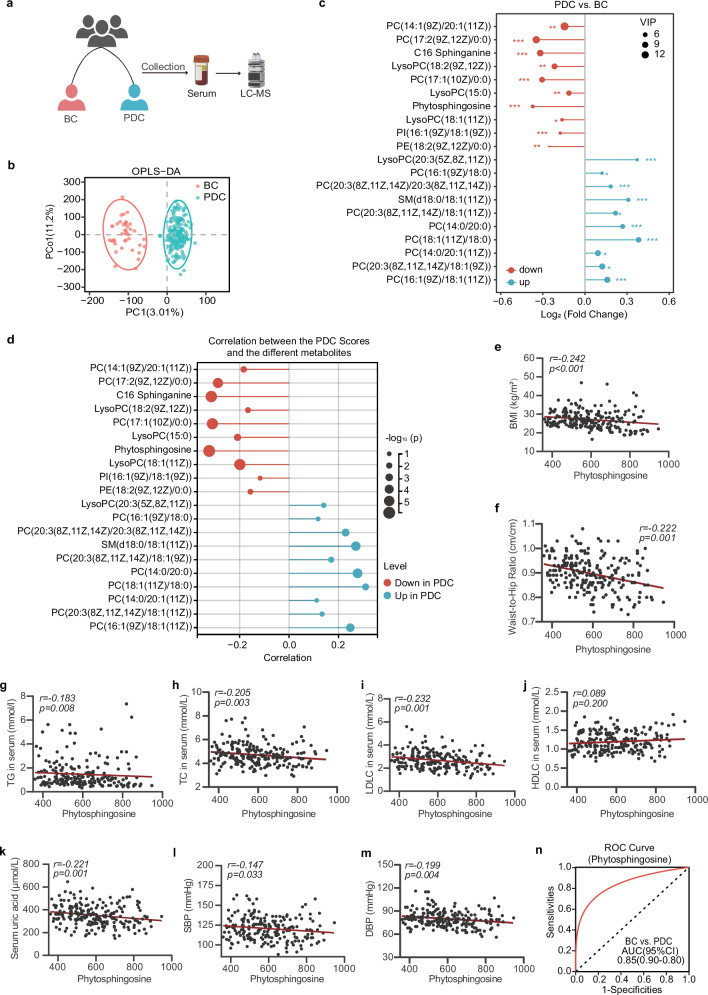
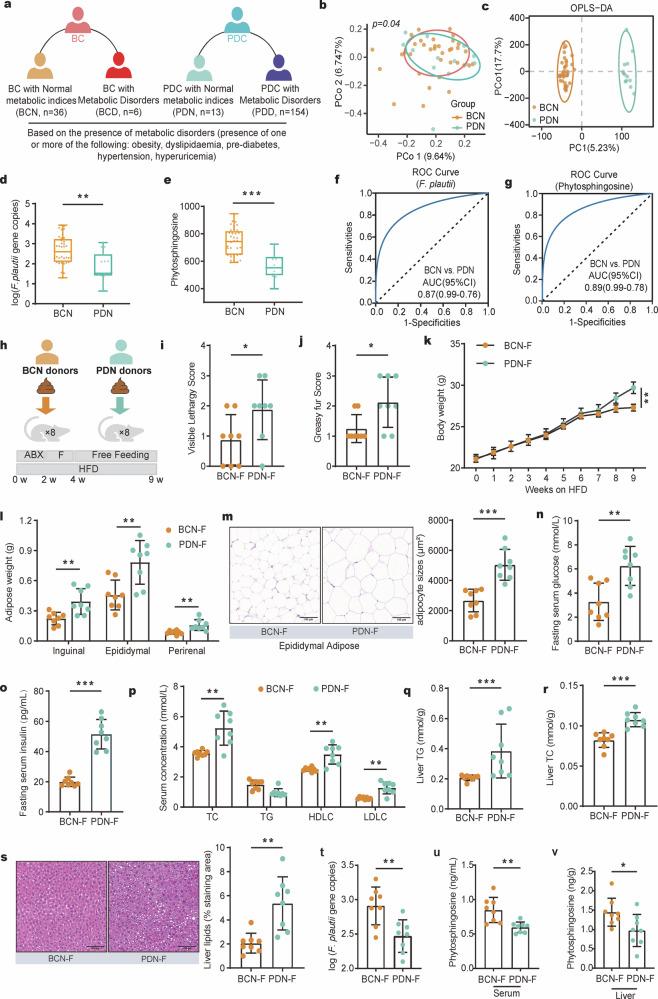
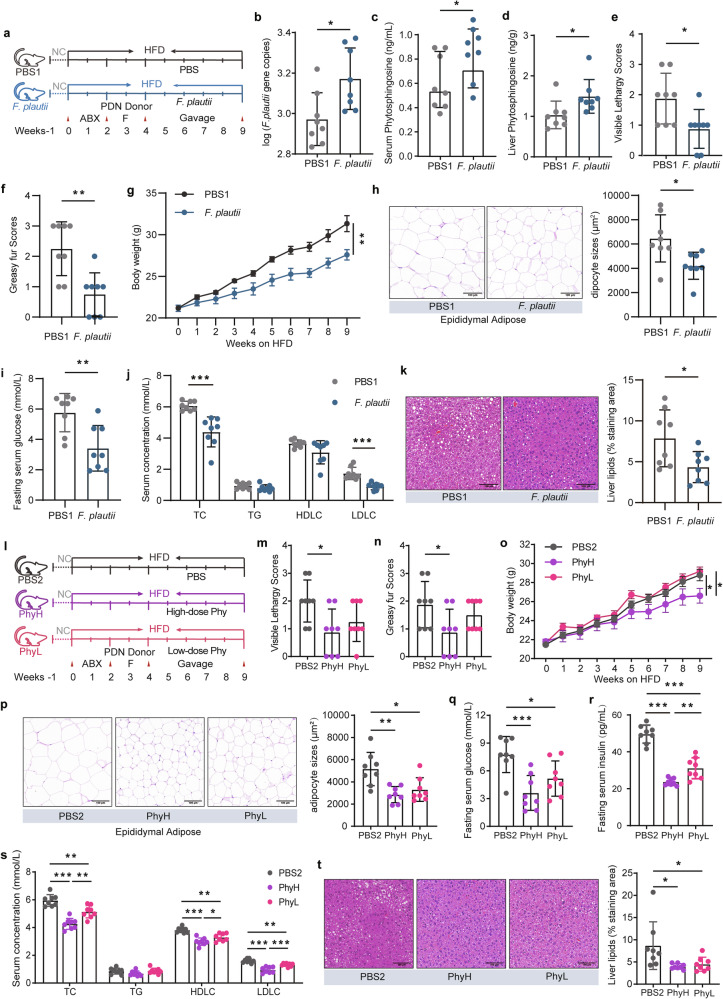
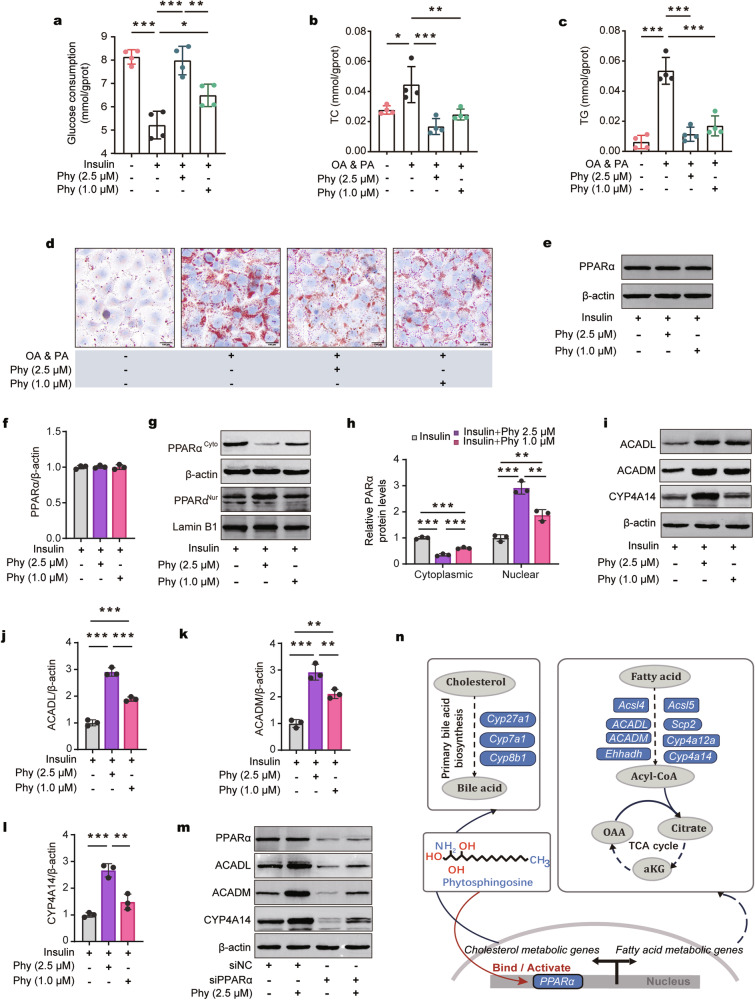
According to traditional Chinese medicine (TCM) constitutional theory, individuals with phlegm-dampness constitution (PDC) are at increased risk for metabolic disorders. Previous studies have indicated that PDC individuals exhibit gene expression changes associated with metabolic disorders, even individuals with normal metabolic indices. However, the biological mechanisms underlying these changes remain unclear. The gut microbiota has recently emerged as a promising avenue for elucidating TCM principles. Here, we revealed that individuals with PDC have distinct gut microbiota and serum metabolite profiles. A decrease in phytosphingosine was associated with increased PDC scores and metabolic disorder severity. Subsequent experiments demonstrated that Flavonifractor plautii can biosynthesize phytosphingosine, which was also negatively correlated with the PDC score. Interestingly, both F. plautii and phytosphingosine levels decreased in PDC subjects with normal metabolic indices. Fecal transplantation from these individuals accelerated the development of metabolic disorders in mice. However, supplementation with F. plautii and phytosphingosine ameliorated metabolic disorders by increasing phytosphingosine levels in the gut‒hepatic axis. Mechanistic investigations confirmed that phytosphingosine can directly bind to hepatic peroxisome proliferator-activated receptor α (PPARα) and activate its nuclear transcription activity, thereby regulating downstream gene expression related to glucose‒lipid metabolism. Our research indicates that the decrease in F. plautii and its product, phytosphingosine, contributes to gene expression changes related to metabolic disorders in PDC individuals and increases their susceptibility to metabolic disorders. These findings suggest that diagnosing PDC may be beneficial for identifying at-risk populations among apparently healthy individuals, thereby advancing the broader field of metabolic disorder prevention and TCM integration.
根据中医体质理论,痰湿体质个体患代谢性疾病的风险增加。先前的研究表明,即使代谢指标正常,痰湿体质个体也表现出与代谢性疾病相关的基因表达变化。然而,这些变化背后的生物学机制仍不清楚。肠道微生物群最近已成为阐明中医理论的一个有前景的途径。在这里,我们发现痰湿体质个体具有独特的肠道微生物群和血清代谢物谱。植物鞘氨醇的减少与痰湿体质评分及代谢紊乱严重程度的增加有关。随后的实验表明,普拉氏类黄酮菌可以生物合成植物鞘氨醇,其也与痰湿体质评分呈负相关。有趣的是,在代谢指标正常的痰湿体质受试者中,普拉氏类黄酮菌和植物鞘氨醇水平均降低。将这些个体的粪便移植到小鼠体内加速了代谢紊乱的发展。然而,补充普拉氏类黄酮菌和植物鞘氨醇通过增加肠肝轴中的植物鞘氨醇水平改善了代谢紊乱。机制研究证实,植物鞘氨醇可直接结合肝脏过氧化物酶体增殖物激活受体α(PPARα)并激活其核转录活性,从而调节与糖脂代谢相关的下游基因表达。我们的研究表明,普拉氏类黄酮菌及其产物植物鞘氨醇的减少导致了痰湿体质个体中与代谢紊乱相关的基因表达变化,并增加了他们患代谢紊乱的易感性。这些发现表明,诊断痰湿体质可能有助于在看似健康的个体中识别高危人群,从而推动代谢紊乱预防和中医结合这一更广泛领域的发展。