Abate Bontu, Brhane Bokretsion Gidey, Manyazewal Tsegahun, Mohammed Hussien, Wuletaw Yonas, Kassa Moges, Hailu Mesay, Tollera Getachew, Tasew Geremew, Assefa Ashenafi, Makonnen Eyasu
Center for Innovative Drug Development and Therapeutic Trials for Africa (CDT-Africa), College of Health Sciences, Addis Ababa University, P.O. Box 9086, Addis Ababa, Ethiopia.
St. Peter's Specialized Hospital, Addis Ababa, Ethiopia.
Malar J. 2025 Mar 18;24(1):89. doi: 10.1186/s12936-025-05337-2.
Since 2017, the first-line treatment for uncomplicated Plasmodium falciparum infection in Ethiopia has been artemether-lumefantrine (AL), plus a single dose of primaquine (PQ). The World Health Organization (WHO) recommends regular monitoring of the first-line drug efficacy as crucial tool for supporting national treatment policies. This study aimed to assess the efficacy of AL with single dose of PQ for the treatment of uncomplicated P. falciparum malaria.
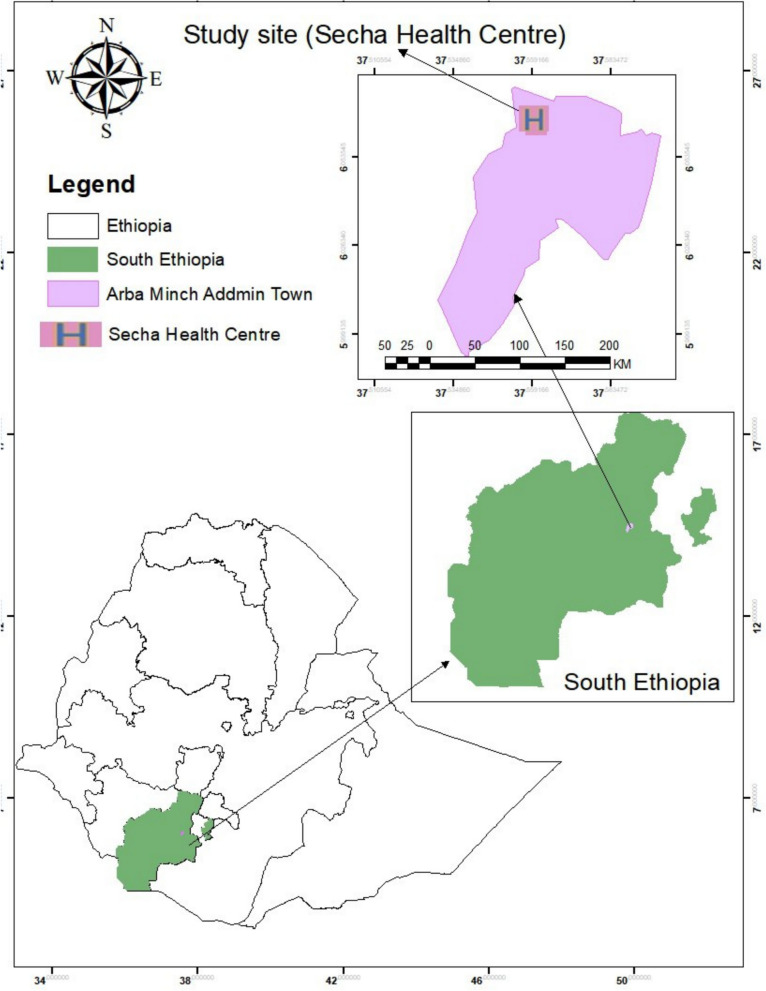
A prospective single-arm efficacy study was conducted among outpatients at Shecha Health Centre, aged six months and older with confirmed uncomplicated P. falciparum malaria from October 2023 to January 2024. Participants were treated with AL plus single dose of PQ and followed up to 28 days to evaluate clinical and parasitological responses. Kaplan-Meier (KM) survival analysis and per protocol (PP) analysis were used to estimate primary and secondary outcomes. Paired sample t-test was used to compare mean haemoglobin levels across follow-up dates (SPSS v.25). All comparisons were made at 95% confidence interval (CI), with a level of significance at 0.05.
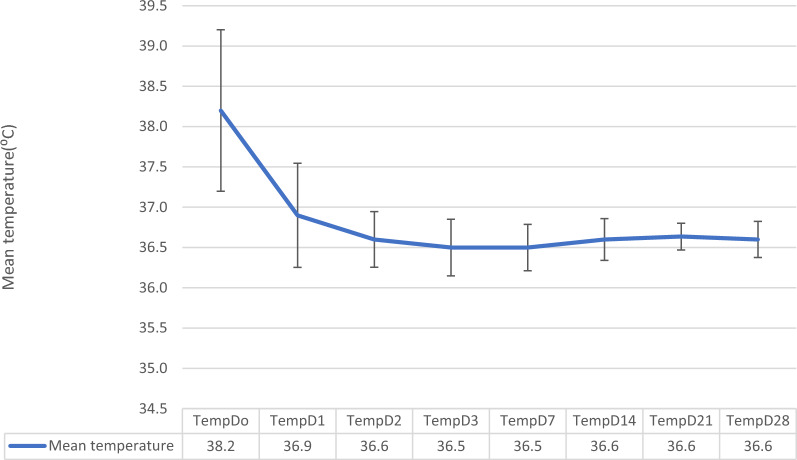
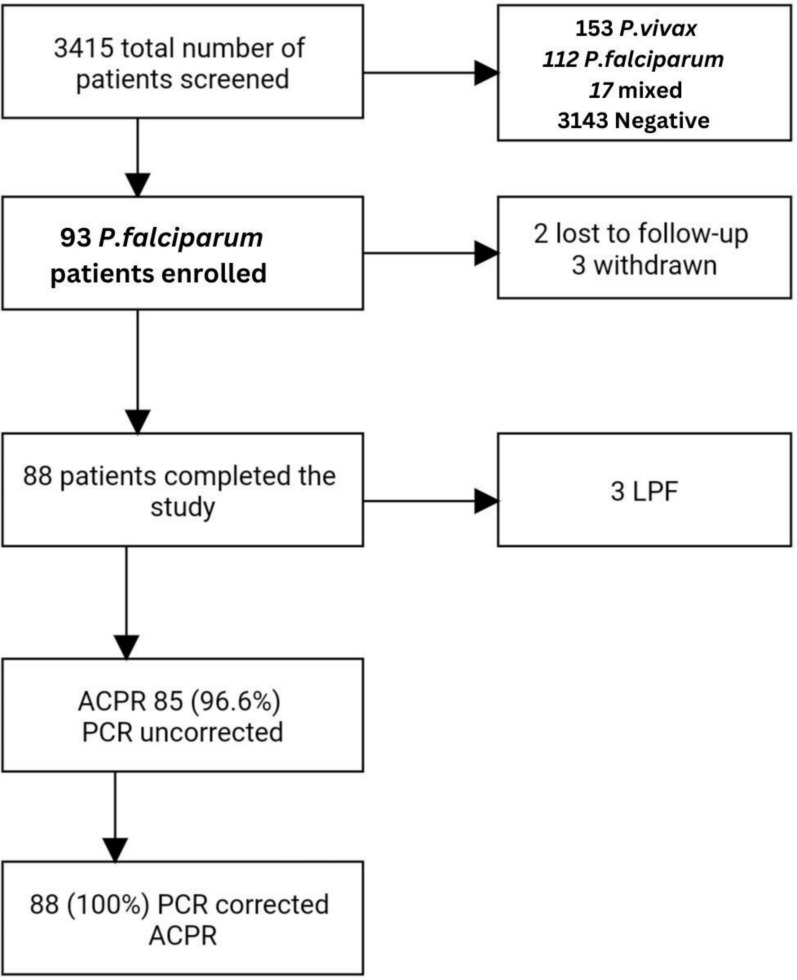
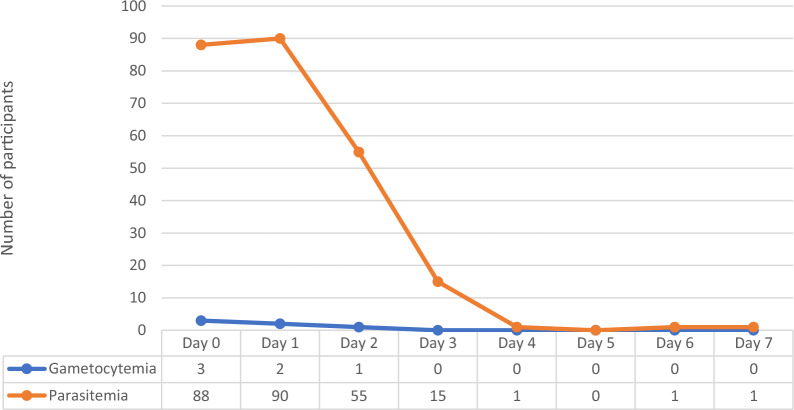
A total of 93 patients with uncomplicated P. falciparum were enrolled and 88 participants completed the study. Based on KM analysis the overall PCR uncorrected cure rate of AL plus single dose of PQ was 96.6% (95% CI 90.4-99.3%). The PCR-corrected cure rate was 100% (95% CI 95.8-100%). Despite high cure rate, accompanied by fast resolution of clinical symptoms, 17% of participants continued to have detectable parasitaemia on day 3. There was a slight decrease in mean haemoglobin on day 28 compared to the baseline. No serious adverse events were reported during the 28-day follow-up period.
The study findings reaffirm high efficacy of AL with a single dose of PQ for the treatment of uncomplicated P. falciparum malaria, with acceptable safety profile. These findings support the ongoing use of AL with a single dose of PQ as the primary treatment option for uncomplicated P. falciparum infections in the study area. In the context of the emergence and spread of partial artemisinin-based combination therapy(ACT) resistance in Africa, regular monitoring of the efficacy of current artemisinin-based combinations is recommended for the early detection of emerging drug resistance in the study setting and beyond.
自2017年以来,埃塞俄比亚单纯性恶性疟原虫感染的一线治疗方案为蒿甲醚-本芴醇(AL)加单剂量伯氨喹(PQ)。世界卫生组织(WHO)建议定期监测一线药物疗效,这是支持国家治疗政策的关键工具。本研究旨在评估AL加单剂量PQ治疗单纯性恶性疟原虫疟疾的疗效。
2023年10月至2024年1月,在Shecha健康中心对6个月及以上确诊为单纯性恶性疟原虫疟疾的门诊患者进行了一项前瞻性单臂疗效研究。参与者接受AL加单剂量PQ治疗,并随访28天以评估临床和寄生虫学反应。采用Kaplan-Meier(KM)生存分析和符合方案(PP)分析来估计主要和次要结局。使用配对样本t检验比较随访日期之间的平均血红蛋白水平(SPSS v.25)。所有比较均在95%置信区间(CI)下进行,显著性水平为0.05。
共纳入93例单纯性恶性疟原虫患者,88名参与者完成了研究。基于KM分析,AL加单剂量PQ的总体PCR未校正治愈率为96.6%(95%CI 90.4-99.3%)。PCR校正治愈率为100%(95%CI 95.8-100%)。尽管治愈率高,临床症状迅速缓解,但17%的参与者在第3天仍有可检测到的寄生虫血症。与基线相比,第28天的平均血红蛋白略有下降。在28天的随访期内未报告严重不良事件。
研究结果再次证实AL加单剂量PQ治疗单纯性恶性疟原虫疟疾具有高效性,且安全性可接受。这些发现支持继续使用AL加单剂量PQ作为研究区域单纯性恶性疟原虫感染的主要治疗选择。在非洲出现并传播基于青蒿素的复方疗法(ACT)部分耐药性的背景下,建议定期监测当前基于青蒿素的复方疗法的疗效,以便在研究环境及其他地区早期发现新出现的耐药性。