Zhra Mahmoud, Elahi Muhammad Affan, Tariq Aamira, Abu-Zaid Ahmed, Yaqinuddin Ahmed
Department of Anatomy and Genetics, College of Medicine, Alfaisal University, Riyadh 11533, Saudi Arabia.
Department of Biochemistry and Molecular Medicine, College of Medicine, Alfaisal University, Riyadh 11533, Saudi Arabia.
Cells. 2025 Mar 20;14(6):466. doi: 10.3390/cells14060466.
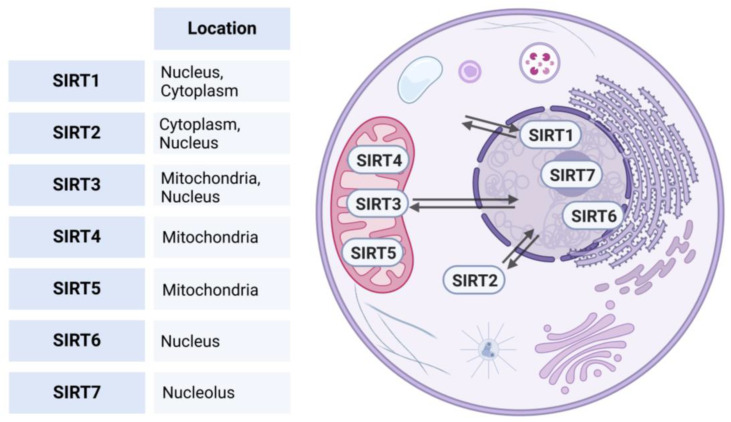
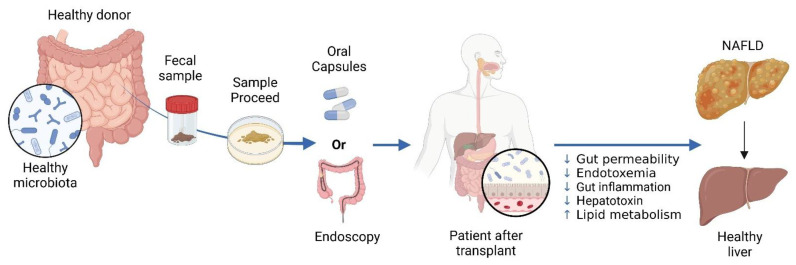
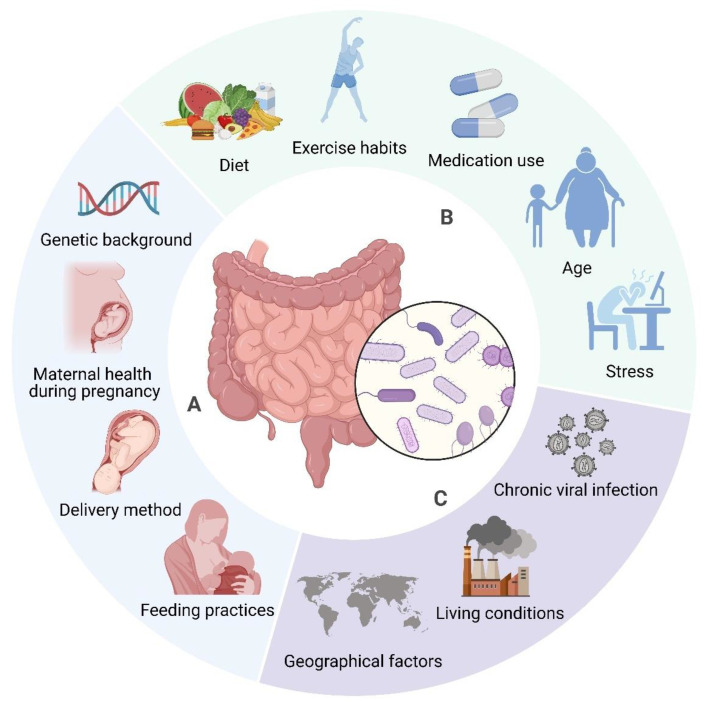
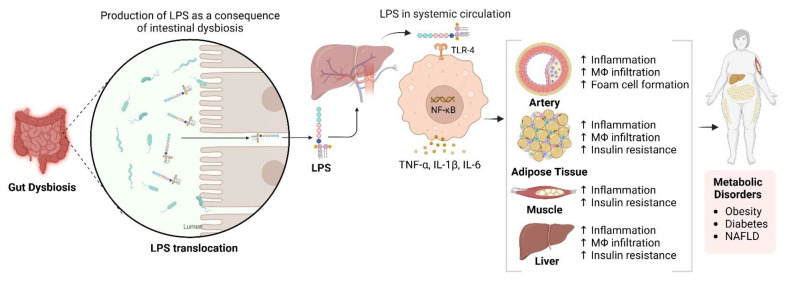
Metabolic dysfunction leading to non-alcoholic fatty liver disease (NAFLD) exhibits distinct molecular and immune signatures that are influenced by factors like gut microbiota. The gut microbiome interacts with the liver via a bidirectional relationship with the gut-liver axis. Microbial metabolites, sirtuins, and immune responses are pivotal in different metabolic diseases. This extensive review explores the complex and multifaceted interrelationship between sirtuins and gut microbiota, highlighting their importance in health and disease, particularly metabolic dysfunction and hepatocellular carcinoma (HCC). Sirtuins (SIRTs), classified as a group of NAD-dependent deacetylases, serve as crucial modulators of a wide spectrum of cellular functions, including metabolic pathways, the inflammatory response, and the process of senescence. Their subcellular localization and diverse functions link them to various health conditions, including NAFLD and cancer. Concurrently, the gut microbiota, comprising diverse microorganisms, significantly influences host metabolism and immune responses. Recent findings indicate that sirtuins modulate gut microbiota composition and function, while the microbiota can affect sirtuin activity. This bidirectional relationship is particularly relevant in metabolic disorders, where dysbiosis contributes to disease progression. The review highlights recent findings on the roles of specific sirtuins in maintaining gut health and their implications in metabolic dysfunction and HCC development. Understanding these interactions offers potential therapeutic avenues for managing diseases linked to metabolic dysregulation and liver pathology.
导致非酒精性脂肪性肝病(NAFLD)的代谢功能障碍表现出独特的分子和免疫特征,这些特征受到肠道微生物群等因素的影响。肠道微生物群通过与肠-肝轴的双向关系与肝脏相互作用。微生物代谢产物、沉默调节蛋白和免疫反应在不同的代谢性疾病中起着关键作用。这篇全面的综述探讨了沉默调节蛋白与肠道微生物群之间复杂而多方面的相互关系,强调了它们在健康和疾病中的重要性,特别是在代谢功能障碍和肝细胞癌(HCC)方面。沉默调节蛋白(SIRTs)被归类为一组依赖烟酰胺腺嘌呤二核苷酸(NAD)的脱乙酰酶,是广泛细胞功能的关键调节因子,包括代谢途径、炎症反应和衰老过程。它们的亚细胞定位和多样功能将它们与包括NAFLD和癌症在内的各种健康状况联系起来。同时,由多种微生物组成的肠道微生物群对宿主代谢和免疫反应有显著影响。最近的研究结果表明,沉默调节蛋白调节肠道微生物群的组成和功能,而微生物群可以影响沉默调节蛋白的活性。这种双向关系在代谢紊乱中尤为重要,其中生态失调会促进疾病进展。该综述强调了关于特定沉默调节蛋白在维持肠道健康中的作用及其对代谢功能障碍和HCC发展的影响的最新研究结果。了解这些相互作用为管理与代谢失调和肝脏病理相关的疾病提供了潜在的治疗途径。