Jităreanu Alexandra, Agoroaei Luminița, Caba Ioana-Cezara, Cojocaru Florina-Daniela, Vereștiuc Liliana, Vieriu Mădălina, Mârțu Ioana
Department of Toxicology, Faculty of Pharmacy, "Grigore T. Popa" University of Medicine and Pharmacy Iasi, 700115 Iasi, Romania.
Department of Biomedical Sciences, Faculty of Medical Bioengineering, "Grigore T. Popa" University of Medicine and Pharmacy Iasi, 700115 Iasi, Romania.
Toxics. 2025 Mar 8;13(3):195. doi: 10.3390/toxics13030195.
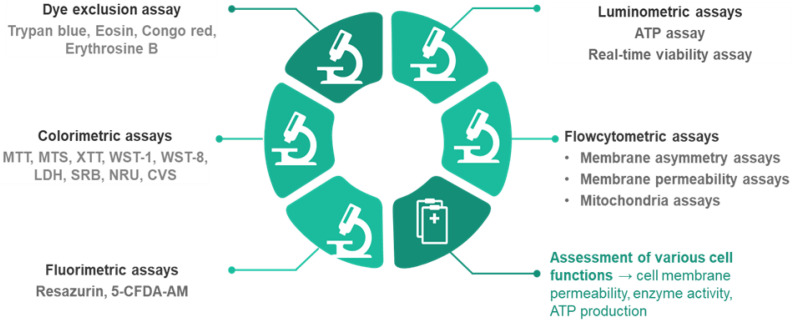
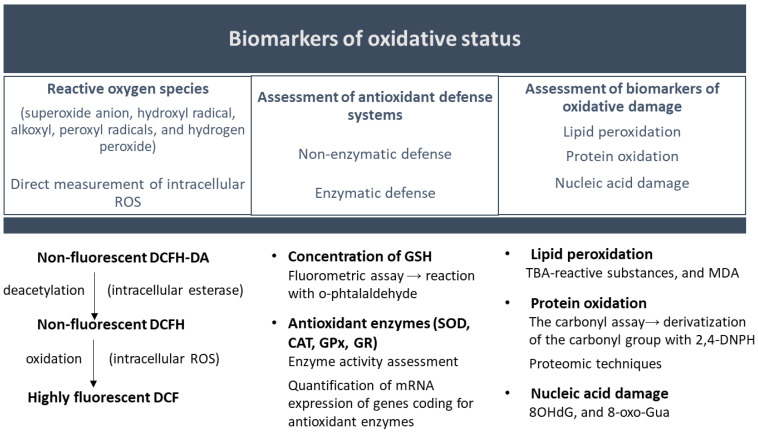
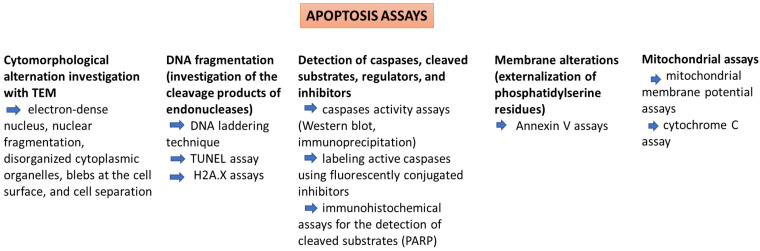
Since the oral cavity comes into contact with several xenobiotics (dental materials, oral hygiene formulations, drugs, or tobacco products), it is one major site for toxicity manifestation. Multiple parameters are assessed during toxicity testing (cell viability and proliferation, apoptosis, morphological changes, genotoxicity, oxidative stress, and inflammatory response). Due to the complexity of the oral cavity environment, researchers have made great efforts to design better in vitro models that mimic natural human anatomic and functional features. The present review describes the in vitro methods currently used to investigate the toxic potential of various agents on oral cavity tissues and their evolution from simple 2D cell culture systems to complex organ-a-chip designs.
由于口腔会接触多种外源性物质(牙科材料、口腔卫生制剂、药物或烟草制品),它是毒性表现的一个主要部位。在毒性测试过程中会评估多个参数(细胞活力和增殖、细胞凋亡、形态变化、遗传毒性、氧化应激和炎症反应)。由于口腔环境的复杂性,研究人员付出了巨大努力来设计更好的体外模型,以模拟人类自然的解剖和功能特征。本综述描述了目前用于研究各种药剂对口腔组织毒性潜力的体外方法,以及它们从简单的二维细胞培养系统到复杂的器官芯片设计的演变。