Stefanis Christos, Manisalidis Ioannis, Stavropoulou Elisavet, Stavropoulos Agathangelos, Tsigalou Christina, Voidarou Chrysoula Chrysa, Constantinidis Theodoros C, Bezirtzoglou Eugenia
Laboratory of Hygiene and Environmental Protection, Faculty of Medicine, Democritus University of Thrace, 68100 Alexandroupolis, Greece.
Delphis S.A., 14564 Kifisia, Greece.
Toxics. 2025 Mar 16;13(3):217. doi: 10.3390/toxics13030217.
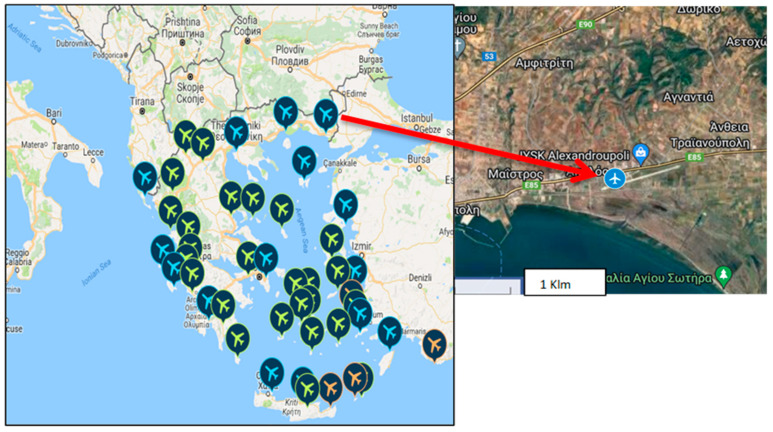
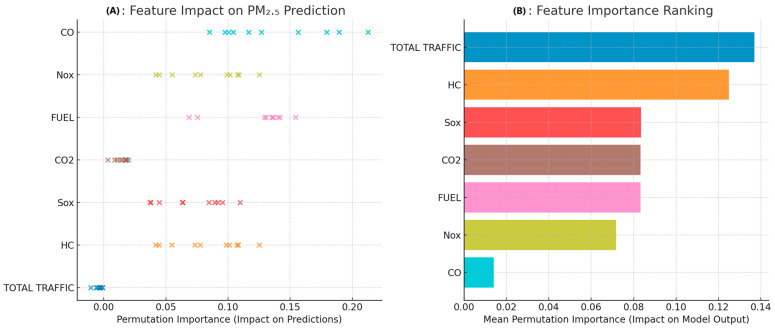
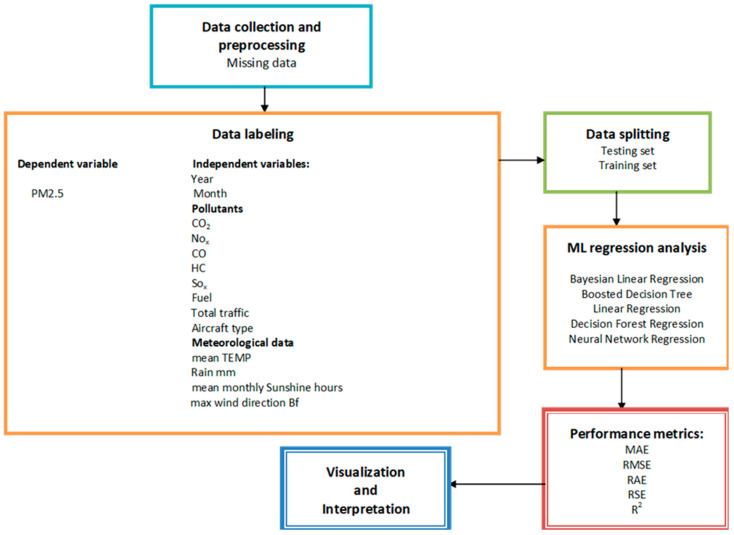
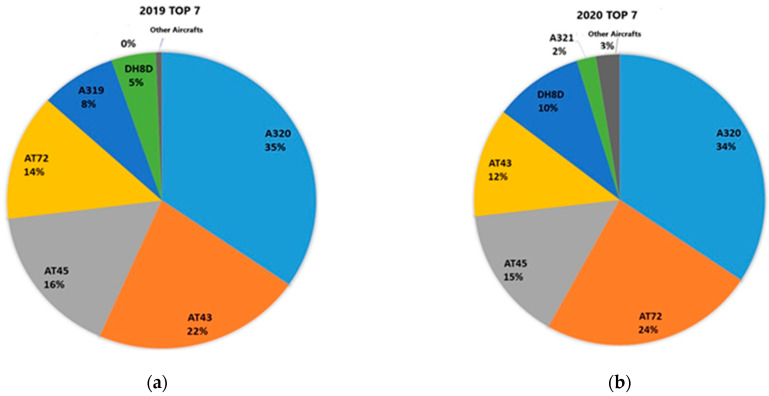
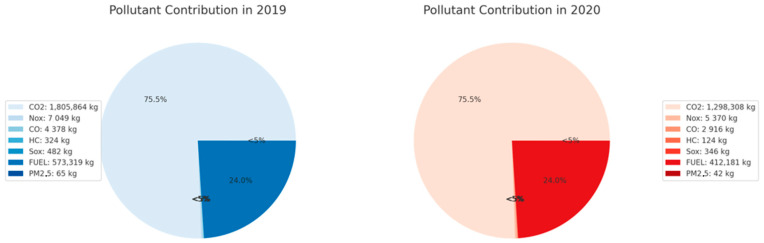
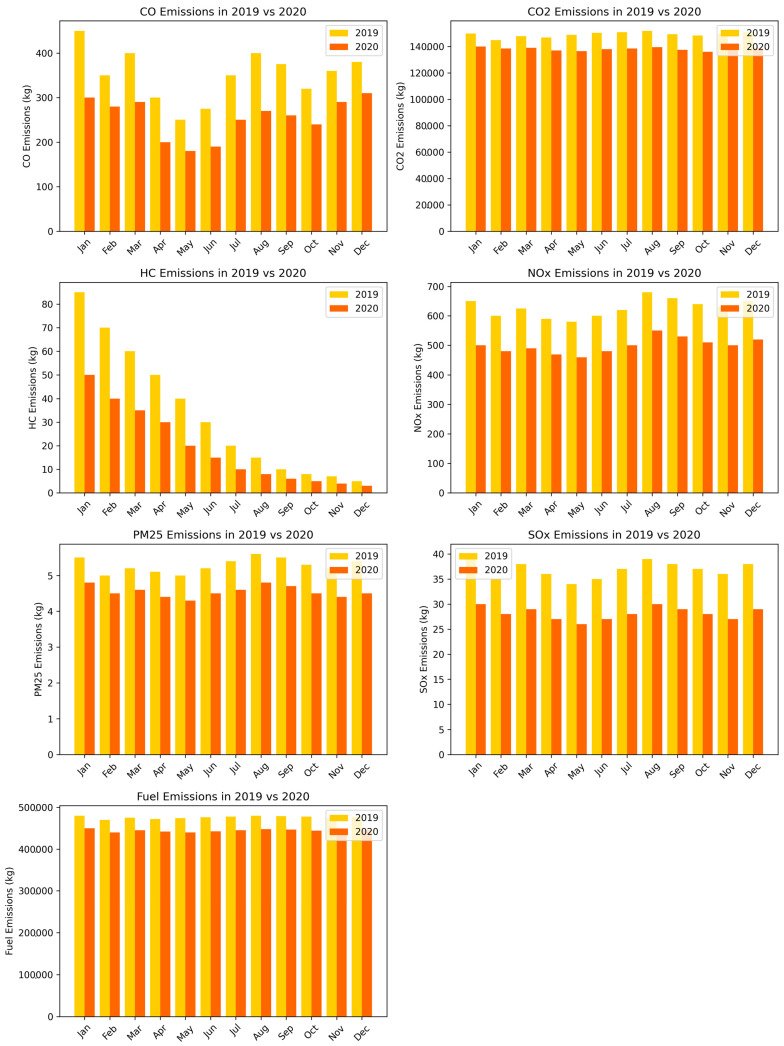
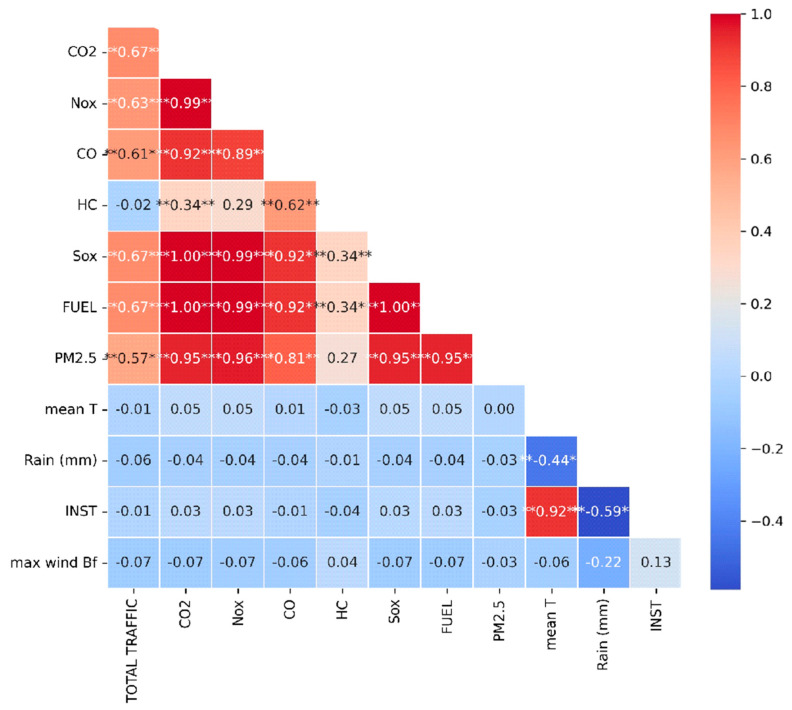
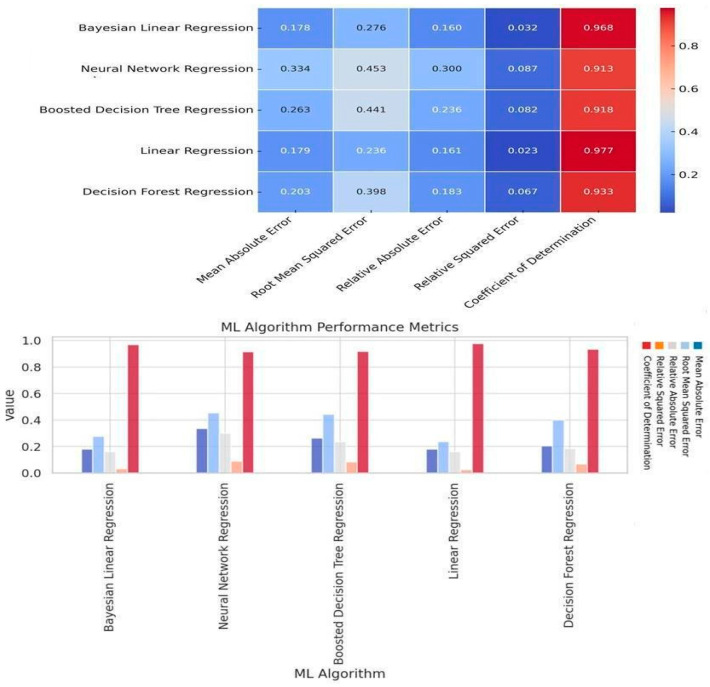
Aviation emissions significantly impact air quality, contributing to environmental degradation and public health risks. This study aims to assess the impact of aviation-related emissions on air quality at Alexandroupolis Regional Airport, Greece, and evaluate the role of meteorological factors in pollution dispersion. Using machine learning models, we analyzed emissions data, including CO, NOx, CO, HC, SOx, PM, fuel consumption, and meteorological parameters from 2019-2020. Results indicate that NOx and CO emissions showed the highest correlation with air traffic volume and fuel consumption (R = 0.63 and 0.67, respectively). Bayesian Linear Regression and Linear Regression emerged as the most accurate models, achieving an R value of 0.96 and 0.97, respectively, for predicting PM concentrations. Meteorological factors had a moderate influence, with precipitation negatively correlated with PM (-0.03), while temperature and wind speed showed limited effects on emissions. A significant decline in aviation emissions was observed in 2020, with CO emissions decreasing by 28.1%, NOx by 26.5%, and PM by 35.4% compared to 2019, reflecting the impact of COVID-19 travel restrictions. Carbon dioxide had the most extensive percentage distribution, accounting for 75.5% of total emissions, followed by fuels, which accounted for 24%, and the remaining pollutants, such as NOx, CO, HC, SOx, and PM, had more minor impacts. These findings highlight the need for optimized air quality management at regional airports, integrating machine learning for predictive monitoring and supporting policy interventions to mitigate aviation-related pollution.
航空排放对空气质量有重大影响,导致环境退化和公共健康风险。本研究旨在评估希腊亚历山德鲁波利斯地区机场与航空相关的排放对空气质量的影响,并评估气象因素在污染物扩散中的作用。我们使用机器学习模型分析了2019 - 2020年的排放数据,包括一氧化碳、氮氧化物、一氧化碳、碳氢化合物、硫氧化物、颗粒物、燃料消耗以及气象参数。结果表明,氮氧化物和一氧化碳排放与空中交通流量和燃料消耗的相关性最高(分别为R = 0.63和0.67)。贝叶斯线性回归和线性回归成为最准确的模型,在预测颗粒物浓度方面,R值分别达到0.96和0.97。气象因素有一定影响,降水与颗粒物呈负相关(-0.03),而温度和风速对排放的影响有限。2020年航空排放显著下降,与2019年相比,一氧化碳排放减少了28.1%,氮氧化物减少了26.5%,颗粒物减少了35.4%,这反映了新冠疫情旅行限制的影响。二氧化碳的百分比分布最广,占总排放量的75.5%,其次是燃料,占24%,其余污染物如氮氧化物、一氧化碳、碳氢化合物、硫氧化物和颗粒物的影响较小。这些发现凸显了在地区机场进行优化空气质量管理的必要性,整合机器学习进行预测监测,并支持政策干预以减轻与航空相关的污染。