Zheng Yang, Bai Baoling, Wei Zhimiao, Zhang Mingming, Zhang Qin, Li Xiaohui
Department of Cardiovascular Medicine, Children's Hospital Capital Institute of Pediatrics, Peking Union Medical College Graduate School, Beijing 100020, China.
Beijing Municipal Key Laboratory of Child Development and Nutriomics, Capital Institute of Pediatrics, Beijing 100020, China.
Int J Mol Sci. 2025 Mar 16;26(6):2668. doi: 10.3390/ijms26062668.
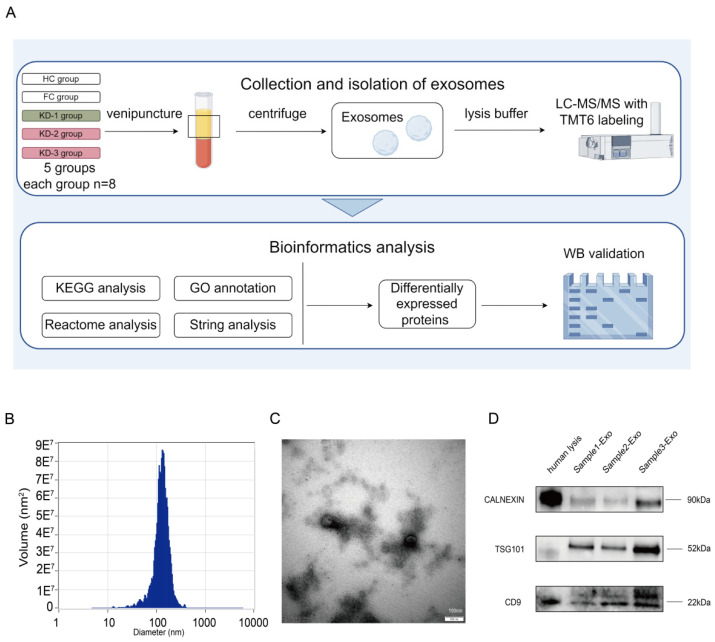
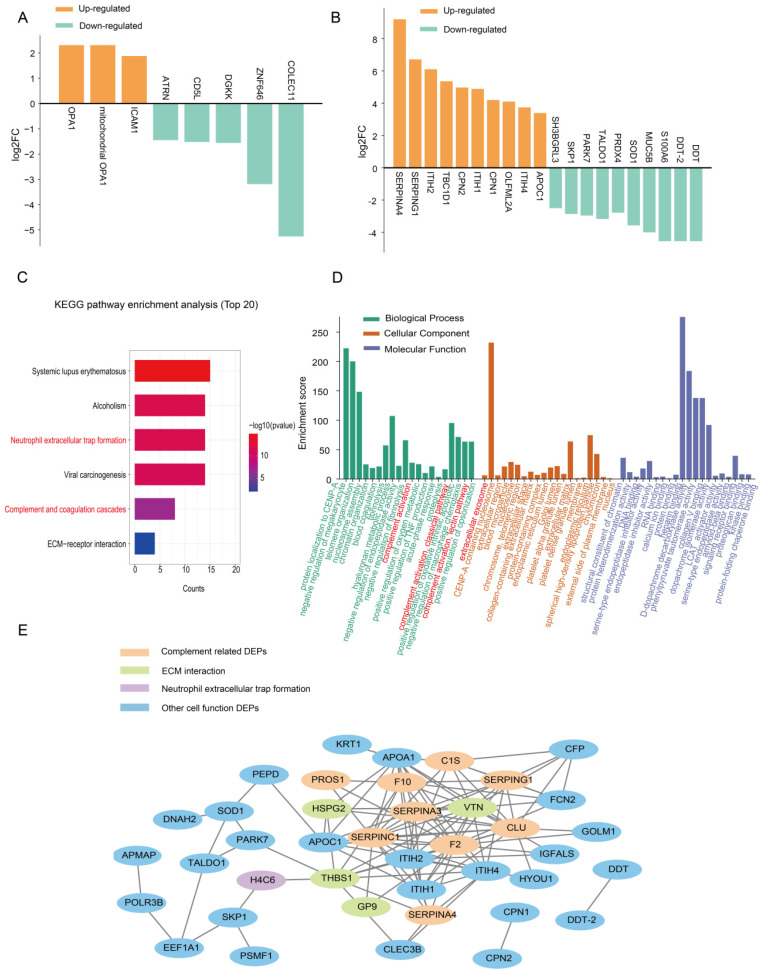
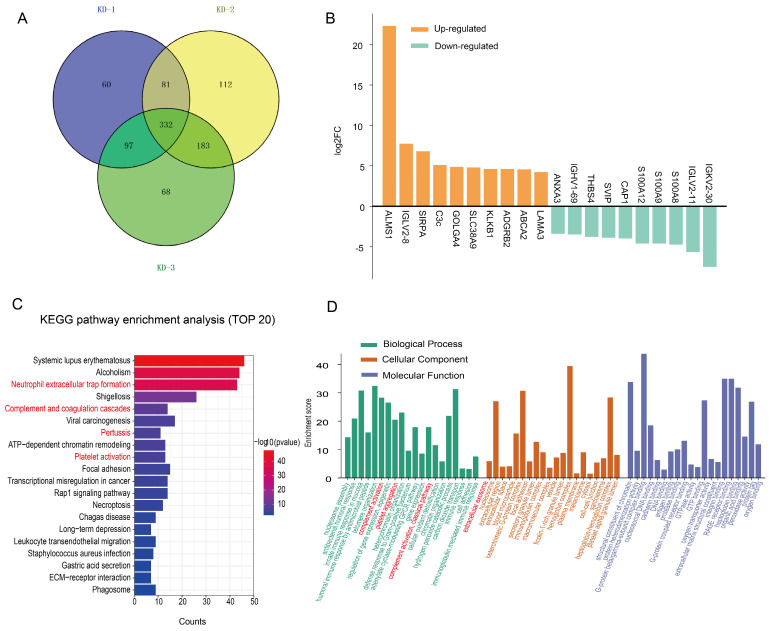
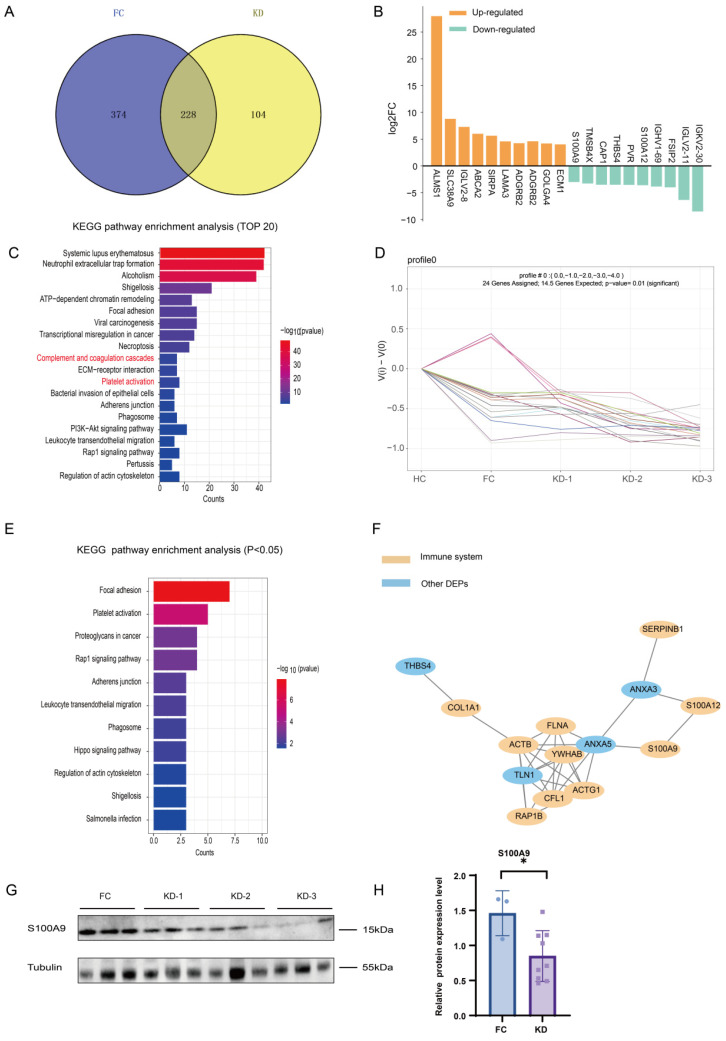
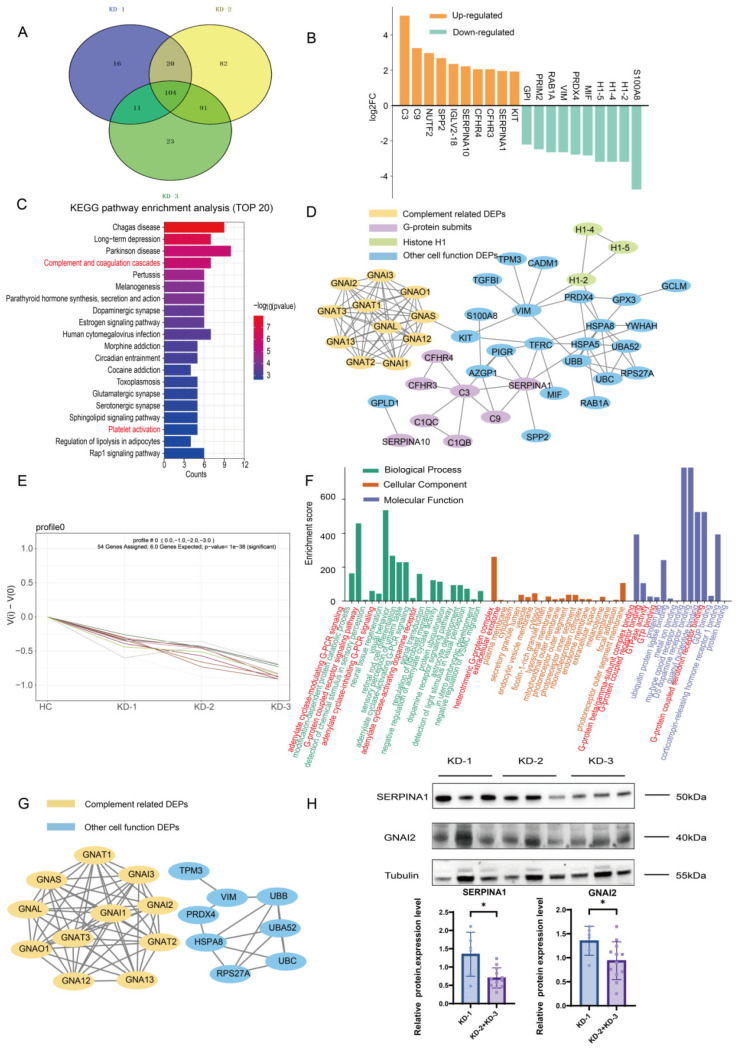
Kawasaki disease (KD) with coronary artery aneurysms (CAAs) is currently the primary cause of childhood acquired heart disease with an unclear pathogenesis. We established five groups for the discovery of differentially expressed proteins (DEPs): healthy control, febrile control, KD without CAAs, KD with small and medium CAAs, and KD with giant CAAs ( = 8 in each group). The validation of selected DEPs was conducted in another five groups ( = 4 in each group). We conducted comprehensive bioinformatics analyses to elucidate the functional roles of the DEPs in the groups of KD with CAAs and KD without CAAs. A total of 104 DEPs were identified in KD patients, which were primarily associated with complement-related pathways. A trend analysis of these 104 DEPs revealed 54 significantly changed DEPs associated with increased disease severity, which were primarily associated with G-protein-related functions. The alterations in α-1-antitrypsin short peptide (SERPINA1) and guanine nucleotide-binding protein G(i) subunit alpha-2 (GNAI2), which were selected from complement-related and G-protein-related pathways, respectively, were validated by Western blotting, and they were significantly decreased in KD patients with vs. without CAAs. In addition, we conducted an analysis of the DEPs in the groups of KD with CAAs and KD without CAAs, separately. There were 91 DEPs specifically expressed in KD patients with CAAs, associated with the neutrophil extracellular trap and complement pathways, while 16 DEPs were specific to those without CAAs, associated with viral infection and immunity pathways. Additionally, for DEPs among different severities of CAAs, there were 102 DEPs in KD patients with small and medium CAAs, associated with complement pathways and platelet activation pathways, whereas 34 DEPs were specific to giant CAAs, associated with the Rap1 signaling pathway and cell functions. In conclusion, this study provides plasmatic exosomal protein profiles in KD patients with CAAs, suggesting that SERPINA1 and GNIA2 might serve as novel potential diagnostic biomarkers for KD with CAAs.
患有冠状动脉瘤(CAA)的川崎病(KD)是目前儿童后天性心脏病的主要病因,其发病机制尚不清楚。我们设立了五组用于发现差异表达蛋白(DEP):健康对照、发热对照、无CAA的KD、有中小CAA的KD和有巨大CAA的KD(每组n = 8)。在另外五组(每组n = 4)中对选定的DEP进行验证。我们进行了全面的生物信息学分析,以阐明DEP在有CAA的KD组和无CAA的KD组中的功能作用。在KD患者中总共鉴定出104种DEP,它们主要与补体相关途径有关。对这104种DEP的趋势分析显示,有54种显著变化的DEP与疾病严重程度增加相关,它们主要与G蛋白相关功能有关。分别从补体相关途径和G蛋白相关途径中选出的α-1-抗胰蛋白酶短肽(SERPINA1)和鸟嘌呤核苷酸结合蛋白G(i)亚基α-2(GNAI2)的变化,通过蛋白质印迹法得到验证,并且在有CAA的KD患者中与无CAA的KD患者相比它们显著降低。此外,我们分别对有CAA的KD组和无CAA的KD组中的DEP进行了分析。有91种DEP在有CAA的KD患者中特异性表达,与中性粒细胞胞外陷阱和补体途径有关,而有16种DEP在无CAA的患者中具有特异性,与病毒感染和免疫途径有关。此外,对于不同严重程度CAA中的DEP,有中小CAA的KD患者中有102种DEP,与补体途径和血小板激活途径有关,而有34种DEP在巨大CAA中具有特异性,与Rap1信号通路和细胞功能有关。总之,本研究提供了有CAA的KD患者的血浆外泌体蛋白谱,表明SERPINA1和GNIA2可能作为有CAA的KD的新型潜在诊断生物标志物。