Iwamoto Hideyuki, Sanada Junpei, Kimura Tomohiko, Shimoda Masashi, Iwamoto Yuichiro, Dan Kazunori, Fushimi Yoshiro, Katakura Yukino, Nogami Yuka, Shirakiya Yoshiko, Yamasaki Yuki, Nakanishi Shuhei, Mune Tomoatsu, Kaku Kohei, Kaneto Hideaki
Department of Diabetes, Endocrinology and Metabolism, Kawasaki Medical School, 577 Matsushima, Kurashiki, 701-0192, Japan.
Sci Rep. 2025 Mar 29;15(1):10887. doi: 10.1038/s41598-025-95324-z.
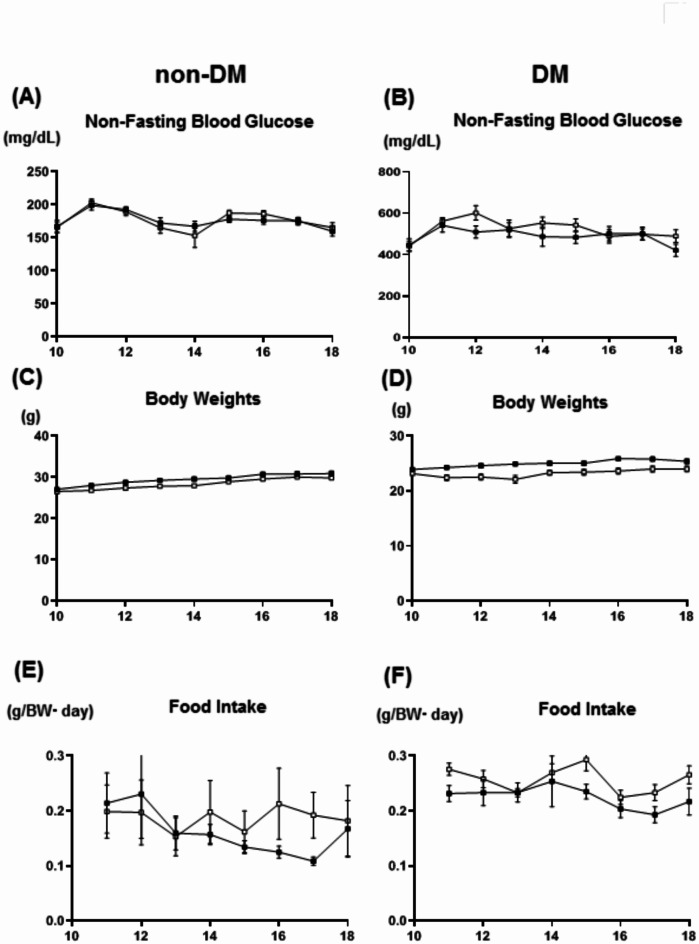
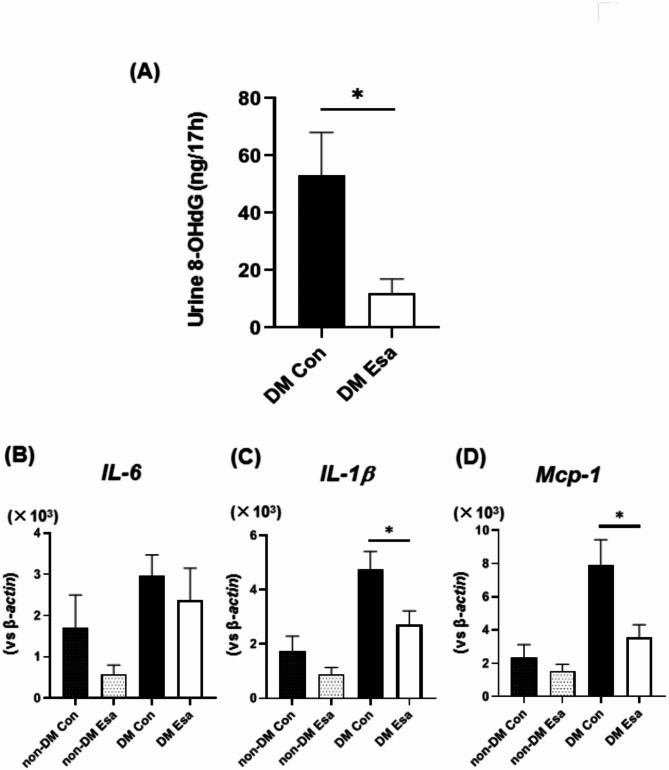
Endothelial damage mediated by mineralocorticoid receptor (MR) is an important factor in the development of atherosclerosis. Esaxerenone is a highly selective drug that can specifically block MR activity. The aim of this study is to examine whether specific blocking of mineralocorticoid signaling with esaxerenone exerts favorable effects on the progression of atherosclerosis. ApoE KO mice were used as a model of atherosclerosis. In addition to a non-diabetic model, we created a diabetic model using streptozotocin. These were divided into a control group and an esaxerenone group. Esaxerenone-containing diet was provided for 8 weeks starting at 10 weeks of age. Various metabolic markers and abdominal aortic mRNA expression were evaluated, and histological examination of the aortic arch and thoracic aorta was performed. We also used human aortic smooth muscle cells (HASMCs) to investigate the possible direct effects of esaxerenone on vascular smooth muscle cells. In diabetic mice, plaque area in the aortic arch was significantly smaller in esaxerenone group compared to control group, although there were no differences in blood pressure, serum lipid levels between the two groups. Inflammation-related genes, macrophage marker, cell adhesion factors and oxidative stress marker were all significantly lower in esaxerenone group. The studies using HASMCs have confirmed that esaxerenone has anti-inflammatory effects on vascular smooth muscle cells. Specific blocking of mineralocorticoid signaling with esaxerenone exerts favorable effects on the progression of atherosclerosis without influencing blood pressure and glycolipid metabolism.
盐皮质激素受体(MR)介导的内皮损伤是动脉粥样硬化发展的重要因素。依沙芦生是一种能特异性阻断MR活性的高选择性药物。本研究的目的是检验用依沙芦生特异性阻断盐皮质激素信号传导是否对动脉粥样硬化的进展产生有利影响。载脂蛋白E基因敲除(ApoE KO)小鼠被用作动脉粥样硬化模型。除了非糖尿病模型外,我们还用链脲佐菌素创建了糖尿病模型。这些小鼠被分为对照组和依沙芦生组。从10周龄开始提供含依沙芦生的饮食,持续8周。评估各种代谢指标和腹主动脉mRNA表达,并对主动脉弓和胸主动脉进行组织学检查。我们还使用人主动脉平滑肌细胞(HASMCs)来研究依沙芦生对血管平滑肌细胞可能的直接作用。在糖尿病小鼠中,依沙芦生组主动脉弓的斑块面积明显小于对照组,尽管两组之间的血压、血脂水平没有差异。依沙芦生组中炎症相关基因、巨噬细胞标志物、细胞黏附因子和氧化应激标志物均显著降低。使用HASMCs的研究证实依沙芦生对血管平滑肌细胞具有抗炎作用。用依沙芦生特异性阻断盐皮质激素信号传导对动脉粥样硬化的进展产生有利影响,而不影响血压和糖脂代谢。