Hu Xiaofeng, Xie Jian, Su Jiansheng
Shanghai Engineering Research Center of Tooth Restoration and Regeneration & Tongji Research Institute of Stomatology & Department of Prosthodontics, Dental School, Shanghai Tongji Stomatological Hospital, Tongji University, Shanghai, 200072, China.
J Nanobiotechnology. 2025 Apr 5;23(1):276. doi: 10.1186/s12951-025-03355-5.
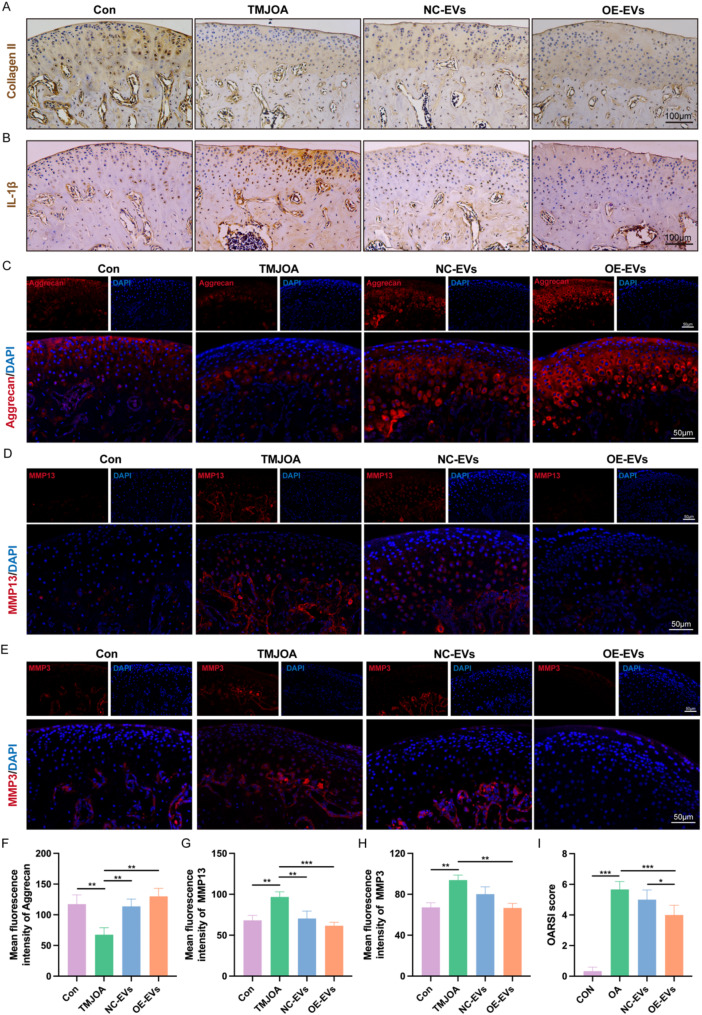
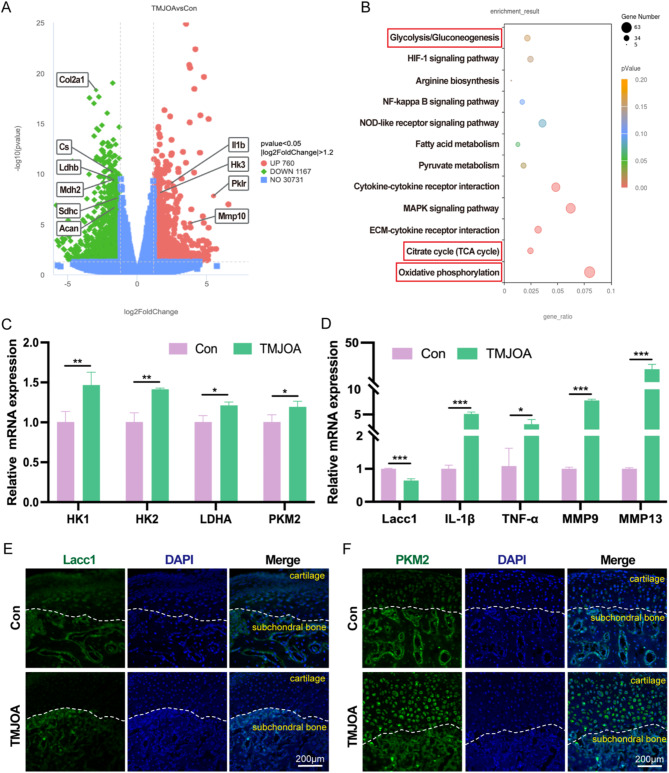
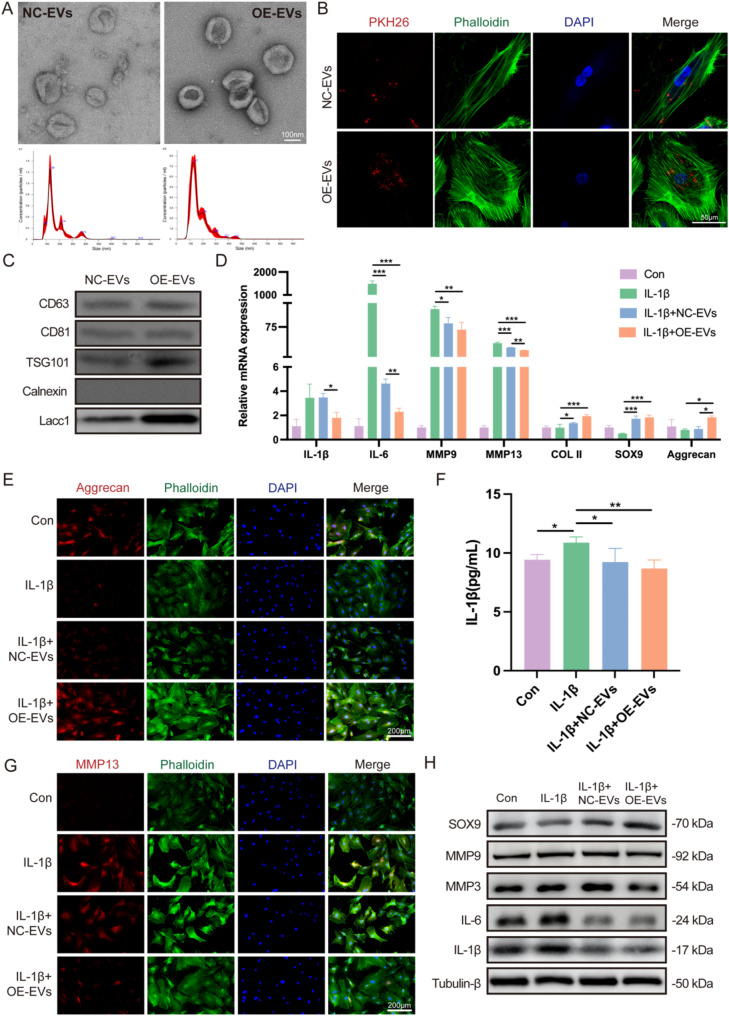
Temporomandibular joint osteoarthritis (TMJOA) is a multifaceted degenerative disease characterized by progressive cartilage degradation, chronic pain, and functional limitations of the TMJ, significantly affecting patients' quality of life. Although metabolic homeostasis in chondrocytes is crucial for cartilage health, the mechanisms underlying metabolic dysregulation in TMJOA remain poorly characterized. This study aimed to investigate the metabolic imbalance in TMJOA cartilage and explore novel therapeutic strategies targeting metabolic reprogramming. RNA sequencing revealed a significant imbalance between glycolysis and oxidative phosphorylation (OXPHOS) in TMJOA cartilage, with a marked shift toward glycolysis, which is associated with inflammation and cartilage degradation. To counteract this imbalance, Laccase domain-containing 1 (Lacc1), a metabolic regulator involved in both inflammation and metabolic homeostasis, was selected for investigation, as its role in chondrocytes had not been explored. We engineered macrophage-derived extracellular vesicles (EVs) to overexpress Lacc1 (OE-EVs), aiming to restore metabolic balance and modulate inflammation in chondrocytes. In vitro, OE-EVs significantly reduced IL-1β-induced inflammation, inhibited glycolysis by decreasing key glycolytic enzymes, improved mitochondrial function by decreasing mitochondrial superoxide levels, and the restoration of normal mitochondrial structure. In vivo, micro-computed tomography (Micro-CT) and histological analyses demonstrated that OE-EVs effectively alleviated inflammation and promoted cartilage repair, as indicated by a 1.55-fold increase in toluidine blue-stained cartilage area compared to the TMJOA group, reflecting improved cartilage matrix integrity and proteoglycan retention. These findings highlight the therapeutic potential of Lacc1-engineered EVs to target mitochondrial metabolism, reestablish metabolic homeostasis, and reduce inflammation in TMJOA, offering a novel and promising strategy for improving clinical outcomes in TMJOA patients.
颞下颌关节骨关节炎(TMJOA)是一种多方面的退行性疾病,其特征为渐进性软骨降解、慢性疼痛和颞下颌关节功能受限,严重影响患者的生活质量。尽管软骨细胞中的代谢稳态对软骨健康至关重要,但TMJOA中代谢失调的潜在机制仍未得到充分表征。本研究旨在调查TMJOA软骨中的代谢失衡,并探索针对代谢重编程的新型治疗策略。RNA测序显示TMJOA软骨中糖酵解与氧化磷酸化(OXPHOS)之间存在显著失衡,明显向糖酵解方向转变,这与炎症和软骨降解相关。为了抵消这种失衡,选择了参与炎症和代谢稳态的代谢调节剂含漆酶结构域1(Lacc1)进行研究,因为其在软骨细胞中的作用尚未被探索。我们设计巨噬细胞衍生的细胞外囊泡(EVs)来过表达Lacc1(OE-EVs),旨在恢复软骨细胞中的代谢平衡并调节炎症。在体外,OE-EVs显著降低了IL-1β诱导的炎症,通过减少关键糖酵解酶抑制了糖酵解,通过降低线粒体超氧化物水平改善了线粒体功能,并恢复了正常的线粒体结构。在体内,微计算机断层扫描(Micro-CT)和组织学分析表明,OE-EVs有效减轻了炎症并促进了软骨修复,与TMJOA组相比,甲苯胺蓝染色的软骨面积增加了1.55倍,这反映了软骨基质完整性和蛋白聚糖保留的改善。这些发现突出了Lacc1工程化EVs靶向线粒体代谢、重建代谢稳态并减少TMJOA炎症的治疗潜力,为改善TMJOA患者的临床结局提供了一种新颖且有前景的策略。