Sanchez Nilda C, Mani Gopikrishnan, Nowak Joanna I, Jones Carlin, Kim Young-Il, Sharma Nirmal S, Zmijewski Jaroslaw W, Surolia Ranu
Division of Pulmonary, Allergy, and Critical Care, Department of Medicine, University of Alabama at Birmingham, Birmingham, AL, 35294, USA.
Brigham and Women's Hospital, Harvard Medical School, Boston, MA, USA.
Sci Rep. 2025 Apr 7;15(1):11840. doi: 10.1038/s41598-025-95645-z.
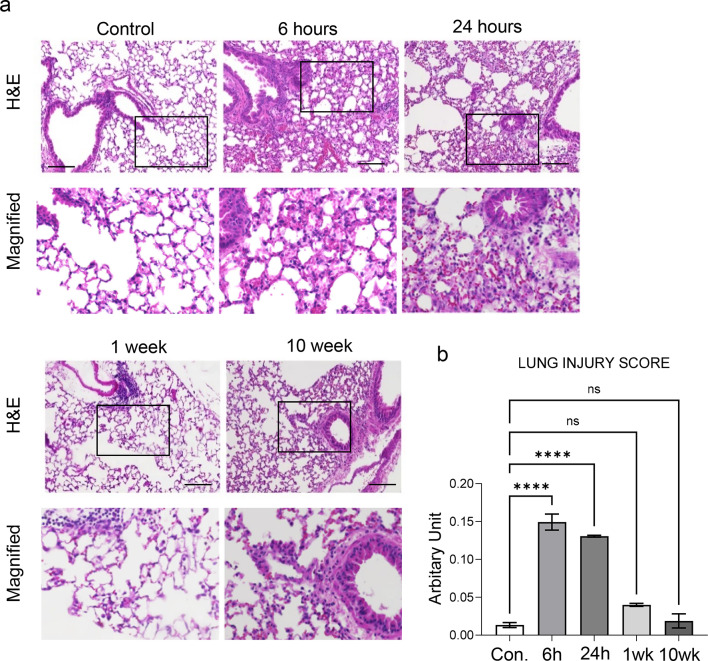
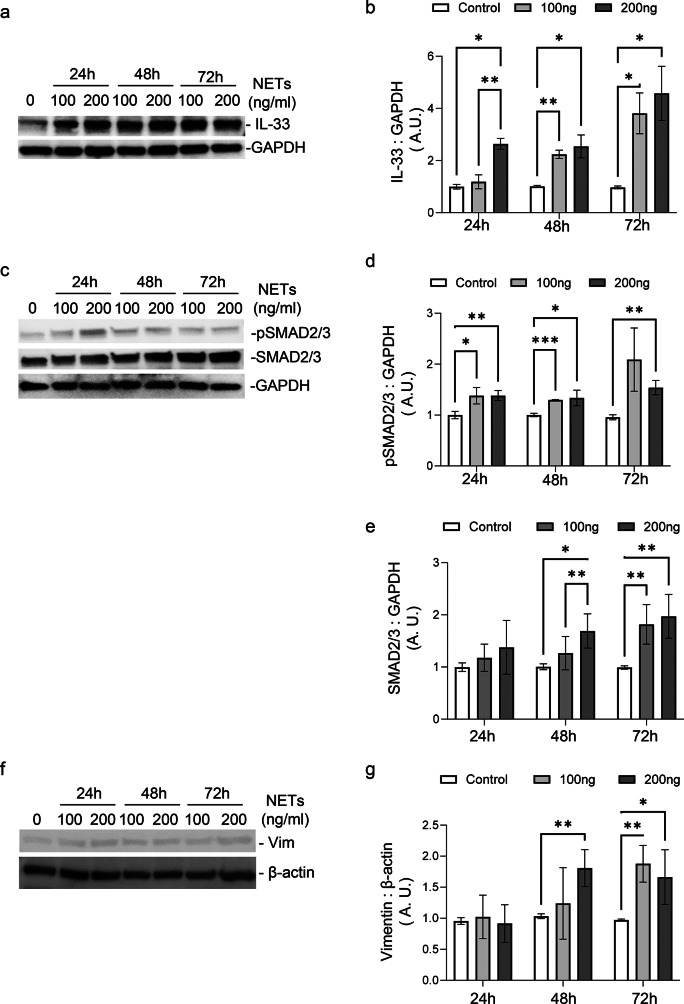
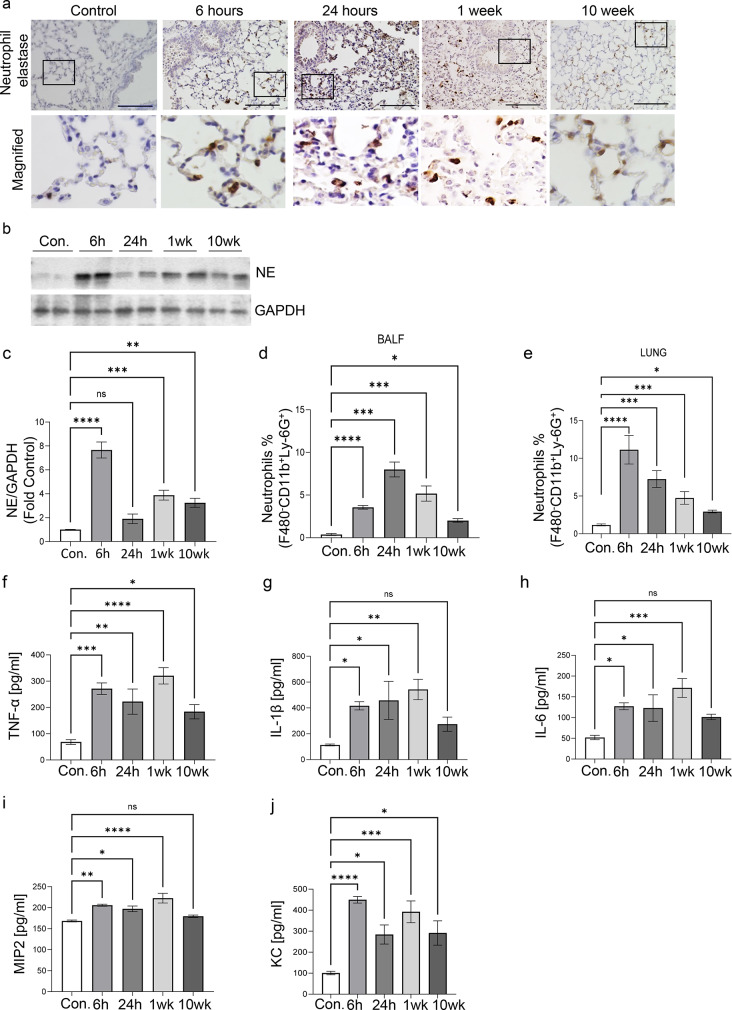
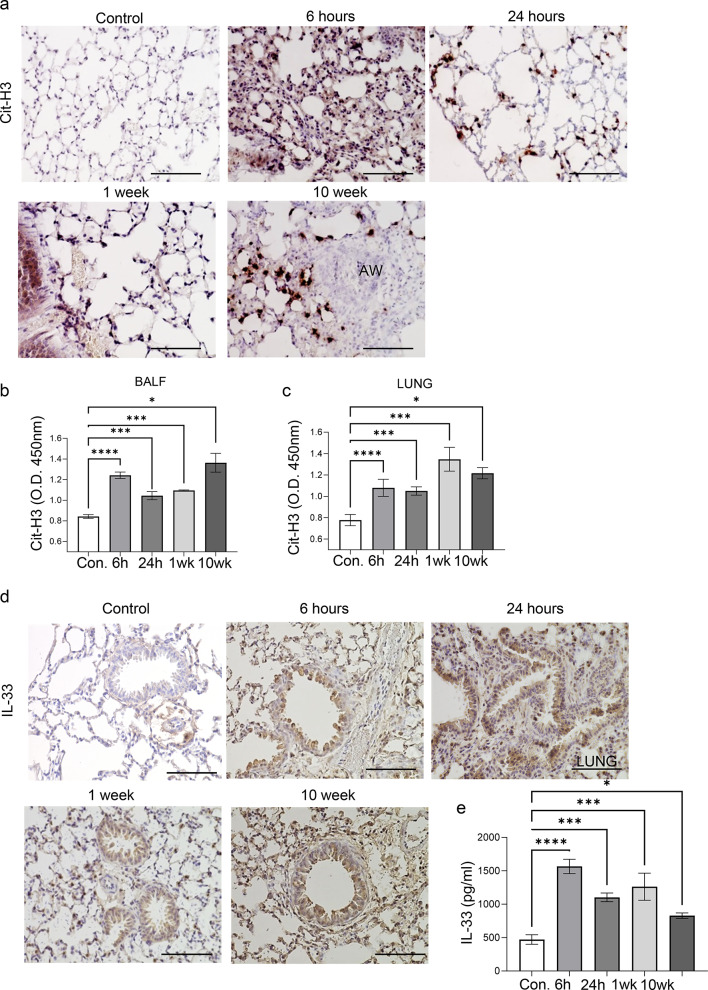
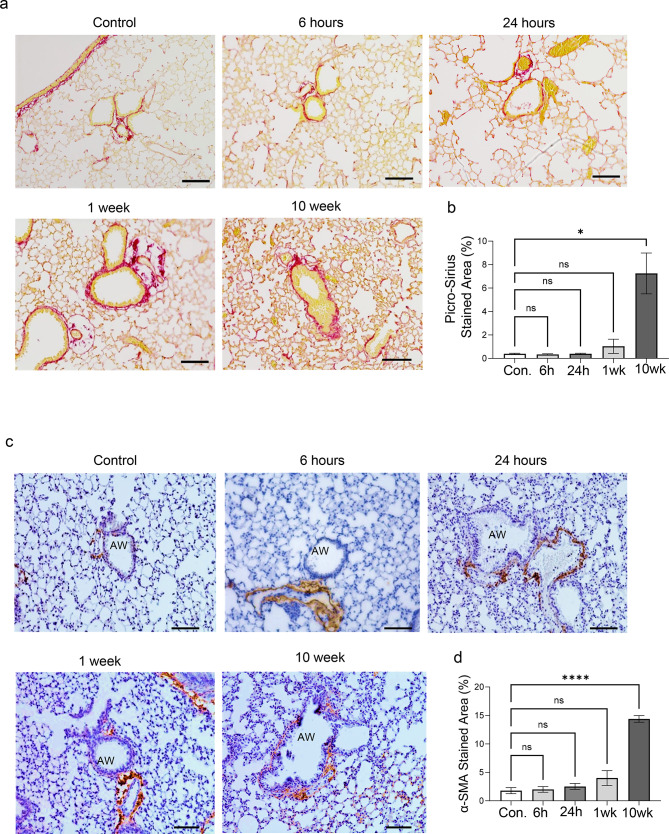
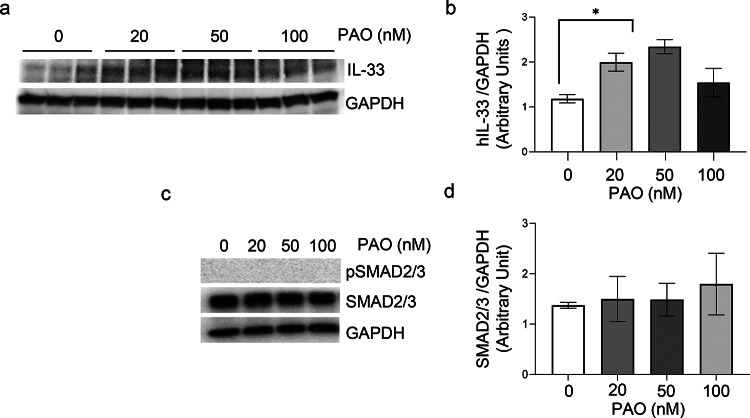
Phenyl arsine oxide (PAO) is a vesicant, similar to Lewisite, a potential chemical warfare agent and an environmental contaminant. PAO-induced skin burns can trigger acute organ injury, including lungs. We have recently demonstrated that PAO burns can have delayed toxicity, although the specific mechanism/s remain to be determined. A single cutaneous exposure to PAO resulted in inflammatory acute lung injury at 6 and 24 h. While acute injury subsiding by 1 week, we observed a significant airway remodeling at 10 weeks post-PAO exposure. The mechanism of prolonged PAO toxicity was associated with the influx of neutrophils that produced harmful neutrophil extracellular traps (NETs). We demonstrated that the crosstalk between NET deployments and expression of IL-33, a pro-remodeling mediator was associated with the development of peribronchial fibrosis. In summary, these results suggest that a single cutaneous exposure to PAO causes the acute inflammatory phase followed by NETs/IL-33 feed forward signaling implicated for the persistent neutrophil influx and NETs formation resulting in airway remodeling.
苯胂氧化物(PAO)是一种糜烂剂,类似于路易氏剂,是一种潜在的化学战剂和环境污染物。PAO引起的皮肤烧伤可引发急性器官损伤,包括肺部损伤。我们最近证明,PAO烧伤可能具有延迟毒性,尽管具体机制仍有待确定。单次皮肤接触PAO会在6小时和24小时时导致炎症性急性肺损伤。虽然急性损伤在1周时消退,但我们观察到在PAO暴露后10周出现了明显的气道重塑。PAO毒性延长的机制与产生有害中性粒细胞胞外陷阱(NETs)的中性粒细胞流入有关。我们证明,NETs释放与促重塑介质IL-33的表达之间的相互作用与支气管周围纤维化的发展有关。总之,这些结果表明,单次皮肤接触PAO会导致急性炎症期,随后是NETs/IL-33前馈信号,这与持续的中性粒细胞流入和NETs形成有关,从而导致气道重塑。