Kułak Karolina, Samelak-Czajka Anna, Marszalek-Zenczak Malgorzata, Michalak Kornel M, Trybus Magdalena, Minicka Julia, Jackowiak Paulina, Bagniewska-Zadworna Agnieszka
Department of General Botany, Institute of Experimental Biology, Faculty of Biology, Adam Mickiewicz University, Uniwersytetu Poznanskiego 6, Poznan, 61-614, Poland.
Laboratory of Single Cell Analyses, Institute of Bioorganic Chemistry, Polish Academy of Sciences, Noskowskiego 12/14, Poznan, 61-704, Poland.
BMC Plant Biol. 2025 Apr 10;25(1):456. doi: 10.1186/s12870-025-06439-4.
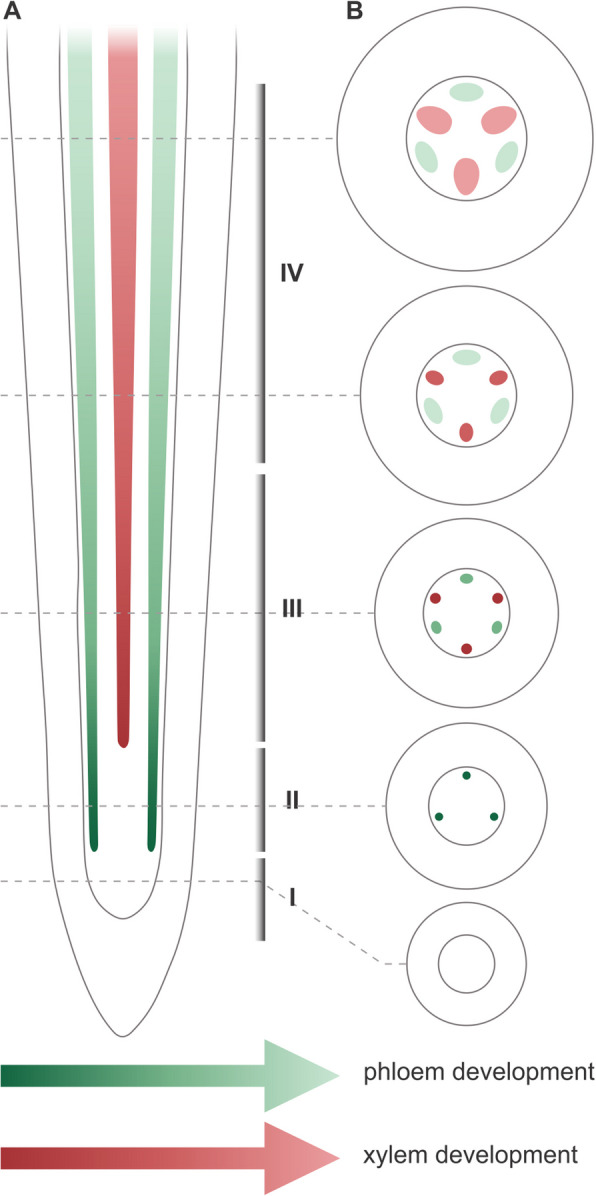
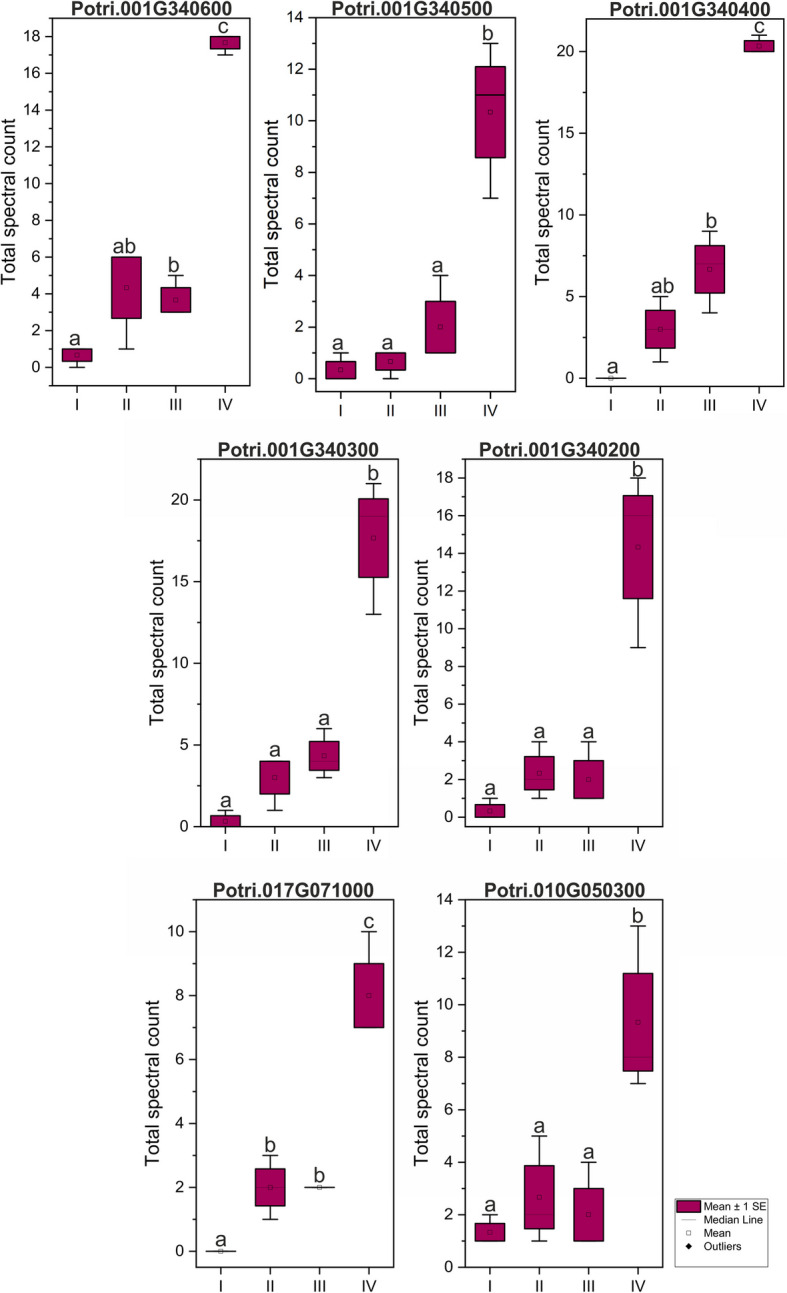
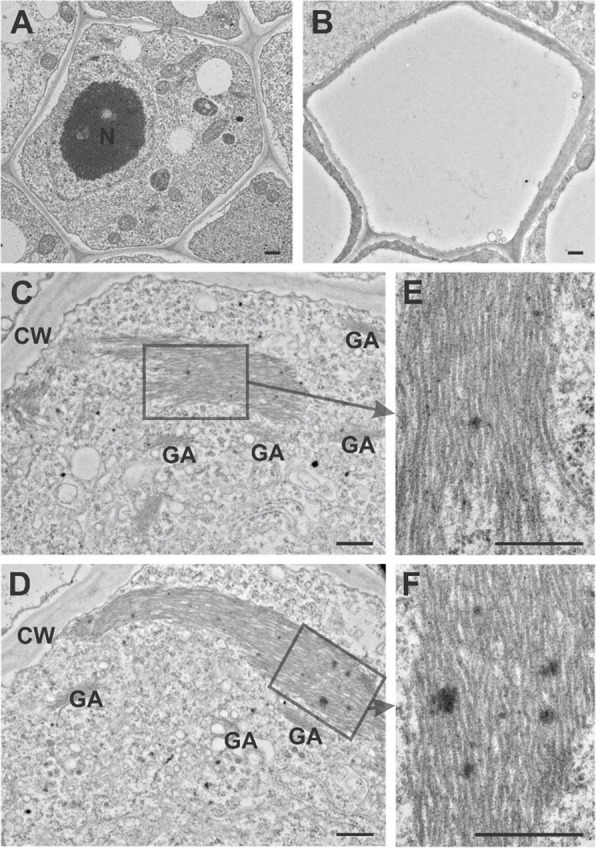
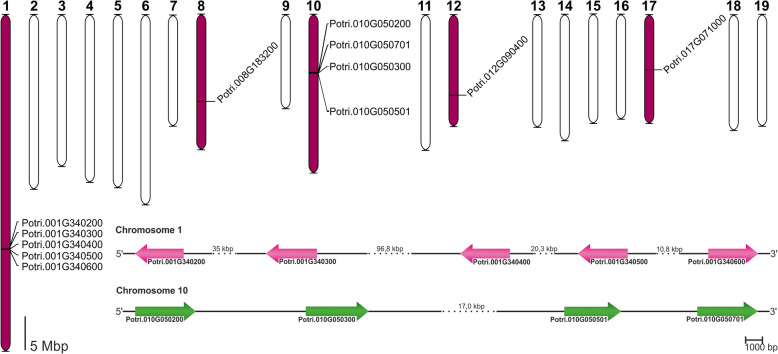
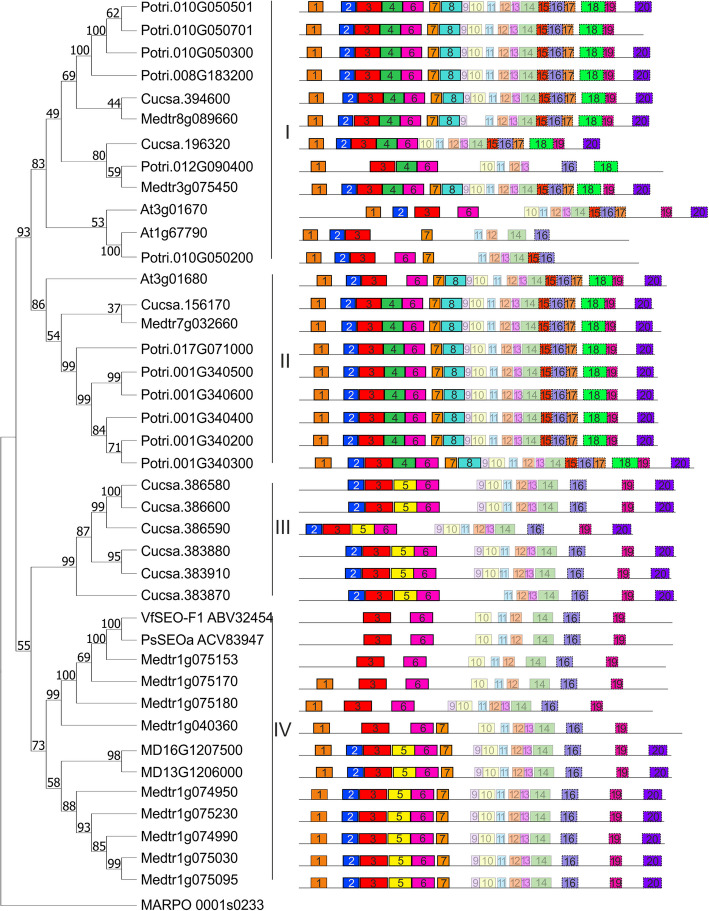
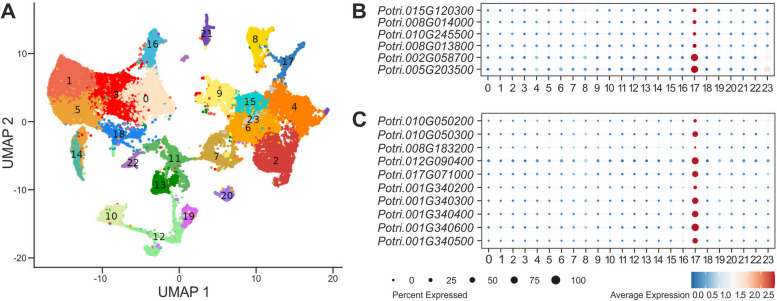
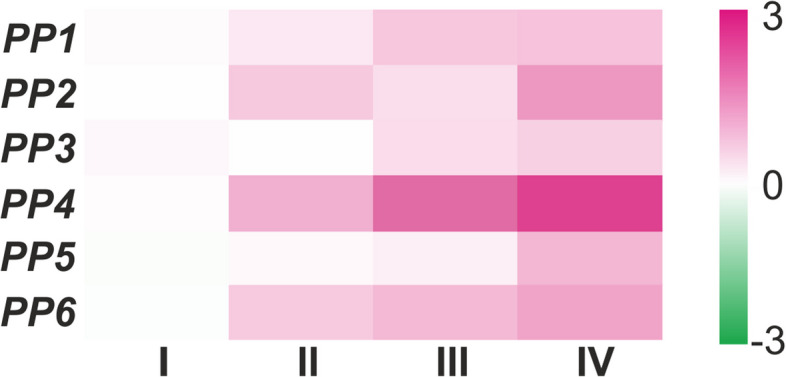
Phloem, an exceptional plant vascular tissue, facilitates the transport of photoassimilates, RNAs, and other signaling substances from the leaves to the roots throughout the plant. Among the specialized phloem cells are the conductive sieve elements (SEs), which are unique in that they remain alive despite lacking several cell organelles, including the nucleus, plastids, and most mitochondria. These SEs contain a specific proteinaceous structure composed of phloem-specific proteins (P-proteins), whose function is not yet fully understood. Various P-proteins have been characterized in broad range of model species, including Arabidopsis thaliana, and reported in Fabaceae and Cucurbitaceae plants. To date, only one P-protein has been identified in the model tree species Populus trichocarpa. Given the presence of multiple P-protein encoding genes across numerous plant species, we hypothesized the existence of multiple such genes in the Populus genome. Our genomic analysis uncovered 12 genes being potential orthologues to one of A. thaliana P-protein - SEOR (sieve element occlusion-related) genes, which may contribute to the proteinaceous structures observed in differentiating sieve elements. Our transcriptomic and proteomic analyses confirmed the expression of at least seven of these genes, indicating that the protein structure visible in mature sieve elements in P. trichocarpa may be heterogeneous.
韧皮部是一种特殊的植物维管组织,它有助于将光合产物、RNA和其他信号物质从叶片运输到整个植物的根部。在特化的韧皮部细胞中,有传导性筛管分子(SEs),其独特之处在于尽管缺少包括细胞核、质体和大多数线粒体在内的几种细胞器,但它们仍然存活。这些筛管分子含有一种由韧皮部特异性蛋白质(P-蛋白)组成的特定蛋白质结构,其功能尚未完全了解。在包括拟南芥在内的多种模式物种中已对各种P-蛋白进行了表征,并在豆科和葫芦科植物中有报道。迄今为止,在模式树种毛果杨中仅鉴定出一种P-蛋白。鉴于众多植物物种中存在多个编码P-蛋白的基因,我们推测毛果杨基因组中存在多个此类基因。我们的基因组分析发现有12个基因可能是拟南芥P-蛋白之一——SEOR(筛管分子堵塞相关)基因的直系同源基因,这些基因可能有助于在分化中的筛管分子中观察到的蛋白质结构的形成。我们的转录组学和蛋白质组学分析证实了其中至少7个基因的表达,这表明在毛果杨成熟筛管分子中可见的蛋白质结构可能是异质性的。