Li Yun, Wang Junnan, Chen Yang, Qiu Feng, Sun Tao, Zhao Xuli
Department of Pain Management, Shandong Provincial Hospital affiliated to Shandong First Medical University, Jinan, Shandong, China.
Eur J Med Res. 2025 Apr 12;30(1):272. doi: 10.1186/s40001-025-02560-0.
Postherpetic neuralgia (PHN) is a debilitating neuropathic pain condition that persists after herpes zoster infection, often resistant to conventional medications. This study compares the long-term efficacy and safety of short-term spinal cord stimulation (stSCS) versus bipolar pulsed radiofrequency (bPRF) in managing refractory PHN.
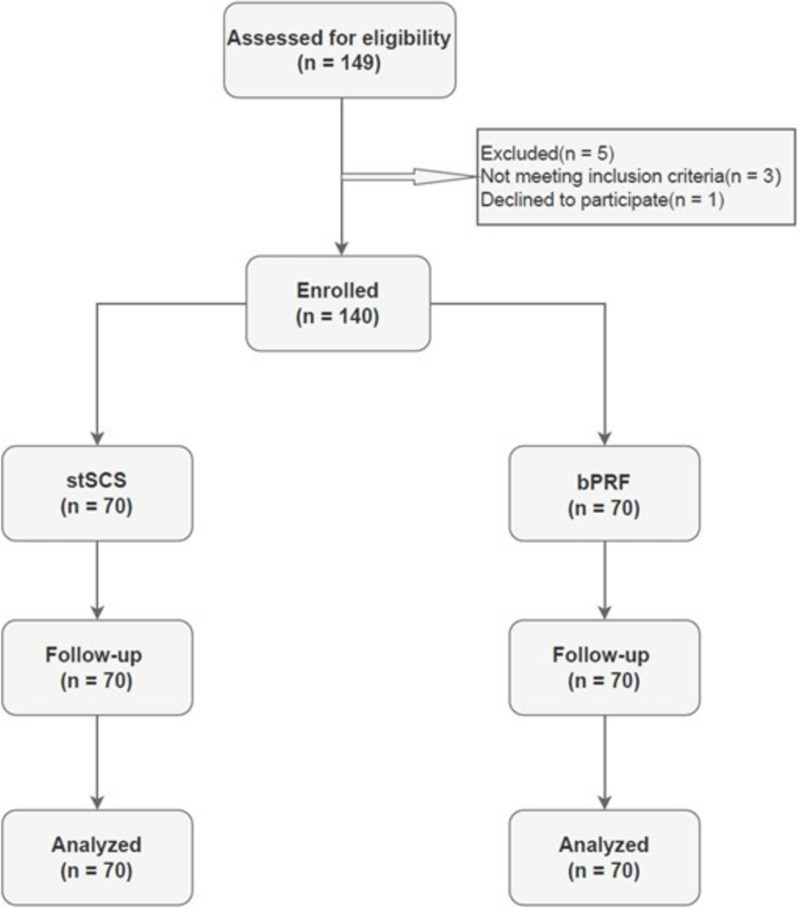
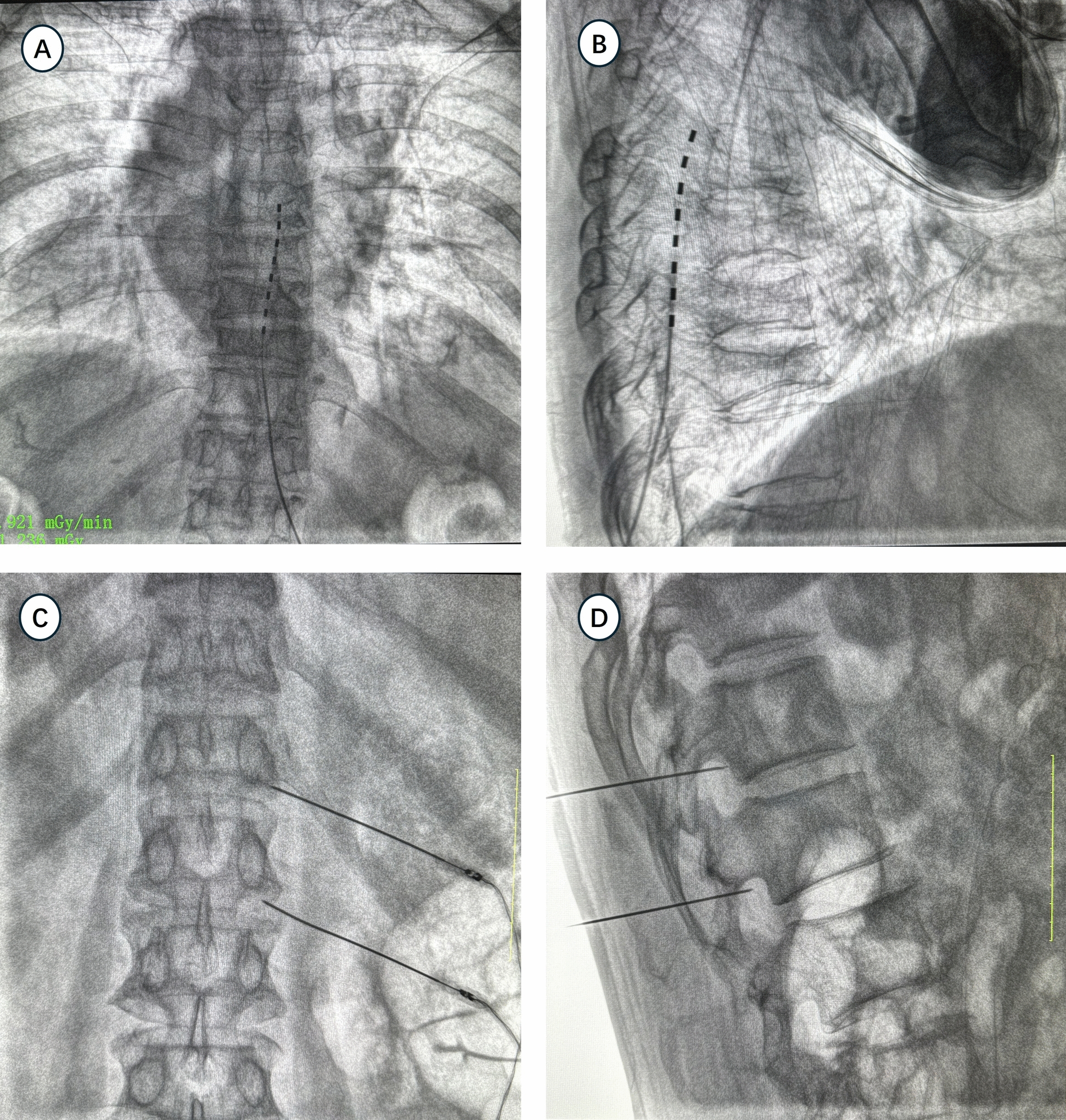
In this prospective, controlled observational study, 140 PHN patients (aged ≥ 18 years; PHN duration ≥ 3 months) with inadequate pain relief from standard therapies were enrolled and randomized equally into two groups (n = 70 each). The stSCS group received percutaneous implantation of an 8-contact electrode for temporary neuromodulation, while the bPRF group underwent application of controlled high-frequency pulses to the dorsal root ganglion. Outcome measures included pain intensity (VAS, NRS), neuropathic pain characteristics (DN4), quality of life (SF-36, EQ-5D), sleep quality (PSQI), and psychological status (SAS, SDS), assessed at baseline and at follow-up intervals over 24 months.
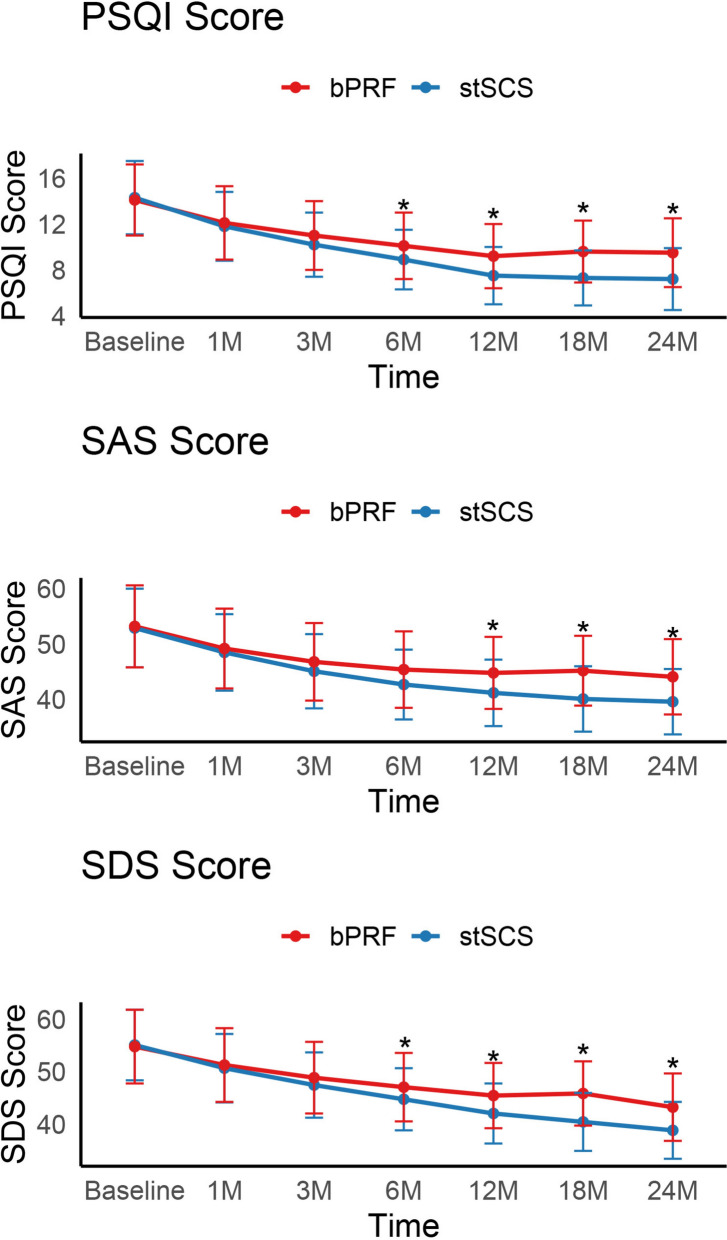
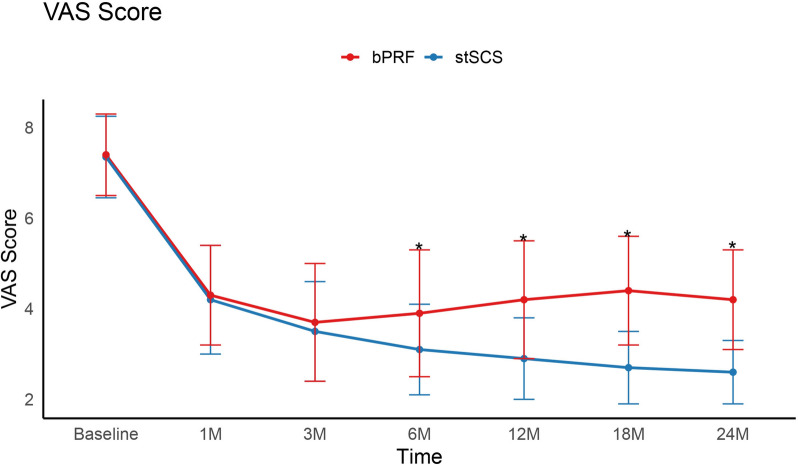
Both stSCS and bPRF achieved significant short-term pain relief. However, from 6 to 24 months post-treatment, the stSCS group demonstrated significantly lower VAS scores and superior pain control compared to the bPRF group. In addition, improvements in sleep quality and emotional well-being were more pronounced in the stSCS group at 12, 18, and 24 months. Both treatments exhibited favorable safety profiles with only minor, transient adverse events reported.
While both stSCS and bPRF effectively alleviate pain in patients with refractory PHN, stSCS offers superior long-term benefits in pain reduction, sleep quality, and psychological outcomes. These findings suggest that stSCS may be the preferred neuromodulation strategy for patients with chronic PHN requiring sustained symptom management.
带状疱疹后神经痛(PHN)是一种使人衰弱的神经性疼痛疾病,在带状疱疹感染后持续存在,通常对传统药物耐药。本研究比较短期脊髓刺激(stSCS)与双极脉冲射频(bPRF)在治疗难治性PHN中的长期疗效和安全性。
在这项前瞻性对照观察研究中,纳入了140例标准治疗疼痛缓解不足的PHN患者(年龄≥18岁;PHN病程≥3个月),并将其平均随机分为两组(每组n = 70)。stSCS组接受经皮植入一个8触点电极进行临时神经调节,而bPRF组对背根神经节进行可控高频脉冲治疗。观察指标包括疼痛强度(视觉模拟评分法、数字评定量表)、神经性疼痛特征(DN4)、生活质量(SF-36、EQ-5D)、睡眠质量(匹兹堡睡眠质量指数)和心理状态(焦虑自评量表、抑郁自评量表),在基线和24个月的随访间隔进行评估。
stSCS和bPRF均实现了显著的短期疼痛缓解。然而,在治疗后6至24个月,与bPRF组相比,stSCS组的视觉模拟评分法得分显著更低,疼痛控制更佳。此外,在12、18和24个月时,stSCS组的睡眠质量和情绪健康改善更为明显。两种治疗方法均显示出良好的安全性,仅报告了轻微、短暂的不良事件。
虽然stSCS和bPRF均可有效缓解难治性PHN患者的疼痛,但stSCS在减轻疼痛、改善睡眠质量和心理结局方面具有更显著的长期益处。这些发现表明,对于需要持续症状管理的慢性PHN患者,stSCS可能是首选的神经调节策略。