Liu Zhuang, Zhai Yanan, Wang Shunye, Bai Jiahui, Wang Dan, Wang Ziyang, Gao Xiang, Gao Jing
State Key Laboratory of National Security Specially Needed Medicines, Beijing Institute of Pharmacology and Toxicology, 27 Taiping Road, Haidian District, Beijing 100850, PR China.
Int J Pharm X. 2025 Mar 29;9:100329. doi: 10.1016/j.ijpx.2025.100329. eCollection 2025 Jun.
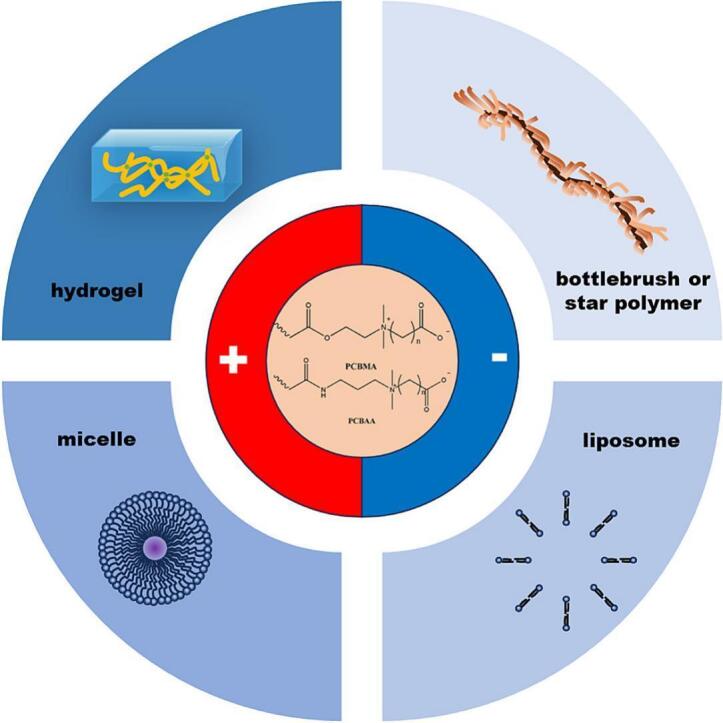
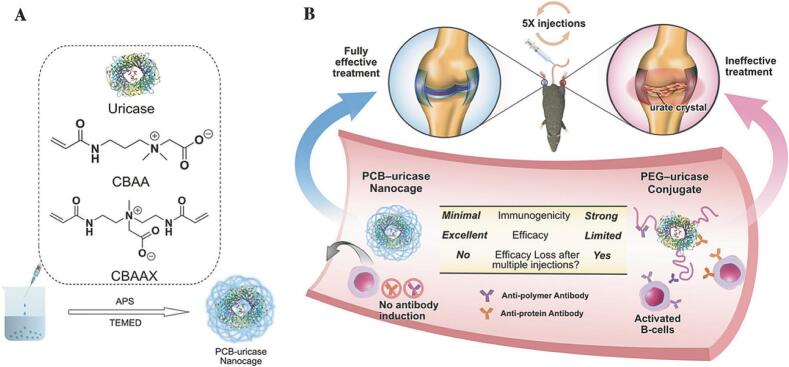
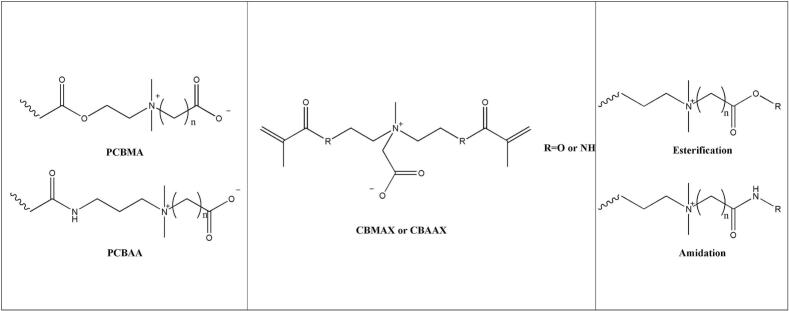
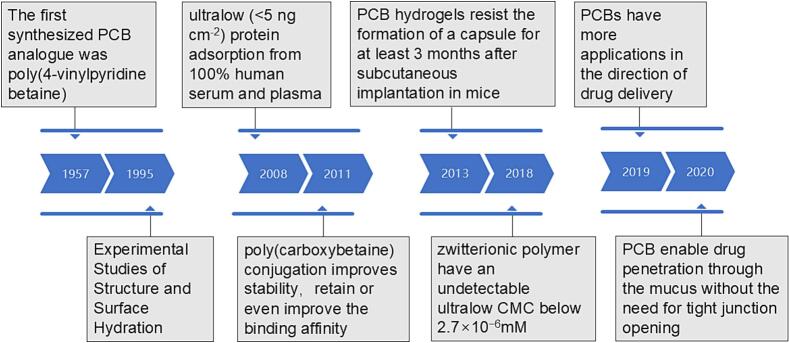
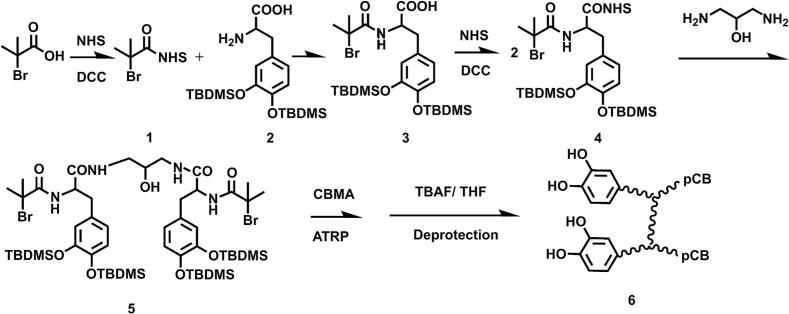
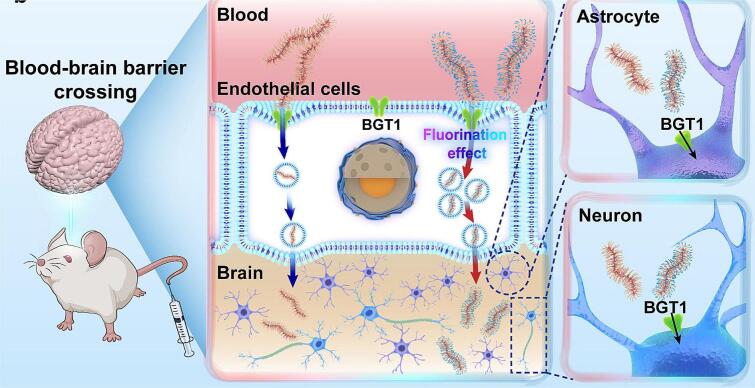
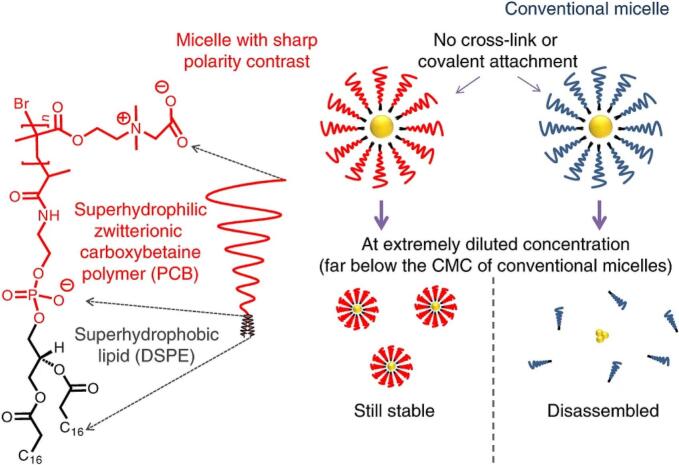
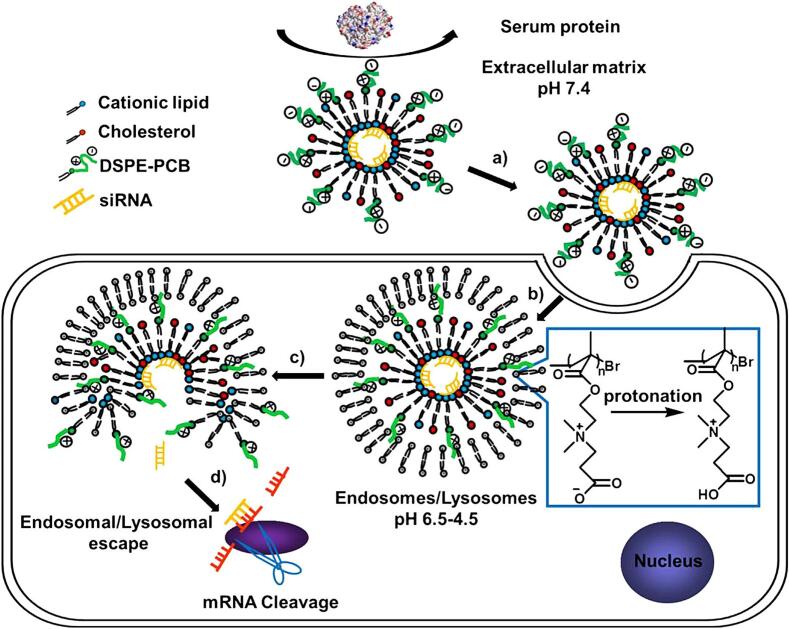
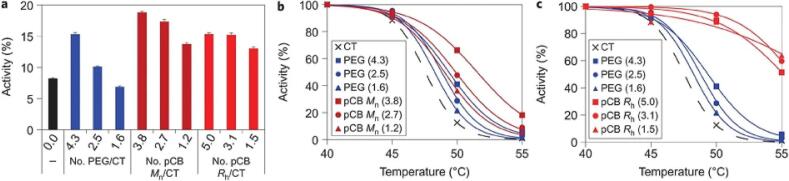
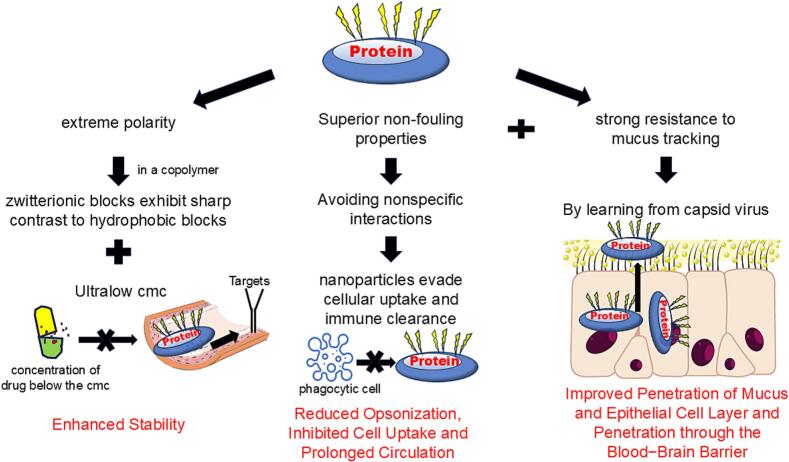
Zwitterionic polycarboxybetaines (PCBs), combining quaternary ammonium cations and carboxylate anions in their repeating units, have emerged as promising materials for drug delivery applications. Their exceptional hydration, biocompatibility, and antifouling properties make them attractive alternatives to polyethylene glycol (PEG), particularly given growing concerns about immunogenicity of PEG. PCBs can be functionalized through various methods, including modification of side-chain moieties, adjustment of spacer length between charged groups, and incorporation of responsive elements. When applied to delivery drug, PCBs have been successfully developed into multiple formats including micelles, hydrogels, liposomes, and nanoparticles. Notably, in protein drug delivery, PCBs demonstrate significant advantages such as enhancing protein stability, extending circulation time, improving penetration through biological barriers, and reducing immunogenicity. Despite these promising features, several challenges remain, including complex synthesis requirements, limited mechanical properties, and pending FDA approval as pharmaceutical excipients. This review provides a comprehensive analysis of PCBs from the structure-function relationship, synthesis methods, and applications in drug delivery systems, while examining current limitations and future prospects.
两性离子型聚羧酸甜菜碱(PCBs)在其重复单元中结合了季铵阳离子和羧酸根阴离子,已成为药物递送应用中有前景的材料。它们卓越的水合作用、生物相容性和抗污性能使其成为聚乙二醇(PEG)有吸引力的替代品,特别是考虑到对PEG免疫原性的担忧日益增加。PCBs可以通过多种方法进行功能化,包括侧链部分的修饰、带电基团之间间隔长度的调整以及响应元件的引入。当应用于药物递送时,PCBs已成功开发成多种形式,包括胶束、水凝胶、脂质体和纳米颗粒。值得注意的是,在蛋白质药物递送中,PCBs表现出显著优势,如增强蛋白质稳定性、延长循环时间、改善通过生物屏障的渗透以及降低免疫原性。尽管有这些有前景的特性,但仍存在一些挑战,包括复杂的合成要求、有限的机械性能以及作为药物辅料有待FDA批准。本综述从结构 - 功能关系、合成方法以及在药物递送系统中的应用等方面对PCBs进行了全面分析,同时审视了当前的局限性和未来前景。