Stojković Dejan, Živković Jelena, Bolevich Stefani, Zengin Gokhan, Cetiz Mehmet Veysi, Bolevich Sergey, Soković Marina
Institute for Biological Research "Siniša Stanković"-National Institute of the Republic of Serbia, University of Belgrade, Bulevar despota Stefana 142, 11108 Belgrade, Serbia.
Institute for Medicinal Plants Research "Dr Josif Pancic", Tadeusa Koscuska 1, 11000 Belgrade, Serbia.
Pharmaceuticals (Basel). 2025 Apr 17;18(4):587. doi: 10.3390/ph18040587.
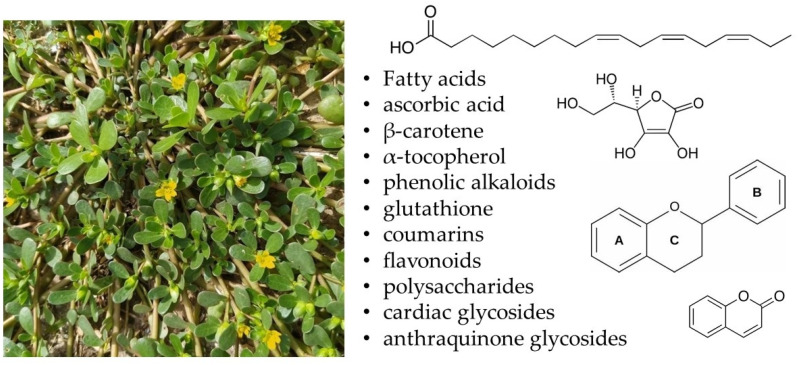
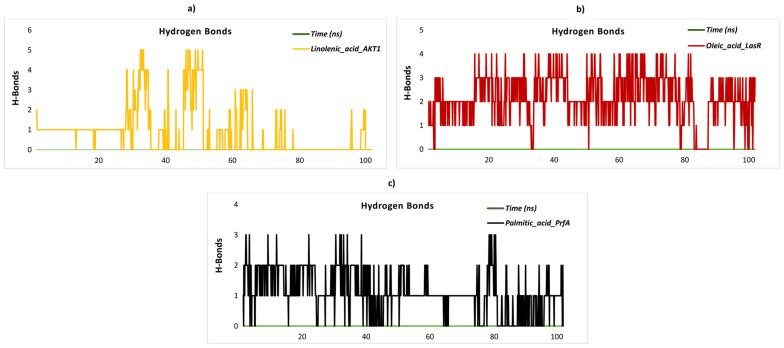
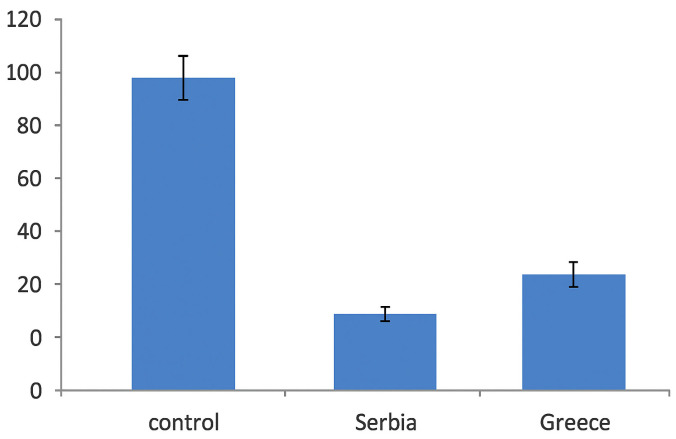
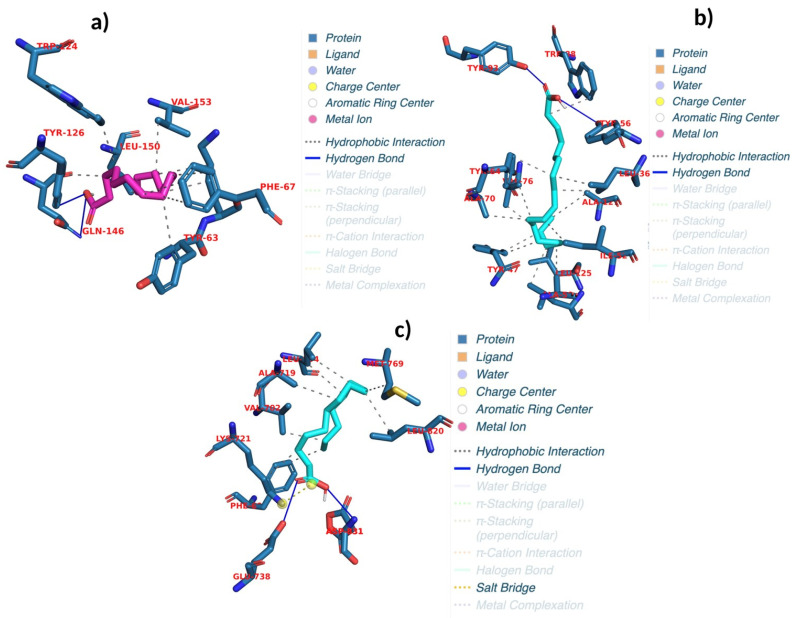
L. (purslane) is a widely distributed plant known for its medicinal and nutritional properties. This study aims to evaluate the fatty acid composition and bioactivities of crude lipophilic extracts (chloroform/methanol 2:1) from purslane collected in Serbia and Greece, with a focus on its antimicrobial and anticancer potential. Chemical analysis was conducted to determine the fatty acid composition of the extracts. Antibacterial activity was assessed using standard microdilution assays, while antibiofilm assays evaluated the extracts' ability to inhibit biofilm formation. Cytotoxicity was tested on cancer cell lines (MCF7, HeLa, CaCo2, HepG2) and normal keratinocyte cells (HaCaT). Molecular docking and dynamics simulations were performed to explore the interactions of bioactive fatty acids with microbial and cancer-related proteins. The analysis revealed significant levels of polyunsaturated fatty acids, with linoleic acid as the predominant fatty acid in both samples (31.42% and 34.51%). The Greek extract exhibited stronger antibacterial activity than the Serbian extract, particularly against , , and . Antibiofilm assays showed up to 89.54% destruction at MIC levels, with notable reductions in exopolysaccharide and extracellular DNA production, especially for Greek samples. Cytotoxicity testing indicated moderate effects on cancer cell lines (IC = 178.17-397.31 µg/mL) while being non-toxic to keratinocytes. Molecular docking identified strong interactions between key fatty acids and microbial and cancer-related proteins. These results highlight purslane's potential as a source of bioactive compounds, particularly in antimicrobial and anticancer applications. The findings suggest that purslane extracts could be developed for therapeutic purposes targeting microbial infections and cancer.
马齿苋是一种分布广泛的植物,以其药用和营养特性而闻名。本研究旨在评估从塞尔维亚和希腊采集的马齿苋粗亲脂性提取物(氯仿/甲醇 2:1)的脂肪酸组成和生物活性,重点关注其抗菌和抗癌潜力。进行化学分析以确定提取物的脂肪酸组成。使用标准微量稀释法评估抗菌活性,而生物膜测定法评估提取物抑制生物膜形成的能力。在癌细胞系(MCF7、HeLa、CaCo2、HepG2)和正常角质形成细胞(HaCaT)上测试细胞毒性。进行分子对接和动力学模拟以探索生物活性脂肪酸与微生物和癌症相关蛋白的相互作用。分析显示多不饱和脂肪酸含量显著,两种样品中均以亚油酸为主导脂肪酸(31.42% 和 34.51%)。希腊提取物比塞尔维亚提取物表现出更强的抗菌活性,尤其是对[此处原文缺失具体细菌名称]、[此处原文缺失具体细菌名称]和[此处原文缺失具体细菌名称]。生物膜测定显示在 MIC 水平下高达 89.54% 的破坏,胞外多糖和细胞外 DNA 产量显著降低,尤其是希腊样品。细胞毒性测试表明对癌细胞系有中度影响(IC = 178.17 - 397.31 µg/mL),而对角质形成细胞无毒。分子对接确定了关键脂肪酸与微生物和癌症相关蛋白之间的强相互作用。这些结果突出了马齿苋作为生物活性化合物来源的潜力,特别是在抗菌和抗癌应用中。研究结果表明,马齿苋提取物可开发用于针对微生物感染和癌症的治疗目的。