Li Long, Chen Rirong, Yan Zhigang, Cai Qinglong, Guan Yi, Zhu Huachen
Guangdong-Hong Kong Joint Laboratory of Emerging Infectious Diseases, Joint Laboratory for International Collaboration in Virology and Emerging Infectious Diseases (Key Laboratory of Ministry of Education), Joint Institute of Virology (Shantou University-The University of Hong Kong), Shantou University Medical College, Shantou University, Shantou 515063, China.
State Key Laboratory of Emerging Infectious Diseases (SKLEID), School of Public Health, Li Ka Shing Faculty of Medicine, The University of Hong Kong, Hong Kong SAR, China.
Viruses. 2025 Mar 29;17(4):495. doi: 10.3390/v17040495.
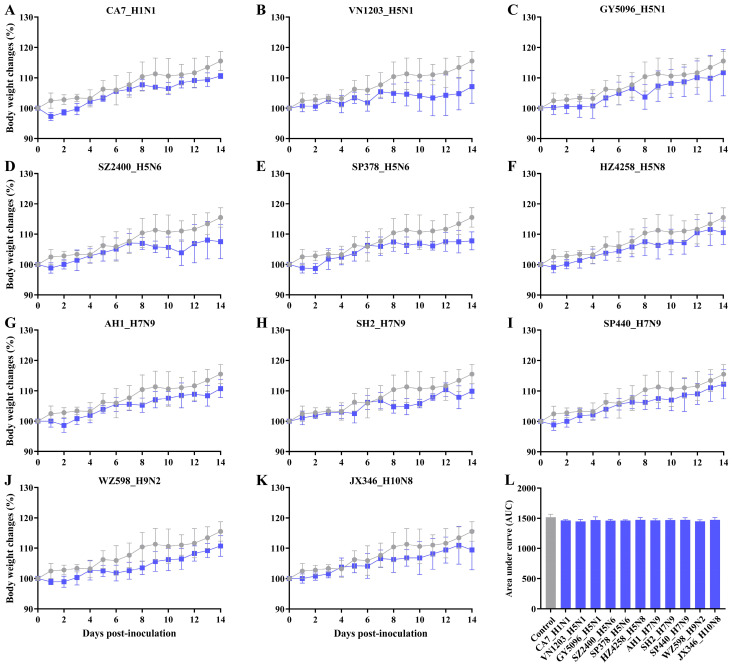
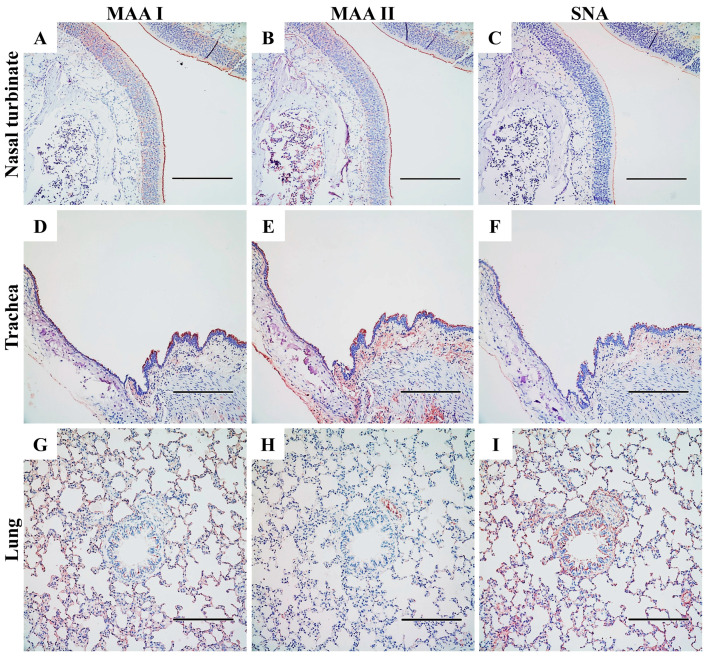
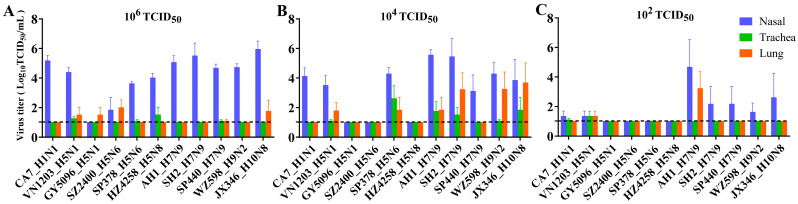
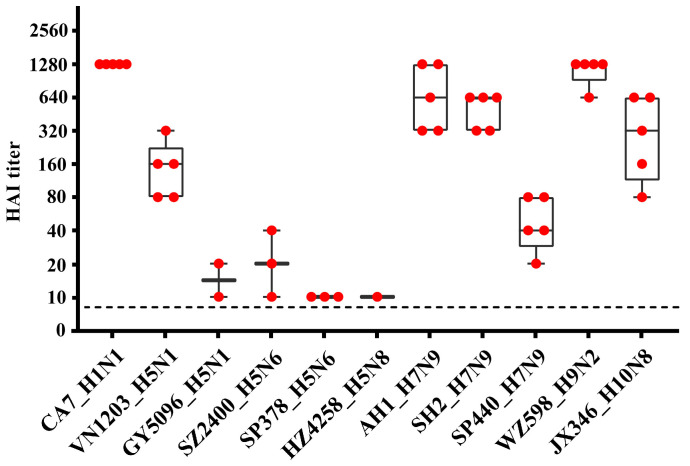
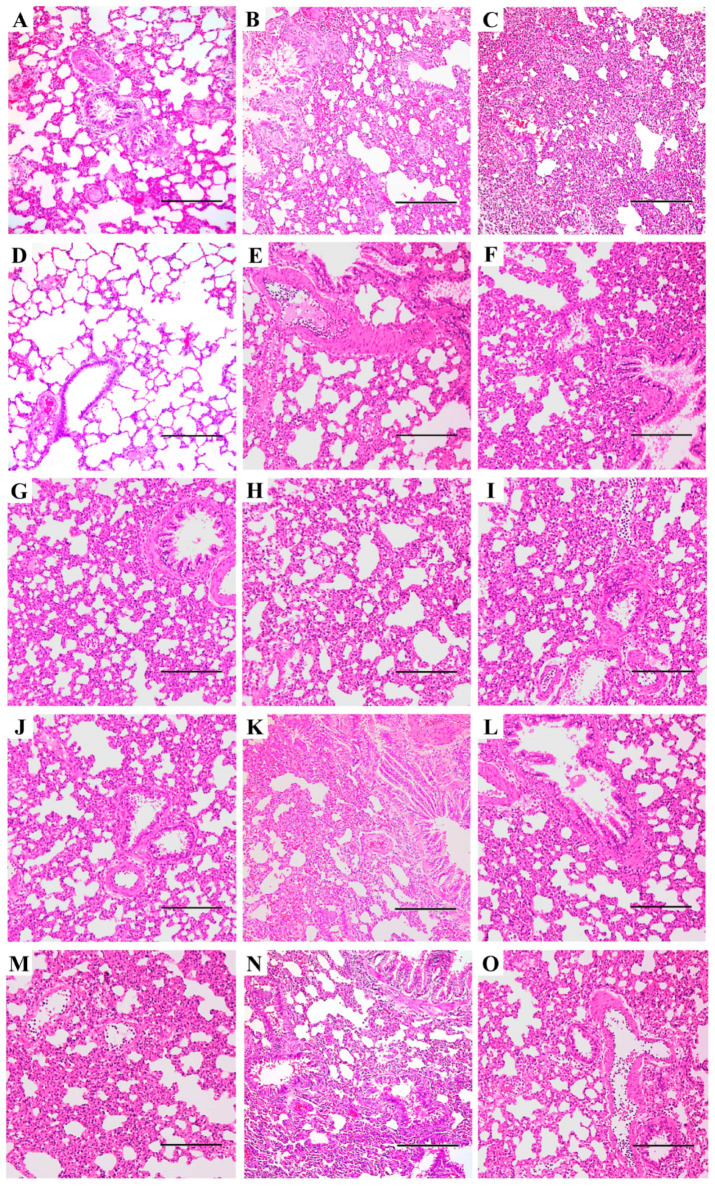
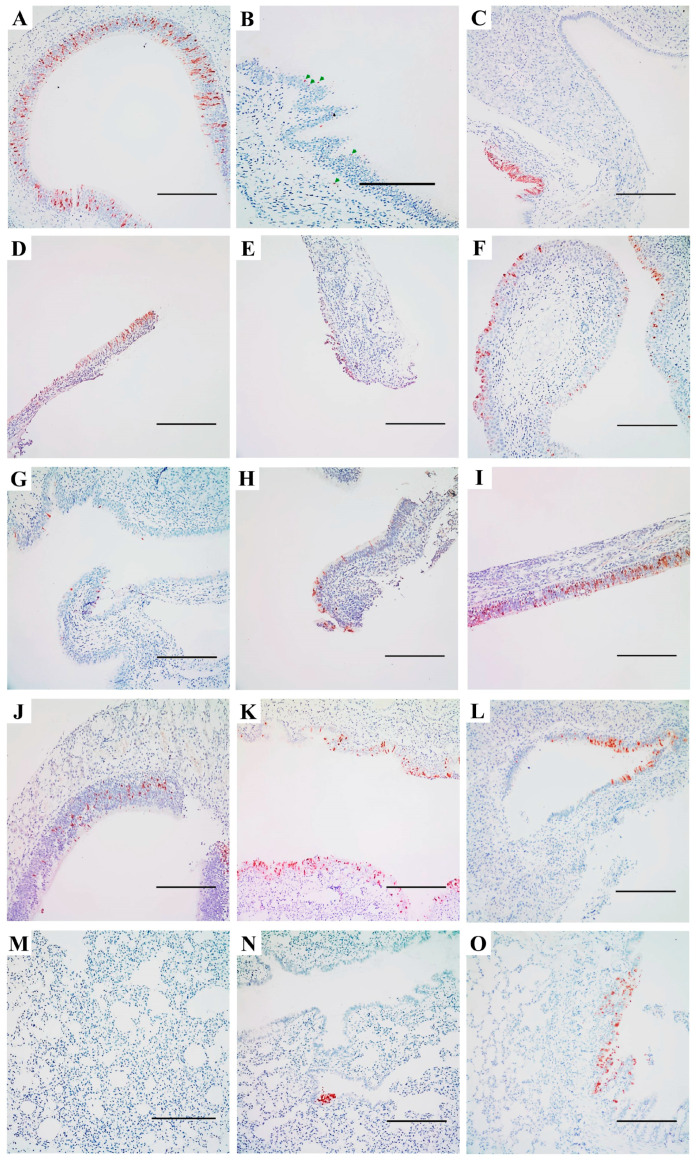
(brown rat), a widely distributed rodent and common biomedical model, is a known reservoir for many zoonotic pathogens but has not been traditionally recognized as a host for influenza A virus (IAV). To evaluate their susceptibility, we intranasally inoculated Sprague-Dawley rats with various IAV subtypes, including H5Nx, H7N9, H9N2, H10N8 and the 2009 pandemic H1N1. All strains productively infected the rats, inducing seroconversion without overt clinical signs. While replication efficiency varied, all viruses caused significant lung injury with a preferential tropism for the upper respiratory tract. Investigation of receptor distribution revealed a predominance of α2,3-linked sialic acid (SA) in the nasal turbinates and trachea, whereas α2,6-linked SA was more abundant in the lungs. Notably, both receptor types coexisted throughout the respiratory tract, aligning with the observed tissue-specific replication patterns and broad viral infectivity. These findings demonstrate that rats are permissive hosts for multiple IAV subtypes, challenging their exclusion from IAV ecology. The asymptomatic yet pathogenic nature of infection, combined with the global synanthropy of rats, underscores their potential role as cryptic reservoirs in viral maintenance and transmission. This study highlights the need for expanded surveillance of rodents in influenza ecology to mitigate zoonotic risks.
褐家鼠是一种分布广泛的啮齿动物,也是常见的生物医学模型,是许多人畜共患病原体的已知宿主,但传统上并未被视为甲型流感病毒(IAV)的宿主。为了评估它们的易感性,我们给斯普拉格-道利大鼠经鼻接种了多种IAV亚型,包括H5Nx、H7N9、H9N2、H10N8和2009年大流行的H1N1。所有毒株均能有效感染大鼠,诱导血清转化且无明显临床症状。虽然复制效率有所不同,但所有病毒均导致显著的肺损伤,且对上呼吸道有优先嗜性。对受体分布的研究表明,鼻甲骨和气管中α2,3连接的唾液酸(SA)占主导,而α2,6连接的SA在肺中更为丰富。值得注意的是,两种受体类型在整个呼吸道中均共存,这与观察到的组织特异性复制模式和广泛的病毒感染性一致。这些发现表明,大鼠是多种IAV亚型的易感宿主,对将它们排除在IAV生态系统之外的观点提出了挑战。感染的无症状但致病的性质,加上大鼠在全球范围内与人类共生,凸显了它们在病毒维持和传播中作为隐匿宿主的潜在作用。这项研究强调了在流感生态学中扩大对啮齿动物监测的必要性,以降低人畜共患病风险。