Oka Itsuki, Toyokawa Yoshiaki, Imai Kouta, Nakagawa Tatsuya, Tourtas Theofilos, Schlötzer-Schrehardt Ursula, Kruse Friedrich, Koizumi Noriko, Okumura Naoki
Department of Biomedical Engineering, Faculty of Life and Medical Sciences, Doshisha University, Kyotanabe, 610-0394, Japan.
Department of Ophthalmology, University of Erlangen-Nürnberg, Erlangen, Germany.
Sci Rep. 2025 Apr 26;15(1):14665. doi: 10.1038/s41598-025-95003-z.
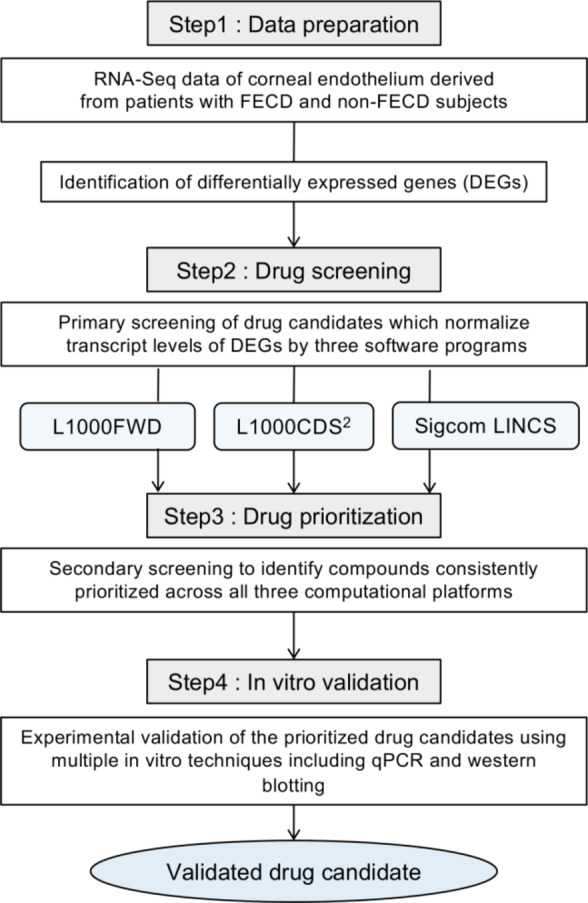
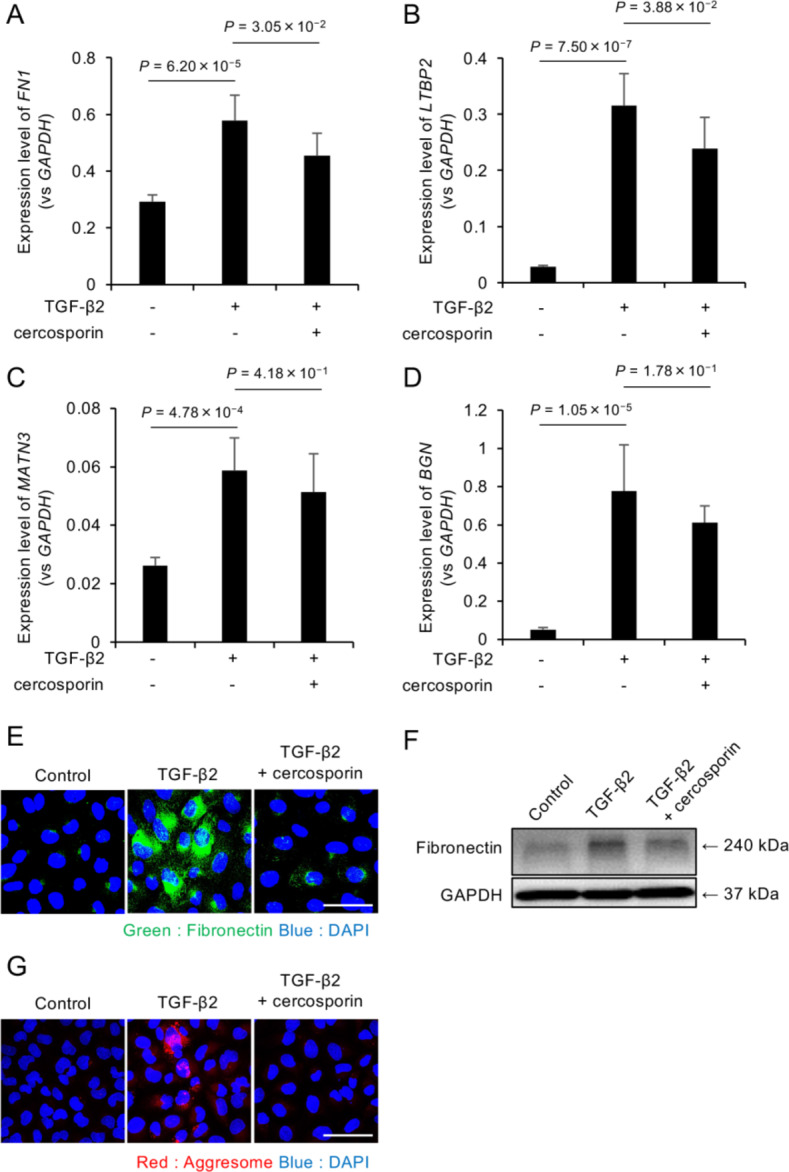
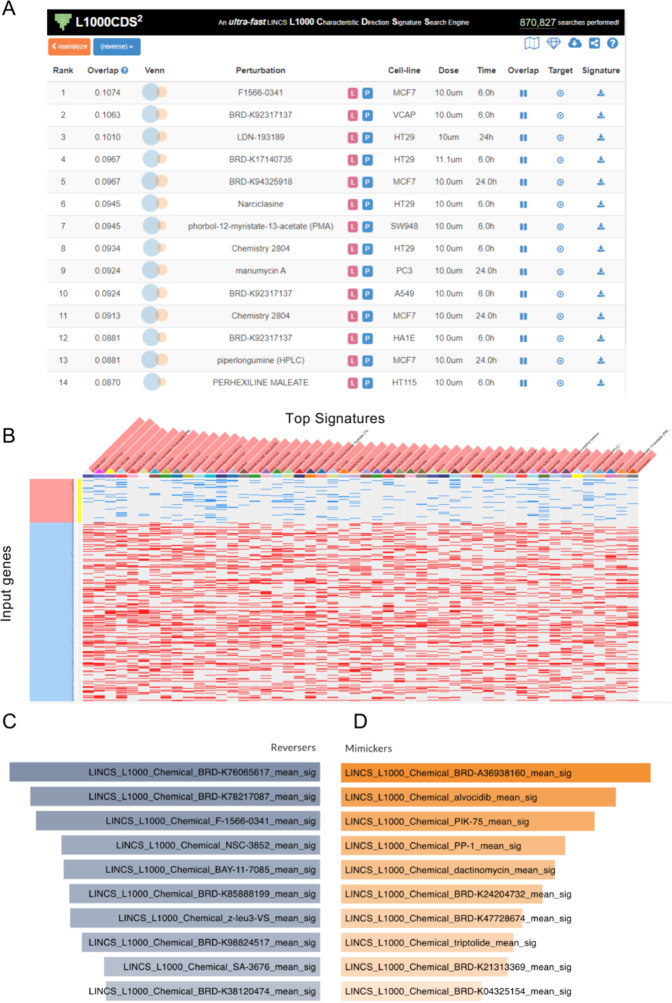
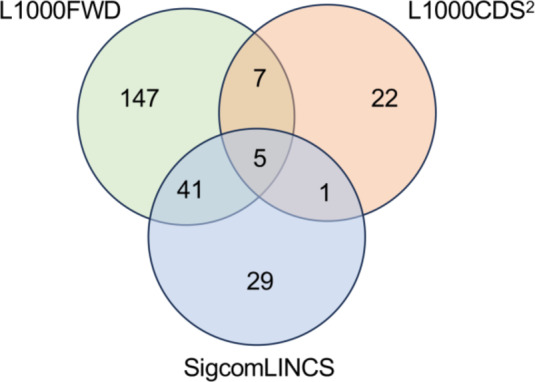
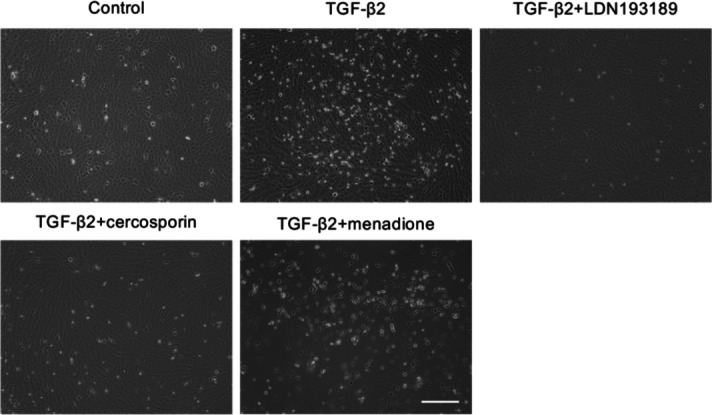
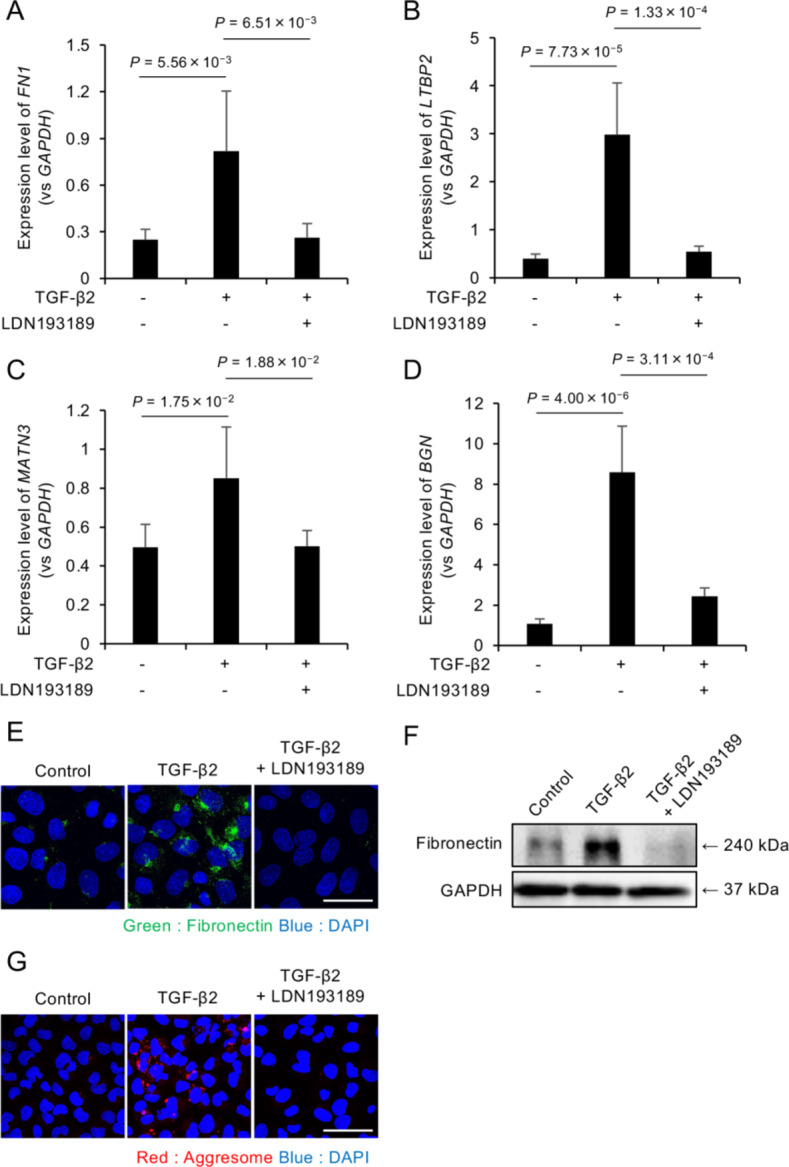
Fuchs endothelial corneal dystrophy (FECD) remains a leading cause of corneal blindness globally, with corneal transplantation being the primary treatment. FECD is characterized by the formation of guttae, extracellular matrix (ECM) deposits beneath the corneal endothelium, and progressive endothelial cell loss. These pathological changes cause visual deterioration through light scattering by guttae and corneal edema due to endothelial cell loss. However, limitations such as donor shortage and graft failure necessitate alternative therapeutic approaches. We employed computational drug screening using three platforms (L1000FWD, L1000CDS, and SigCom LINCS) to identify compounds capable of normalizing FECD-associated differentially expressed genes (DEGs). Analysis of transcriptome data from FECD patients with TCF4trinucleotide repeat expansion identified 706 upregulated and 962 downregulated genes. The screening platforms identified 200, 35, and 76 compounds through L1000FWD, L1000CDS, and SigCom LINCS, respectively, with five compounds commonly predicted across all platforms. Among these, LDN193189 and cercosporin were selected for further evaluation based on availability and lack of cytotoxicity. Both compounds significantly decreased the expression of ECM-related genes (FN1, MATN3, BGN, and LTBP2) in FECD cell models and suppressed TGF-β-induced fibronectin expression. Additionally, both compounds reduced aggresome formation to normal control levels, suggesting protection against endoplasmic reticulum stress-induced cell death. This study demonstrates the feasibility of computational drug screening for identifying therapeutic candidates for FECD, with LDN193189 and cercosporin showing promise in normalizing FECD-associated pathological changes.
富克斯内皮性角膜营养不良(FECD)仍是全球角膜盲的主要原因,角膜移植是主要治疗方法。FECD的特征是角膜后弹力层小滴形成、角膜内皮细胞下细胞外基质(ECM)沉积以及内皮细胞进行性丢失。这些病理变化通过角膜后弹力层小滴的光散射和内皮细胞丢失导致的角膜水肿引起视力下降。然而,供体短缺和移植失败等局限性使得需要替代治疗方法。我们使用三个平台(L1000FWD、L1000CDS和SigCom LINCS)进行计算药物筛选,以鉴定能够使FECD相关差异表达基因(DEG)正常化的化合物。对患有TCF4三核苷酸重复扩增的FECD患者的转录组数据进行分析,确定了706个上调基因和962个下调基因。筛选平台分别通过L1000FWD、L1000CDS和SigCom LINCS鉴定出200种、35种和76种化合物,所有平台共同预测出5种化合物。其中,基于可用性和无细胞毒性,选择LDN193189和尾孢菌素进行进一步评估。这两种化合物均显著降低了FECD细胞模型中ECM相关基因(FN1、MATN3、BGN和LTBP2)的表达,并抑制了TGF-β诱导的纤连蛋白表达。此外,这两种化合物均将聚集体形成减少至正常对照水平,表明可防止内质网应激诱导的细胞死亡。本研究证明了通过计算药物筛选来鉴定FECD治疗候选药物的可行性,LDN193189和尾孢菌素在使FECD相关病理变化正常化方面显示出前景。