Zhou Yingshi, Deng Zhihuai, Xiong Shiyu, Li Wenjia, Luo Wanrong, Luo Man, Tang Haifeng, Wu Wenjing, Chak-Lui Wong Carmen, Yin Dong, Hu Kaishun, Luo Baoming
Department of Ultrasound, Sun Yat-Sen Memorial Hospital, Sun Yat-Sen University, Guangzhou, China; Guangdong Provincial Key Laboratory of Malignant Tumor Epigenetics and Gene Regulation, Guangdong-Hong Kong Joint Laboratory for RNA Medicine, Medical Research Center, Sun Yat-Sen Memorial Hospital, Sun Yat-Sen University, Guangzhou, China.
Guangdong Provincial Key Laboratory of Malignant Tumor Epigenetics and Gene Regulation, Guangdong-Hong Kong Joint Laboratory for RNA Medicine, Medical Research Center, Sun Yat-Sen Memorial Hospital, Sun Yat-Sen University, Guangzhou, China; Department of Spine Surgery, Sun Yat-sen Memorial Hospital of Sun Yat-sen University, Guangzhou, China.
J Biol Chem. 2025 Apr 25;301(6):108551. doi: 10.1016/j.jbc.2025.108551.
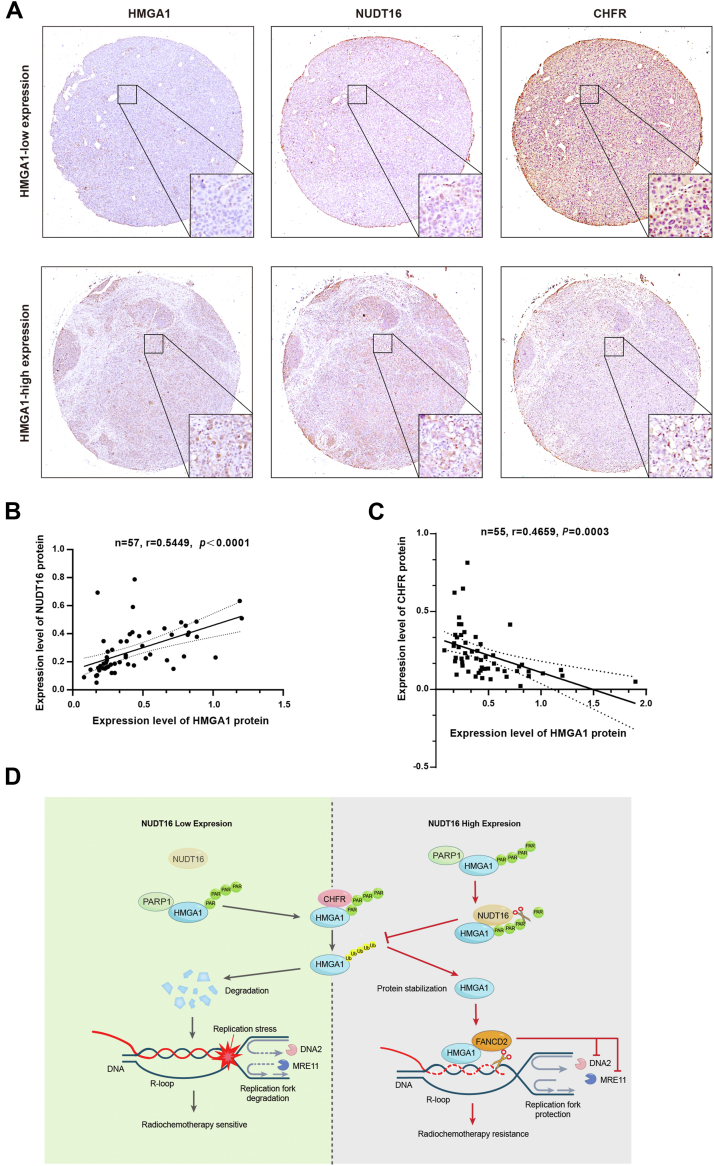
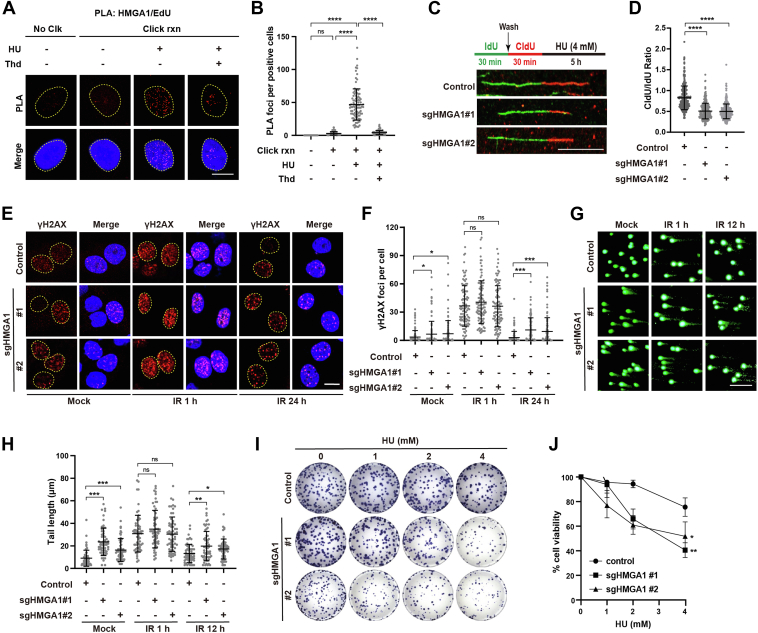
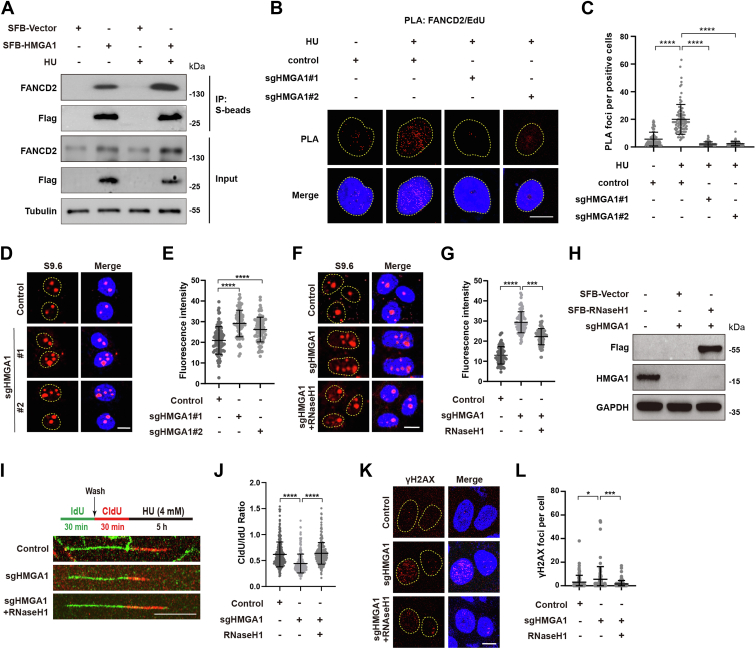
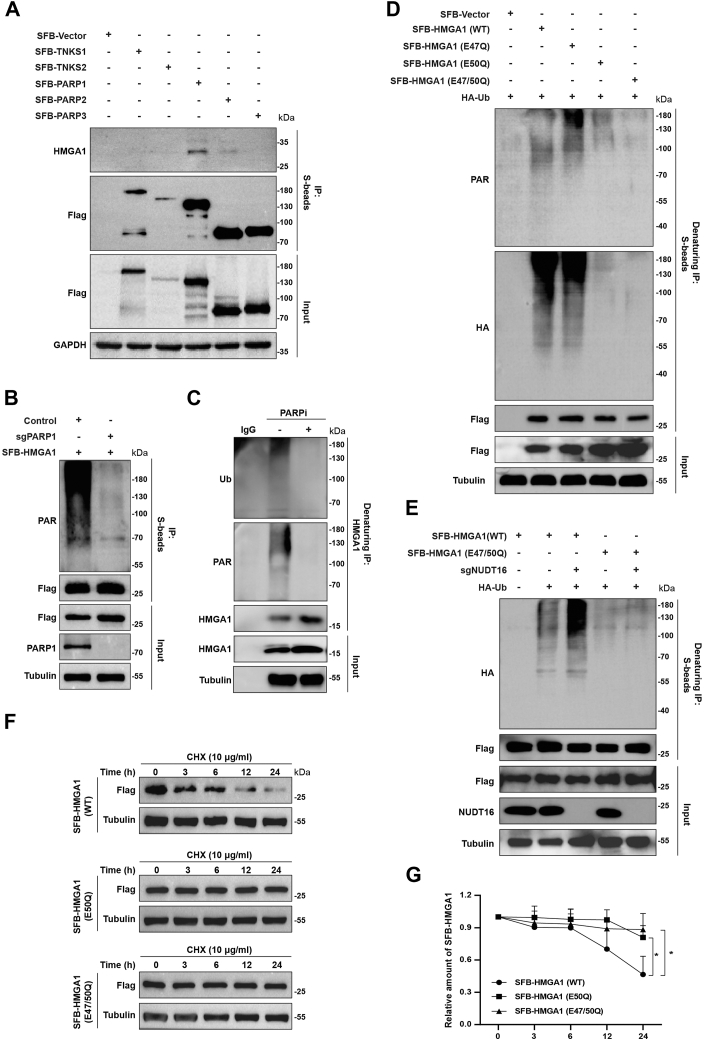
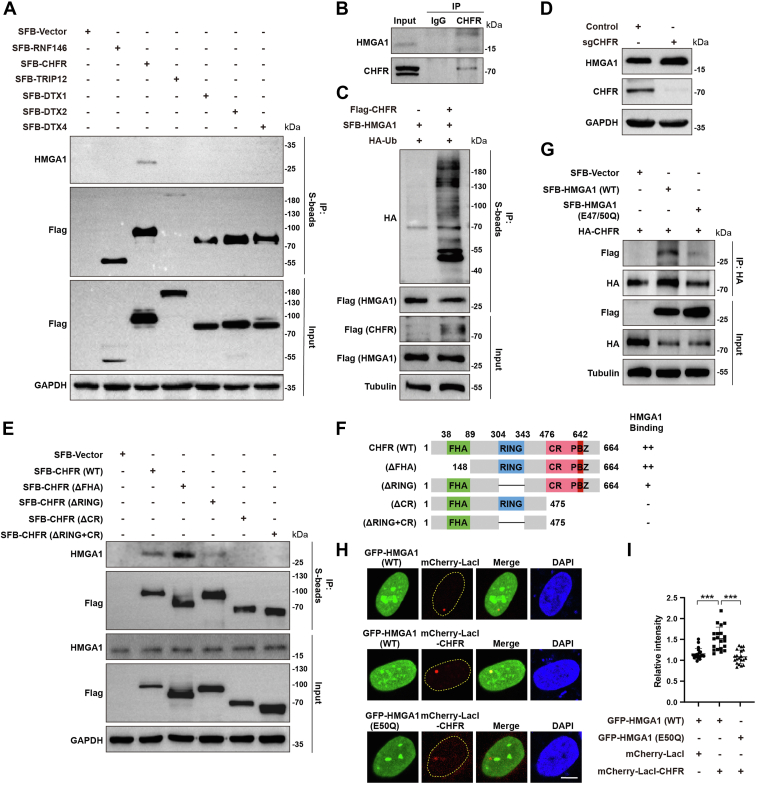
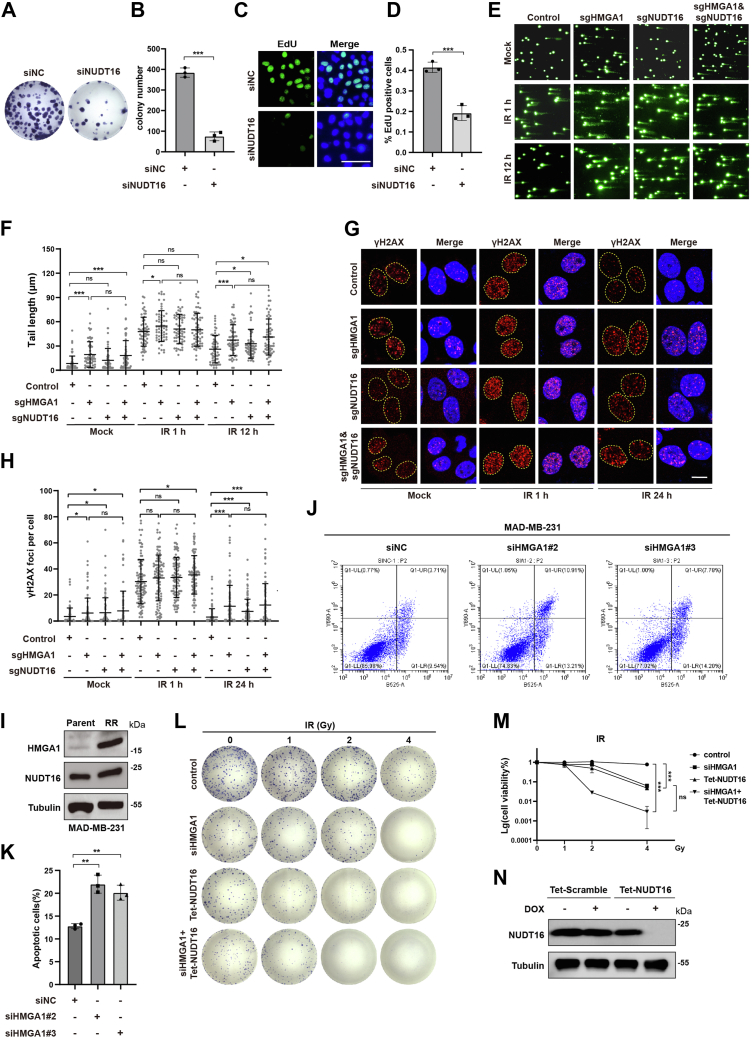
Precise DNA replication is the basis for maintaining cell proliferation and genome stability. Current chemotherapy drugs and radiotherapy induce cell death by aggravating replication stress, albeit with poor efficacy. The replication stress response has been shown to play fundamental roles in resistance to radiotherapy and chemotherapy. High mobility group A1 (HMGA1) promotes tumor progression by regulating autophagy, angiogenesis, and chemoresistance; however, its role in coordinating replication stress and cell cycle progression remains elusive. Our results indicated that HMGA1 recruited FANCD2 to promote DNA replication and cell cycle progression both by attenuating R-loop-induced replication stress and by protecting stalled replication forks from degradation, ultimately enhancing tumor resistance to chemotherapy and irradiation treatment. We also identified HMGA1 as a novel substrate for the dePARylase NUDT16. NUDT16 was found to suppress the binding of HMGA1 to the E3 ubiquitin ligase CHFR by removing its PARylation at Glu 50, thereby reducing its ubiquitin-proteasome pathway-mediated degradation and enhancing HMGA1 protein stability. NUDT16-HMGA1 inhibition can significantly improve the sensitivity of tumor cells to chemotherapy and irradiation treatment. Collectively, these data suggest that NUDT16 enhances the ability of tumor cells to cope with replication stress by reversing the PARylation and positively regulating the protein expression of HMGA1. Therefore, targeting the NUDT16-HMGA1 pathway may be a novel strategy to enhance the sensitivity of radiotherapy and chemotherapy.
精确的DNA复制是维持细胞增殖和基因组稳定性的基础。目前的化疗药物和放疗通过加剧复制应激诱导细胞死亡,但其疗效不佳。复制应激反应已被证明在放疗和化疗耐药中起重要作用。高迁移率族蛋白A1(HMGA1)通过调节自噬、血管生成和化疗耐药促进肿瘤进展;然而,其在协调复制应激和细胞周期进程中的作用仍不清楚。我们的结果表明,HMGA1招募FANCD2,通过减轻R环诱导的复制应激和保护停滞的复制叉不被降解来促进DNA复制和细胞周期进程,最终增强肿瘤对化疗和放疗的抗性。我们还确定HMGA1是去PAR化酶NUDT16的一种新底物。发现NUDT16通过去除HMGA1在Glu 50处的PAR化来抑制其与E3泛素连接酶CHFR的结合,从而减少其泛素-蛋白酶体途径介导的降解并增强HMGA1蛋白稳定性。抑制NUDT16-HMGA1可显著提高肿瘤细胞对化疗和放疗的敏感性。总的来说,这些数据表明NUDT16通过逆转PAR化并正向调节HMGA1的蛋白表达来增强肿瘤细胞应对复制应激的能力。因此,靶向NUDT16-HMGA1途径可能是提高放疗和化疗敏感性的一种新策略。