Rostami Adel, Palomer Xavier, Pizarro-Delgado Javier, Peña Lucía, Zamora Mònica, Montori-Grau Marta, Barroso Emma, Valenzuela-Alcaraz Brenda, Crispi Fàtima, Salvador Jesús M, García Raquel, Hurlé María A, Nistal Francisco, Vázquez-Carrera Manuel
Department of Pharmacology, Toxicology and Therapeutic Chemistry, Faculty of Pharmacy and Food Sciences, University of Barcelona, Barcelona, 08028, España.
Institute of Biomedicine of the University of Barcelona (IBUB), University of Barcelona, Barcelona, 08028, Spain.
Cell Mol Life Sci. 2025 Apr 30;82(1):189. doi: 10.1007/s00018-025-05704-x.
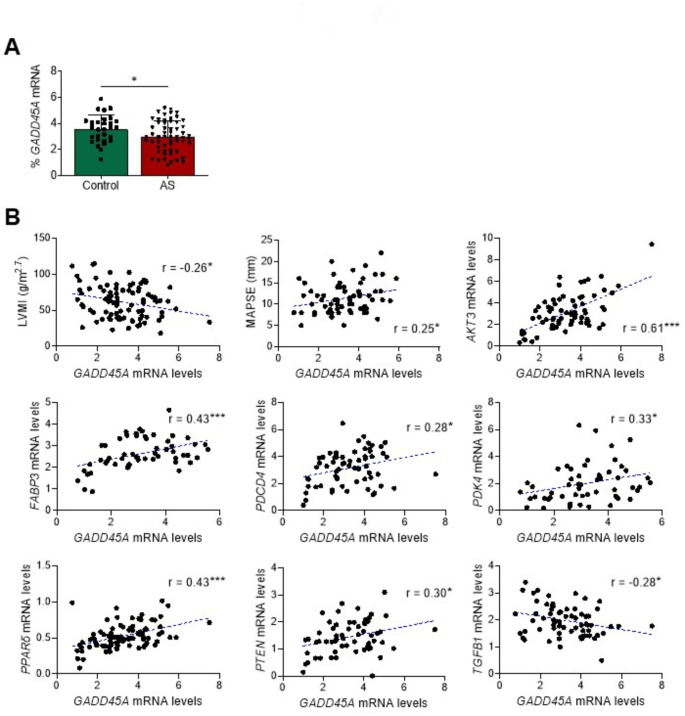
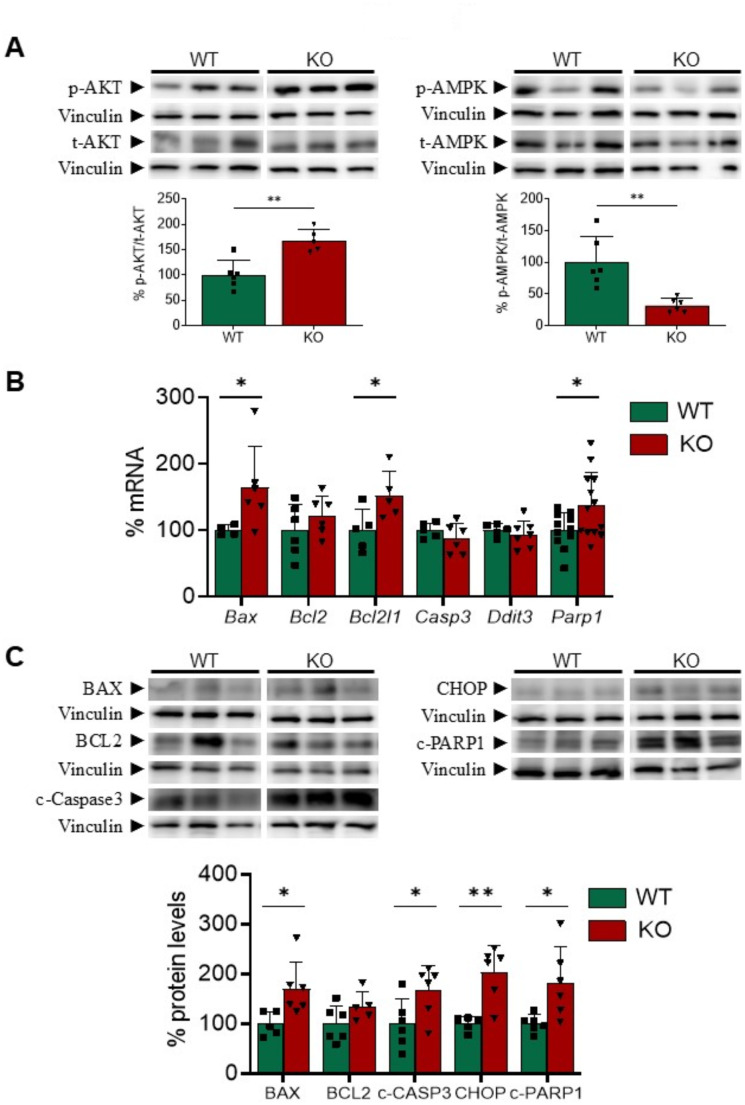
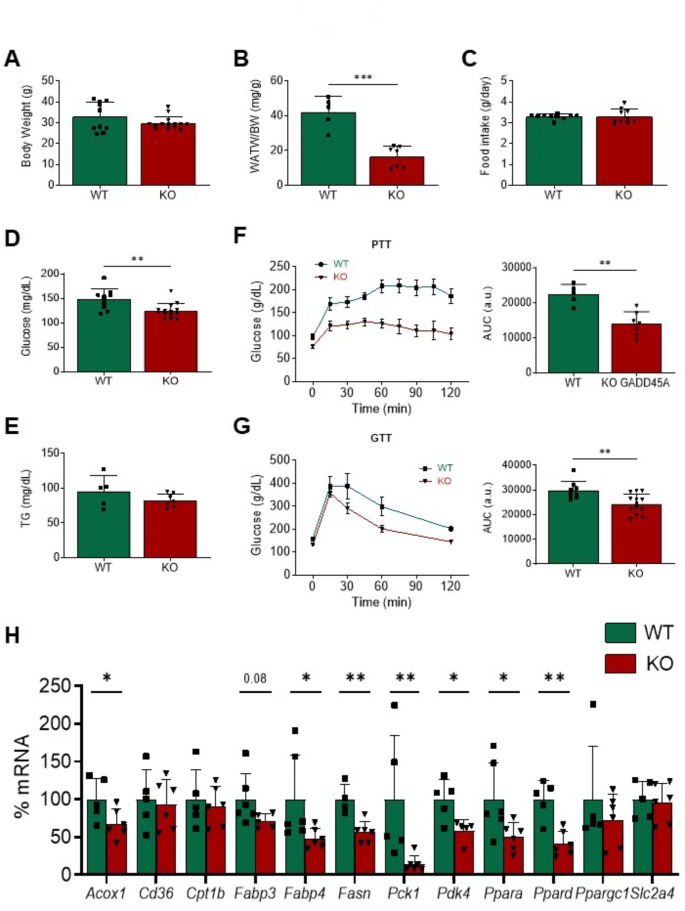
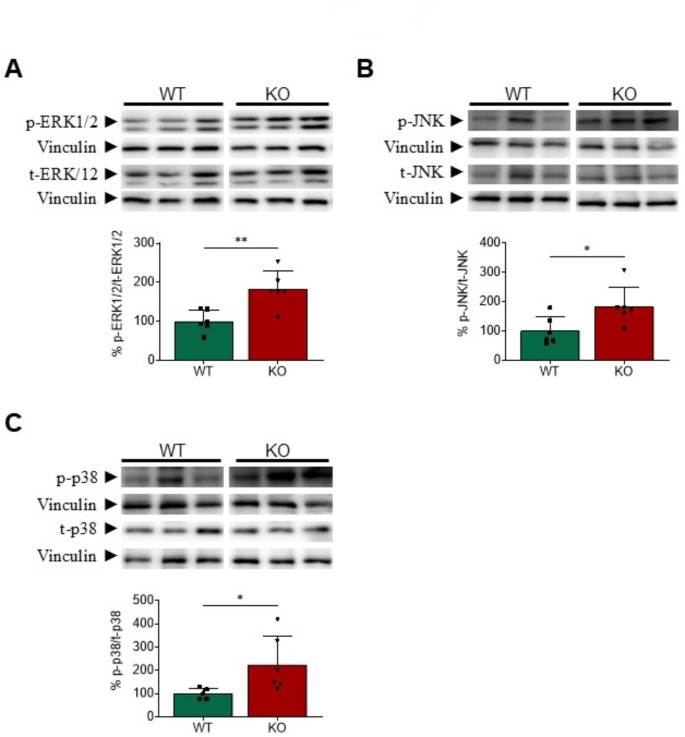
The growth arrest and DNA damage inducible 45A (GADD45A) is a multifaceted protein associated with stress signaling and cellular injury. Aside its well-established tumor suppressor activity, recent studies point to additional roles for GADD45A, including the regulation of catabolic and anabolic pathways, or the prevention of inflammation, fibrosis, and oxidative stress in some tissues and organs. However, little is known about its function in cardiac disease. In this study, we aimed to evaluate the role of GADD45A in the heart by using mice with constitutive and systemic deletion of Gadd45a, and cardiac cells of human origin. Gadd45a suppression in knockout mice triggered cardiac fibrosis, inflammation, and apoptosis, and these changes correlated with an hyperactivation of the pro-inflammatory and pro-fibrotic transcription factors activator protein-1 (AP-1), nuclear factor-κB (NF-κB), and signal transducer and activator of transcription 3 (STAT3). Deletion of Gadd45a also resulted in substantial cardiac hypertrophy, which negatively impacted cardiac morphology and function in knockout mice. Consistent with this, GADD45A overexpression in human AC16 cardiomyocytes partially prevented the inflammatory and fibrotic responses induced by tumor necrosis factor-α (TNF-α). Overall, data presented in this study highlight an important role for GADD45A in the heart, since it may prevent inflammation, fibrosis, and apoptosis, and, by this means, preserve cardiac function and performance. Since fibrosis and inflammation are crucial in the progression of cardiac hypertrophy and subsequent heart failure, these results suggest that promoting the activity of this protein might be a promising therapeutic strategy to slow down the progression of these deleterious diseases.
生长停滞与DNA损伤诱导蛋白45A(GADD45A)是一种多面性蛋白质,与应激信号传导和细胞损伤相关。除了其已明确的肿瘤抑制活性外,最近的研究指出GADD45A还有其他作用,包括调节分解代谢和合成代谢途径,或在某些组织和器官中预防炎症、纤维化和氧化应激。然而,人们对其在心脏病中的功能知之甚少。在本研究中,我们旨在通过使用Gadd45a基因组成型和全身性缺失的小鼠以及人源心脏细胞来评估GADD45A在心脏中的作用。敲除小鼠中Gadd45a的抑制引发了心脏纤维化、炎症和细胞凋亡,这些变化与促炎和促纤维化转录因子激活蛋白-1(AP-1)、核因子-κB(NF-κB)以及信号转导和转录激活因子3(STAT3)的过度激活相关。Gadd45a的缺失还导致了严重的心脏肥大,这对敲除小鼠的心脏形态和功能产生了负面影响。与此一致的是,人AC16心肌细胞中GADD45A的过表达部分预防了肿瘤坏死因子-α(TNF-α)诱导的炎症和纤维化反应。总体而言,本研究中的数据突出了GADD45A在心脏中的重要作用,因为它可能预防炎症、纤维化和细胞凋亡,并以此维持心脏功能和性能。由于纤维化和炎症在心脏肥大及随后的心力衰竭进展中至关重要,这些结果表明促进该蛋白的活性可能是减缓这些有害疾病进展的一种有前景的治疗策略。