Feinberg Cardiovascular Research Institute, Feinberg School of Medicine, Northwestern University, 303 E Superior St, Chicago IL 60611, USA.
Circulation. 2012 Jul 24;126(4):418-29. doi: 10.1161/CIRCULATIONAHA.112.112185. Epub 2012 Jun 15.
Inflammation plays a critical role in adverse cardiac remodeling and heart failure. Therefore, approaches geared toward inhibiting inflammation may provide therapeutic benefits. We tested the hypotheses that genetic deletion of interleukin-10 (IL-10), a potent antiinflammatory cytokine, exacerbates pressure overload-induced adverse cardiac remodeling and hypertrophy and that IL-10 therapy inhibits this pathology.
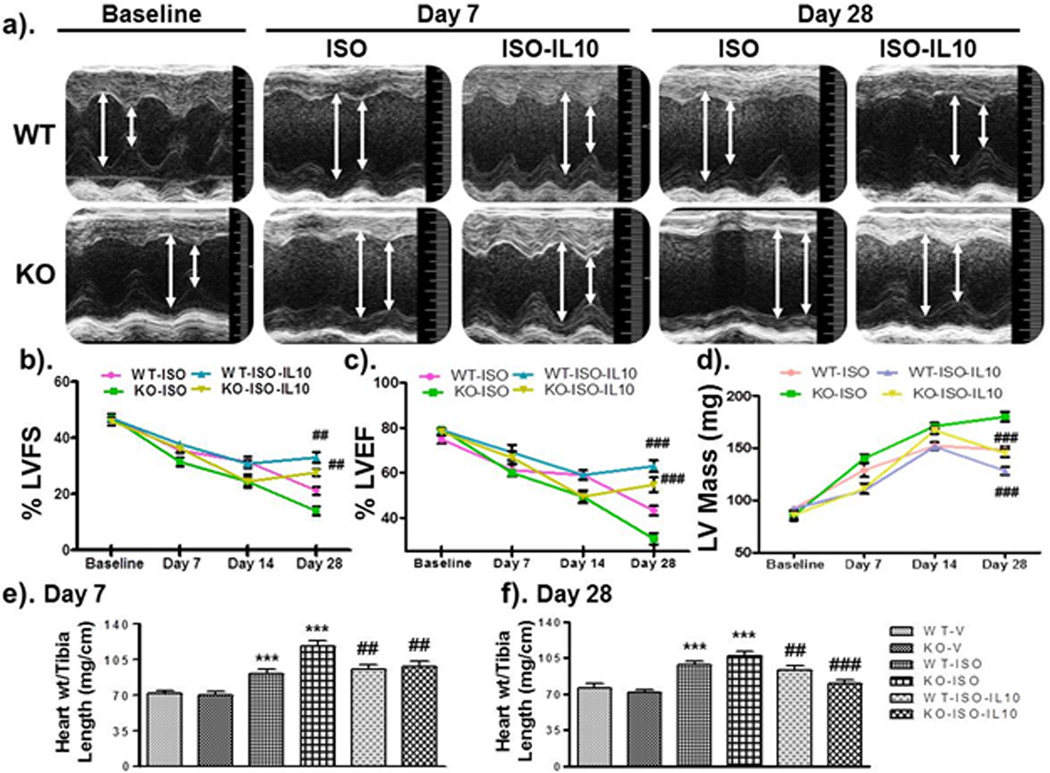
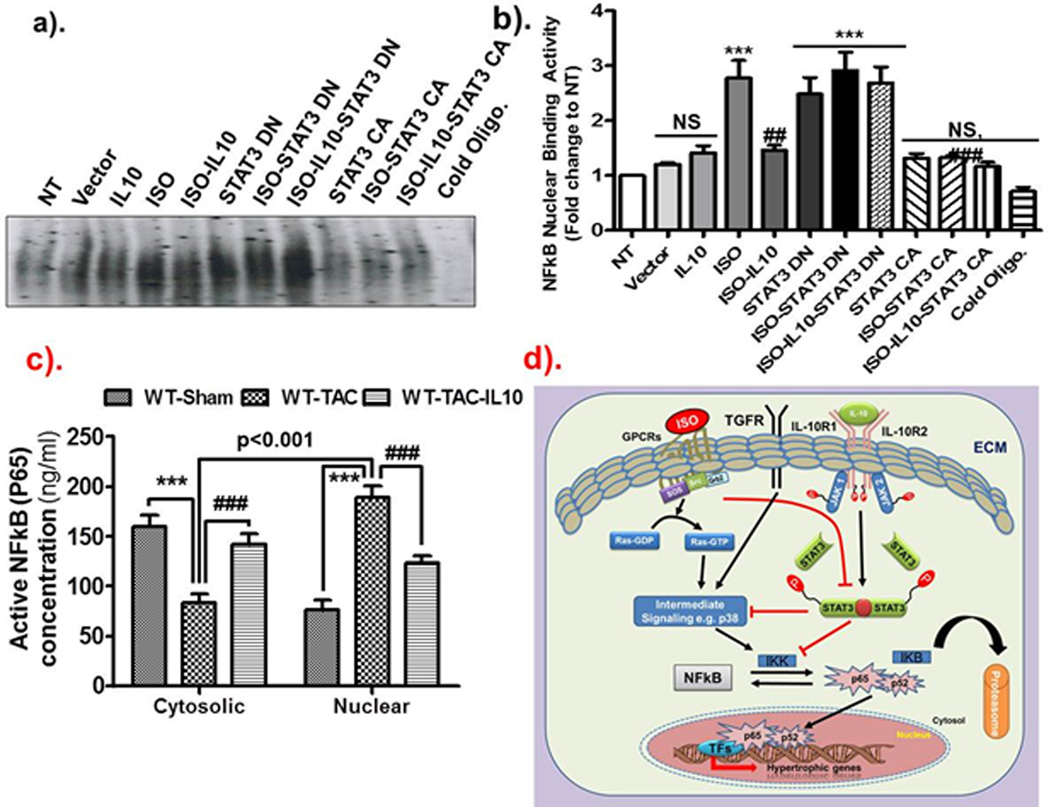
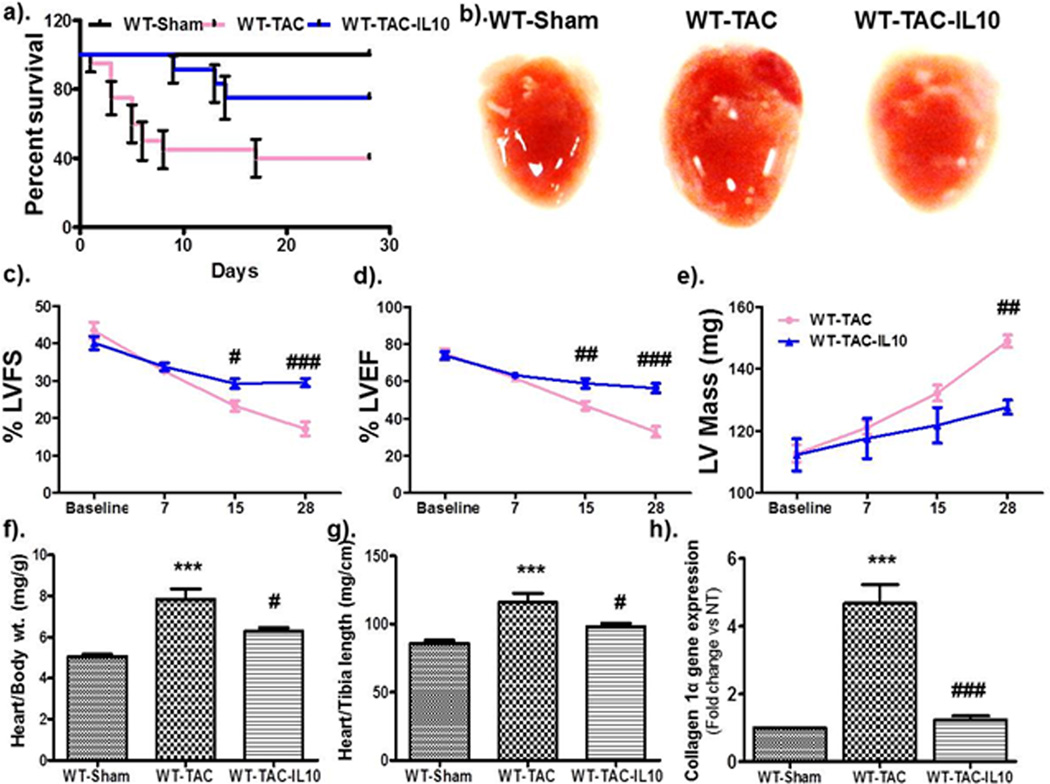
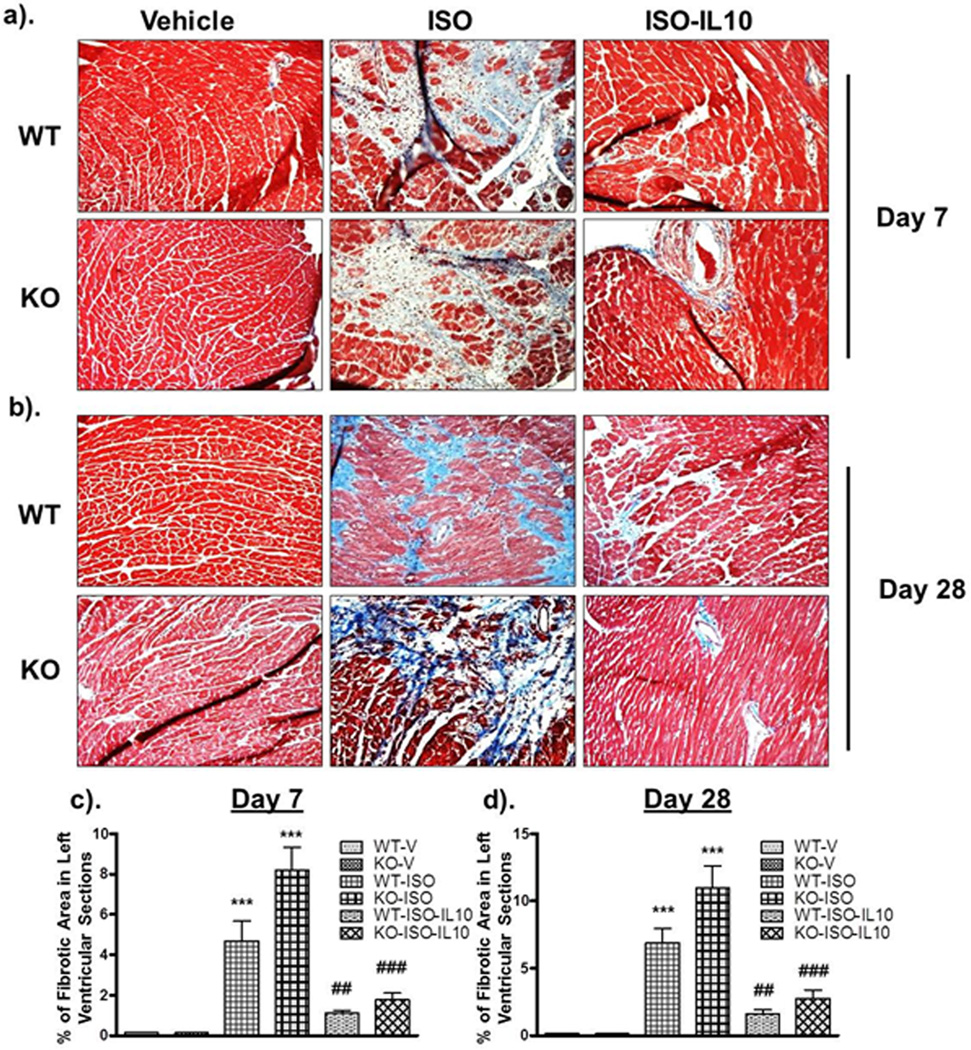
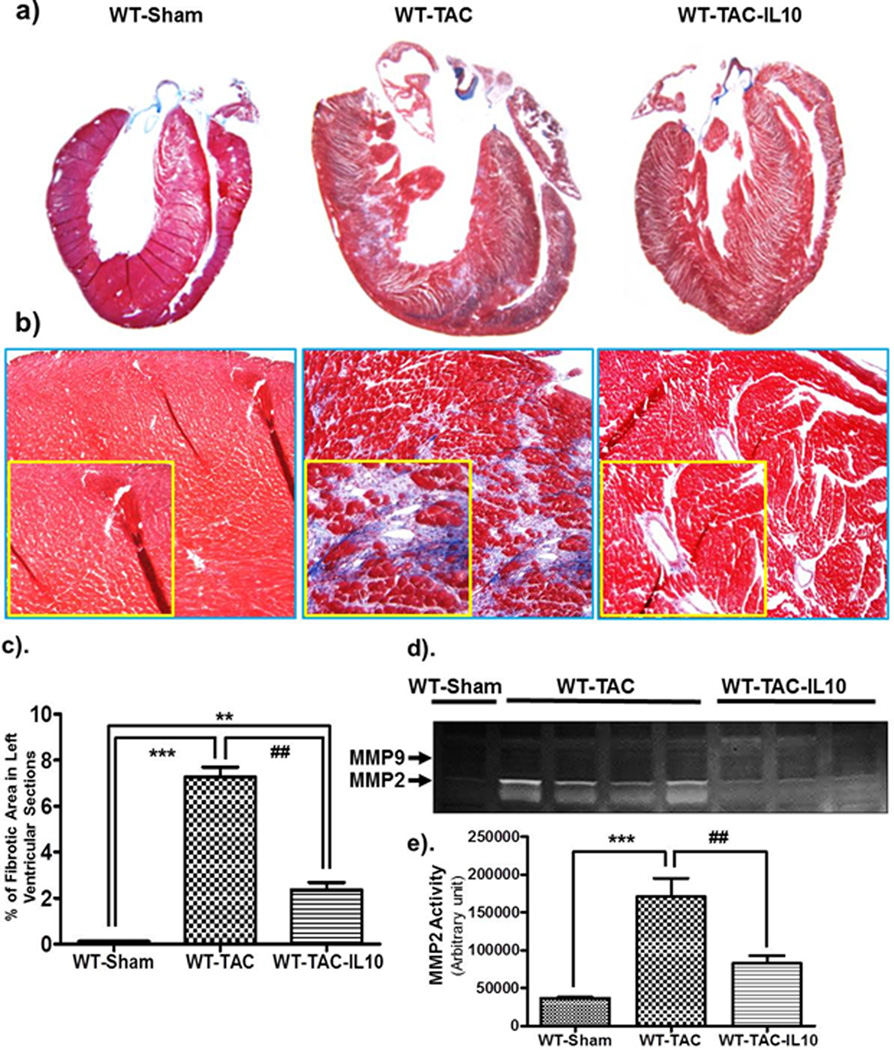
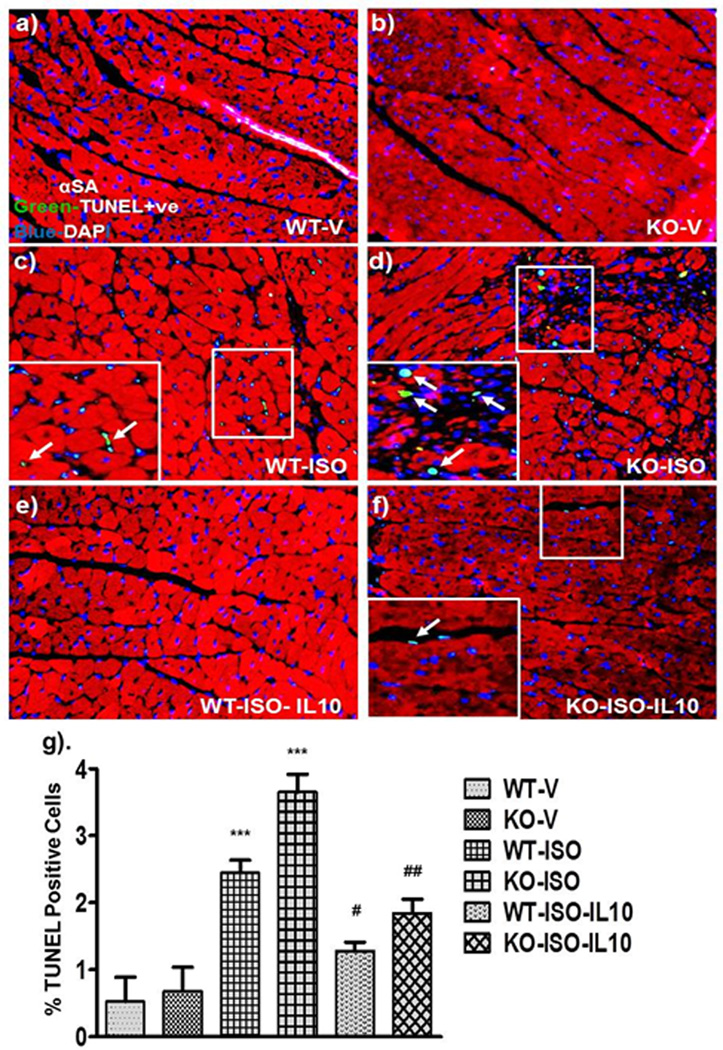
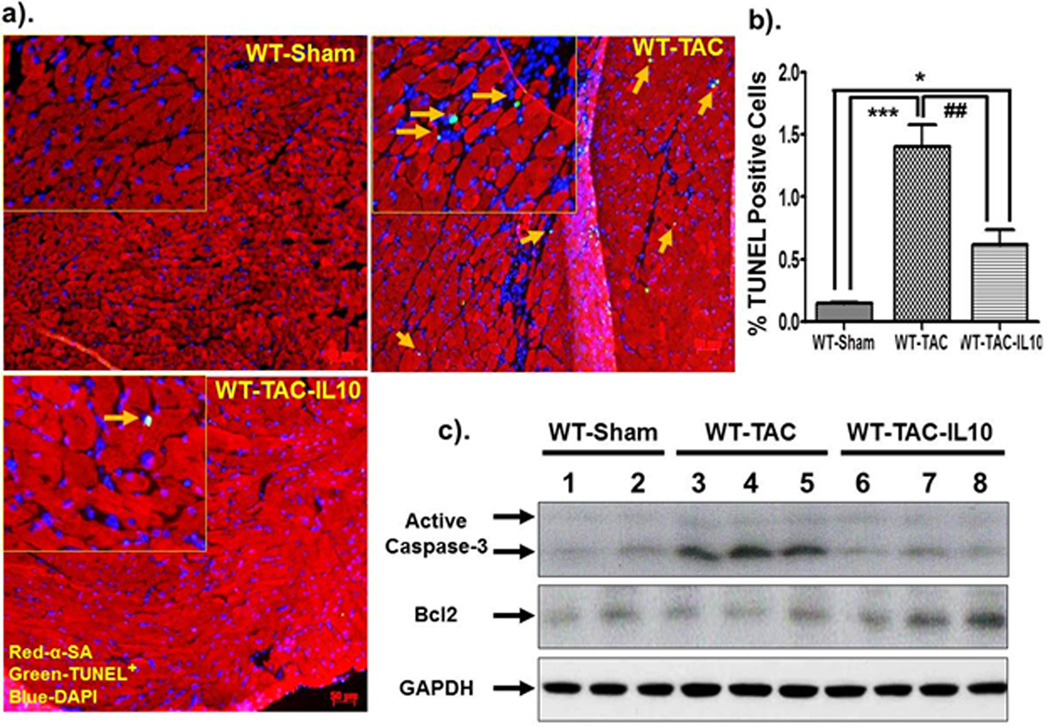
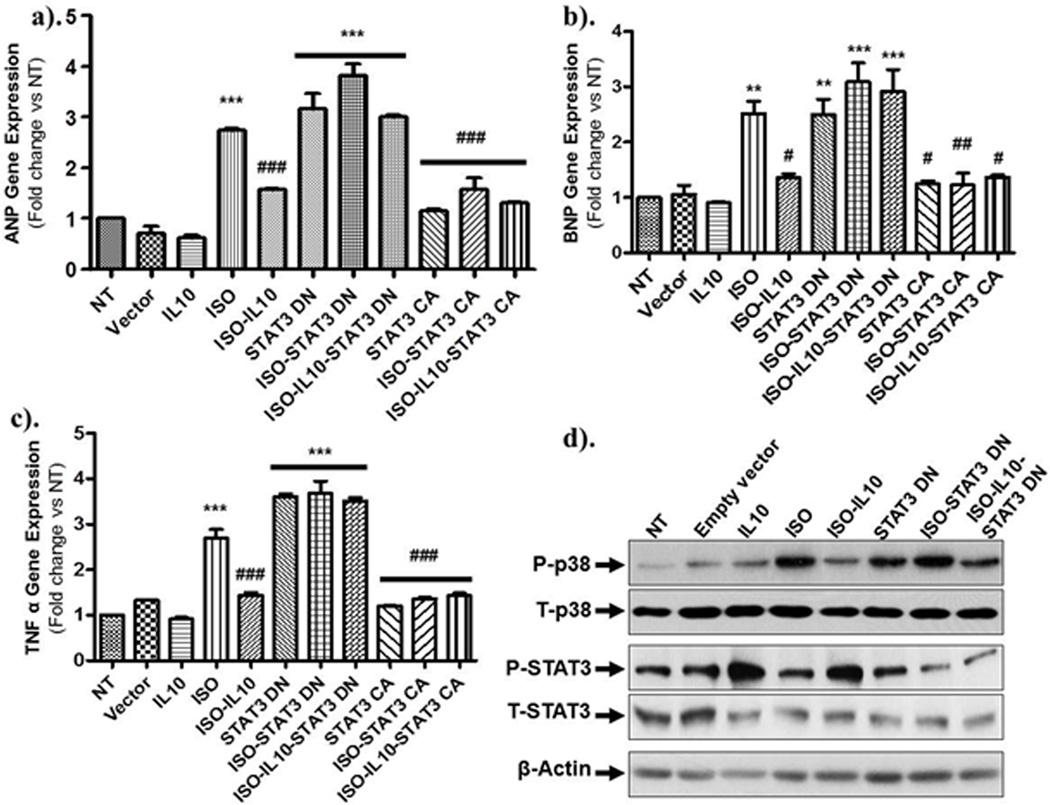
Cardiac hypertrophy was induced in wild-type and IL-10 knockout mice by isoproterenol (ISO) infusion. ISO-induced left ventricular dysfunction and hypertrophic remodeling, including fibrosis and fetal gene expression, were further exaggerated in knockout mice compared with wild-type mice. Systemic recombinant mouse IL-10 administration markedly improved left ventricular function and not only inhibited but also reversed ISO-induced cardiac remodeling. Intriguingly, a very similar cardioprotective response of IL-10 was found in transverse aortic constriction-induced hypertrophy and heart failure models. In neonatal rat ventricular myocytes and H9c2 myoblasts, ISO activated nuclear factor-κB and inhibited signal transducers and activators of transcription 3 (STAT3) phosphorylation. Interestingly, IL-10 suppressed ISO-induced nuclear factor-κB activation and attenuated STAT3 inhibition. Moreover, pharmacological and genetic inhibition of STAT3 reversed the protective effects of IL-10, whereas ectopic expression of constitutively active STAT3 mimicked the IL-10 responses on the ISO effects, confirming that the IL-10-mediated inhibition of nuclear factor-κB is STAT3 dependent.
Taken together, our results suggest IL-10 treatment as a potential therapeutic approach to limit the progression of pressure overload-induced adverse cardiac remodeling.
炎症在不良心脏重构和心力衰竭中起着关键作用。因此,针对抑制炎症的方法可能会提供治疗益处。我们测试了以下假设:白细胞介素-10(IL-10),一种有效的抗炎细胞因子,基因缺失会加剧压力超负荷引起的不良心脏重构和肥大,而 IL-10 治疗会抑制这种病理。
通过异丙肾上腺素(ISO)输注在野生型和 IL-10 敲除小鼠中诱导心肌肥大。与野生型小鼠相比,ISO 诱导的左心室功能障碍和肥大重构,包括纤维化和胎儿基因表达,在敲除小鼠中进一步加重。系统给予重组鼠 IL-10 可显著改善左心室功能,不仅抑制而且逆转 ISO 诱导的心脏重构。有趣的是,在主动脉缩窄诱导的肥大和心力衰竭模型中也发现了 IL-10 非常相似的心脏保护反应。在新生大鼠心室肌细胞和 H9c2 成肌细胞中,ISO 激活核因子-κB 并抑制信号转导和转录激活因子 3(STAT3)磷酸化。有趣的是,IL-10 抑制 ISO 诱导的核因子-κB 激活并减弱 STAT3 抑制。此外,STAT3 的药理学和遗传抑制逆转了 IL-10 的保护作用,而组成型激活 STAT3 的异位表达模拟了 IL-10 对 ISO 作用的反应,证实了 IL-10 介导的核因子-κB 抑制依赖于 STAT3。
综上所述,我们的结果表明 IL-10 治疗可能是限制压力超负荷引起的不良心脏重构进展的潜在治疗方法。