Möller Kathleen, Görg Christian, Krix Martin, Jenssen Christian, Dong Yi, Cui Xin-Wu, Dietrich Christoph F
Medical Department I/Gastroenterology, SANA Hospital Lichtenberg, 10365 Berlin, Germany.
Interdisciplinary Center of Ultrasound Diagnostics, Gastroenterology, Endocrinology, Metabolism and Clinical Infectiology, University Hospital Giessen and Marburg, Philipp University of Marburg, Baldingerstraße, 35037 Marburg, Germany.
Diagnostics (Basel). 2025 Apr 14;15(8):998. doi: 10.3390/diagnostics15080998.
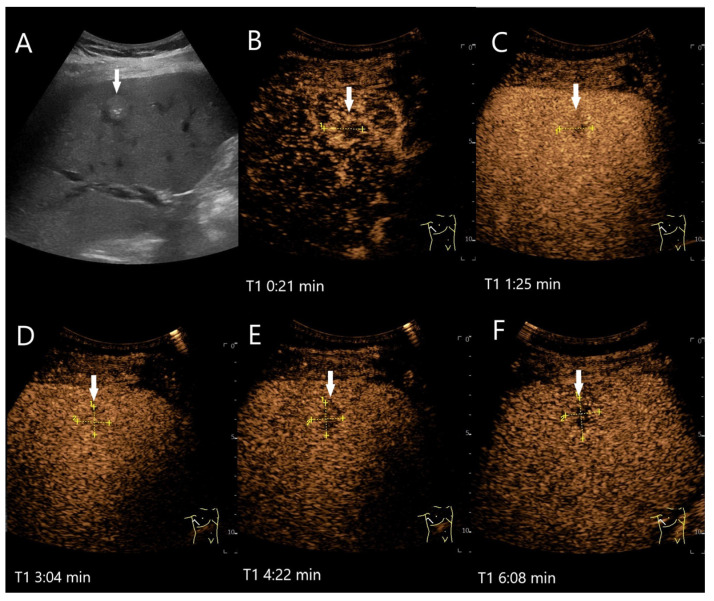
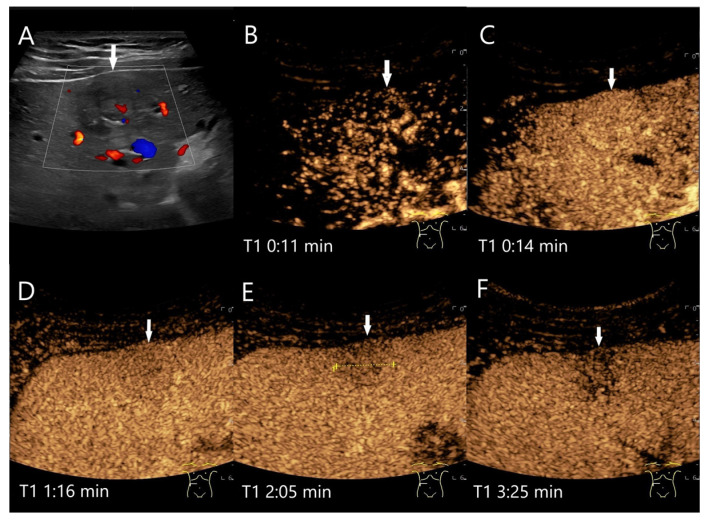
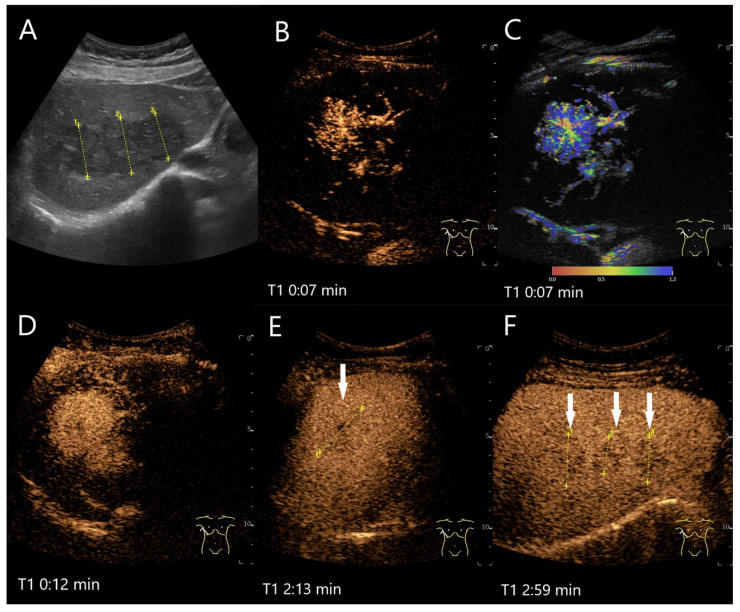
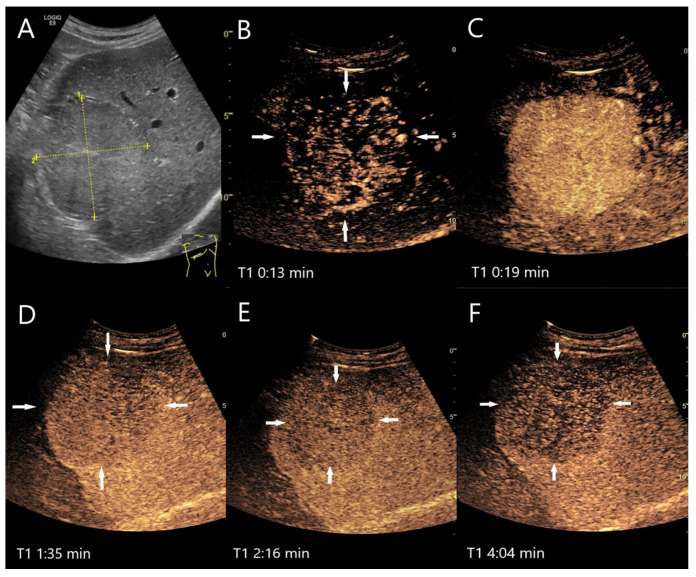
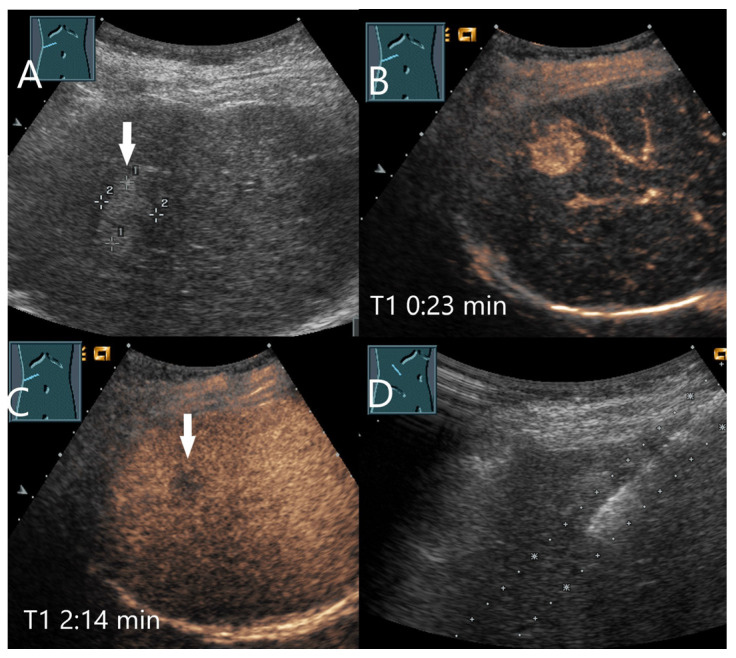
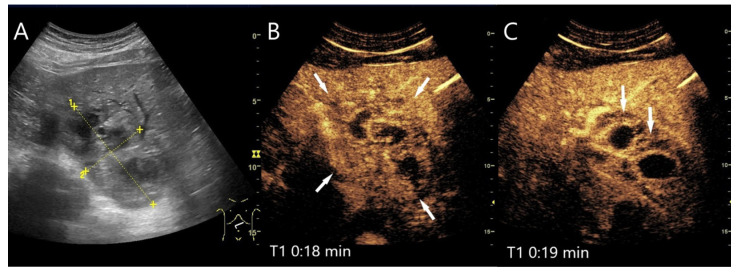
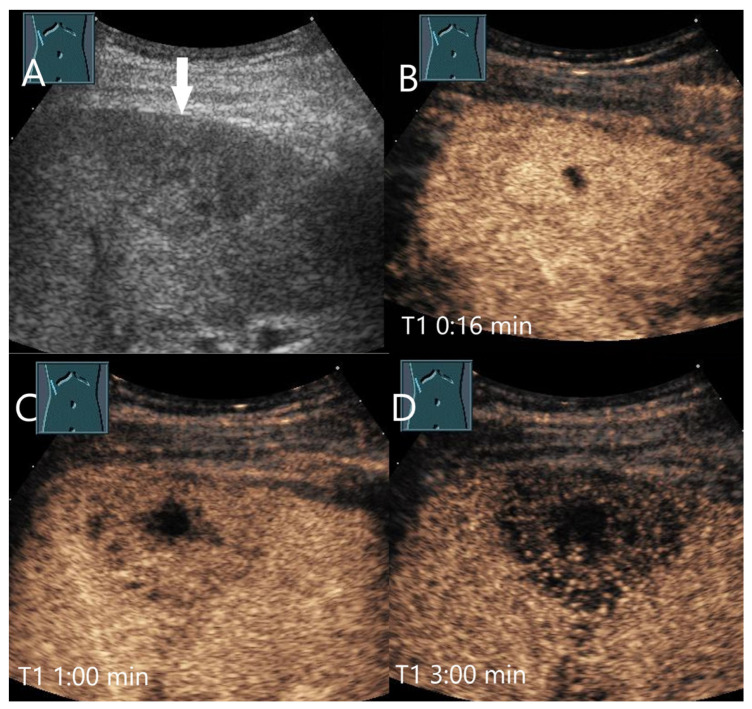
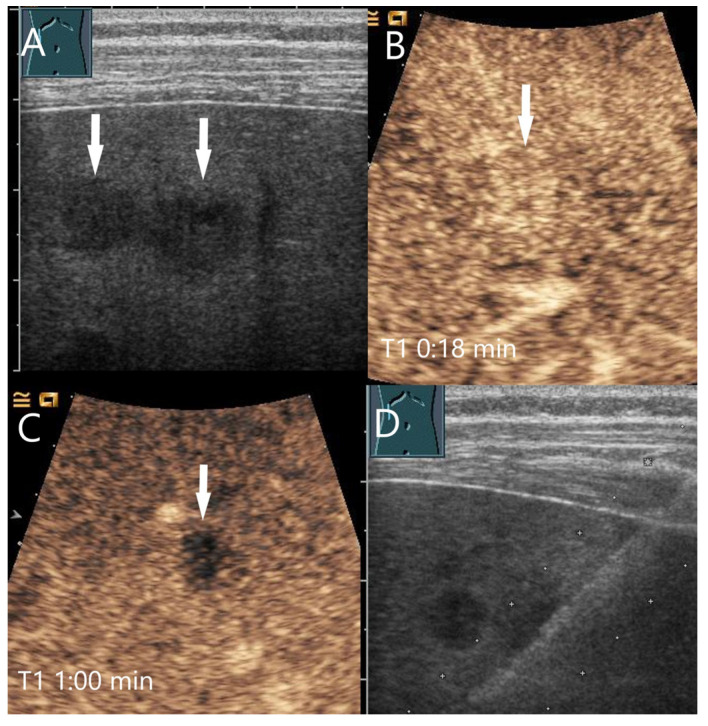
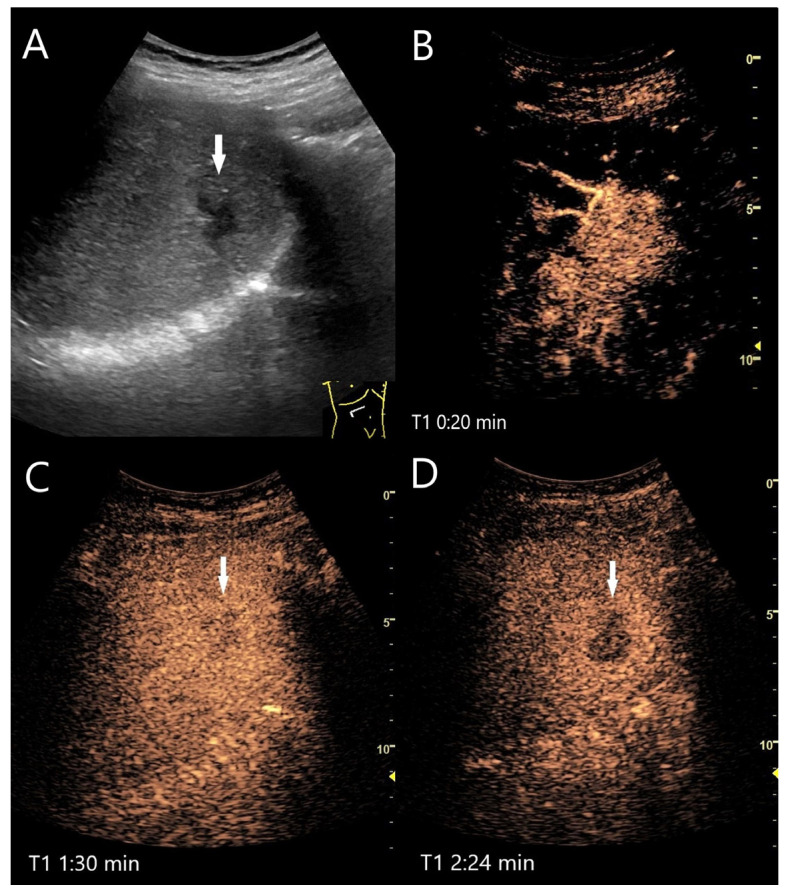
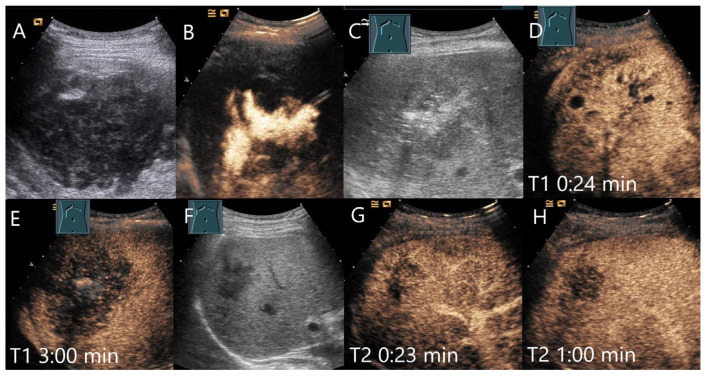
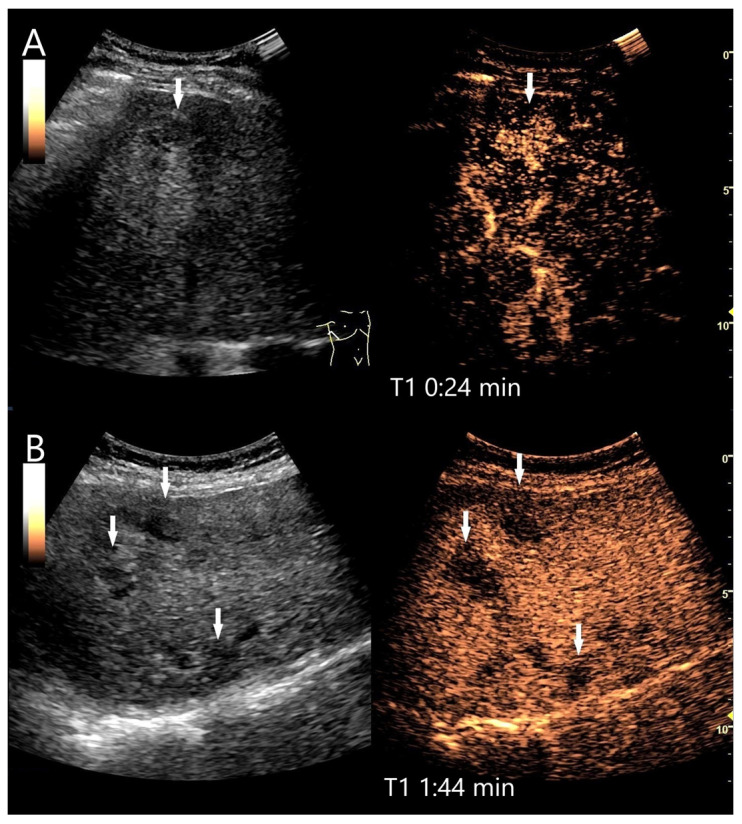
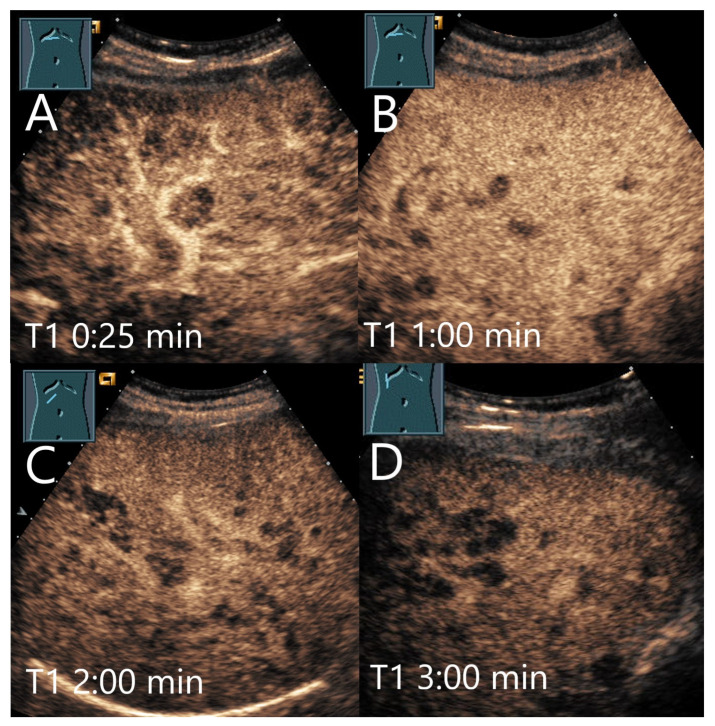
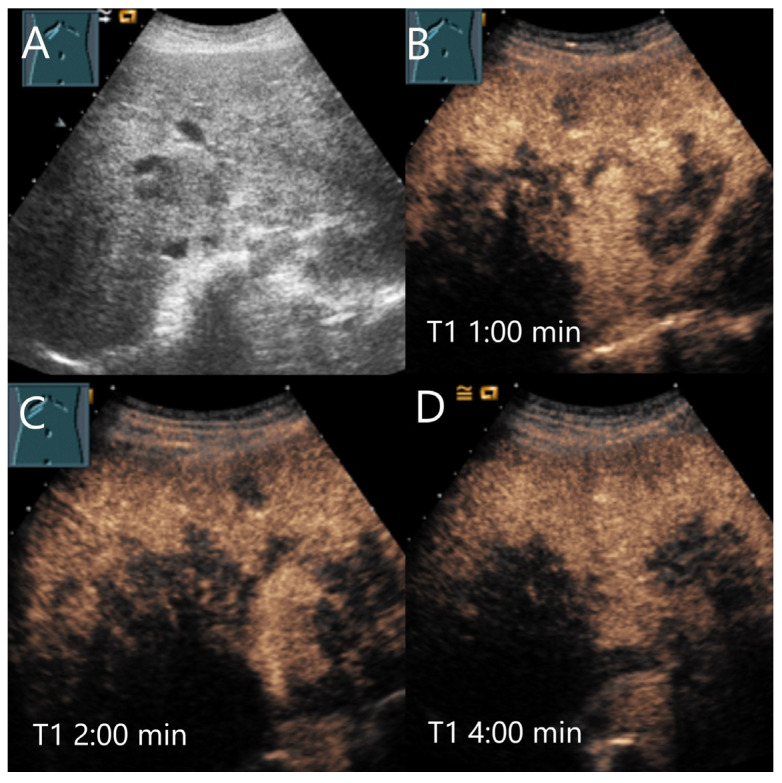
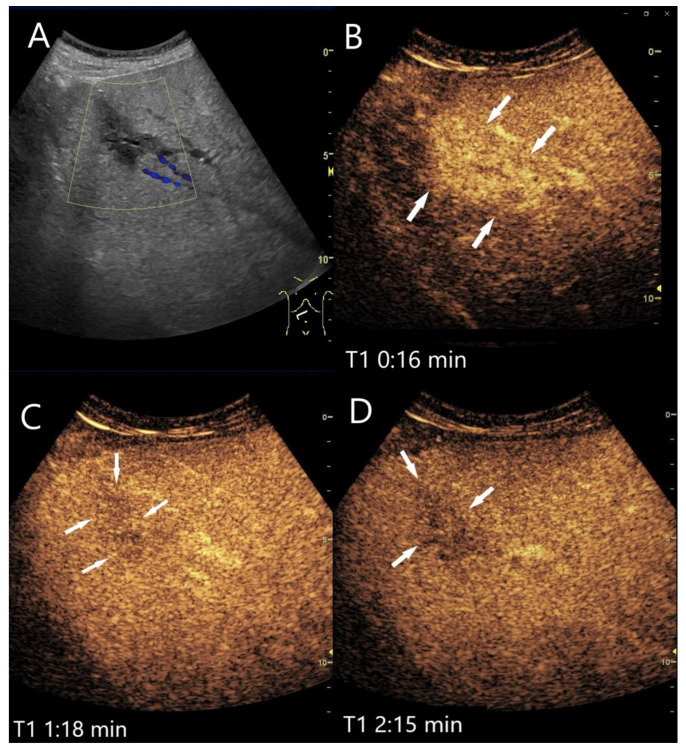
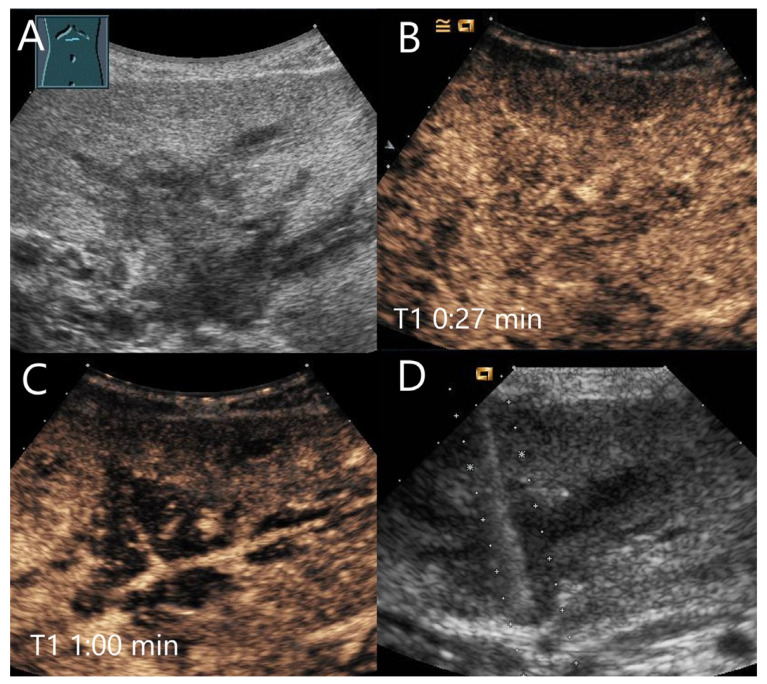
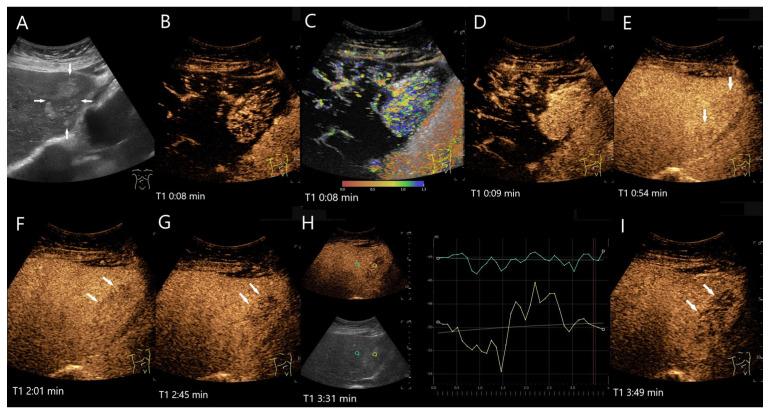
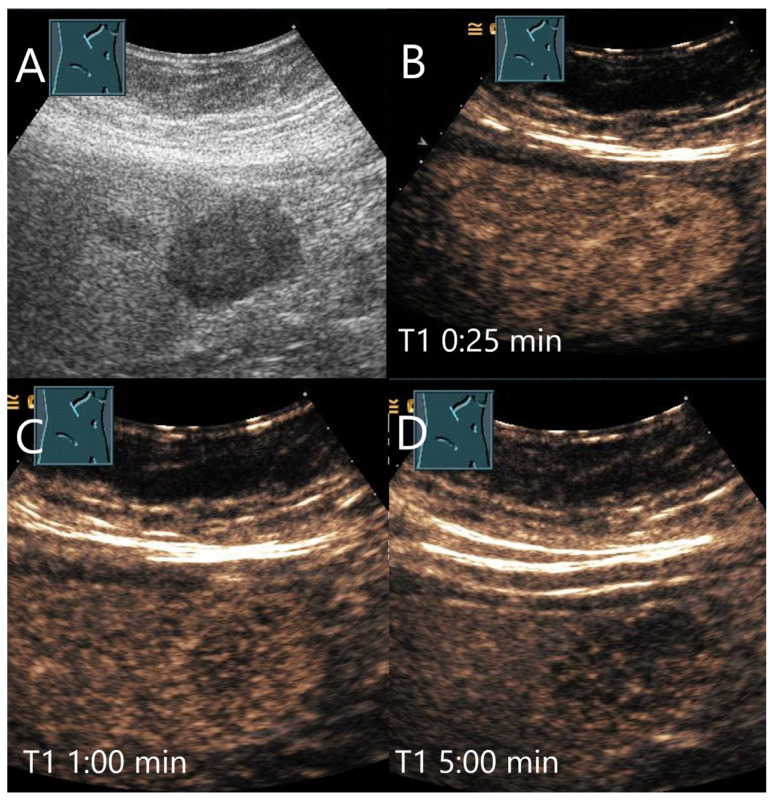
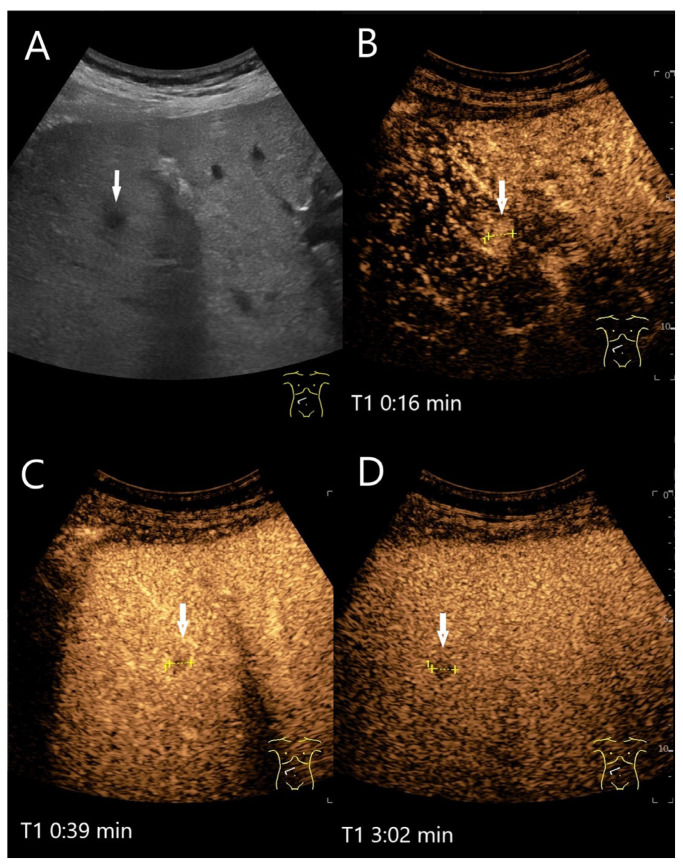
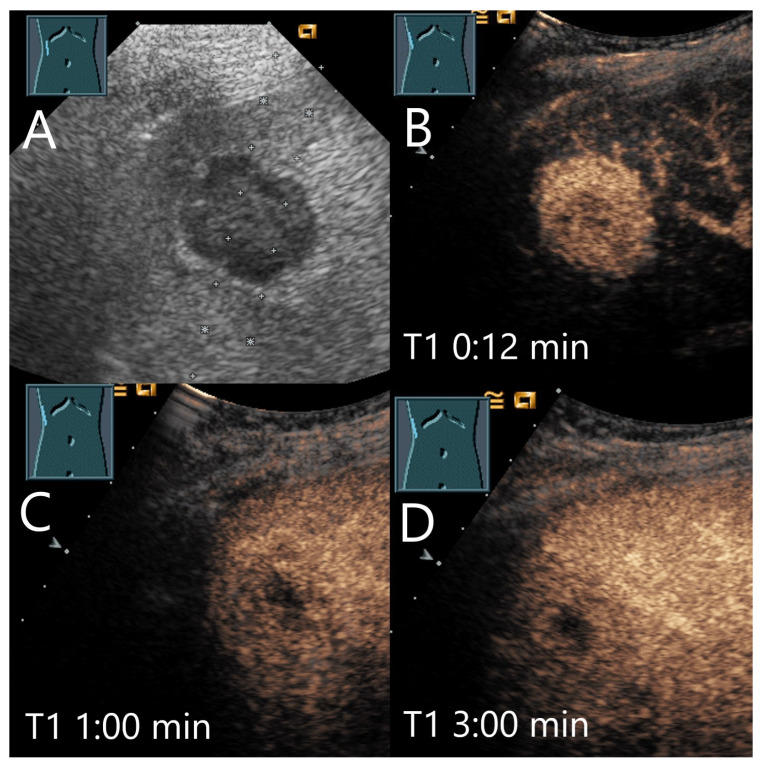
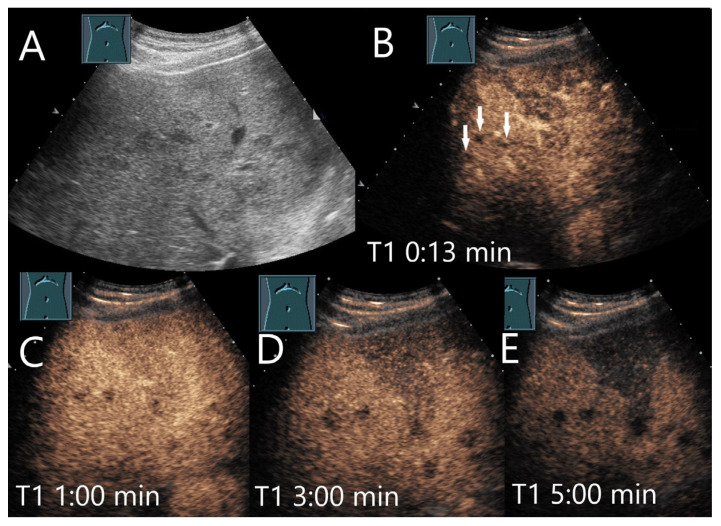
In all imaging methods, including contrast-enhanced ultrasound (CEUS), enhancement in the late phase (LP) is an important criterion for differentiating between benign and malignant focal liver lesions (FLLs). In general, malignant liver lesions are characterized by hypoenhancement and washout in the LP. A lesion with LP hyperenhancement or isoenhancement in the non-cirrhotic liver is usually benign. However, LP hypoenhancement in benign lesions is not so rare, and is even normal and the standard for some lesions, and there are exceptions for each tumor entity that can represent a diagnostic challenge. Knowing these contrast patterns and exceptions is key for correct diagnosis and patient management. The following narrative review describes the contrast behaviors and the frequency of washout and LP hypoenhancement for common as well as rare benign liver lesions and analyzes its causes.
在包括超声造影(CEUS)在内的所有成像方法中,延迟期(LP)强化是鉴别肝脏局灶性病变(FLLs)良恶性的重要标准。一般来说,恶性肝脏病变的特征是延迟期低强化和廓清。在非肝硬化肝脏中,延迟期高强化或等强化的病变通常为良性。然而,良性病变中延迟期低强化并不罕见,甚至对某些病变来说是正常表现和标准,而且每个肿瘤实体都有例外情况,这可能带来诊断挑战。了解这些造影模式和例外情况是正确诊断和患者管理的关键。以下叙述性综述描述了常见及罕见良性肝脏病变的造影表现、廓清频率和延迟期低强化情况,并分析其原因。