Huang Jingyan, Yu Shun, Luo Jing, Luo Xusong, Yang Jun, Wang Xiuxia
Department of Plastic and Reconstructive Surgery, Shanghai Ninth People's Hospital, Shanghai Jiaotong University School of Medicine, Shanghai, China.
The Affiliated Hospital of Jiangnan University, Wuxi, Jiangsu, China.
Cell Death Discov. 2025 May 5;11(1):217. doi: 10.1038/s41420-025-02401-3.
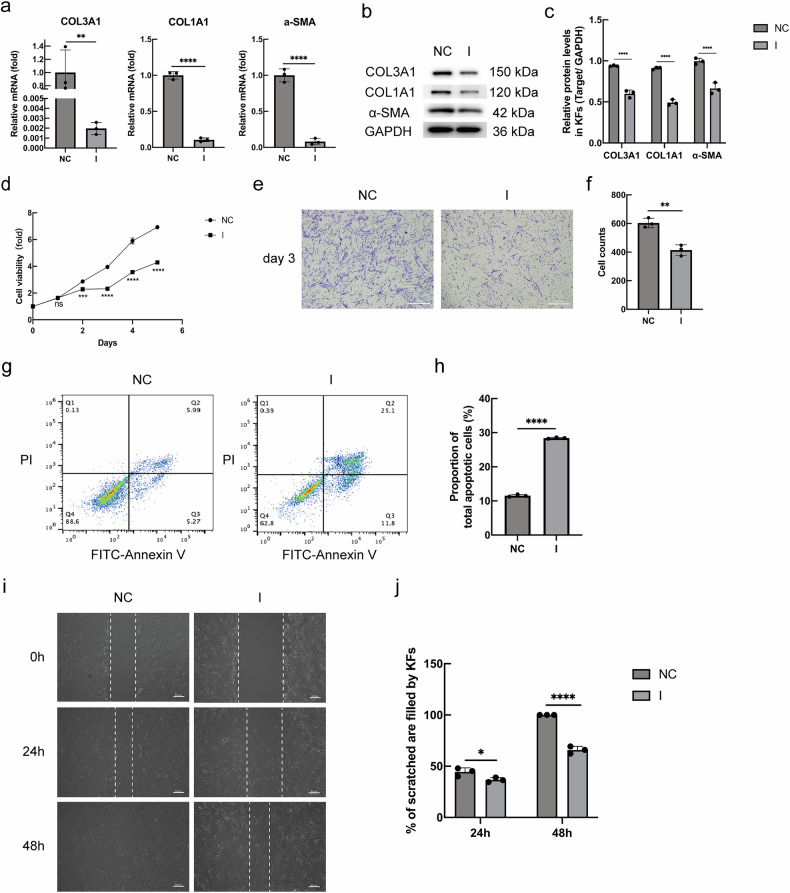
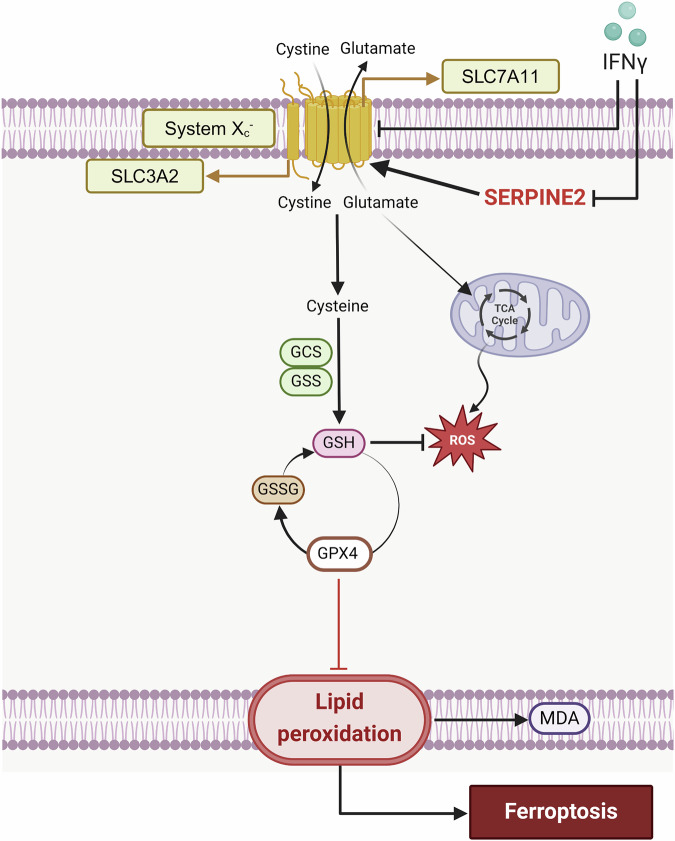
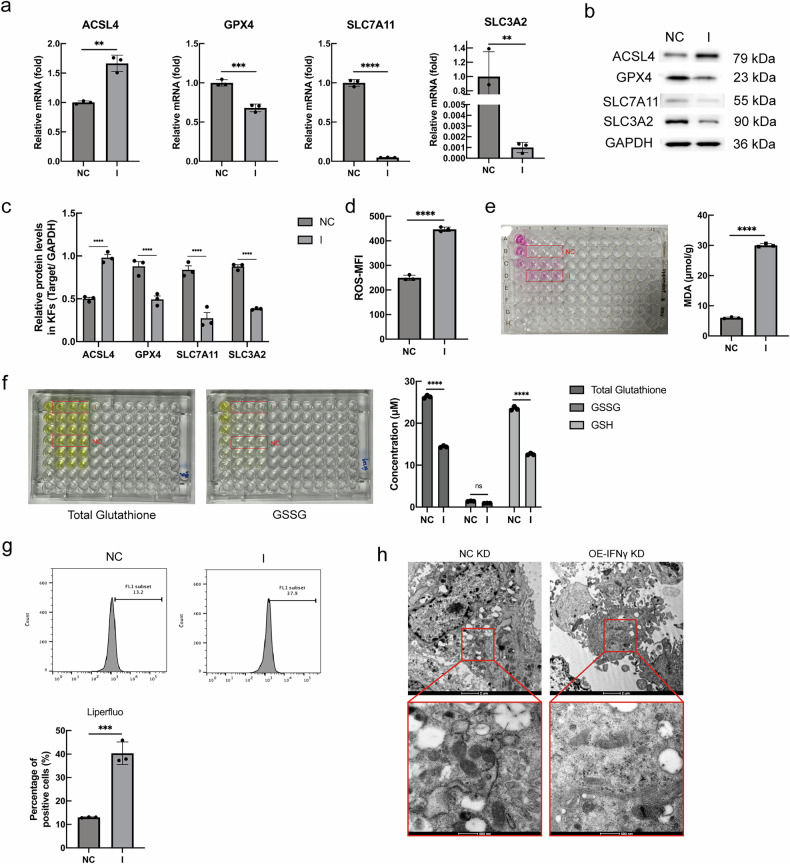
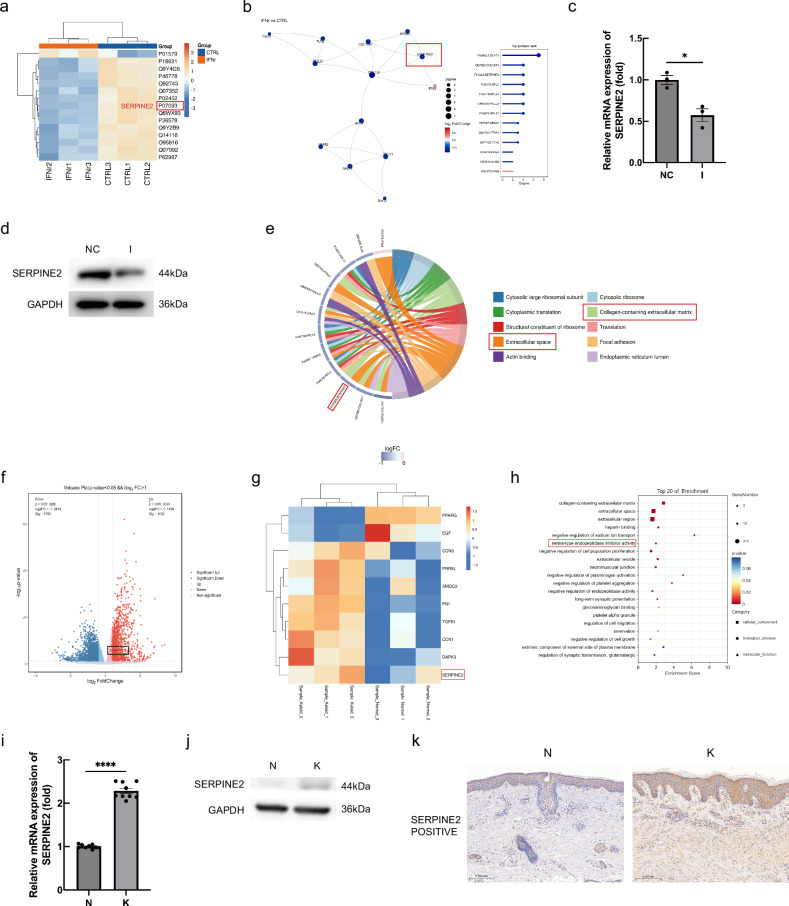
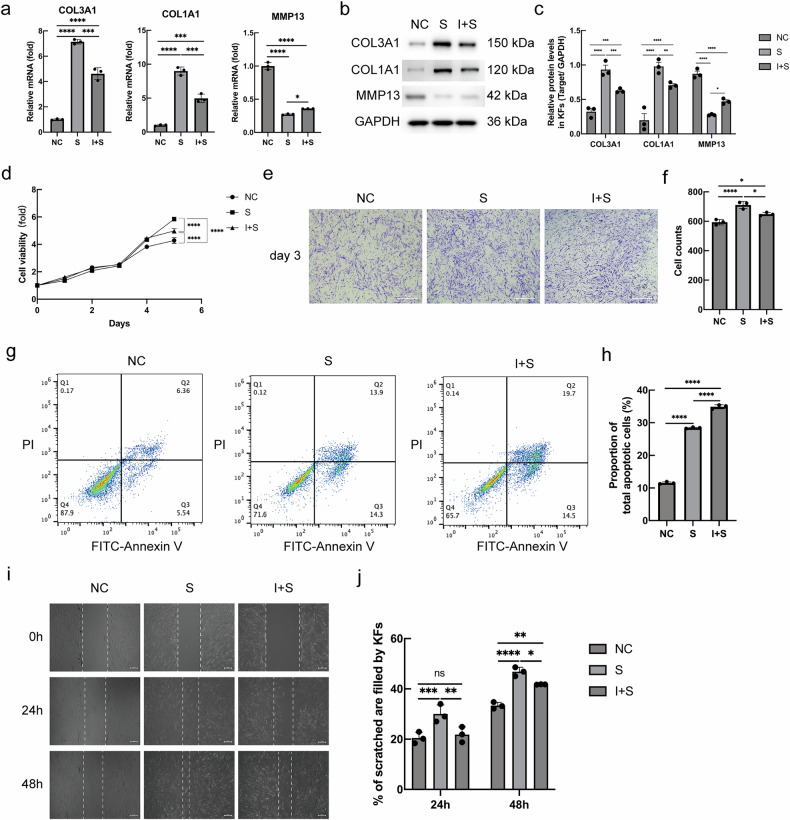
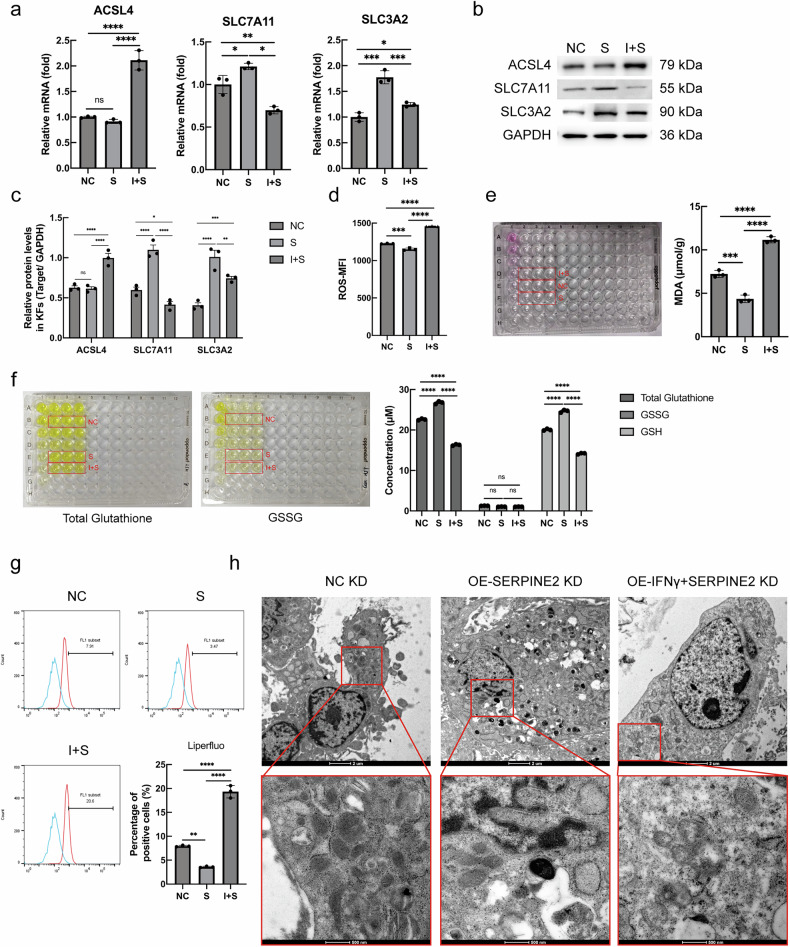
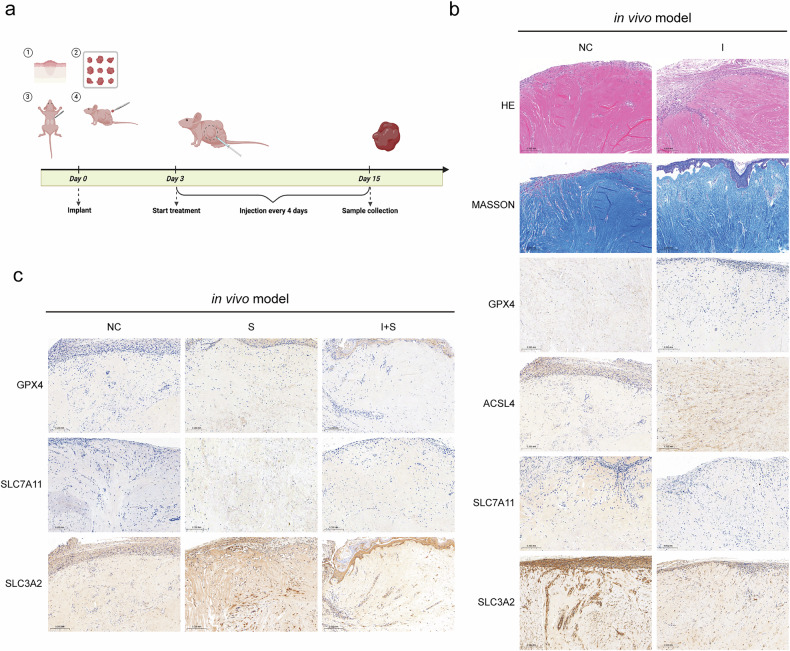
Keloids are common pathological scars resulting from previous trauma or inflammation. Interferon-gamma (IFN-γ) has shown significant therapeutic effects when used alone or in combination with other agents. While IFN-γ has been found to regulate ferroptosis in tumor cells, its ability to regulate ferroptosis in keloid fibroblasts (KFs) is unclear. Here, we have demonstrated a direct causal relationship between IFN-γ levels and ferroptosis in KFs. To explore the intrinsic mechanism, we performed genome-wide RNA and proteomics sequencing and found that serpine2 was the most significantly downregulated gene in KFs after exogenous overexpression of IFN-γ. Serpine2, which belongs to a family of serine protease inhibitors, has been shown to play an important role in fibrotic diseases. Therefore, we hypothesized that serpine2 is a downstream gene in the regulation of ferroptosis in KFs by IFN-γ. Our results showed that serpine2 overexpression promotes collagen synthesis, which in turn promotes the proliferation, migration, and invasive functions of KFs. We further demonstrated that serpine2 overexpression promoted system Xc transporter expression, cystine uptake, and glutathione synthesis, enhanced GPX4 activity; and inhibited reactive oxygen species generation. This resulted in a reduction in intracellular lipid peroxidation and the levels of its metabolite malondialdehyde, as well as inhibited ferroptosis in KFs. IFN-γ reversed these effects of serpine2 overexpression. These results were largely confirmed in in vivo keloid models too. These findings imply that IFN-γ not only directly induces ferroptosis in KFs but also enhances their sensitivity to ferroptosis by inhibiting the synthesis of SLC7A11 and SLC3A2 through downregulation of serpine2. In summary, we suggest that the serpine2-system Xc axis is a promising therapeutic target for the treatment of keloids.
瘢痕疙瘩是由先前的创伤或炎症引起的常见病理性瘢痕。γ干扰素(IFN-γ)单独使用或与其他药物联合使用时已显示出显著的治疗效果。虽然已发现IFN-γ可调节肿瘤细胞中的铁死亡,但其调节瘢痕疙瘩成纤维细胞(KF)中铁死亡的能力尚不清楚。在此,我们证明了IFN-γ水平与KF中铁死亡之间存在直接因果关系。为了探索其内在机制,我们进行了全基因组RNA和蛋白质组学测序,发现丝氨酸蛋白酶抑制剂2(serpine2)是外源性过表达IFN-γ后KF中下调最显著的基因。Serpine2属于丝氨酸蛋白酶抑制剂家族,已证明在纤维化疾病中起重要作用。因此,我们假设serpine2是IFN-γ调节KF中铁死亡的下游基因。我们的结果表明,serpine2过表达促进胶原蛋白合成,进而促进KF的增殖、迁移和侵袭功能。我们进一步证明,serpine2过表达促进系统Xc转运体表达、胱氨酸摄取和谷胱甘肽合成,增强谷胱甘肽过氧化物酶4(GPX4)活性;并抑制活性氧生成。这导致细胞内脂质过氧化及其代谢产物丙二醛水平降低,并抑制KF中的铁死亡。IFN-γ逆转了serpine2过表达的这些作用。这些结果在体内瘢痕疙瘩模型中也得到了很大程度的证实。这些发现意味着IFN-γ不仅直接诱导KF中的铁死亡,还通过下调serpine2抑制溶质载体家族7成员11(SLC7A11)和溶质载体家族3成员2(SLC3A2)的合成来增强它们对铁死亡的敏感性。总之,我们认为serpine2-系统Xc轴是治疗瘢痕疙瘩的一个有前景的治疗靶点。