Zhang Di, Li Hua
Department of Obstetrics and Gynecology, Beijing Chao-Yang Hospital, Capital Medical University, Beijing, China.
Reprod Health. 2025 May 6;22(1):65. doi: 10.1186/s12978-025-02017-x.
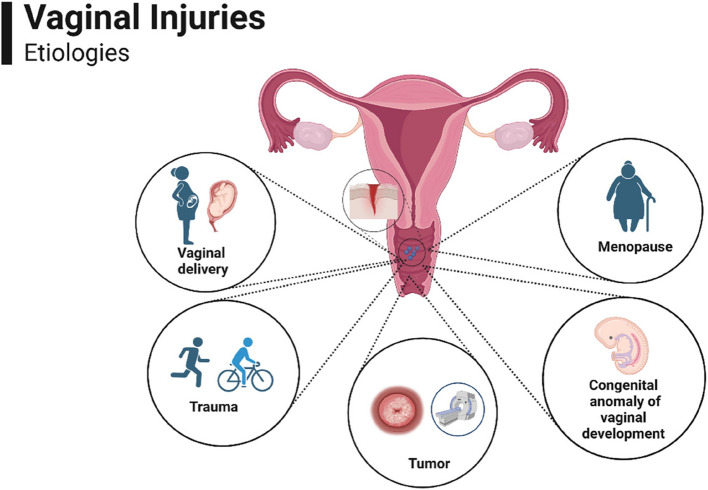
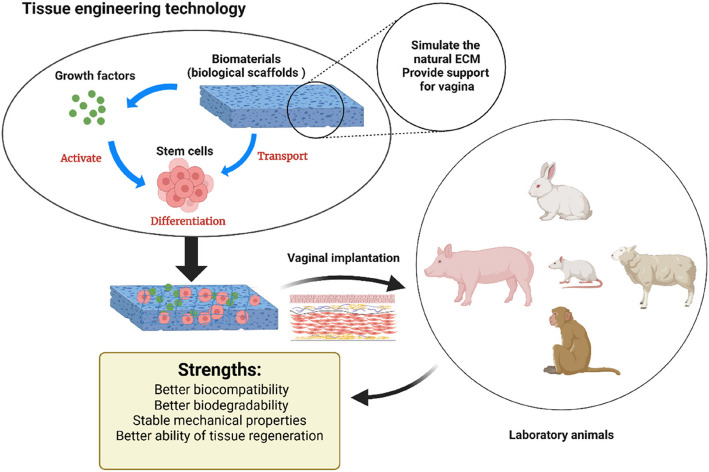
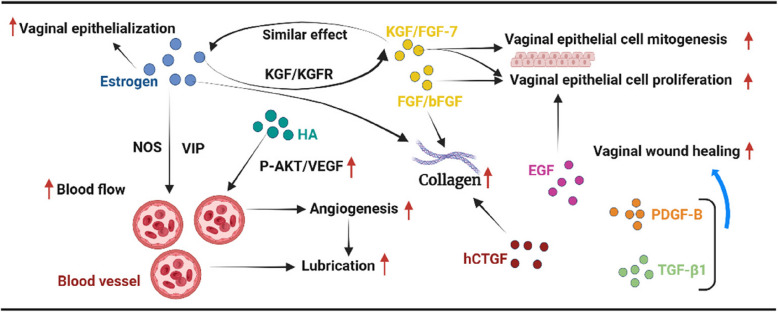
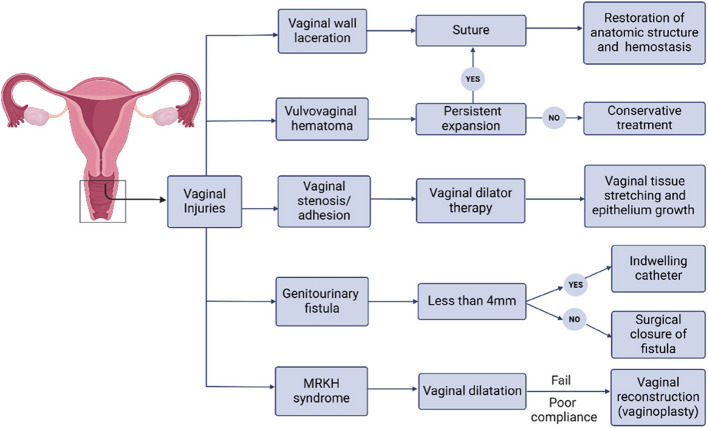
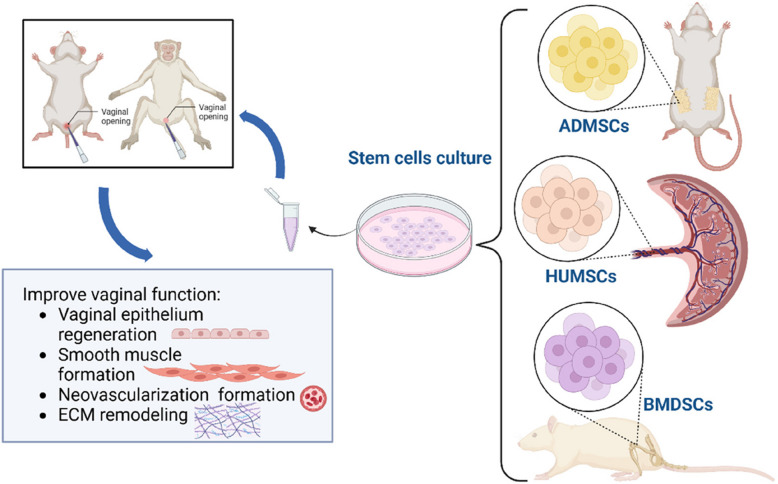
The preservation of vaginal anatomical structure and physiological function is critical for women's health and should not be ignored. Vaginal injuries have a negative impact on women's quality of life. Vaginal delivery is the most common cause of vaginal injuries, 53-79% of women suffer from perineal and vaginal lacerations during labor. The incident of vaginal atrophy caused by decreased estrogen in menopausal women is growing, reaching 39%. The primary medical treatment of menopause-related vaginal atrophy is estrogen, which has a recognized therapeutic effect. Severe obstetric lacerations and trauma-related vaginal damage must be identified promptly and treated surgically. Radiotherapy-induced vaginal stenosis and adhesion could be treated with a vaginal dilator, however, there is a lack of consensus on therapy plans. Furthermore, surgical closure of genitourinary fistulas arise from the tumor or vaginal delivery is technically challenging. Stem cells have been proven to be effective in treating vaginal atrophy in animal models. Traditional treatments for Mayer-Rokitansky-Küster-Hauser syndrome, which is caused by a congenital anomaly of vaginal development, include vaginal dilation and vaginoplasty with autologous tissue. However, due to poor compliance and surgical complications, tissue engineering technology has received considerable attention for vaginal reconstruction because of its preferred characteristics. Nonetheless, the biological therapy of stem cell and tissue engineering technology still faces severe challenges, without application for clinical translation. Therefore, for women with vaginal injuries, the choice of treatment should be guided by the etiology and symptom severity. Stem cell therapy and tissue engineering technology show promising application prospects for vaginal injury repair and reconstruction, in addition to medical and surgical treatments. However, it is necessary to conduct additional pre-clinical animals and clinical trials in order to provide reliable references for future clinical practice.
阴道解剖结构和生理功能的保留对女性健康至关重要,不容忽视。阴道损伤会对女性生活质量产生负面影响。阴道分娩是阴道损伤最常见的原因,53%至79%的女性在分娩时会出现会阴和阴道撕裂伤。绝经后女性因雌激素水平下降导致的阴道萎缩发生率不断上升,达到39%。与绝经相关的阴道萎缩的主要药物治疗是雌激素,其治疗效果已得到认可。严重的产科撕裂伤和创伤相关的阴道损伤必须及时识别并进行手术治疗。放疗引起的阴道狭窄和粘连可用阴道扩张器治疗,但治疗方案尚无共识。此外,肿瘤或阴道分娩引起的泌尿生殖瘘的手术闭合在技术上具有挑战性。干细胞已被证明在动物模型中治疗阴道萎缩有效。由阴道发育先天性异常引起的 Mayer-Rokitansky-Küster-Hauser 综合征的传统治疗方法包括阴道扩张和自体组织阴道成形术。然而,由于依从性差和手术并发症,组织工程技术因其优势特性在阴道重建方面受到了相当大的关注。尽管如此,干细胞生物治疗和组织工程技术仍面临严峻挑战,尚未应用于临床转化。因此,对于阴道损伤的女性,治疗选择应根据病因和症状严重程度来指导。除了药物和手术治疗外,干细胞治疗和组织工程技术在阴道损伤修复和重建方面显示出有前景的应用前景。然而,有必要进行更多的临床前动物和临床试验,以便为未来的临床实践提供可靠的参考。