Pu Rumin, Hu Gaojiao, Jiang Qian, Zhou Wenhao, Zhao Binhan, Xia Chao, Hu Jianfeng, Xiang Wenqi, Liu Mao, Deng Hanyu, Zhao Shuang, Han Jialong, Lv Guihua, Lin Haijian
State Key Laboratory of Crop Gene Exploration and Utilization in Southwest China, Maize Research Institute, Sichuan Agricultural University, Chengdu 611130, China.
Institute of Maize and Featured Upland Crops, Zhejiang Academy of Agricultural Sciences, Dongyang 322100, China.
Int J Mol Sci. 2025 Apr 8;26(8):3487. doi: 10.3390/ijms26083487.
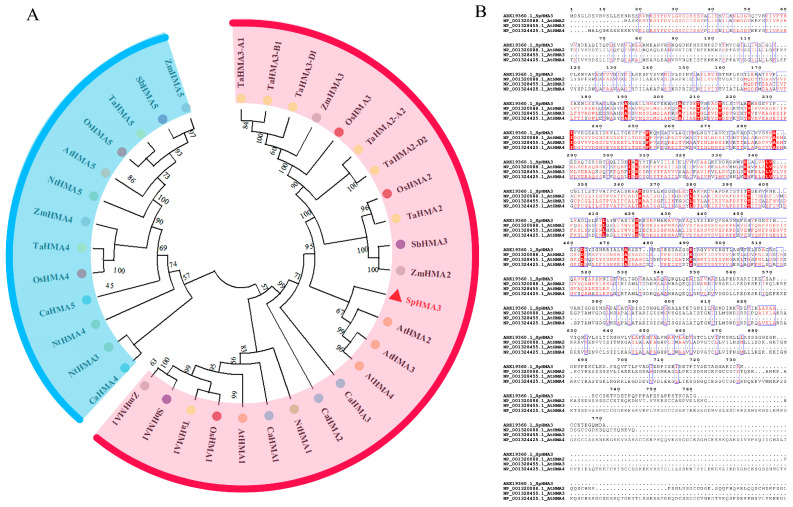
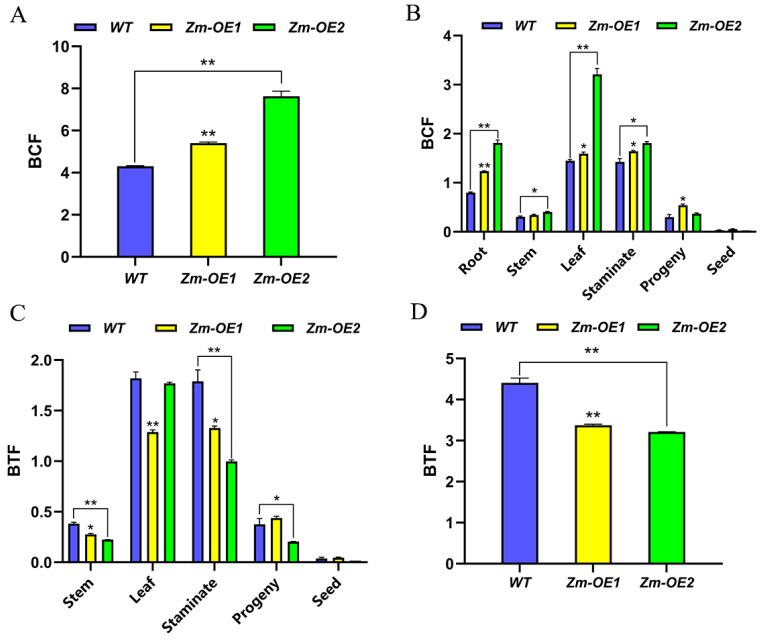
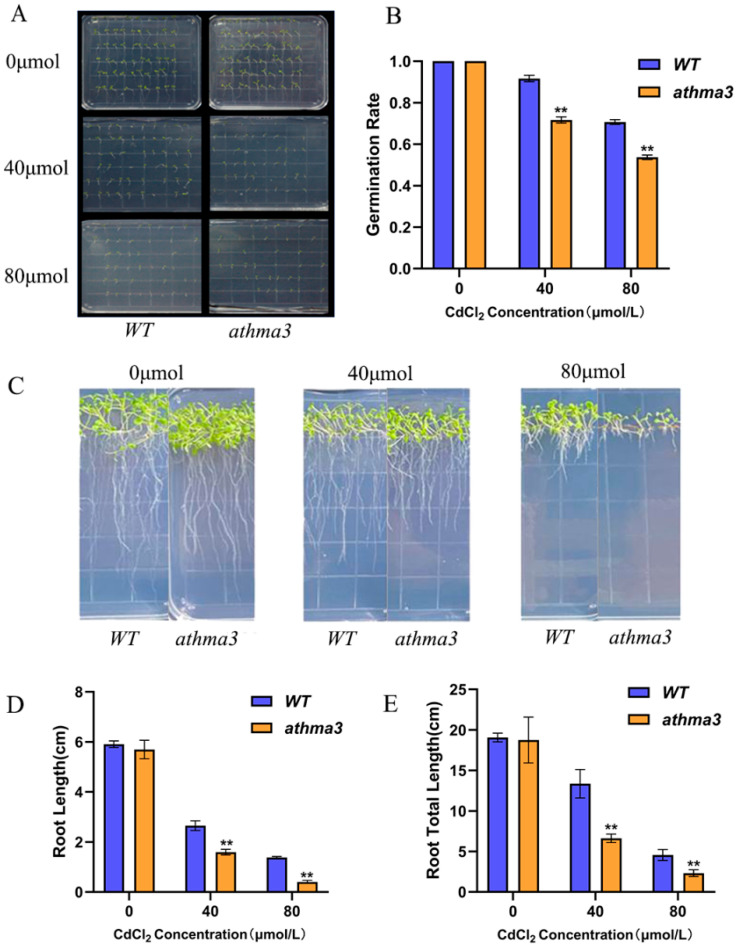
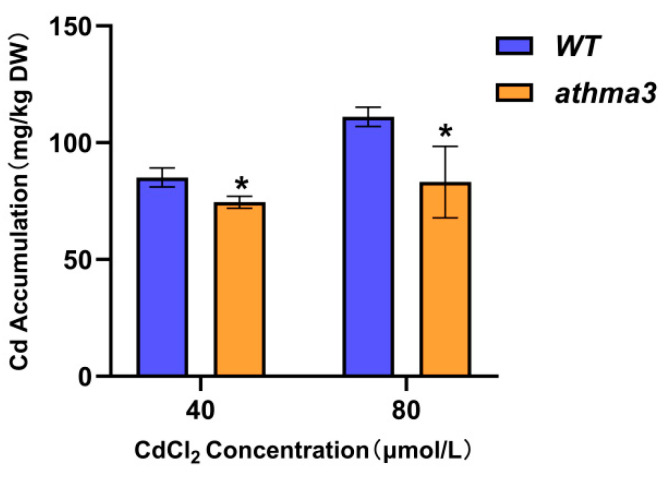
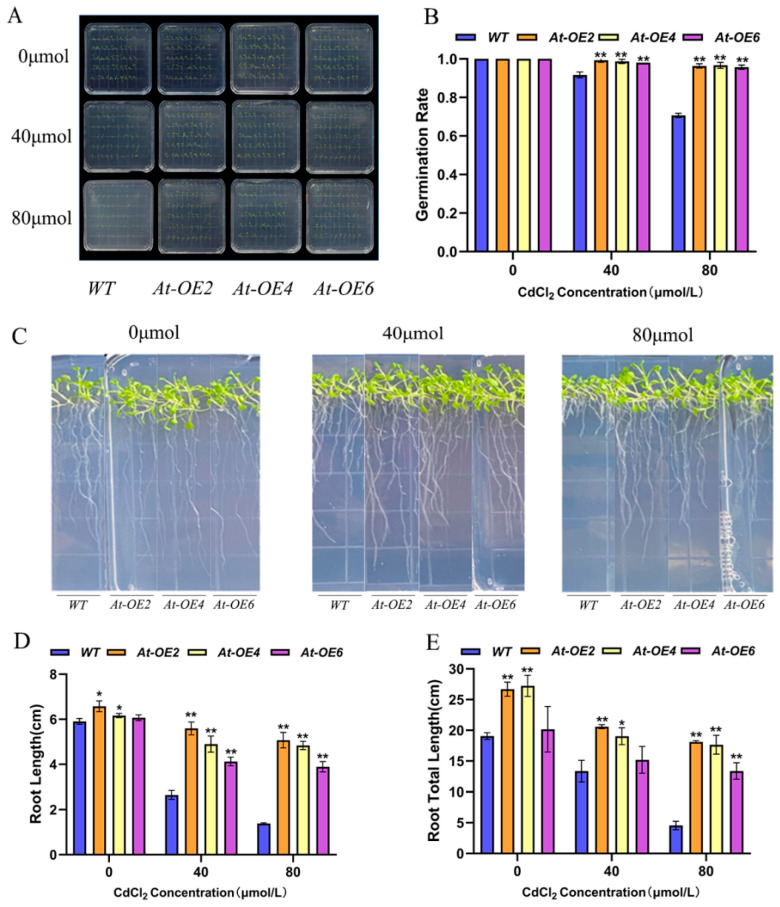
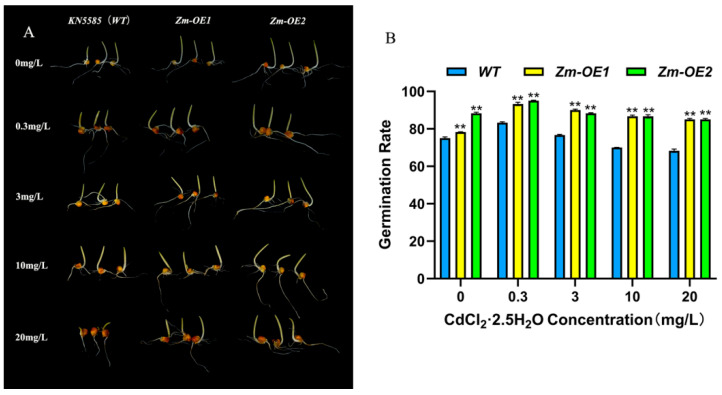
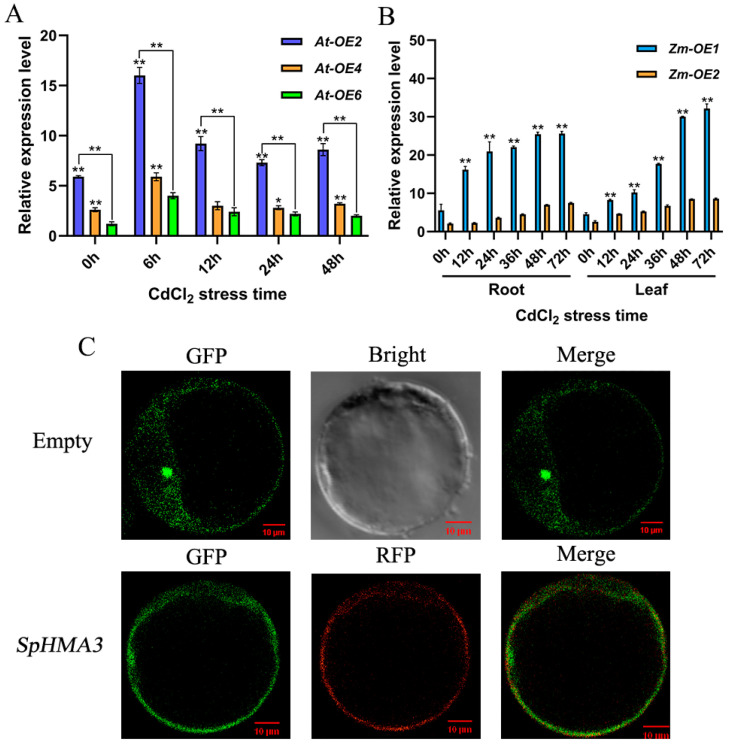
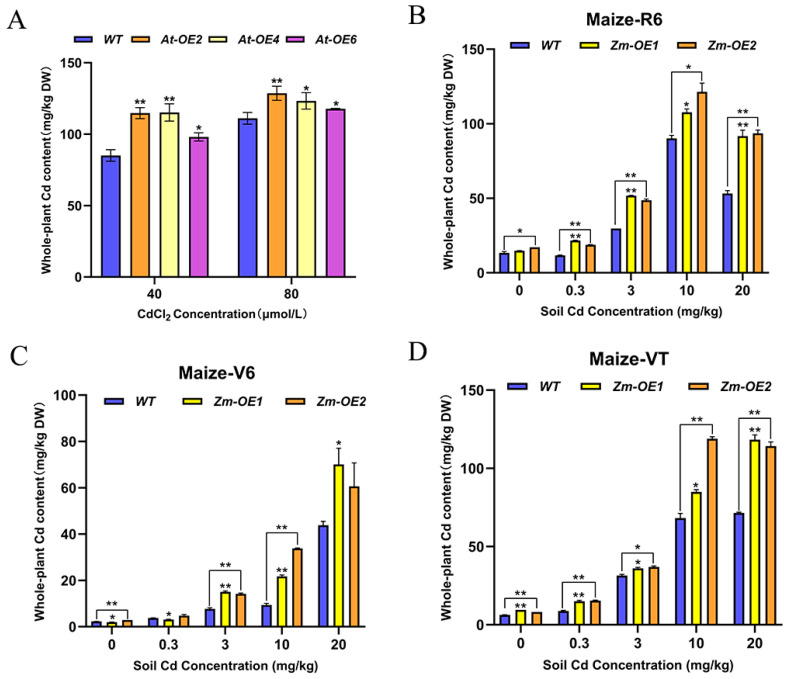
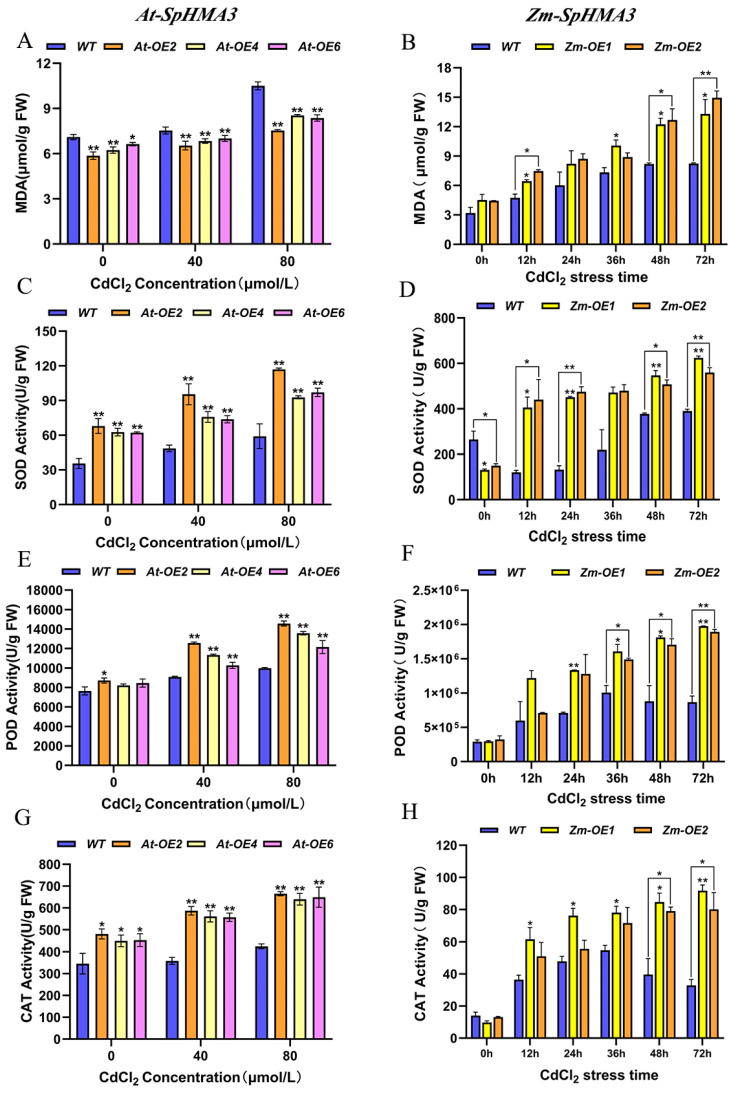
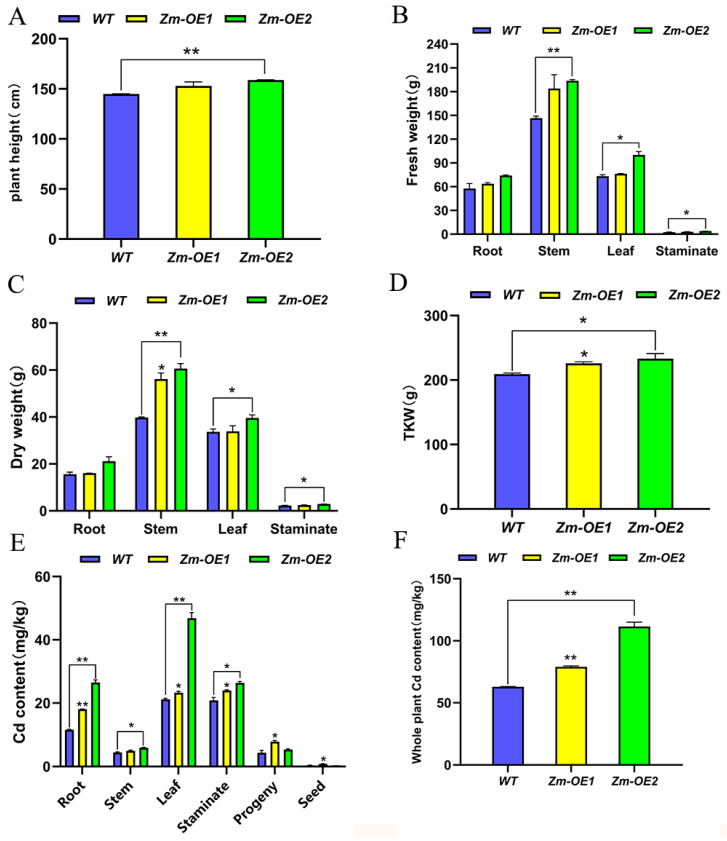
In China, soil contamination by heavy metals is a widespread issue, with substantial increases in lead(Pb), cadmium(Cd), copper(Cu), and zinc(Zn) levels observed across various regions. Particularly, the concentrations of Pb and Cd significantly exceed their natural background levels. P-ATPases, a group of proteins, utilize energy from ATP hydrolysis to support the transmembrane movement of metal ions. This group encompasses several Heavy Metal Associated Transporter (HMA) ATPases. Studies on hyperaccumulators have shown the critical role of HMAs in the movement and reduction in Zn and Cd toxicity in plant systems. This research identifies a protein encoded by the gene from Sedum , a species noted for aiding Zn/Cd hyperaccumulators, which enhances tolerance to Cd and Zn. We detail a protein encoded by SpH/A within the HMA family that enhances Cd tolerance. Real-time fluorescence quantification (RT-PCR) indicates that expression in and Zea mays correlates with high Cd tolerance, linked to Cd accumulation in Zea mays. In addition, homozygous mutants exhibited increased Cd sensitivity compared to the wild type (). Notably, plants of and overexpressing showed enhanced Cd stress tolerance compared to . Enhanced Cd accumulation in tissues was observed when was overexpressed, as revealed by subcellular distribution analysis. We propose that augments tolerance to Cd and Zn stresses through enhanced cellular uptake and translocation of Cd ions. This investigation clarifies the gene function of in Cd and Zn stress response, offering insights for enhancing heavy metal absorption traits in varieties and phytoremediation methods for soils contaminated with heavy metals.
在中国,土壤重金属污染是一个普遍存在的问题,多个地区的铅(Pb)、镉(Cd)、铜(Cu)和锌(Zn)含量大幅增加。特别是,Pb和Cd的浓度显著超过其自然背景水平。P型ATP酶是一类蛋白质,利用ATP水解产生的能量来支持金属离子的跨膜运输。该类包括几种重金属相关转运蛋白(HMA)ATP酶。对超积累植物的研究表明,HMA在植物系统中锌和镉的运输以及降低其毒性方面起着关键作用。本研究鉴定了一种由景天属植物基因编码的蛋白质,该植物以帮助锌/镉超积累植物而闻名,它能增强对镉和锌的耐受性。我们详细介绍了HMA家族中由SpH/A编码的一种增强镉耐受性的蛋白质。实时荧光定量(RT-PCR)表明,其在拟南芥和玉米中的表达与高镉耐受性相关,这与玉米中镉的积累有关。此外,纯合突变体与野生型相比对镉的敏感性增加。值得注意的是,过表达该基因的拟南芥和玉米植株与未过表达的相比,对镉胁迫的耐受性增强。亚细胞分布分析表明,过表达该基因时,组织中镉的积累增加。我们认为该基因通过增强细胞对镉离子的吸收和转运来增强对镉和锌胁迫的耐受性。本研究阐明了该基因在镉和锌胁迫响应中的功能,为改良植物品种的重金属吸收特性以及重金属污染土壤的植物修复方法提供了见解。