Ma Xiangfei, Ye Zijian, Li Mengting, Wei Wei, Chen Jie, Zhang Lifan
College of Animal Science and Technology, Nanjing Agricultural University, Nanjing 210095, China.
Animals (Basel). 2025 Apr 22;15(9):1190. doi: 10.3390/ani15091190.
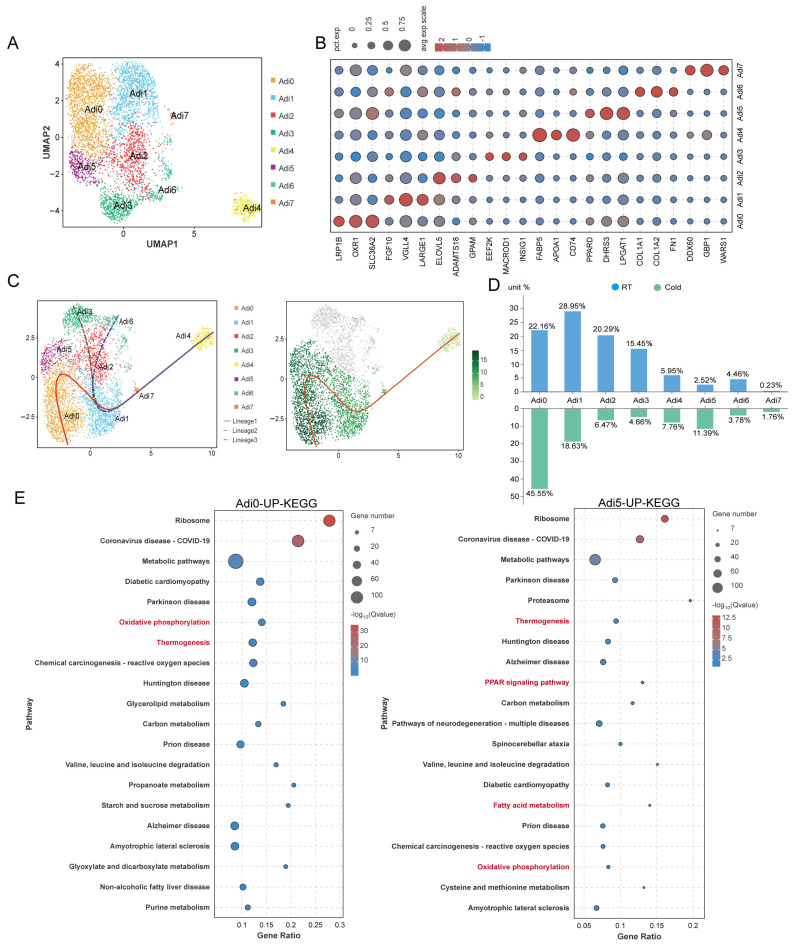
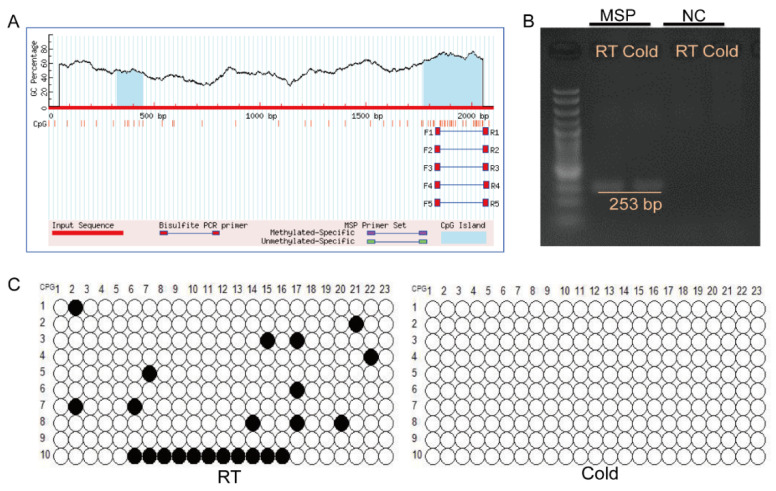
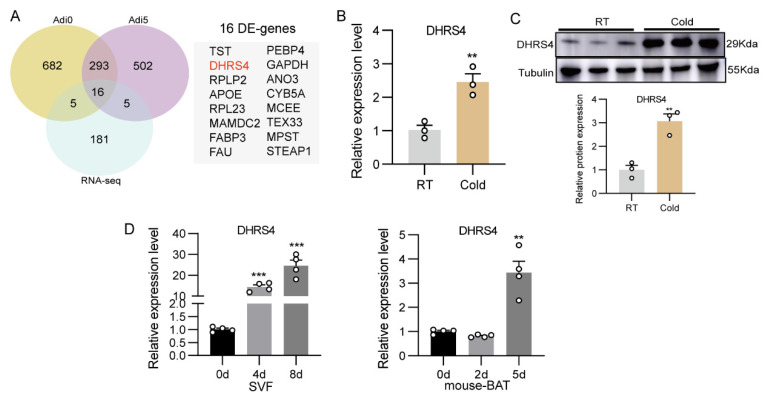
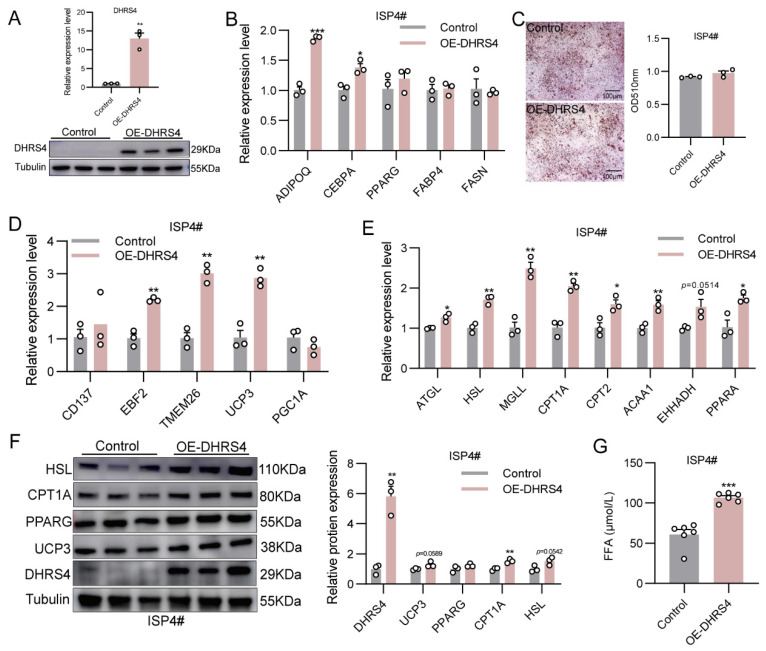
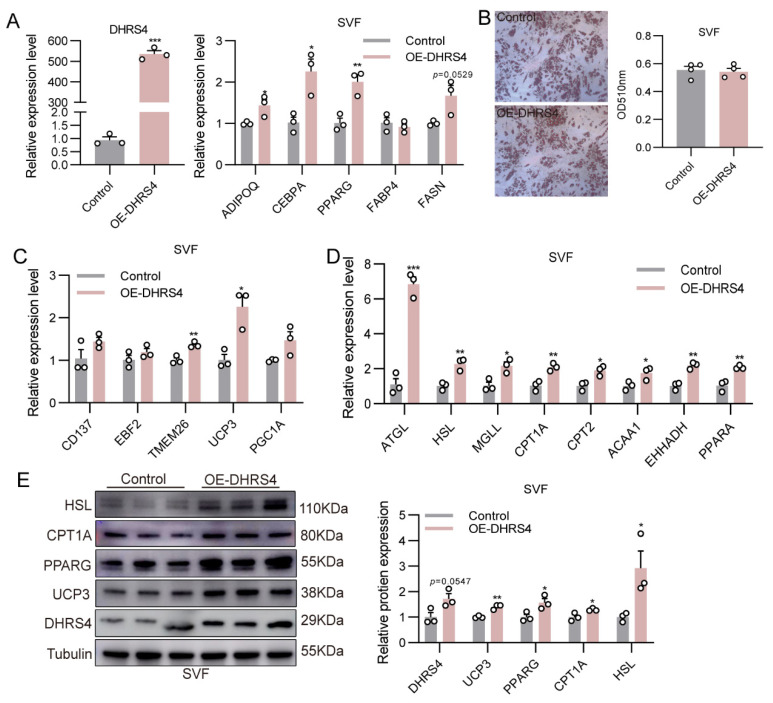
Adipose tissue exhibits remarkable plasticity in adapting to thermal stress, yet the epigenetic mechanisms coordinating metabolic reprogramming in large mammals-particularly in livestock species lacking classical brown adipose tissue (BAT) such as swine-remain elusive. Using a porcine cold exposure model, we investigated adipose adaptation mechanisms through integrated single-cell RNA sequencing and bulk transcriptomic analyses of subcutaneous adipose tissue (subWAT). We identified a cold-induced thermogenic adipocyte subpopulation, characterized by upregulated DHRS4 expression. Mechanistically, cold exposure induced hypomethylation at the DHRS4 promoter locus, enhancing its expression to potentiate fatty acid β-oxidation, accompanied by thermogenic capacity upregulation. Our findings establish DHRS4 as an epigenetic-metabolic switch governing cold adaptation and a potential target for improving cold resistance in swine production systems.
脂肪组织在适应热应激方面表现出显著的可塑性,然而,在大型哺乳动物中协调代谢重编程的表观遗传机制,尤其是在缺乏经典棕色脂肪组织(BAT)的家畜物种(如猪)中,仍然难以捉摸。利用猪冷暴露模型,我们通过对皮下脂肪组织(subWAT)进行单细胞RNA测序和批量转录组分析,研究了脂肪适应机制。我们鉴定出一个冷诱导产热脂肪细胞亚群,其特征是DHRS4表达上调。机制上,冷暴露诱导DHRS4启动子位点低甲基化,增强其表达以促进脂肪酸β-氧化,同时上调产热能力。我们的研究结果确立了DHRS4作为控制冷适应的表观遗传代谢开关,以及在猪生产系统中提高抗寒能力的潜在靶点。