Zhu Xiaoxiao, Xu Ke, Ai Shuang, Zhang Yingjie, Chu Chu, Wei Ran, Gao Shufeng, Liu Lu, Li Wei, Zhang Yunhong, Kikete Siambi, Liu Xinkui, Zhang Zhen, Li Xia
Innovative Institute of Chinese Medicine and Pharmacy, Shandong University of Traditional Chinese Medicine, 4655 Daxue Road, Changqing District, Jinan, 250399, China.
Key Laboratory of Traditional Chinese Medicine Classical Theory, Ministry of Education, Shandong University of Traditional Chinese Medicine, Jinan, People's Republic of China.
Cell Mol Life Sci. 2025 May 15;82(1):204. doi: 10.1007/s00018-025-05713-w.
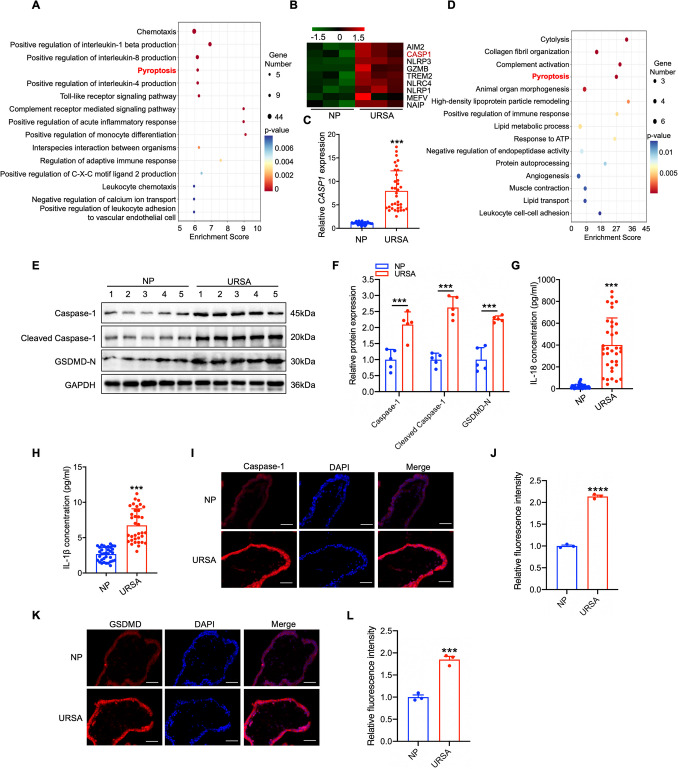
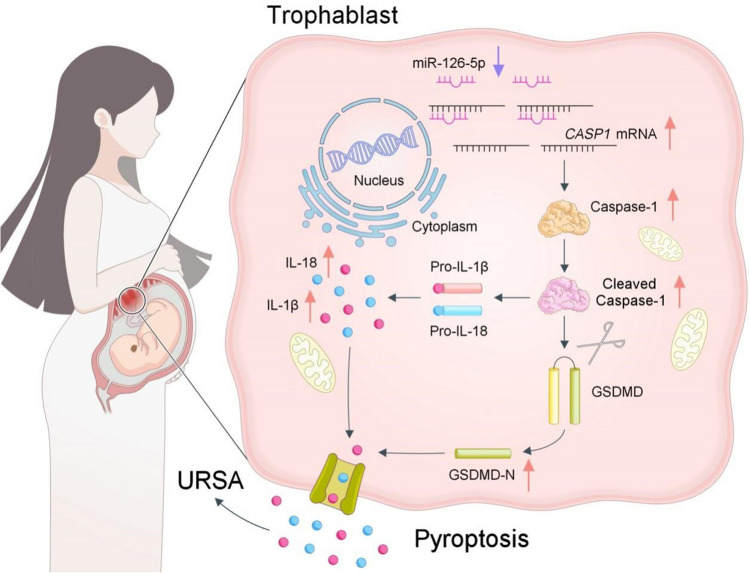
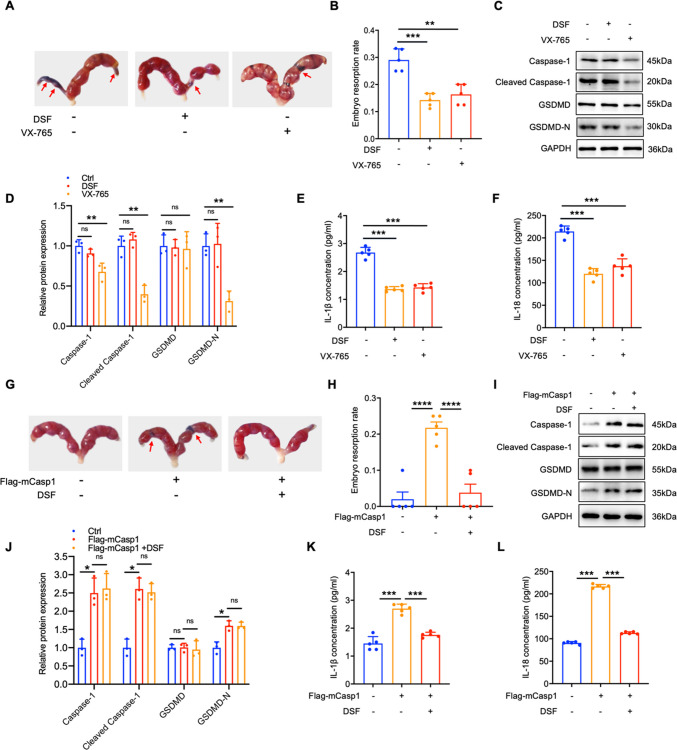
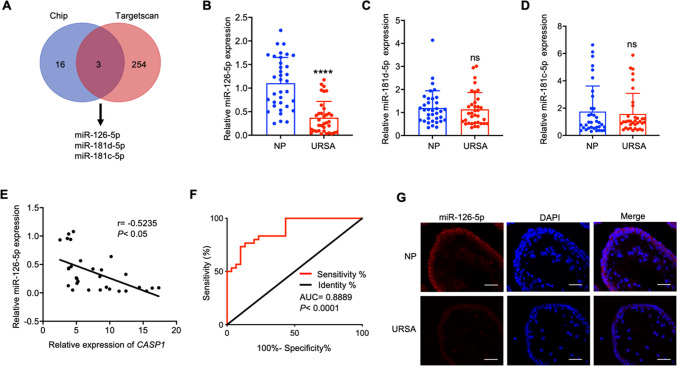
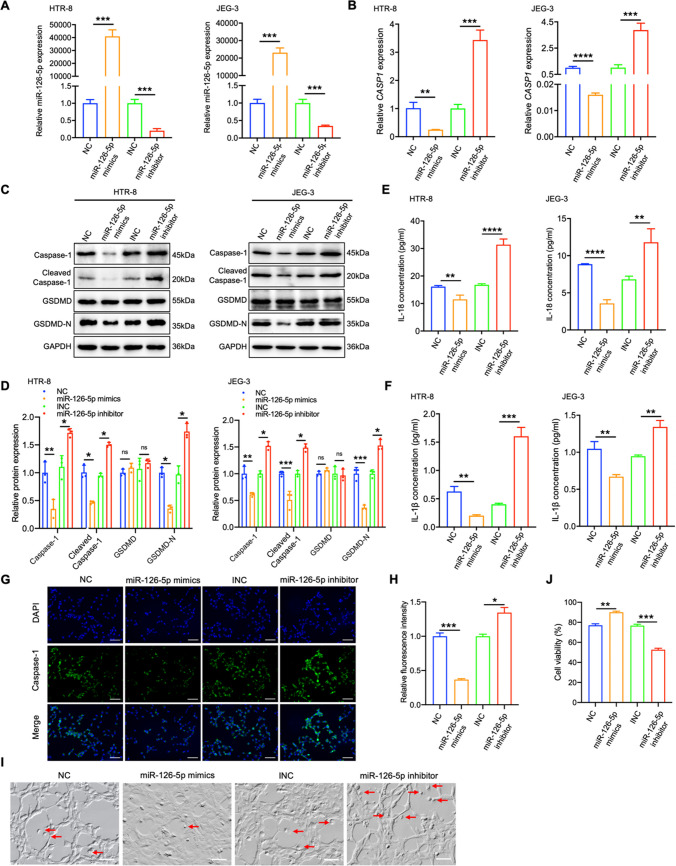
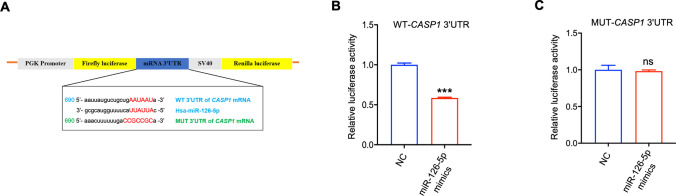
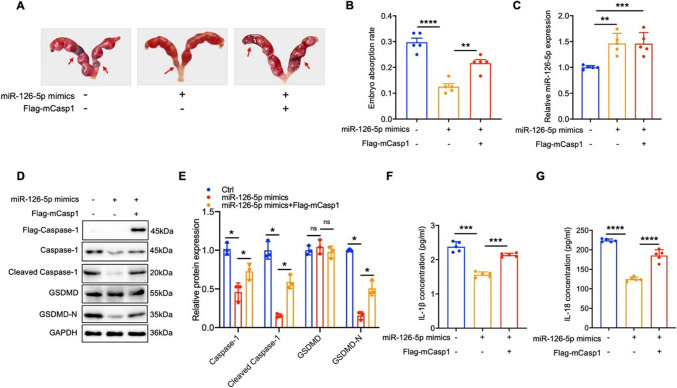
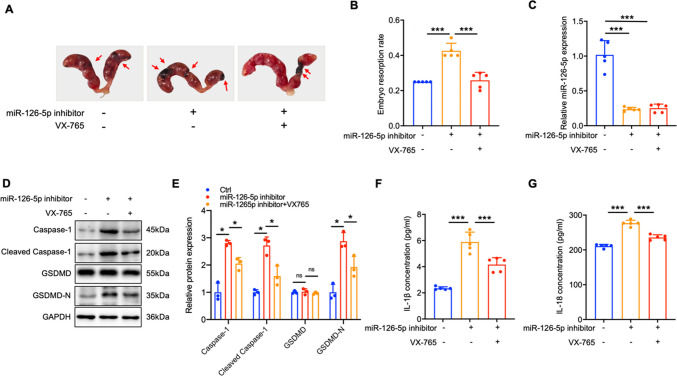
Unexplained recurrent spontaneous abortion (URSA) is a distressing pregnancy complication that seriously threat to women's reproductive health. Trophoblast pyroptosis was involved in the occurrence of URSA, but the potential mechanism remains unclear. In this work, we found CASP1 transcription and the level of pyroptosis were significantly elevated in the villous tissues of URSA patients. Suppression of cell pyroptosis by Gasdermin-D (GSDMD) or Caspase-1 inhibitors can reduce embryo resorption rate of URSA mice, while Caspase-1 over-expression in normal pregnant (NP) mice can aggravate embryo resorption. Meanwhile, a pronounced decline in the expression of microRNA-126-5p (miR-126-5p) was found in URSA patients, which was inversely related to CASP1 expression. Over-expression of miR-126-5p restrained trophoblast pyroptosis via inhibiting Caspase-1/GSDMD signaling pathway by direct binding to 3'-UTR of CASP1. Moreover, experiments in vivo substantiated that up-regulation of miR-126-5p effectively suppressed Caspase-1-mediated pyroptosis in placental tissue and significantly reduced embryo resorption rate. Collectively, these results underscored that diminished miR-126-5p expression plays a crucial role in URSA by enhancing trophoblast pyroptosis through activating Caspase-1/GSDMD signaling pathway. As a result, miR-126-5p shows significant promise as a possible biomarker for diagnosis and treatment of URSA.
不明原因复发性自然流产(URSA)是一种令人苦恼的妊娠并发症,严重威胁女性生殖健康。滋养层细胞焦亡参与了URSA的发生,但其潜在机制仍不清楚。在本研究中,我们发现URSA患者绒毛组织中CASP1转录水平和焦亡水平显著升高。Gasdermin-D(GSDMD)或半胱天冬酶-1抑制剂抑制细胞焦亡可降低URSA小鼠的胚胎吸收速率,而在正常妊娠(NP)小鼠中过表达半胱天冬酶-1可加重胚胎吸收。同时,在URSA患者中发现微小RNA-126-5p(miR-126-5p)表达明显下降,且与CASP1表达呈负相关。miR-126-5p过表达通过直接结合CASP1的3'-UTR抑制半胱天冬酶-1/GSDMD信号通路,从而抑制滋养层细胞焦亡。此外,体内实验证实上调miR-126-5p可有效抑制胎盘组织中半胱天冬酶-1介导的焦亡,并显著降低胚胎吸收速率。综上所述,这些结果强调miR-126-5p表达降低通过激活半胱天冬酶-1/GSDMD信号通路增强滋养层细胞焦亡,在URSA中起关键作用。因此,miR-126-5p作为URSA诊断和治疗的潜在生物标志物具有重要前景。