Siegle Patrick, Pobiruchin Monika, Zowalla Richard
Faculty of Informatics, Heilbronn University, Heilbronn, Germany.
Fraunhofer Institute for Industrial Engineering IAO, Stuttgart, Germany.
PLoS One. 2025 May 15;20(5):e0323462. doi: 10.1371/journal.pone.0323462. eCollection 2025.
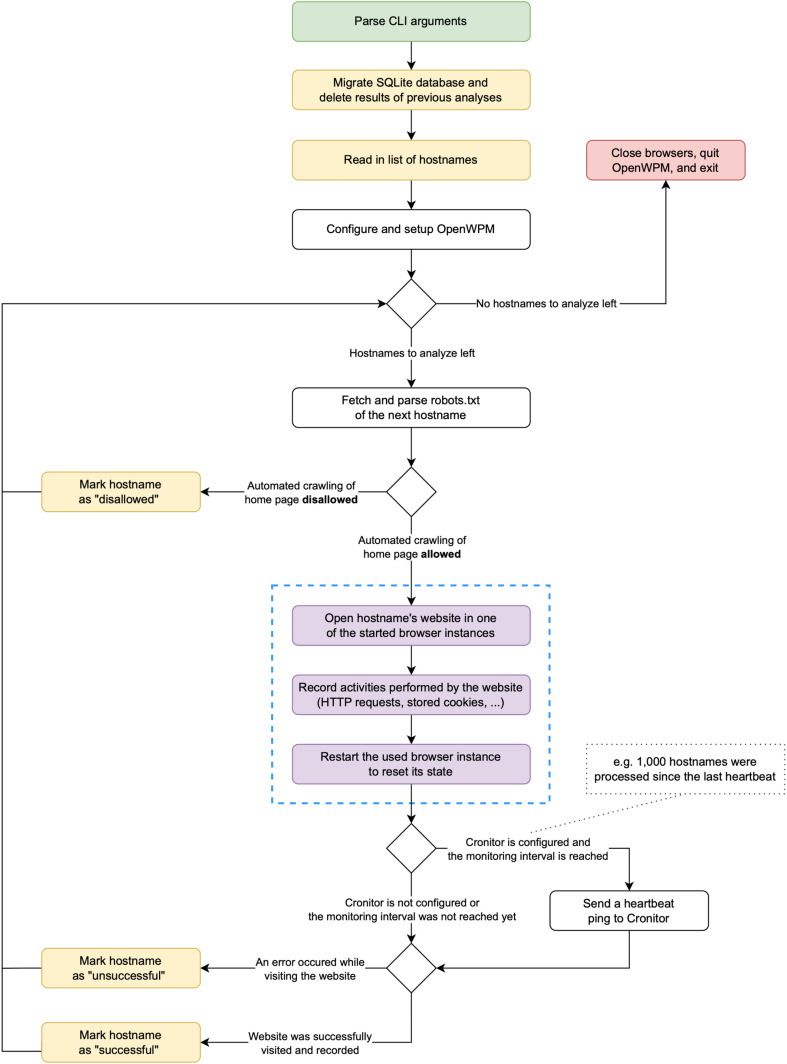
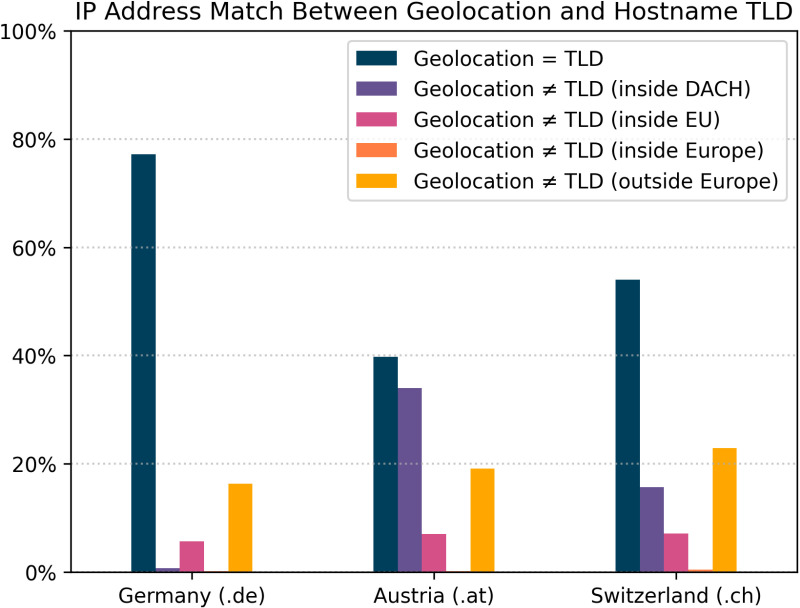
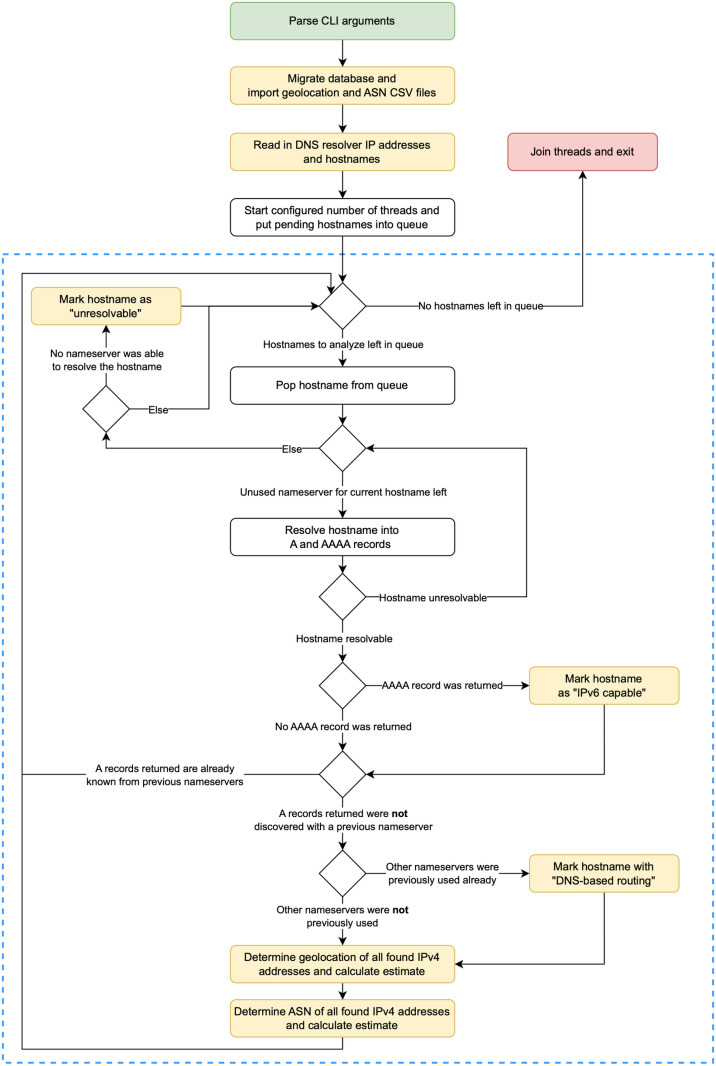
Nowadays, websites with health-related content are an essential source of information for consumers to find out about their diagnoses, therapies, but also about prevention aspects. The data protection of website visitors is of particular interest here, as the search for health information may allow conclusions to be drawn about their own illnesses or those of their relatives. With a main focus on privacy-relevant aspects, this study examines more than 231,000 German-language health websites from Germany, Austria, and Switzerland. Of all successfully visited websites 56.04% stored at least one cookie. Up to 18.93% of the websites contained cookies that were not technically necessary and were set without explicit consent. The geolocation analysis revealed that among 16.30% of resolved hostnames, at least one IP address was detected that was not from the country suggested by the top-level domain.
如今,包含健康相关内容的网站是消费者了解自身诊断、治疗方法以及预防措施的重要信息来源。网站访客的数据保护在此尤为重要,因为搜索健康信息可能会让人推断出自己或亲属的病情。本研究主要关注与隐私相关的方面,对来自德国、奥地利和瑞士的231,000多个德语健康网站进行了调查。在所有成功访问的网站中,56.04%至少存储了一个cookies。高达18.93%的网站包含非技术必需的cookies,且在未获得明确同意的情况下设置。地理位置分析显示,在16.30%已解析的主机名中,至少检测到一个IP地址并非来自顶级域名所暗示的国家。