Abdelaziz Ahmed, Elshahat Ahmed, Gadelmawla Ahmed Farid, Desouky Muhammad, Hafez Abdelrahman H, Abdelaziz Mohamed, Hammad Noha, Eldosoky Dua, Bhatia Kirtipal, Filtz Annalisa, Lorenzatti Daniel, Kuno Toshiki, Virani Salim S, Gulati Martha, Shapiro Michel D, Lavie Carl J, Slipczuk Leandro
Medical Research Group of Egypt (MRGE), Negida Academy, Arlington, Massachusetts, USA; Faculty of Medicine, Al-Azhar University, Cairo, Egypt.
Medical Research Group of Egypt (MRGE), Negida Academy, Arlington, Massachusetts, USA; Faculty of Medicine, Menoufia University, Menoufia, Egypt.
JACC Adv. 2025 May 14;4(6 Pt 1):101786. doi: 10.1016/j.jacadv.2025.101786.
The effects of high-volume exercise on coronary atherosclerosis remain controversial.
The authors aimed to evaluate the impact of endurance exercise on coronary atherosclerosis assessed by cardiac computed tomography (CT) in athletes and nonathletes, and analyze differences based on sex.
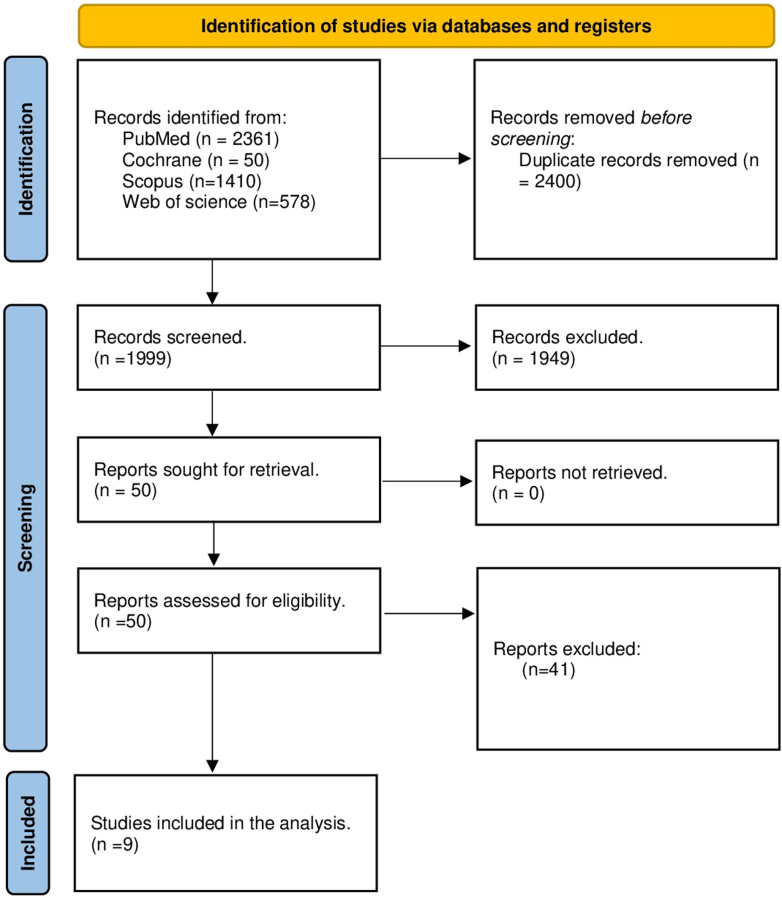
We searched PubMed, Scopus, Web of Science, and Cochrane Central for relevant studies from inception to September 2024, assessing the impact of different exercise volumes on subclinical coronary artery atherosclerosis assessed by coronary artery calcification (CAC) scoring or CT angiography (CCTA). The control group comprised nonathletes. The primary outcome was the difference in CAC scores between athletes and nonathletes and the secondary outcome was the differences in calcified plaque by CCTA. The analysis was stratified by sex and exercise volume assessed using metabolic equivalents of task (MET)-min/wk.
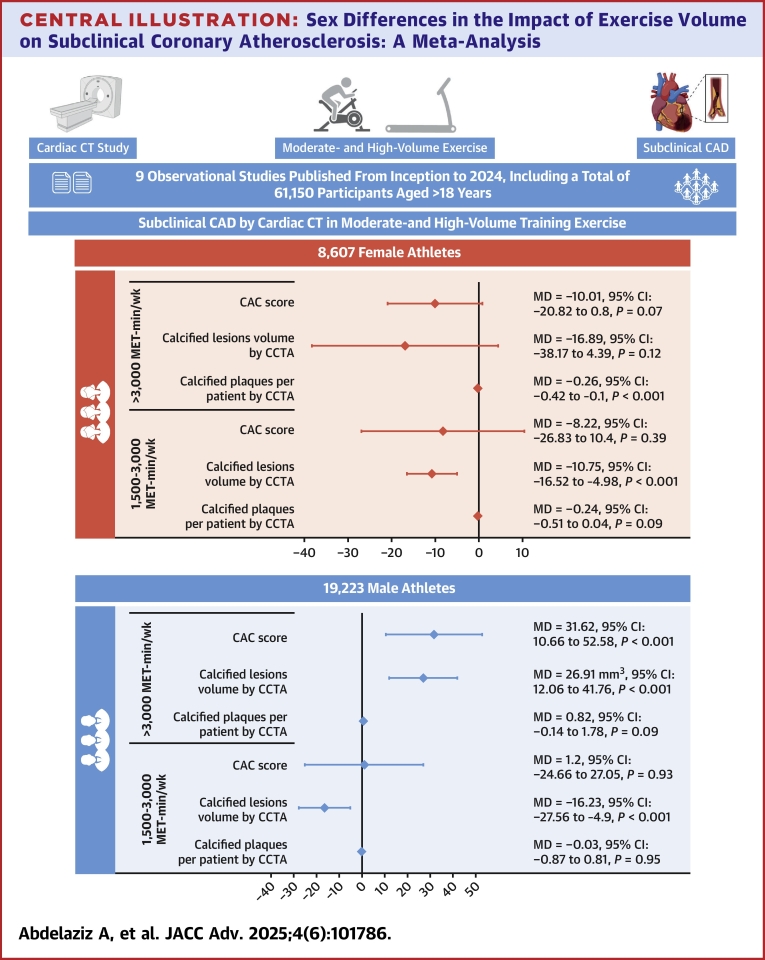
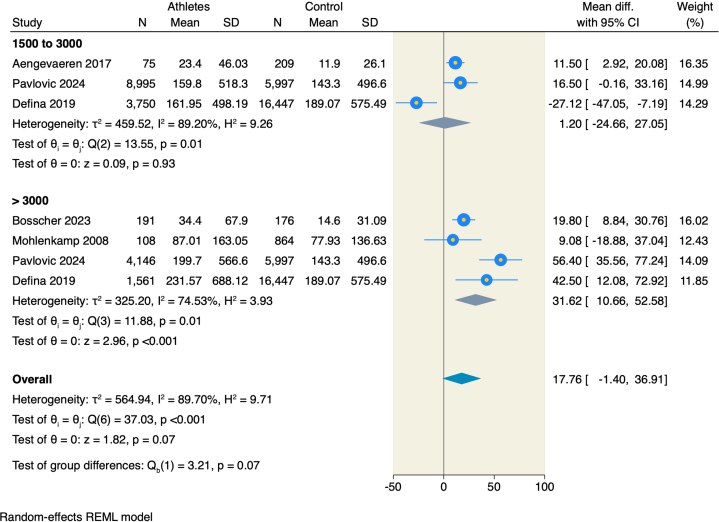
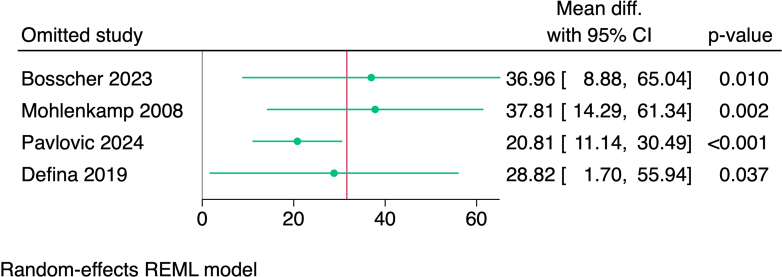
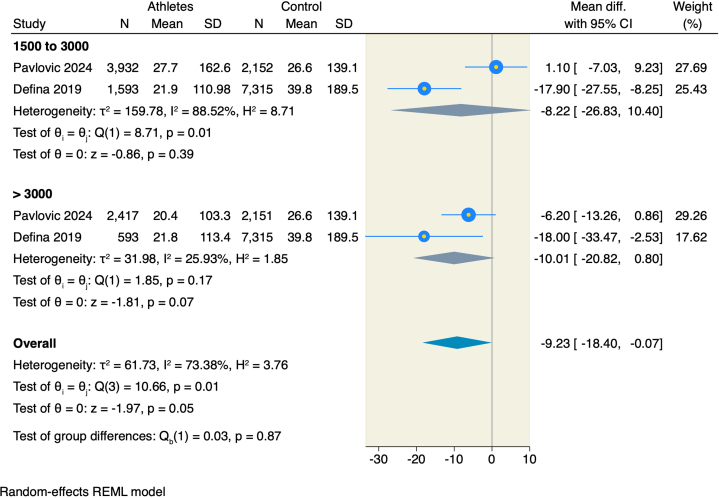
Nine observational studies including 61,150 participants were included in the analysis. Male athletes with an exercise volume of >3,000 MET-min/wk showed higher mean CAC scores than nonathlete males (mean difference = 31.62; 95% CI: 10.66-52.58; P < 0.001), while no difference in CAC was found for male athletes with 1,500 to 3,000 MET-min/wk (P = 0.93) or female athletes with an exercise volume of 1,500 MET-min/wk or greater (P = 0.39 and P = 0.07). Our secondary endpoint showed significant sex-specific differences on the association of exercise volume and calcified plaque number and volume by CCTA.
Males with high-volume exercise training (>3,000 MET-min/wk) exhibited a higher burden of calcified plaque by CAC score than male nonathletes, while no such difference was observed in female athletes.
高强度运动对冠状动脉粥样硬化的影响仍存在争议。
作者旨在评估耐力运动对通过心脏计算机断层扫描(CT)评估的运动员和非运动员冠状动脉粥样硬化的影响,并分析基于性别的差异。
我们在PubMed、Scopus、Web of Science和Cochrane Central中检索了从创刊到2024年9月的相关研究,评估不同运动量对通过冠状动脉钙化(CAC)评分或CT血管造影(CCTA)评估的亚临床冠状动脉粥样硬化的影响。对照组为非运动员。主要结局是运动员和非运动员之间CAC评分的差异,次要结局是CCTA显示的钙化斑块差异。分析按性别和使用代谢当量任务(MET)-分钟/周评估的运动量进行分层。
分析纳入了9项观察性研究,共61150名参与者。运动量>3000 MET-分钟/周的男性运动员的平均CAC评分高于非运动员男性(平均差异=31.62;95%CI:10.66-52.58;P<0.001),而运动量为1500至3000 MET-分钟/周的男性运动员(P=0.93)或运动量为1500 MET-分钟/周及以上的女性运动员(P=0.39和P=0.07)的CAC评分无差异。我们的次要终点显示,在运动量与CCTA显示的钙化斑块数量和体积的关联方面存在显著的性别特异性差异。
进行高强度运动训练(>3000 MET-分钟/周)的男性通过CAC评分显示的钙化斑块负担高于男性非运动员,而女性运动员未观察到这种差异。