Tataranu Ligia G
Neurosurgery, Carol Davila University of Medicine and Pharmacy, Bucharest, ROU.
Neurosurgery Department, Emergency Clinical Hospital "Bagdasar-Arseni", Bucharest, ROU.
Cureus. 2025 Apr 15;17(4):e82306. doi: 10.7759/cureus.82306. eCollection 2025 Apr.
Brain metastases represent an important factor in breast cancer morbidity and mortality. Although various therapeutic options improved these patients' outcomes, the incidence of this disease is still rising. Several molecular subtypes of breast cancer have been studied, and human epidermal growth factor receptor 2 (HER2) positive and triple-negative breast cancer (TNBC) are more frequently associated with brain metastases. Therefore, anti-HER2 agents have been developed and studied, and they have shown promising results. Nevertheless, in patients with breast cancer brain metastases and acute neurological aggravation, neurosurgery is the primary option and the only one that can immediately reverse the symptoms. In the long run, a multimodal approach involving neurosurgical intervention can positively impact the prognosis.
Patients with a confirmed diagnosis of brain metastases from breast cancer (BMBC) between January 2013 and December 2023 were retrospectively reviewed. All patients were newly diagnosed and treated in the 3rd Neurosurgical Department at the Clinical Emergency Hospital, "Bagdasar-Arseni" in Bucharest, Romania. Statistical analyses were carried out and interpreted accordingly.
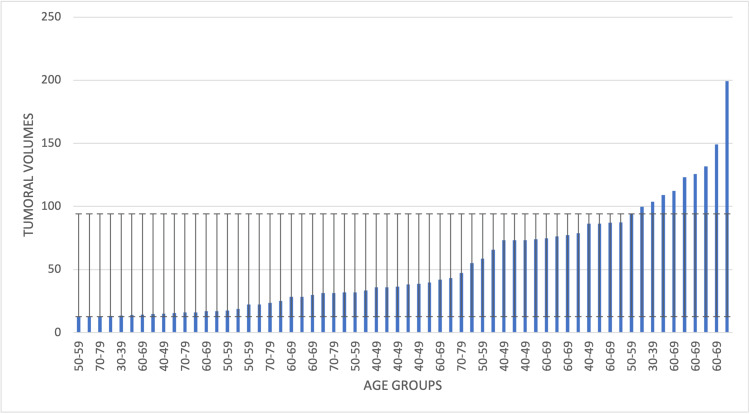
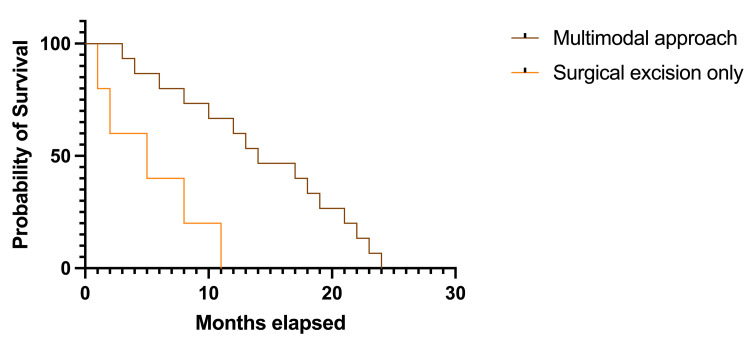
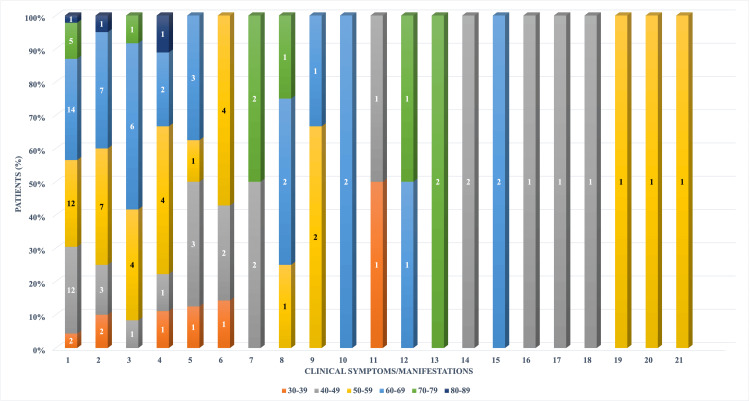
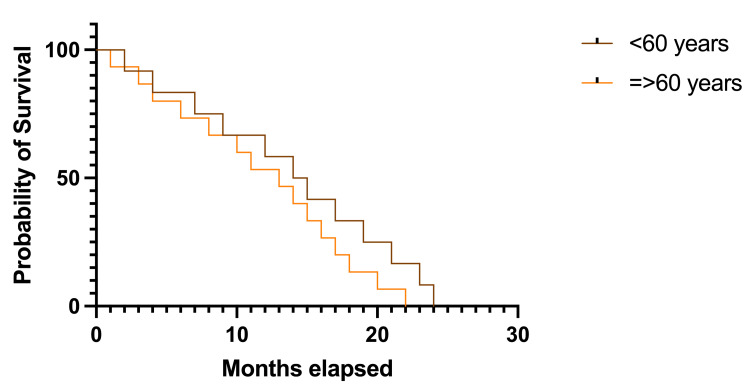
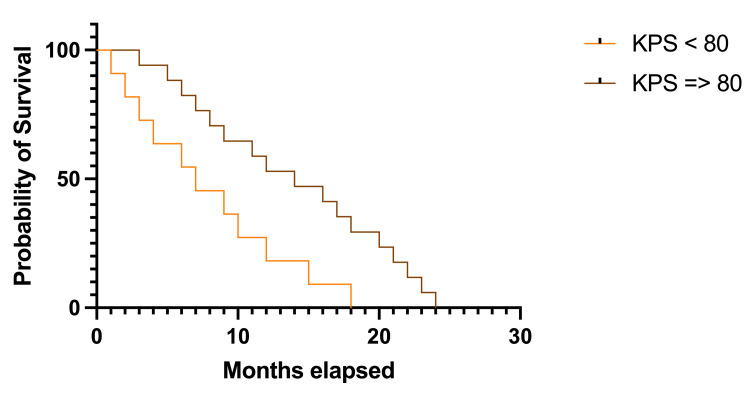
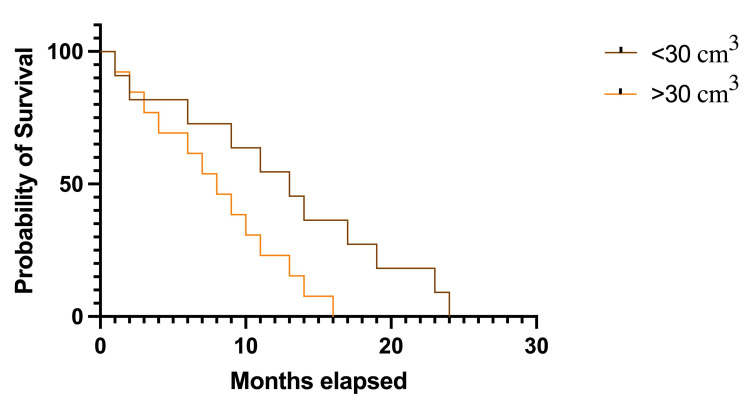
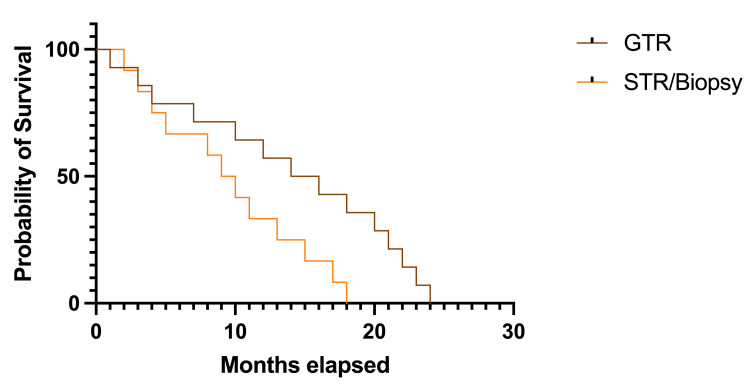
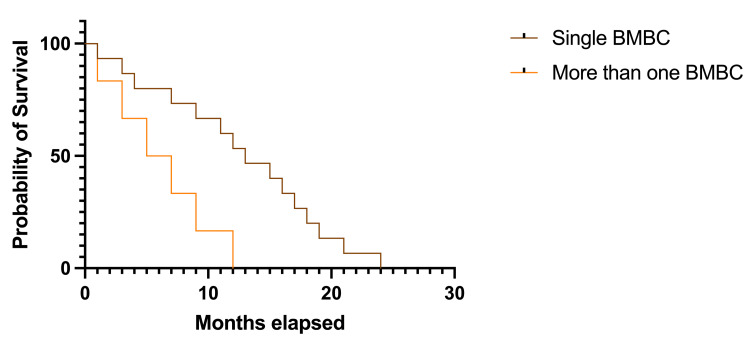
The study analyzed 62 patients with BMBC. The median age at diagnosis was 57.19 years, and the most frequently encountered symptoms were represented by headaches, raised intracranial pressure syndrome, and motor deficits. More than 80% of the patients had a Karnofsky Performance Status (KPS) between 80 and 100, and the most associated comorbidities were cardiovascular and type 2 diabetes mellitus. A total of 88.70% of the patients had a single brain metastasis, and the most common localizations were the posterior fossa/cerebellum and frontal lobe. Gross-total resection was possible in 79.03% of the cases, while complications were recorded in 8.06%. Better survival rates were registered in patients of younger ages, with higher KPS, single BM, and smaller tumoral volumes, treated by gross-total resection and by a multimodal approach.
Notwithstanding significant advancements in the field of breast cancer, the prognosis of patients with brain metastases remains poor. However, a multimodal approach can prolong survival rates and improve outcomes, while in patients with acute clinical manifestations, neurosurgery remains the only immediate option to reverse the symptoms.
脑转移是乳腺癌发病和死亡的一个重要因素。尽管多种治疗方案改善了这些患者的预后,但该疾病的发病率仍在上升。已经对乳腺癌的几种分子亚型进行了研究,人表皮生长因子受体2(HER2)阳性和三阴性乳腺癌(TNBC)与脑转移的相关性更高。因此,抗HER2药物已被开发和研究,并显示出有前景的结果。然而,对于患有乳腺癌脑转移和急性神经功能恶化的患者,神经外科手术是主要选择,也是唯一能立即缓解症状的方法。从长远来看,涉及神经外科干预的多模式方法可以对预后产生积极影响。
回顾性分析2013年1月至2023年12月期间确诊为乳腺癌脑转移(BMBC)的患者。所有患者均为新诊断,并在罗马尼亚布加勒斯特“Bagdasar-Arseni”临床急诊医院第三神经外科接受治疗。进行了统计分析并相应地进行了解释。
该研究分析了62例BMBC患者。诊断时的中位年龄为57.19岁,最常见的症状为头痛、颅内压升高综合征和运动功能障碍。超过80%的患者卡氏功能状态(KPS)在80至100之间,最常见的合并症是心血管疾病和2型糖尿病。共有88.70%的患者有单个脑转移,最常见的部位是后颅窝/小脑和额叶。79.03%的病例可以进行全切除,并发症发生率为8.06%。年龄较小、KPS较高、单个BM且肿瘤体积较小、接受全切除和多模式治疗的患者生存率更高。
尽管乳腺癌领域取得了重大进展,但脑转移患者的预后仍然很差。然而,多模式方法可以延长生存率并改善预后,而对于有急性临床表现的患者,神经外科手术仍然是缓解症状的唯一直接选择。