Anderson Kimberley Jade, Thorolfsdottir Eirny Tholl, Nodelman Ilana M, Halldorsdottir Sara Tholl, Benonisdottir Stefania, Alghamdi Malak, Almontashiri Naif, Barry Brenda J, Begemann Matthias, Britton Jacquelyn F, Burke Sarah, Cogne Benjamin, Cohen Ana S A, de Diego Boguñá Carles, Eichler Evan E, Engle Elizabeth C, Fahrner Jill A, Faivre Laurence, Fradin Mélanie, Fuhrmann Nico, Gao Christine W, Garg Gunjan, Grečmalová Dagmar, Grippa Mina, Harris Jacqueline R, Hoekzema Kendra, Hershkovitz Tova, Hubbard Sydney, Janssens Katrien, Jurgens Julie A, Kmoch Stanislav, Knopp Cordula, Koptagel Meral Aktas, Ladha Farah A, Lapunzina Pablo, Lindau Tobias, Meuwissen Marije, Minicucci Andreina, Neuhaus Emily, Nizon Mathilde, Nosková Lenka, Park Kristen, Patel Chirag, Pfundt Rolph, Prasun Pankaj, Rahner Nils, Robin Nathaniel H, Ronspies Carey, Roohi Jasmin, Rosenfeld Jill, Saenz Margarita, Saunders Carol, Stark Zornitza, Thiffault Isabelle, Thull Sarah, Velasco Danita, Velmans Clara, Verseput Jolijn, Vitobello Antonio, Wang Tianyun, Weiss Karin, Wentzensen Ingrid M, Pilarowski Genay, Eysteinsson Thor, Gillentine Madelyn, Stefánsson Kári, Helgason Agnar, Bowman Gregory D, Bjornsson Hans Tomas
Department of Genetics and Molecular Medicine, Landspitali University Hospital, Reykjavik, Iceland.
T.C. Jenkins Department of Biophysics, Johns Hopkins University, Baltimore, MD, USA.
medRxiv. 2025 May 7:2025.05.06.25326635. doi: 10.1101/2025.05.06.25326635.
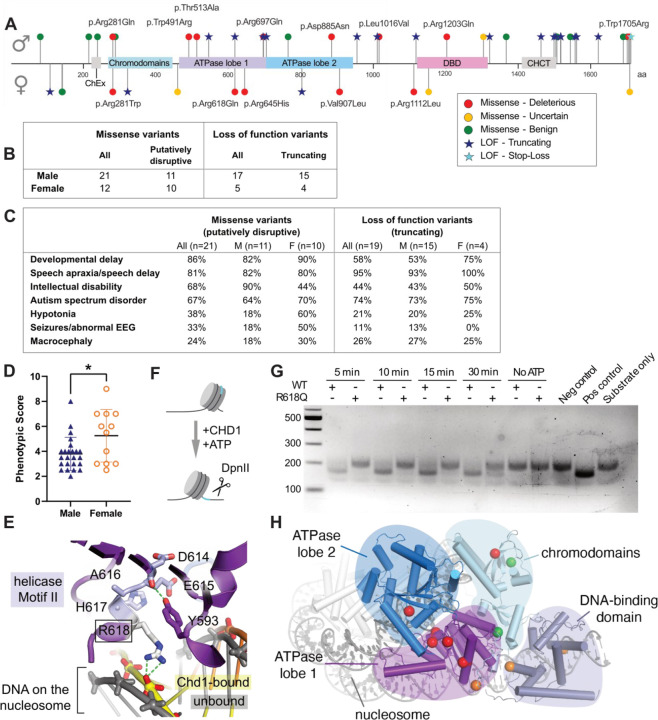
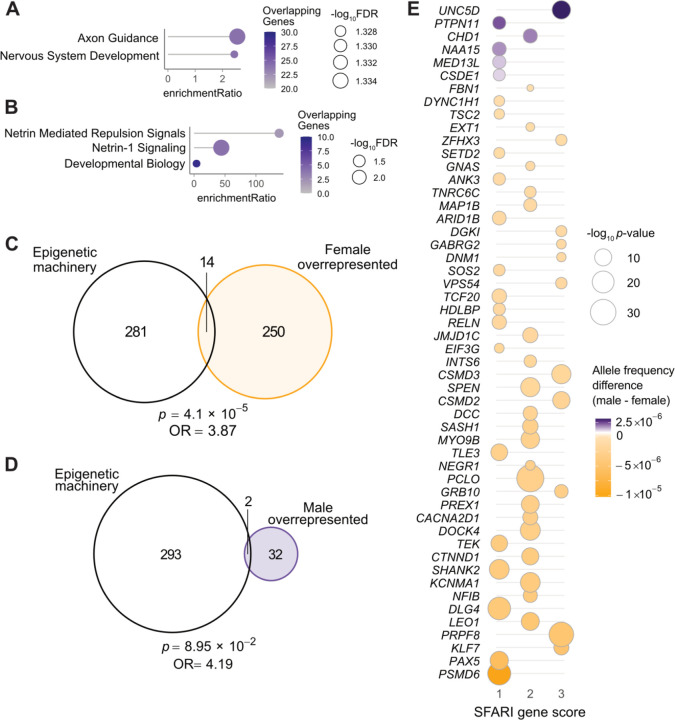
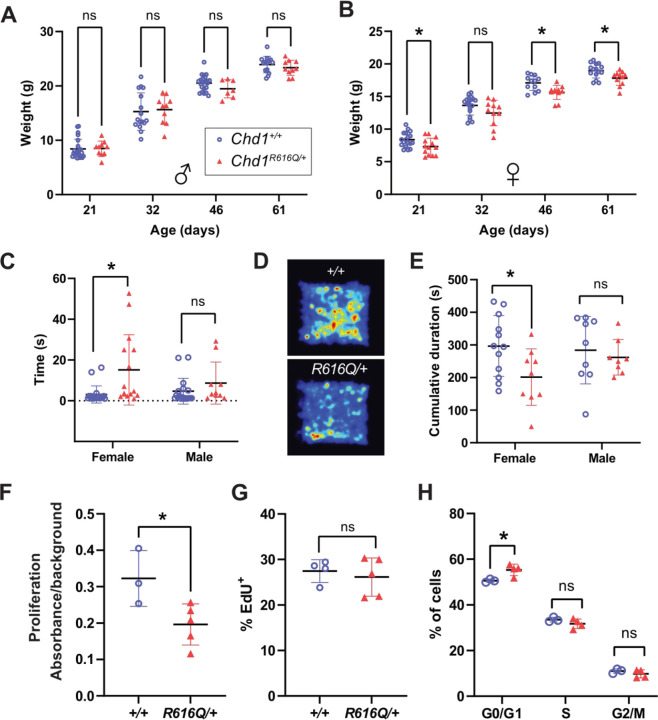
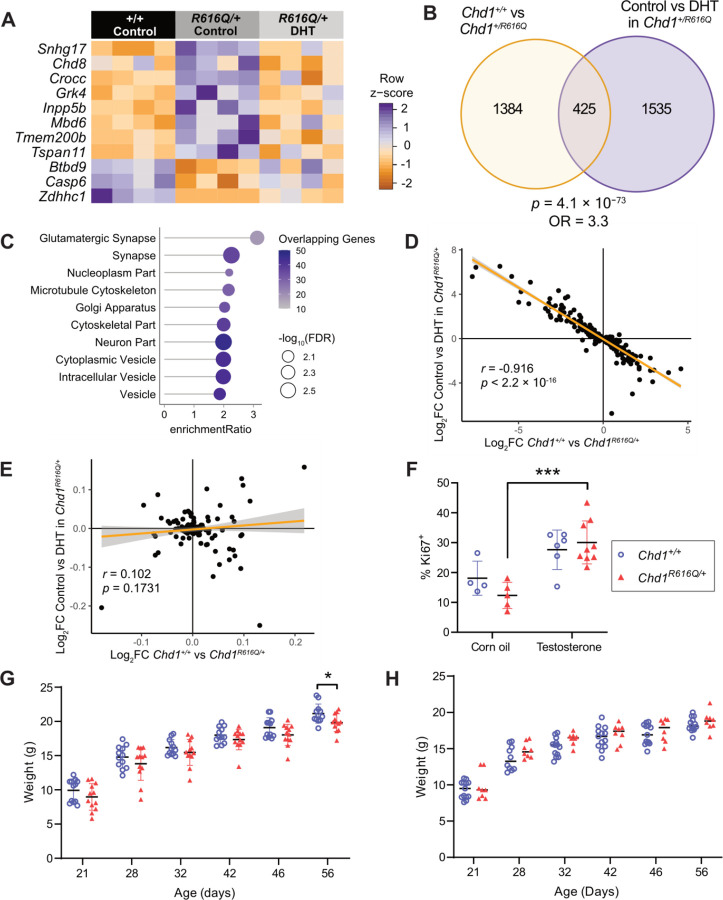
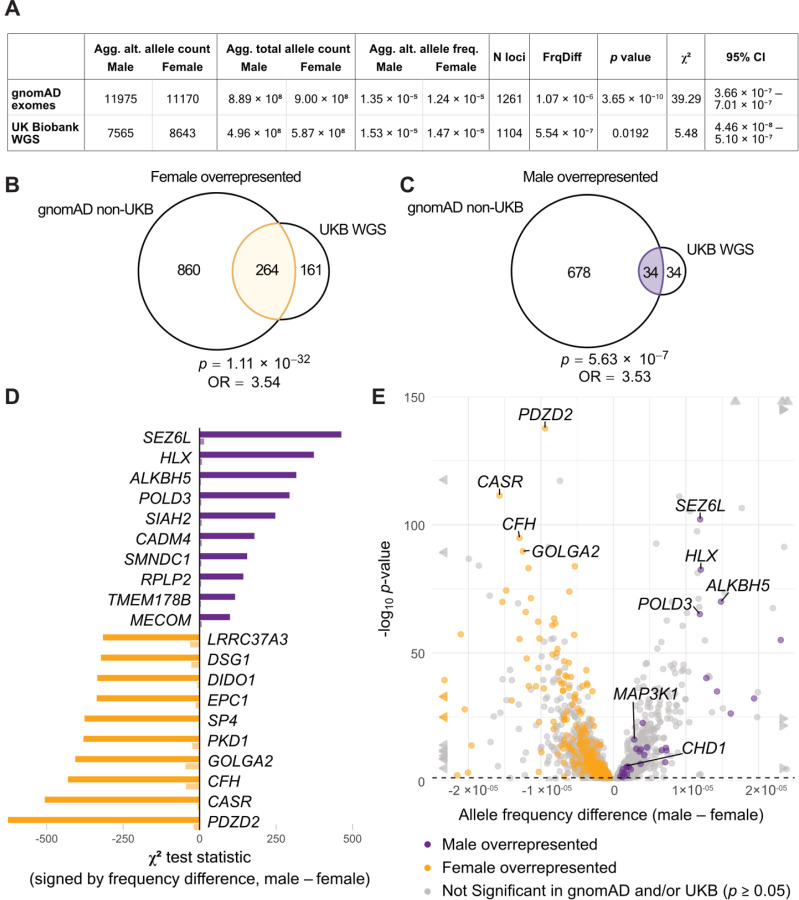
Sex-specific penetrance in autosomal dominant Mendelian conditions is largely understudied. The neurodevelopmental disorder Pilarowski-Bjornsson syndrome (PILBOS) was initially described in females. Here, we describe the clinical and genetic characteristics of the largest PILBOS cohort to date, showing that both sexes can exhibit PILBOS features, although males are overrepresented. A mouse model carrying a human-derived missense variant ( ) displays female-restricted phenotypes, including growth deficiency, anxiety and hypotonia. Orchiectomy unmasks a growth deficiency phenotype in male mice, while testosterone rescues the phenotype in females, implicating androgens in phenotype modulation. In the gnomAD and UK Biobank databases, rare missense variants in are overrepresented in males, supporting a male protective effect. We identify 33 additional highly constrained autosomal genes with missense variant overrepresentation in males. Our results support androgen-regulated sexual dimorphism in PILBOS and open novel avenues to understand the mechanistic basis of sexual dimorphism in other autosomal Mendelian disorders.
常染色体显性孟德尔疾病中的性别特异性外显率在很大程度上尚未得到充分研究。神经发育障碍皮拉罗夫斯基 - 比约恩松综合征(PILBOS)最初是在女性中描述的。在此,我们描述了迄今为止最大的PILBOS队列的临床和遗传特征,表明虽然男性在该队列中占比过高,但男女均可表现出PILBOS特征。携带人类来源错义变体( )的小鼠模型表现出雌性受限的表型,包括生长缺陷、焦虑和肌张力减退。睾丸切除揭示了雄性 小鼠的生长缺陷表型,而睾酮可挽救雌性小鼠的表型,提示雄激素参与表型调节。在gnomAD和英国生物银行数据库中, 中的罕见错义变体在男性中占比过高,支持了男性保护作用。我们还鉴定出另外33个在男性中错义变体占比过高的高度受限的常染色体基因。我们的研究结果支持PILBOS中雄激素调节的性别二态性,并为理解其他常染色体孟德尔疾病中性别二态性的机制基础开辟了新途径。