Wang Wei, Mu Shengtian, Yan Dongli, Qin Huan, Zheng Zhen
Department of Intensive Care Unit, Cancer Hospital of China Medical University, Liaoning Cancer Hospital and Institute, Shenyang, Liaoning, China.
Front Immunol. 2025 May 2;16:1591011. doi: 10.3389/fimmu.2025.1591011. eCollection 2025.
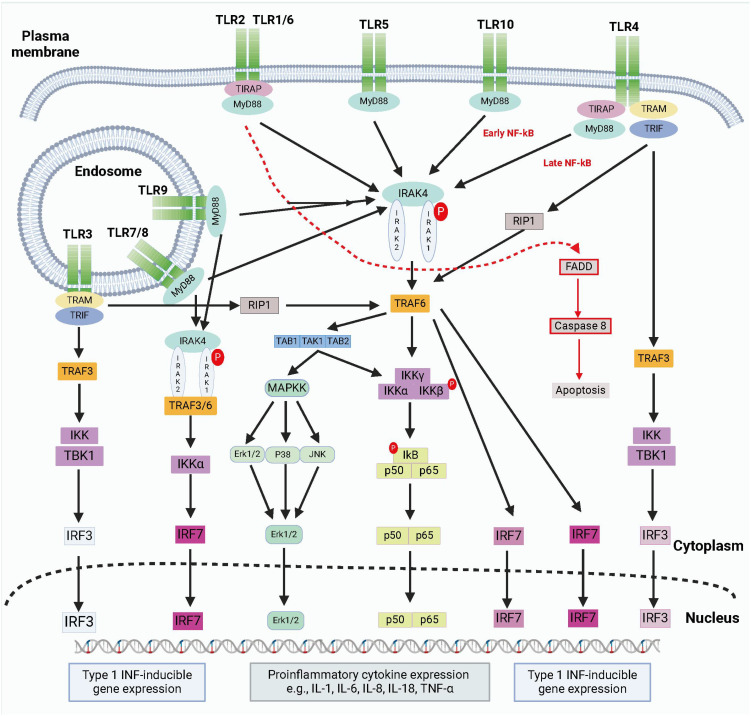
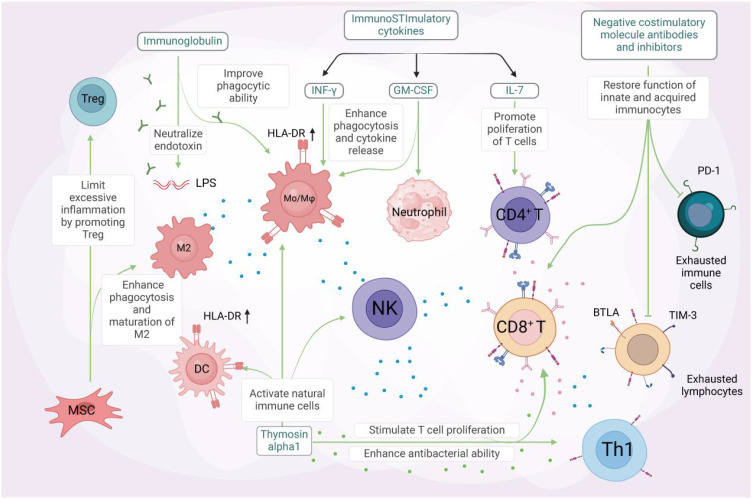
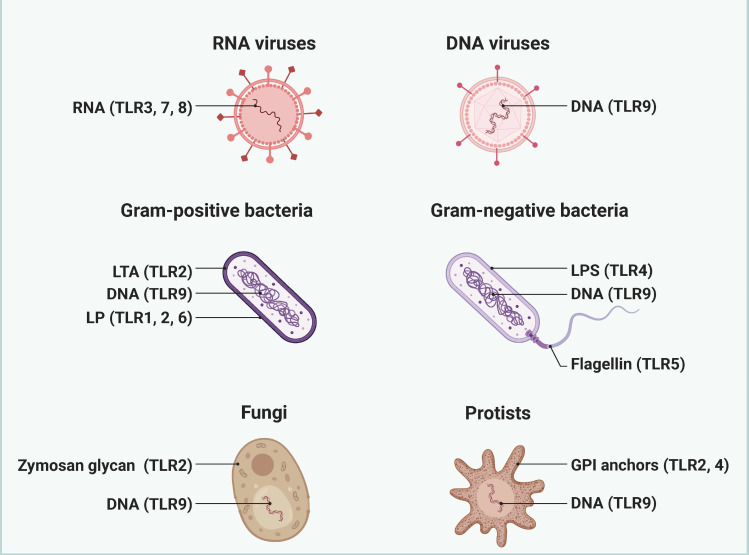
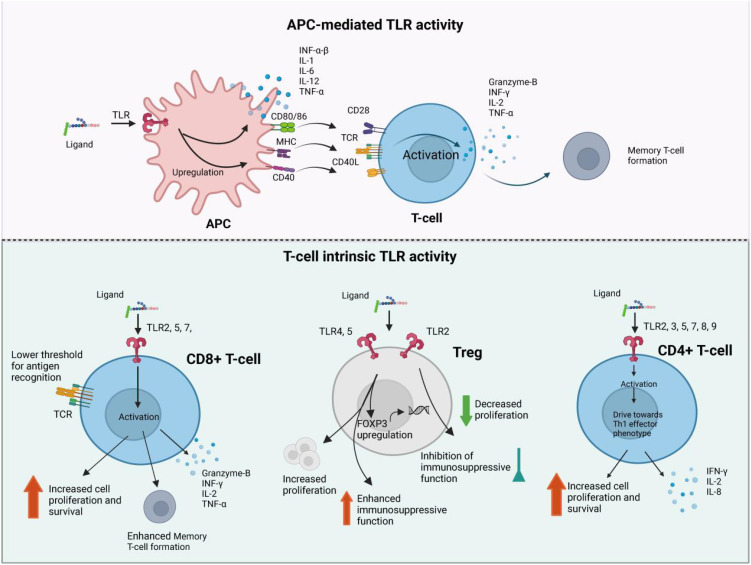
Sepsis, a critical systemic inflammatory response syndrome elicited by pathogenic microorganisms, poses a significant challenge in clinical practice due to its rapid progression and potential for multi-organ failure. This review delineates the intricate roles of Toll-like receptors (TLRs), essential components of the innate immune system, in mediating host responses during sepsis. TLRs recognize pathogen-associated molecular patterns (PAMPs) and damage-associated molecular patterns (DAMPs), thereby initiating signaling cascades that lead to the synthesis of pro-inflammatory cytokines and chemokines. However, the dysregulation of TLR signaling can precipitate a hyper-inflammatory state known as a "cytokine storm," characterized by excessive tissue damage and complications such as Acute Respiratory Distress Syndrome (ARDS) and acute kidney injury (AKI). Several therapeutic strategies targeting TLR pathways are under exploration to mitigate the adverse effects of sepsis. Despite advancements, significant gaps remain, including the need for robust clinical validation and understanding of TLR expression variability among individuals. Future research should focus on elucidating the precise molecular mechanisms governing TLR-mediated responses and developing human-specific therapeutic interventions. This review aims to consolidate current knowledge on TLRs in sepsis, highlighting their dual roles as both defenders against infection and contributors to pathological conditions, thereby informing future therapeutic strategies.
脓毒症是由致病微生物引发的一种严重的全身炎症反应综合征,因其进展迅速且有引发多器官功能衰竭的可能性,在临床实践中构成了重大挑战。本综述阐述了Toll样受体(TLRs)这一固有免疫系统的关键组成部分在脓毒症期间介导宿主反应中的复杂作用。TLRs识别病原体相关分子模式(PAMPs)和损伤相关分子模式(DAMPs),从而启动信号级联反应,导致促炎细胞因子和趋化因子的合成。然而,TLR信号传导的失调可引发一种称为“细胞因子风暴”的过度炎症状态,其特征为过度的组织损伤以及诸如急性呼吸窘迫综合征(ARDS)和急性肾损伤(AKI)等并发症。目前正在探索几种针对TLR途径的治疗策略,以减轻脓毒症的不良影响。尽管取得了进展,但仍存在重大差距,包括需要强有力的临床验证以及了解个体间TLR表达的变异性。未来的研究应侧重于阐明控制TLR介导反应的精确分子机制,并开发针对人类的治疗干预措施。本综述旨在整合当前关于脓毒症中TLRs的知识,突出它们作为抗感染防御者和病理状况促成因素的双重作用,从而为未来的治疗策略提供参考。