
过量产生脱落酸的地衣芽孢杆菌的预防性给药通过调节肠道微生物群和免疫活性减轻了小鼠中右旋糖酐硫酸钠诱导的结肠炎。
Prophylactic administration of overproducing-abscisic acid Bacillus licheniformis attenuated DSS-induced colitis in mice by regulating the gut microbiota and immune activity.
作者信息
Xu Zeyan, Zhao Lijiang, Wu Mengting, Cui Anqi, Chen Wei, Zheng Guohao, Zhou Jingyi, Gao Daqing, Shi Ruihua
机构信息
School of Medicine, Southeast University, Nanjing, Jiangsu, 210009, China.
Department of Gastroenterology, Affiliated Zhongda Hospital, Southeast University, Nanjing, Jiangsu, 210009, China.
出版信息
BMC Microbiol. 2025 May 19;25(1):306. doi: 10.1186/s12866-025-03988-4.
BACKGROUND
Inflammatory bowel disease (IBD) involves the complex interplay among the mucosal barrier, microbiota, immunity and genetic factors. There are currently no satisfactory treatments for IBD. Administration of the probiotic Bacillus licheniformis (Bl) can improves colitis by regulating the gut microbiota. The phytohormone abscisic acid (ABA) treatment has favorable effects on immunity, as well as on inflammatory diseases like colitis. We hypothesized that the expression of an additional cyp gene by the Bl to increase its ABA production would enhance its effects.
RESULTS
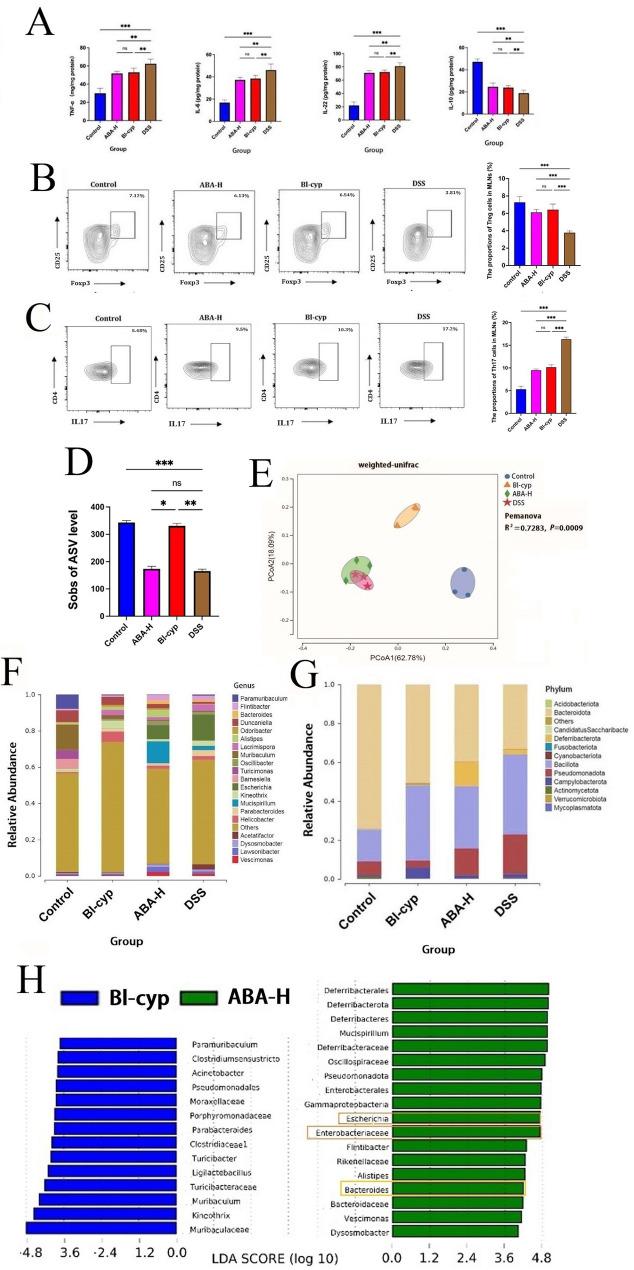
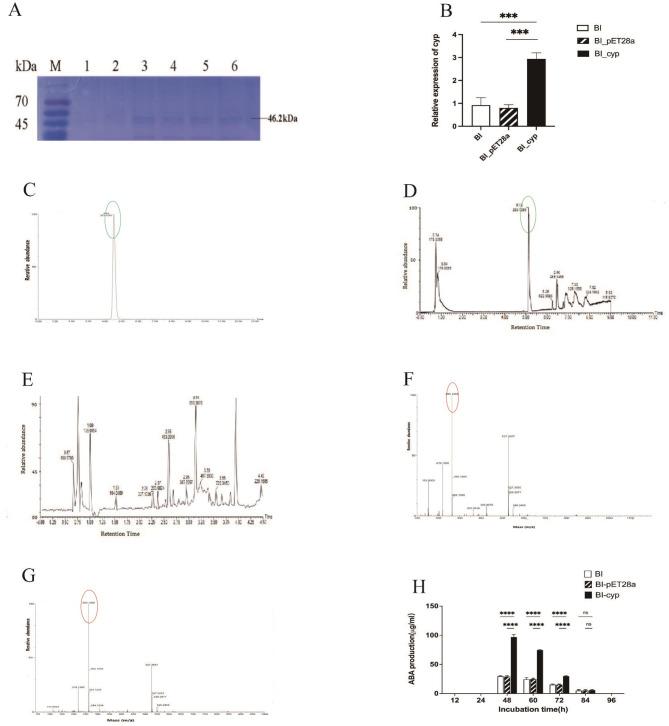
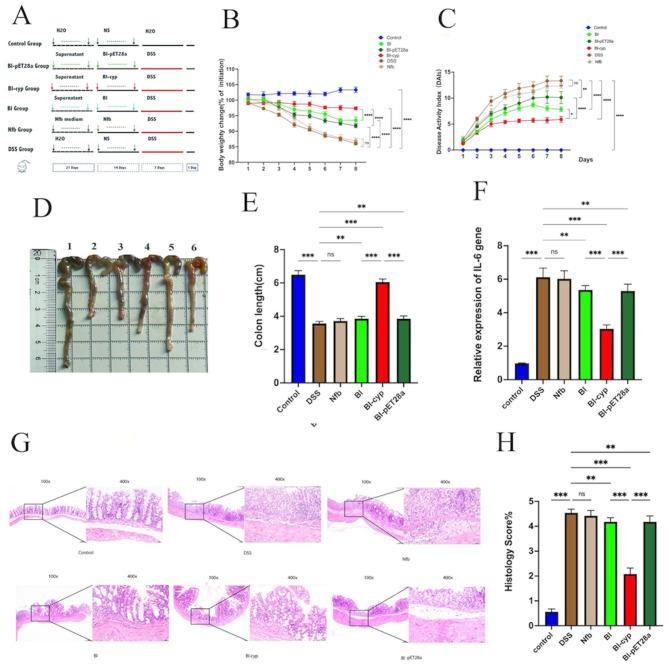
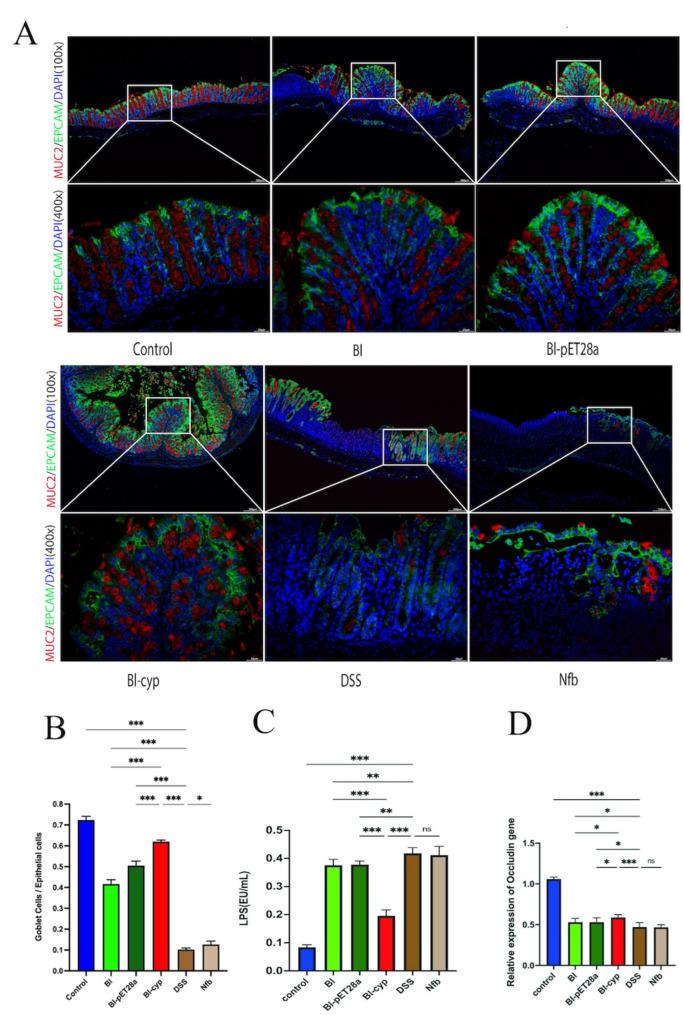
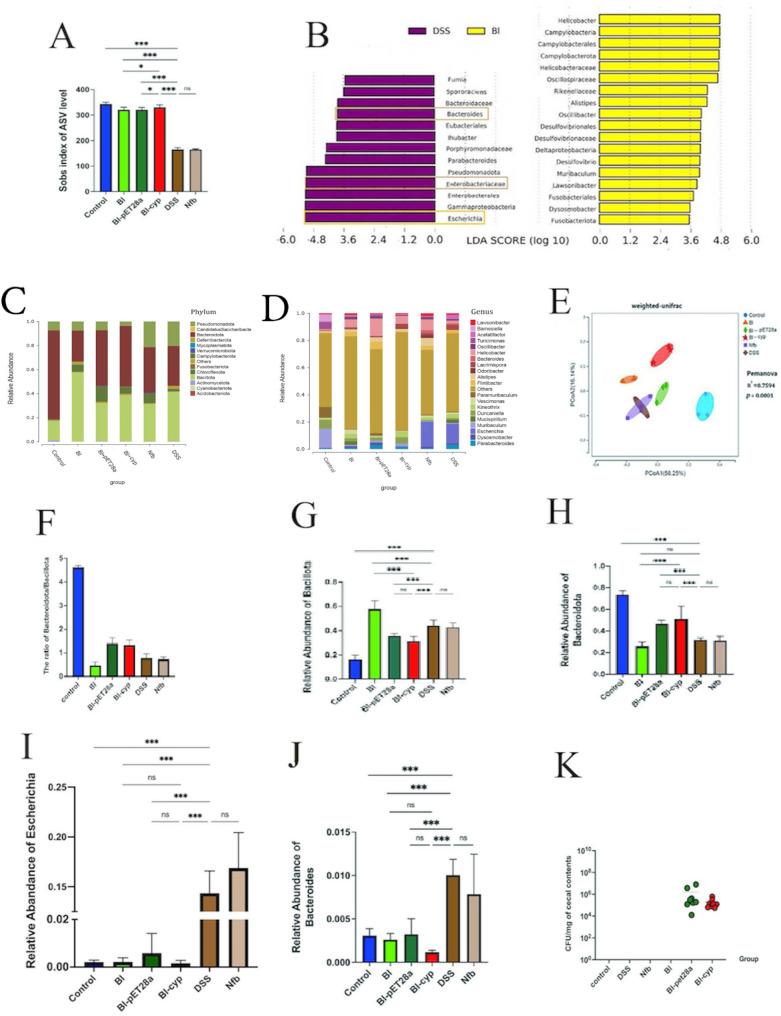
In this study, we found that a Bl-cyp strain overexpressing the cyp gene secreted more ABA into its supernatant than either the parental Bl stain or a Bl-pET82a strain expressing only a vector pET82a when these bacteria were grown in Nfb medium for 48 h. The prophylactic administration of the Bl-cyp strain culture more effectively attenuated dextran sodium sulfate (DSS)-induced colitis in mice compared to the Bl and Bl-pET28a strains. These findings were associated with significantly reduced epithelial barrier damage, as well as increased number of goblet cells and expression levels of occludin gene in the colonic epithelial layer, and decreased serum LPS levels in the Bl-cyp group. In addition, the administration of Bl-cyp strain effectively regulated the disordered gut microbiota by improving their diversity, richness and compositions more than the Bl or Bl-pET82a strain, including the ratio of Bacteroidota: Bacillota. It also inhibited the excessive growth of opportunistic pathogen Escherichia just like the Bl or Bl-pET82a strain. Moreover, the preventive administration of the Bl-cyp strain to mice following DSS-induced colitis enhanced the proportion of Treg cells and suppressed the proportion of Th17 cells in mesenteric lymph nodes (MLNs), decreased the levels of pro-inflammatory cytokines TNF-α, IL-6, and IL-22, and increased the level of anti-inflammatory IL-10 in colon tissues, similar to treatment with a high concentration of the ABA standard (ABA-H). Notably, the treatment with the Bl-cyp strain more effectively regulated the disordered microbiota than the ABA-H.
CONCLUSIONS
The administration of the Bl-cyp strain may provide a novel preventive approach for IBD, and may exert its effects by modulating the gut microbiota and host's immune status.
背景
炎症性肠病(IBD)涉及黏膜屏障、微生物群、免疫和遗传因素之间的复杂相互作用。目前尚无令人满意的IBD治疗方法。施用益生菌地衣芽孢杆菌(Bl)可通过调节肠道微生物群来改善结肠炎。植物激素脱落酸(ABA)治疗对免疫以及结肠炎等炎症性疾病具有有益作用。我们假设,Bl额外表达一个cyp基因以增加其ABA产量会增强其效果。
结果
在本研究中,我们发现,当这些细菌在Nfb培养基中培养48小时时,过表达cyp基因的Bl-cyp菌株比亲本Bl菌株或仅表达载体pET82a的Bl-pET82a菌株向上清液中分泌更多的ABA。与Bl和Bl-pET28a菌株相比,预防性施用Bl-cyp菌株培养物能更有效地减轻小鼠葡聚糖硫酸钠(DSS)诱导的结肠炎。这些发现与上皮屏障损伤显著减轻、结肠上皮层杯状细胞数量增加和闭合蛋白基因表达水平提高以及Bl-cyp组血清LPS水平降低有关。此外,与Bl或Bl-pET82a菌株相比,施用Bl-cyp菌株能更有效地调节紊乱的肠道微生物群,改善其多样性、丰富度和组成,包括拟杆菌门与芽孢杆菌门的比例。它也像Bl或Bl-pET82a菌株一样抑制机会性病原体大肠杆菌的过度生长。此外,在DSS诱导的结肠炎后对小鼠预防性施用Bl-cyp菌株可提高肠系膜淋巴结(MLN)中调节性T细胞的比例并抑制辅助性T细胞17的比例,降低结肠组织中促炎细胞因子TNF-α、IL-6和IL-22的水平,并增加抗炎性IL-10的水平,类似于用高浓度ABA标准品(ABA-H)治疗。值得注意的是,与ABA-H相比,用Bl-cyp菌株治疗能更有效地调节紊乱的微生物群。
结论
施用Bl-cyp菌株可能为IBD提供一种新的预防方法,并可能通过调节肠道微生物群和宿主免疫状态发挥作用。

 Zotero 插件