Majumder Anusha, Nasim Fouzia, Qureshi Insaf Ahmed
Department of Biotechnology & Bioinformatics, School of Life Sciences, University of Hyderabad, Prof. C.R. Rao Road, Hyderabad 500046, India.
Department of Biotechnology & Bioinformatics, School of Life Sciences, University of Hyderabad, Prof. C.R. Rao Road, Hyderabad 500046, India.
J Genet Eng Biotechnol. 2025 Jun;23(2):100488. doi: 10.1016/j.jgeb.2025.100488. Epub 2025 Apr 10.
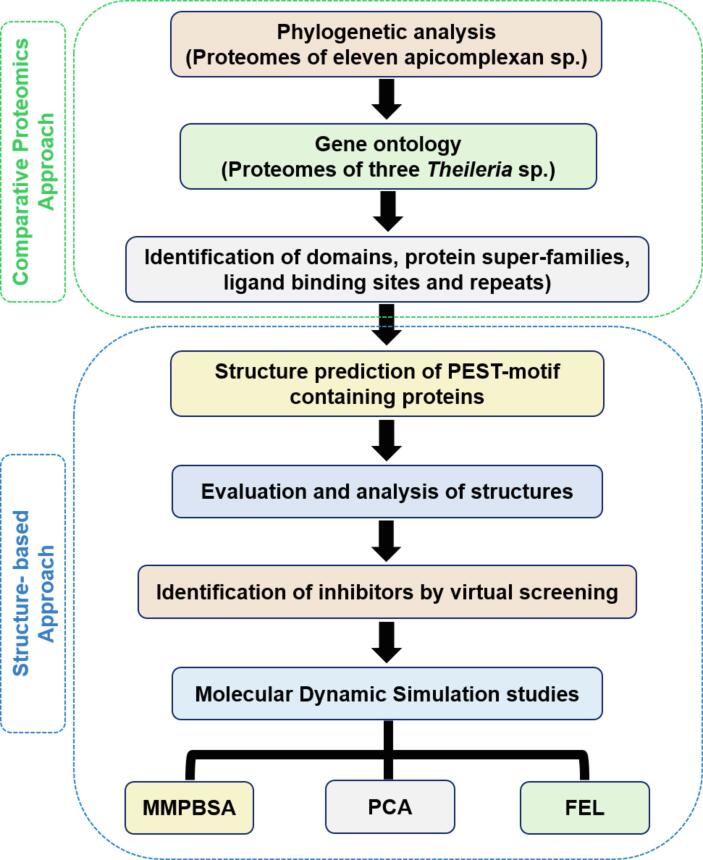
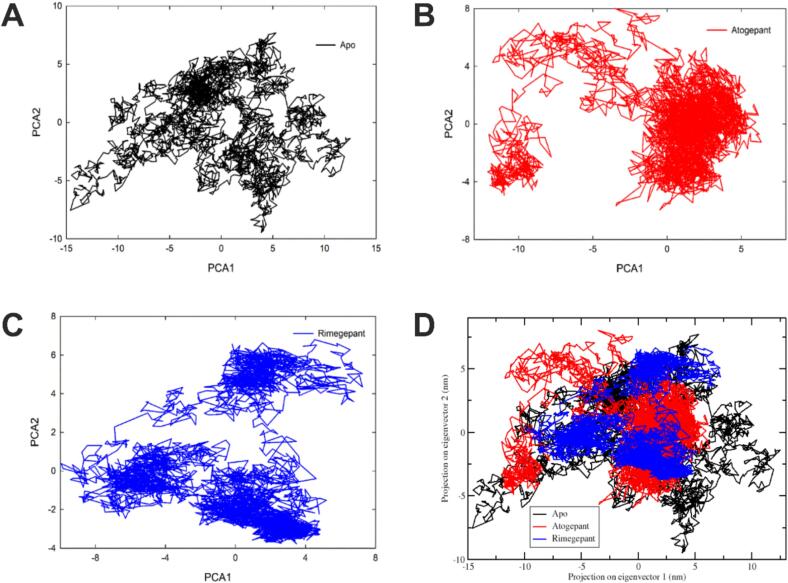
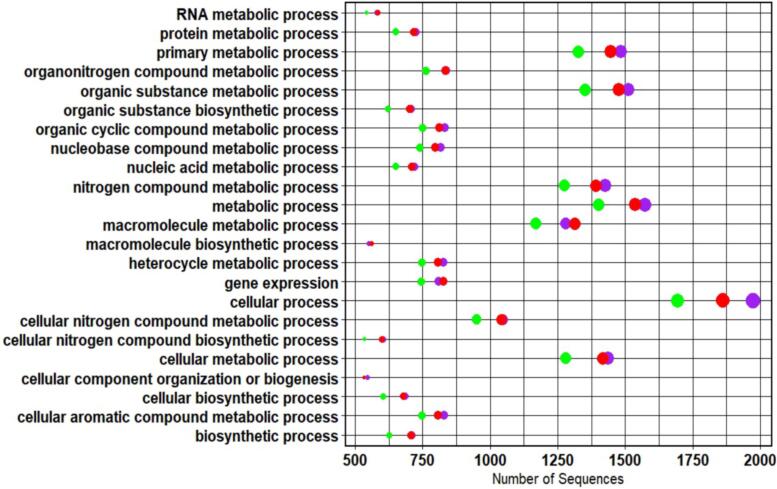
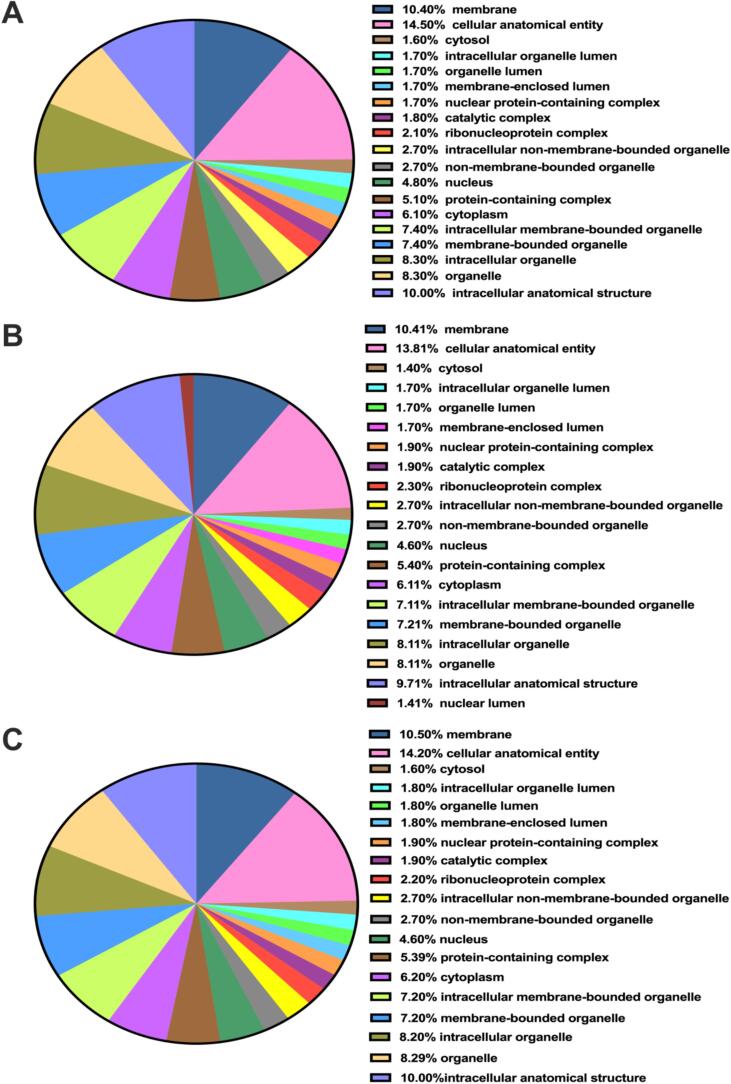
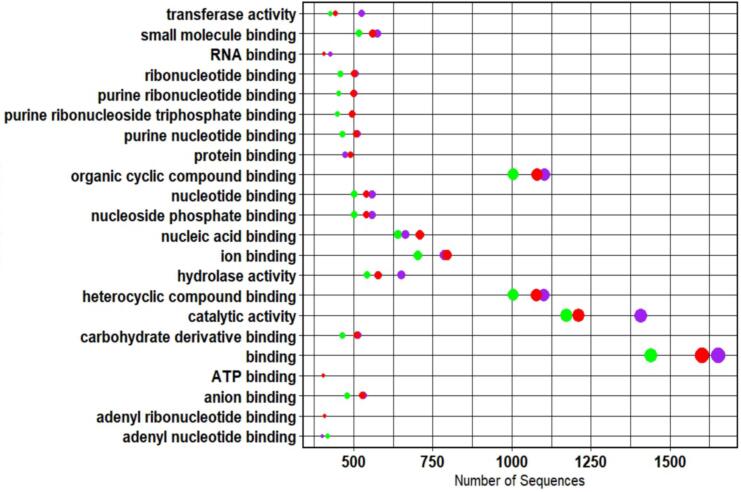
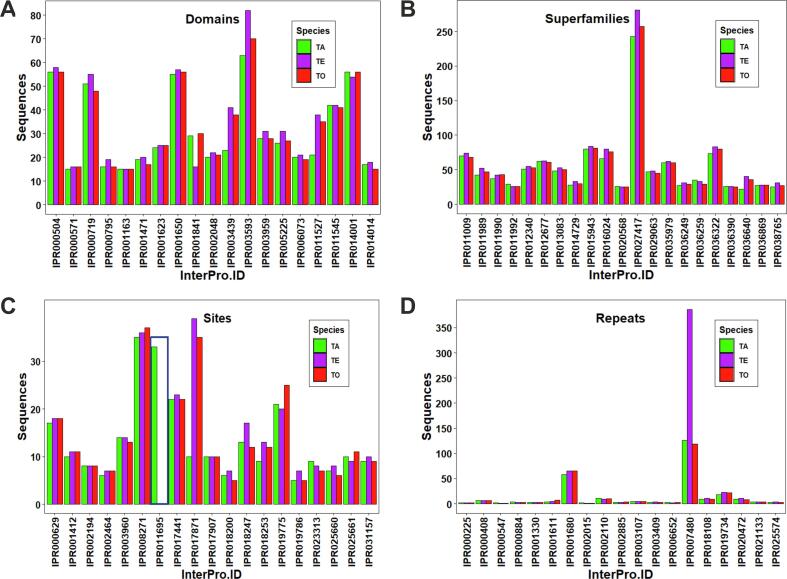
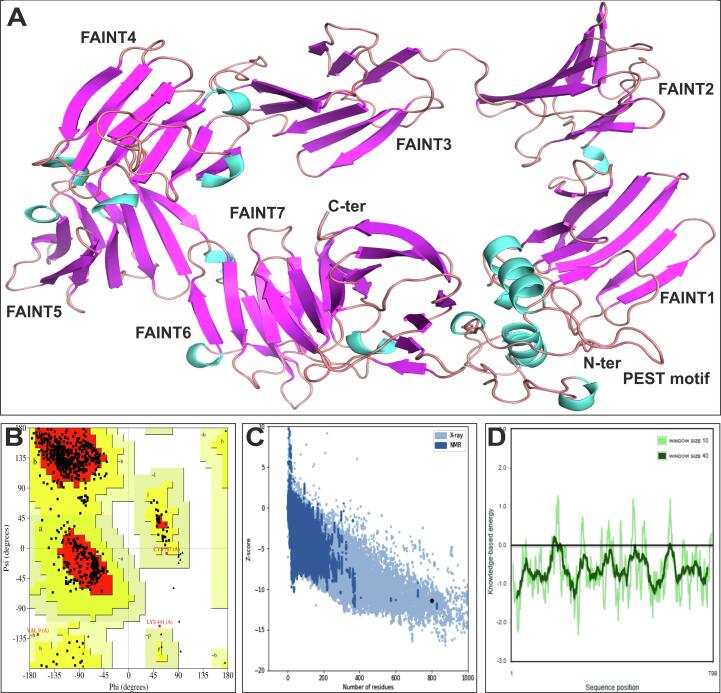
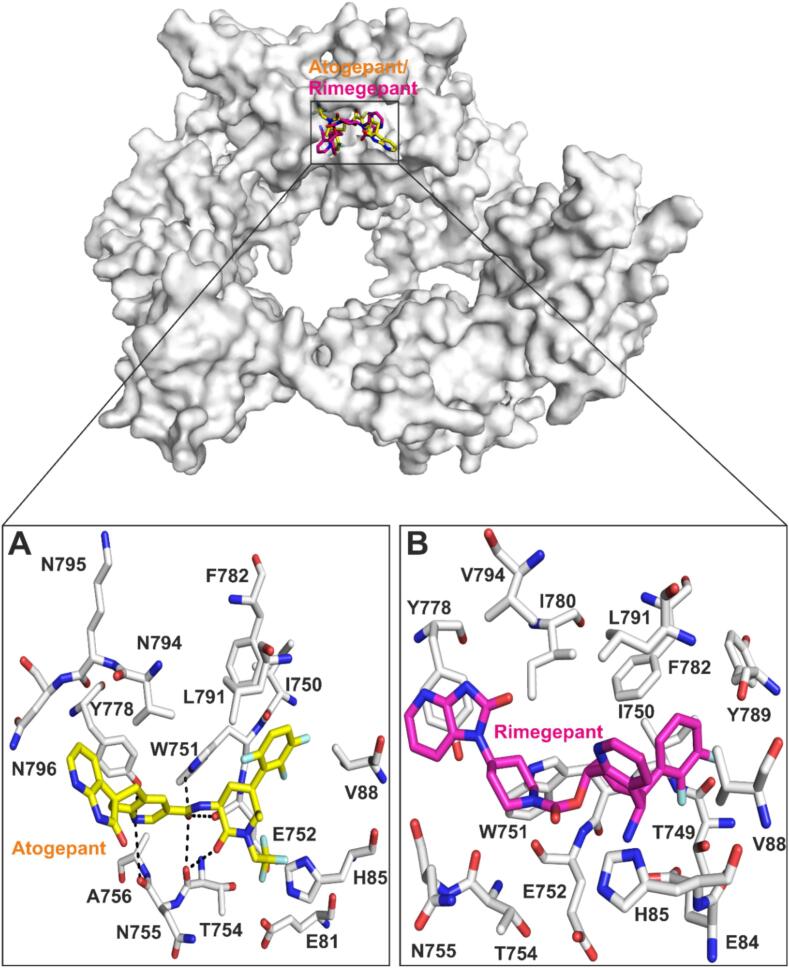
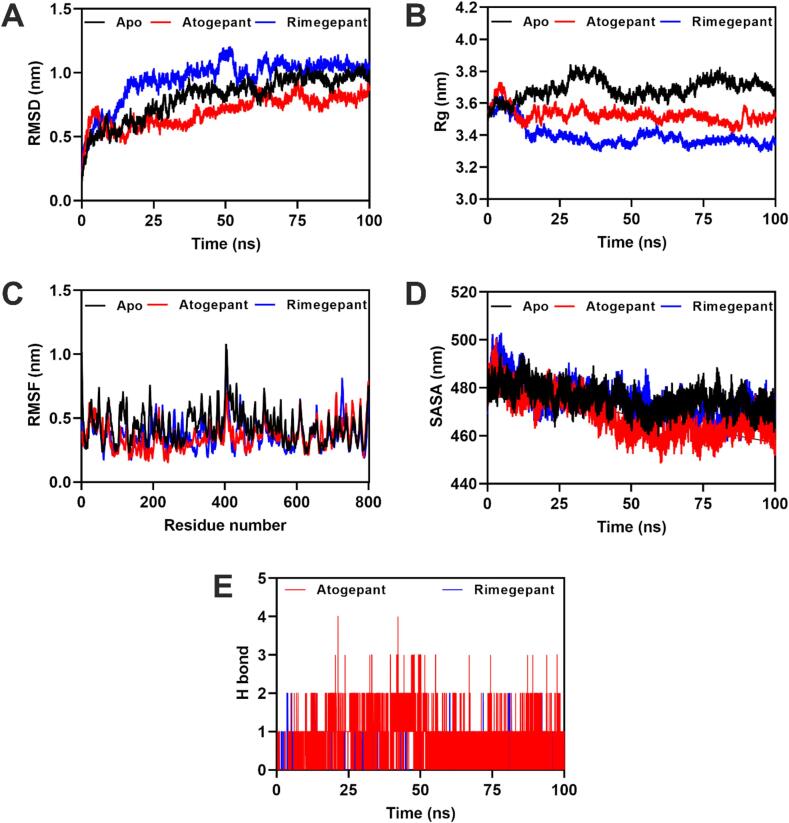
Theileriosis, caused by protozoan parasites of genus Theileria, primarily affects both domestic and wild ruminants. It can lead to significant economic losses in livestock farming due to decreased productivity and high mortality rates in susceptible animals, while treatment measures are not cost-effective. Since most of mechanisms of this disease remain unknown, this study investigates the differences in the mode of pathogenesis between transforming and non-transforming groups through an in silico comparative proteomics approach to recognize the key players involved in host cell transformation. Although the major biological processes and molecular functions are almost conserved between the two groups, PEST-motif containing secretory proteins of SfiI, SVSP, and Tash-AT gene families were identified as important candidates with the potential to transform infected host cells. Several members of PEST-motif containing proteins possess signal peptides, nuclear localization signals, and trans-membrane helices, further supporting their potential to transform host cells. Additionally, structural analysis helped in the identification of a parasitic protein (SfiIp) from SfiI family as a plausible drug target. Virtual screening revealed FDA-approved drugs (i.e. atogepant and rimegepant) as promising compounds, showing the highest affinity for SfiIp during molecular docking. Further studies, including molecular dynamics simulation, principal component analysis, and free energy landscape, suggested that these drug molecules exhibit the stable interaction with protein. Therefore, our research could facilitate the identification and targeting of novel drug candidates that may be further implemented to recognize effective therapeutics against Theileria infections.
泰勒虫病由泰勒虫属原生动物寄生虫引起,主要影响家养和野生反刍动物。由于易感动物生产力下降和死亡率高,它会给畜牧业带来重大经济损失,而治疗措施并不具有成本效益。由于该疾病的大多数机制仍不清楚,本研究通过计算机比较蛋白质组学方法研究转化组和非转化组之间发病机制模式的差异,以识别参与宿主细胞转化的关键因子。尽管两组之间的主要生物学过程和分子功能几乎保守,但含有PEST基序的SfiI、SVSP和Tash-AT基因家族的分泌蛋白被确定为有可能转化受感染宿主细胞的重要候选蛋白。含有PEST基序的蛋白质的几个成员具有信号肽、核定位信号和跨膜螺旋,进一步支持了它们转化宿主细胞的潜力。此外,结构分析有助于从SfiI家族中鉴定出一种寄生蛋白(SfiIp)作为一个合理的药物靶点。虚拟筛选显示美国食品药品监督管理局(FDA)批准的药物(即阿托格潘和利美吉泮)是有前景的化合物,在分子对接过程中对SfiIp表现出最高亲和力。包括分子动力学模拟、主成分分析和自由能景观在内的进一步研究表明,这些药物分子与蛋白质表现出稳定的相互作用。因此,我们的研究有助于识别和确定新的药物候选物,这些候选物可能会进一步用于识别针对泰勒虫感染的有效治疗方法。