Zhang Yuyu, Wang Jinghuan, He Mengting, Liu Jiayao, Zhao Jialin, He JinTao, Wang Caiyun, Li Yuhui, Xiao Chenxi, Fan Chunxiang, Chang Jun, Liu Xinhua
Phenome Research Center of TCM, Department of Traditional Chinese Medicine, Shanghai Pudong Hospital, Pharmacophenomics Laboratory, Human Phenome Institute, Fudan University, Shanghai, China.
Phenome Research Center of TCM, Department of Traditional Chinese Medicine, Shanghai Pudong Hospital, Pharmacophenomics Laboratory, Human Phenome Institute, Fudan University, Shanghai, China.
Redox Biol. 2025 Jul;84:103675. doi: 10.1016/j.redox.2025.103675. Epub 2025 May 17.
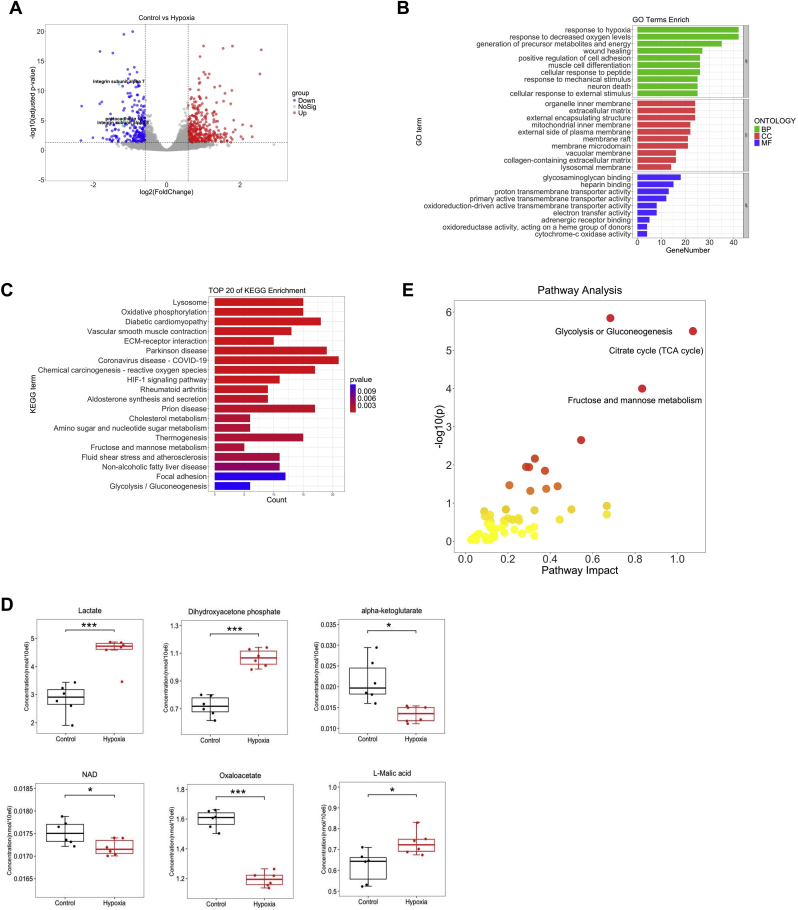
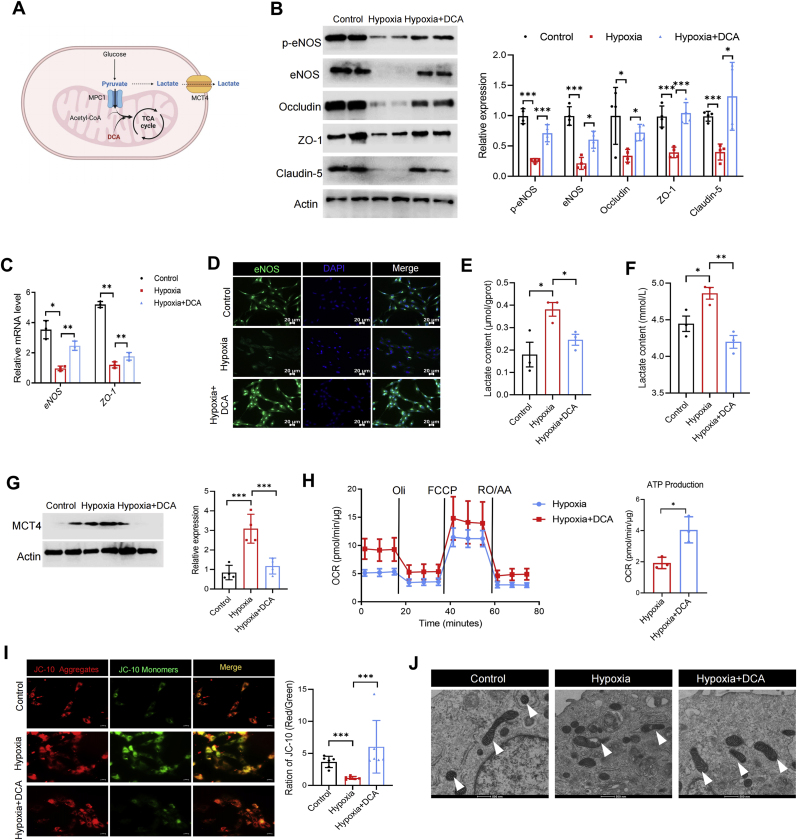
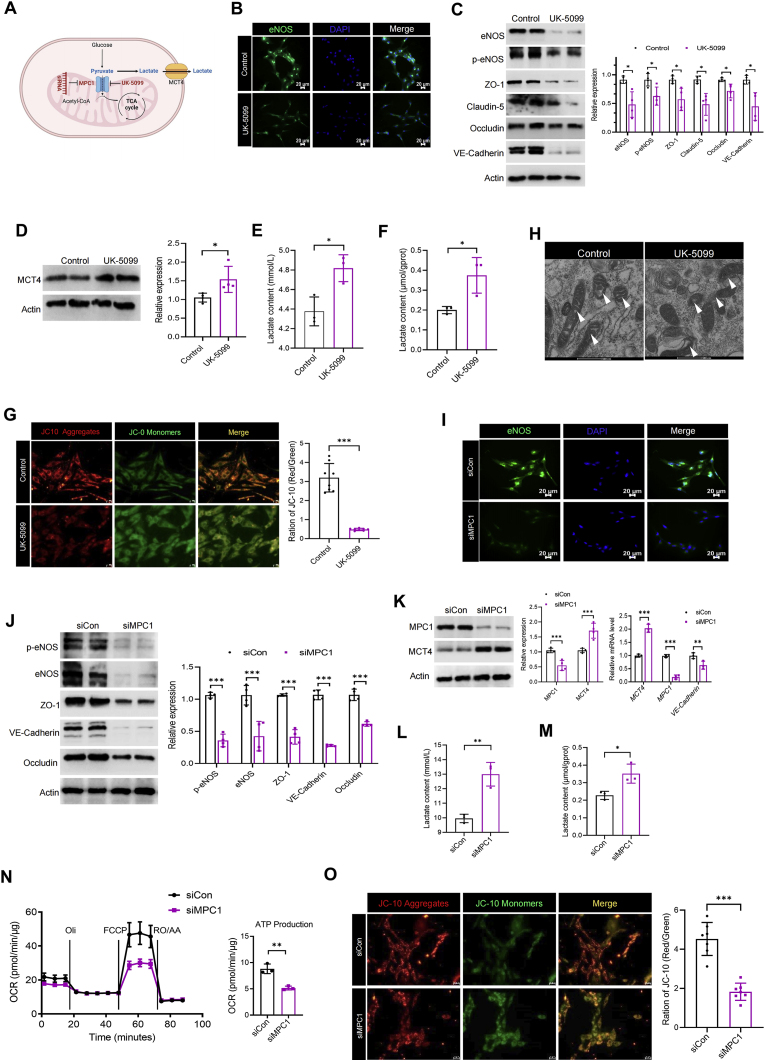
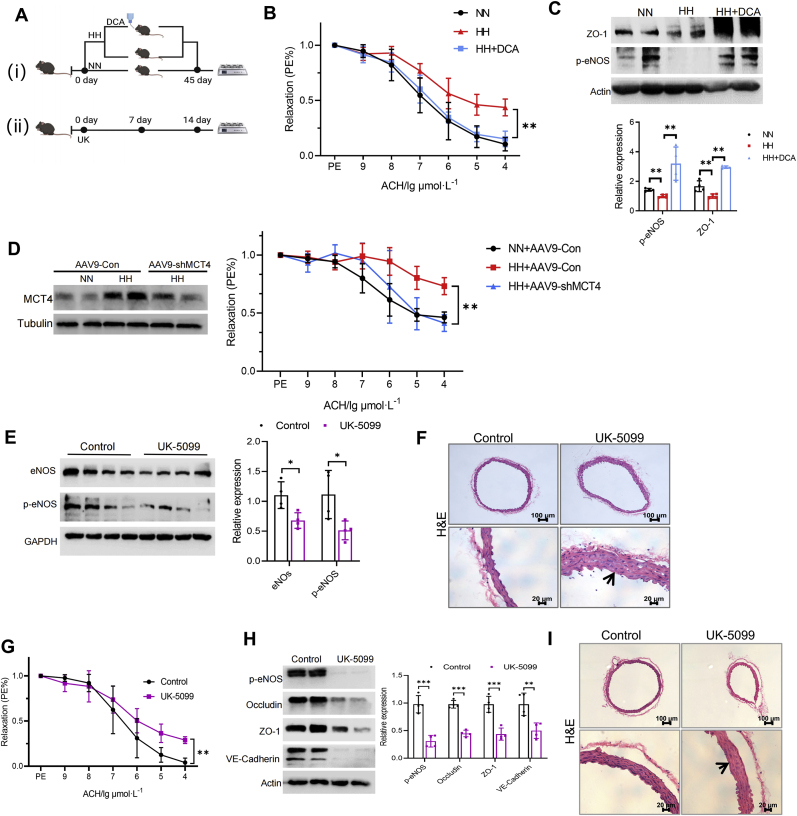
Hypobaric hypoxia in plateau environments inevitably disrupts metabolic homeostasis and contributes to high-altitude diseases. Vascular endothelial cells play a crucial role in maintaining vascular homeostasis. However, it remains unclear whether hypoxia-mediated changes in energy metabolism compromise vascular system stability and function. Through integrated transcriptomic and targeted metabolomic analyses, we identified that hypoxia induces vascular endothelial dysfunction via energy metabolism dysregulation. Specifically, hypoxia drives a metabolic shift toward glycolysis over oxidative phosphorylation in vascular endothelial cells, resulting in excessive lactate production. This lactate overload triggers PKM2 lactylation, which stabilizes PKM2 by inhibiting ubiquitination, forming a feedforward loop that exacerbates mitochondrial collapse and vascular endothelial dysfunction. Importantly, blocking the pyruvate-lactate axis helps maintain the balance between glycolysis and oxidative phosphorylation, thereby protecting vascular endothelial function under hypoxic conditions. Our findings not only elucidate a novel mechanism underlying hypoxia-induced vascular damage but also highlight the pyruvate-lactate axis as a potential therapeutic target for preventing vascular diseases in both altitude-related and pathological hypoxia.
高原环境中的低压缺氧不可避免地会破坏代谢稳态,并导致高原病。血管内皮细胞在维持血管稳态中起关键作用。然而,尚不清楚缺氧介导的能量代谢变化是否会损害血管系统的稳定性和功能。通过综合转录组学和靶向代谢组学分析,我们发现缺氧通过能量代谢失调诱导血管内皮功能障碍。具体而言,缺氧促使血管内皮细胞的代谢从氧化磷酸化转向糖酵解,导致乳酸过度产生。这种乳酸过载触发PKM2乳酸化,通过抑制泛素化使PKM2稳定,形成一个前馈回路,加剧线粒体崩溃和血管内皮功能障碍。重要的是,阻断丙酮酸-乳酸轴有助于维持糖酵解和氧化磷酸化之间的平衡,从而在缺氧条件下保护血管内皮功能。我们的研究结果不仅阐明了缺氧诱导血管损伤的新机制,还突出了丙酮酸-乳酸轴作为预防高原相关和病理性缺氧中血管疾病的潜在治疗靶点。