Gaspar Bogdan Severus, Roşu Oana Alexandra, Enache Robert-Mihai, Manciulea Profir Monica, Pavelescu Luciana Alexandra, Creţoiu Sanda Maria
Department of Surgery, Carol Davila University of Medicine and Pharmacy, 050474 Bucharest, Romania.
Surgery Clinic, Bucharest Emergency Clinical Hospital, 014461 Bucharest, Romania.
J Fungi (Basel). 2025 Apr 22;11(5):333. doi: 10.3390/jof11050333.
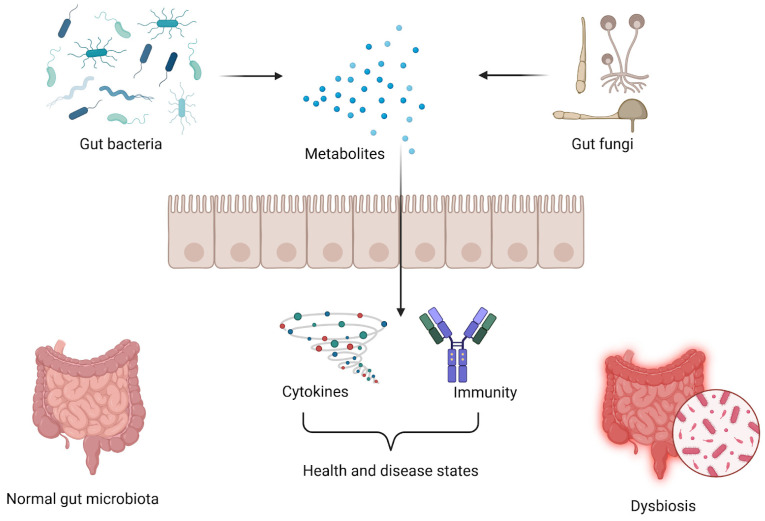
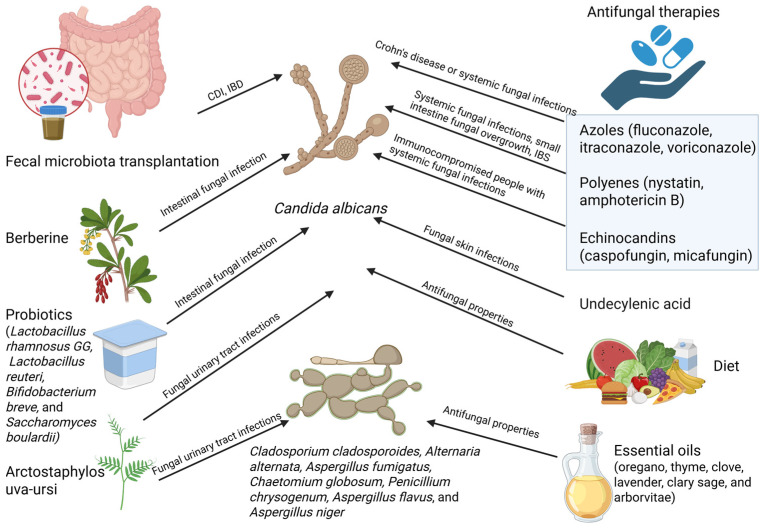
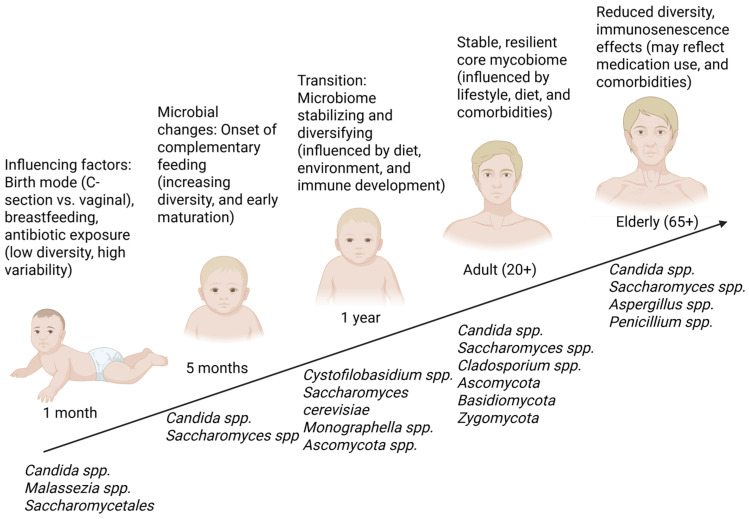
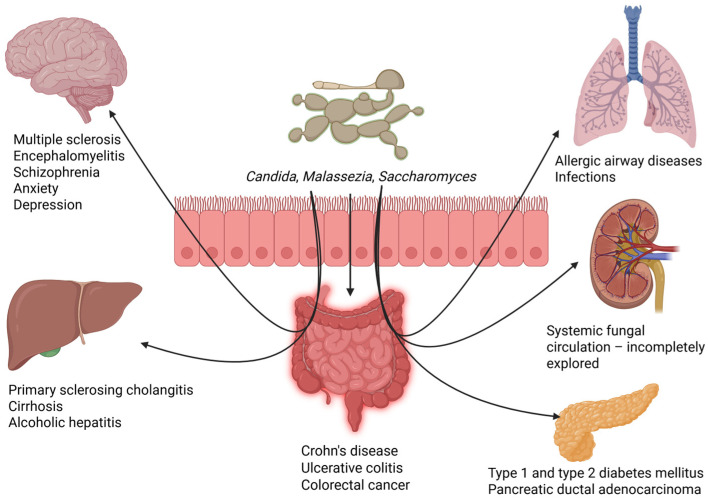
The gut mycobiome, the fungal component of the gut microbiota, plays a crucial role in health and disease. Although fungi represent a small fraction of the gut ecosystem, they influence immune responses, gut homeostasis, and disease progression. The mycobiome's composition varies with age, diet, and host factors, and its imbalance has been linked to conditions such as inflammatory bowel disease (IBD) and metabolic disorders. Advances in sequencing have expanded our understanding of gut fungi, but challenges remain due to methodological limitations and high variability between individuals. Emerging therapeutic strategies, including antifungals, probiotics, fecal microbiota transplantation, and dietary interventions, show promise but require further study. This review highlights recent discoveries on the gut mycobiome, its interactions with bacteria, its role in disease, and potential clinical applications. A deeper understanding of fungal contributions to gut health will help develop targeted microbiome-based therapies.
肠道真菌群落作为肠道微生物群的真菌组成部分,在健康与疾病中起着关键作用。尽管真菌在肠道生态系统中所占比例较小,但它们会影响免疫反应、肠道稳态和疾病进展。真菌群落的组成会随年龄、饮食和宿主因素而变化,其失衡与炎症性肠病(IBD)和代谢紊乱等病症有关。测序技术的进步拓宽了我们对肠道真菌的认识,但由于方法学上的局限性以及个体间的高度变异性,挑战依然存在。包括抗真菌药物、益生菌、粪便微生物群移植和饮食干预在内的新兴治疗策略显示出了前景,但仍需进一步研究。本综述重点介绍了关于肠道真菌群落的最新发现、其与细菌的相互作用、在疾病中的作用以及潜在的临床应用。对真菌在肠道健康中所做贡献的更深入理解将有助于开发基于微生物群的靶向治疗方法。