Cai Bi-He, Chen Chia-Chi, Sung Yu-Te, Shih Yu-Chen, Lien Ching-Feng
School of Medicine, I-Shou University, Kaohsiung City 82445, Taiwan.
Department of Pathology, E-Da Hospital, Kaohsiung City 82445, Taiwan.
Biomedicines. 2025 May 10;13(5):1165. doi: 10.3390/biomedicines13051165.
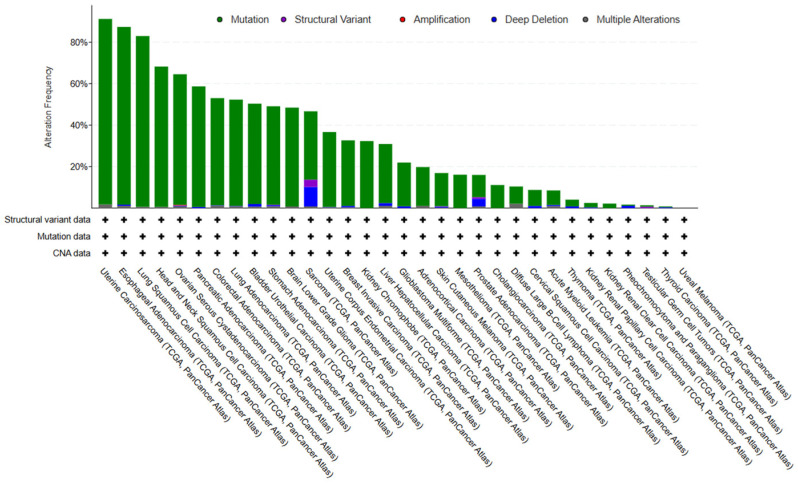
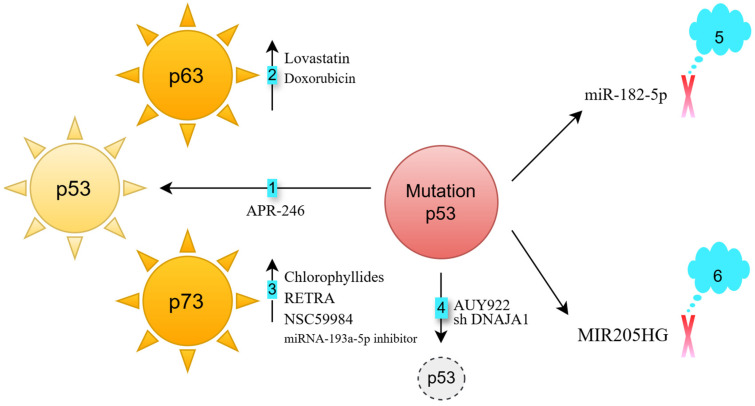
This Opinion summarizes the strategies for anticancer treatment in p53-mutated head and neck squamous cell carcinoma (HNSCC). It examines six strategies for anticancer treatment in p53-mutated HNSCC: 1. direct reactivation of mutated p53; 2. activation of p63; 3. activation of p73; 4. degradation of mutated p53; 5. blocking the p53-regulated oncogenic microRNA; and 6. blocking the p53-regulated oncogenic long non-coding RNA. Since HNSCC has a high p53 mutation rate compared to other types of cancers, these strategies for combating p53-mutated HNSCC may prove useful for generating new ideas or methods for developing treatments for other cancers with p53 mutations. This article also explores other factors that may impact the effectiveness of anticancer therapies in p53-mutated HNSCC.
本观点总结了p53突变型头颈部鳞状细胞癌(HNSCC)的抗癌治疗策略。它探讨了p53突变型HNSCC的六种抗癌治疗策略:1. 直接重新激活突变型p53;2. 激活p63;3. 激活p73;4. 降解突变型p53;5. 阻断p53调节的致癌性微小RNA;6. 阻断p53调节的致癌性长链非编码RNA。由于与其他类型的癌症相比,HNSCC具有较高的p53突变率,这些对抗p53突变型HNSCC的策略可能有助于为开发其他p53突变癌症的治疗方法产生新的思路或方法。本文还探讨了其他可能影响p53突变型HNSCC抗癌治疗效果的因素。