Del Vecchio Lucia, Peiti Silvia, Pucci Bella Giulio, Locatelli Francesco
Department of Nephrology and Dialysis, ASST Lariana, 22100 Como, Italy.
Department of Nephrology and Dialysis, (Past Director), ASST Lecco, 23900 Lecco, Italy.
J Clin Med. 2025 May 18;14(10):3533. doi: 10.3390/jcm14103533.
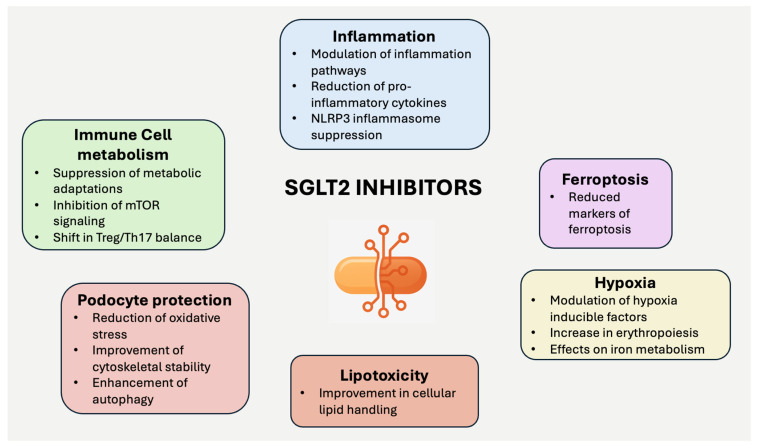
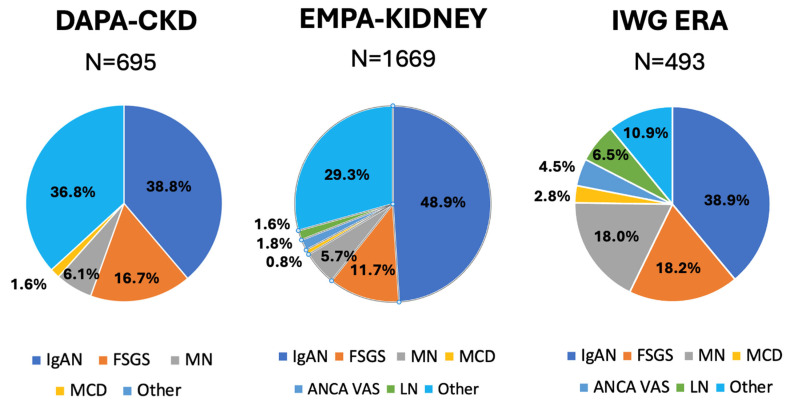
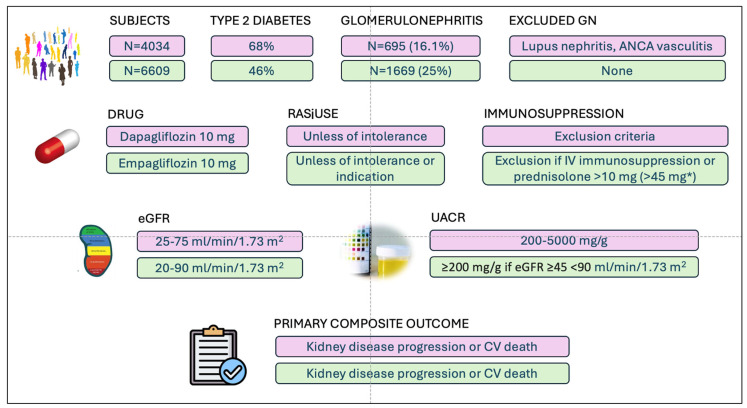
Sodium-glucose cotransporter 2 (SGLT2) inhibitors, initially developed for glycaemic control in type 2 diabetes, have demonstrated substantial renal and cardiovascular protective effects across various chronic kidney diseases (CKD), including glomerulonephritis. Beyond their established haemodynamic and metabolic benefits, recent evidence points to additional mechanisms of action potentially relevant to immune-mediated kidney diseases, such as the modulation of inflammation, immunometabolism, and oxidative stress. Randomised clinical trials (DAPA-CKD and EMPA-KIDNEY) and real-world observational studies consistently show that SGLT2 inhibitors reduce proteinuria and slow estimated glomerular filtration rate (eGFR) decline in patients with glomerulonephritis, including IgA nephropathy and focal segmental glomerulosclerosis. These benefits may extend to patients with stable immunosuppression. Further data are needed in this subgroup. Importantly, SGLT2 inhibitors display a favourable safety profile, even among those with immunosuppressed status. Again, further evidence is awaited in this respect. Despite these promising findings, unanswered questions remain regarding their efficacy in nephrotic syndrome, early-stage disease, and in comparison or combination with other supportive therapies. Overall, the evolving evidence supports the inclusion of SGLT2 inhibitors as a key component of supportive therapy in glomerulonephritis, with potential benefits extending beyond proteinuria reduction.
钠-葡萄糖协同转运蛋白2(SGLT2)抑制剂最初是为控制2型糖尿病的血糖而开发的,现已证明在包括肾小球肾炎在内的各种慢性肾脏病(CKD)中具有显著的肾脏和心血管保护作用。除了已确定的血流动力学和代谢益处外,最近的证据表明还有其他潜在与免疫介导的肾脏疾病相关的作用机制,如炎症调节、免疫代谢和氧化应激。随机临床试验(DAPA-CKD和EMPA-KIDNEY)及真实世界观察性研究一致表明,SGLT2抑制剂可降低肾小球肾炎患者(包括IgA肾病和局灶节段性肾小球硬化症患者)的蛋白尿,并减缓估计肾小球滤过率(eGFR)下降。这些益处可能也适用于免疫抑制稳定的患者。该亚组还需要更多数据。重要的是,即使在免疫抑制状态的患者中,SGLT2抑制剂也显示出良好的安全性。同样,这方面还需要更多证据。尽管有这些令人鼓舞的发现,但关于它们在肾病综合征、疾病早期以及与其他支持性疗法相比或联合使用时的疗效仍存在未解决的问题。总体而言,不断发展的证据支持将SGLT2抑制剂纳入肾小球肾炎支持性治疗的关键组成部分,其潜在益处可能不止于降低蛋白尿。